Artwork
H Beard Print Collection
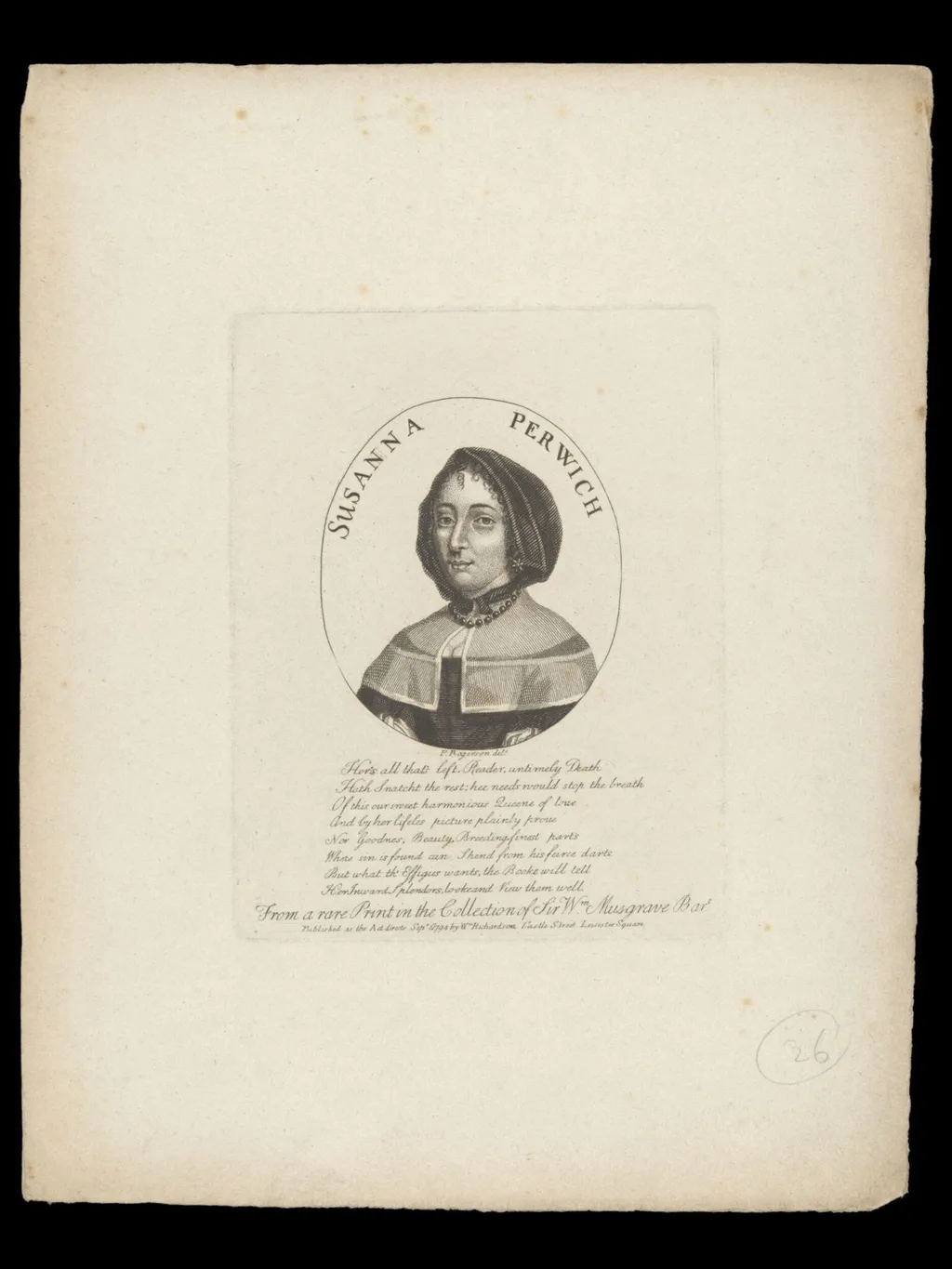
H Beard Print Collection is a print by the Romanticist artist P. Rogerson. It dates from 1 and is held in the collection of the Victoria and Albert Museum. A portrait print from 1794, created by P.
About this work
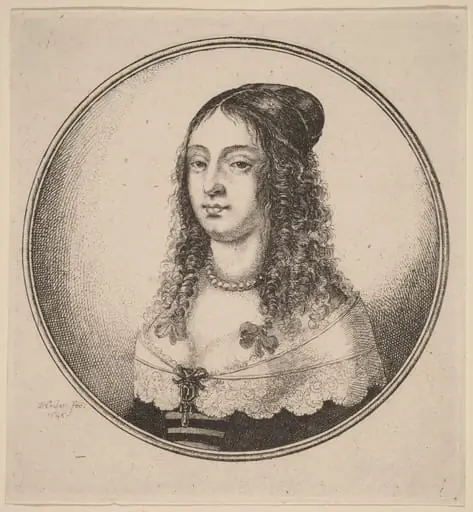
This print shows a head and torso portrait from 1794. It’s a Romantic-era work on paper by P. Rogerson. The artist captured Susanna Perwich in a keepsake style, with a few lines of text to mark the moment.
It once belonged to Sir William Musgrave’s collection. That makes it a rare survivor from an old print album.
Next time you’re nearby, swing by the Victoria and Albert Museum.
Overview
A portrait print from 1794, created by P. Rogerson, depicts Susanna Perwich from the head to the torso. Executed on paper, it belongs to a small group of commemorative prints produced in the late 18th century. Originally part of Sir William Musgrave’s personal collection, it survives as a rare artifact from a now-dispersed print album, offering insight into private memorial practices of the era.
Subject & Meaning
The image portrays Susanna Perwich with quiet solemnity, likely intended as a personal memento. Accompanying lines of text serve to honor her memory, suggesting the print was made after her death. The format reflects a domestic tradition of preserving likenesses of loved ones, blending portraiture with elegiac sentiment common in Romantic-era private collections.
Technique & Style
Rogerson employed a fine-line engraving technique typical of keepsake prints of the period. The composition is restrained, focusing on the sitter’s facial features and upper torso, with minimal background detail. The tone is intimate rather than grand, emphasizing emotional resonance over theatricality, consistent with the modest scale and purpose of private memorial imagery.
History & Provenance
The print was once held in the collection of Sir William Musgrave, a noted antiquarian and print collector. Its survival is uncommon, as most such albums were disassembled or lost over time. It later entered the Victoria and Albert Museum’s holdings, where it remains as a tangible link to 18th-century personal commemoration practices and collector culture.
Context
In the late 1700s, engraved portraits like this were often produced for private circulation, not public display. They responded to a growing interest in individual memory and emotional expression, paralleling literary and artistic trends of Romanticism. Such prints were frequently bound into albums, serving as intimate records of family and acquaintance networks.
Legacy
This print endures as a quiet testament to the ways individuals preserved memory before photography. Its presence in a major museum collection underscores its value as a cultural artifact, illustrating how personal grief and admiration were materialized in small-scale, hand-held formats during the transition from manuscript to mass reproduction.
Own this work as a print
Artist & collection
Artist
This amateur printer in 18th-century London used wooden blocks to turn news into pictures for ordinary folks.

- Henrietta Maria
 Elizabeth Talbot, Countess of Kent, Authoress
 Charles I, Prince of Great Britain and Ireland, Duc of Cornwall and Yorck
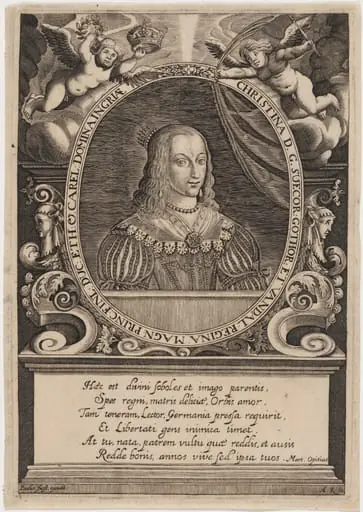 Christina, Queen of Sweden
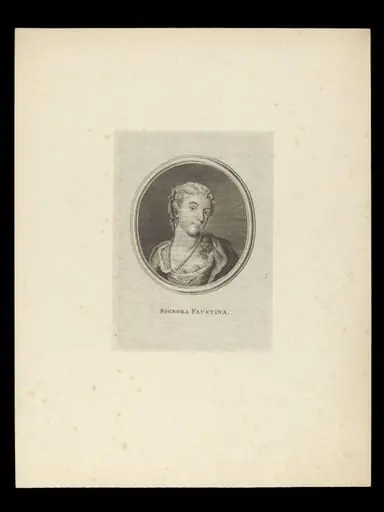 H Beard Print Collection
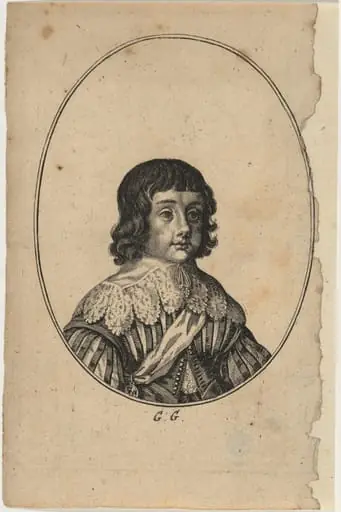 Charles II as a Child
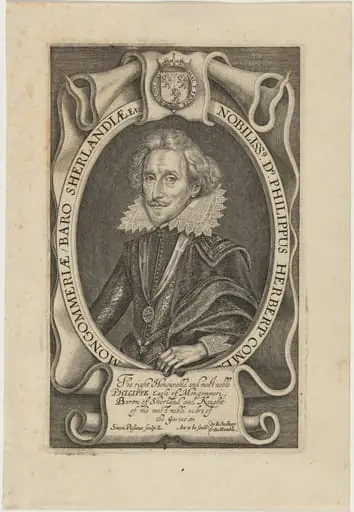 Philip Herbert, Fourth Earl of Pembroke
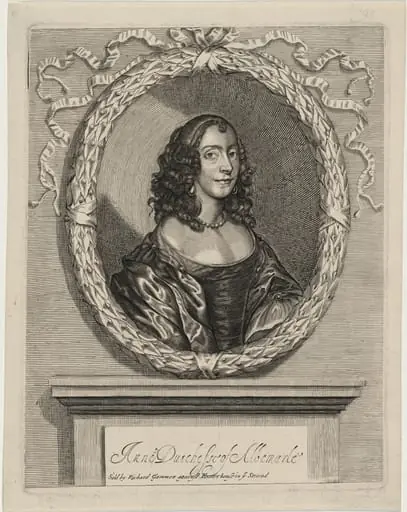 Anne, Duchess of Albemarle
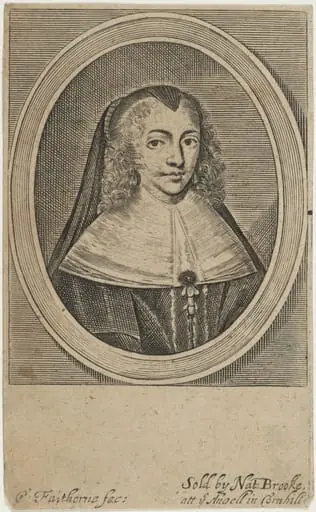 Henrietta Maria
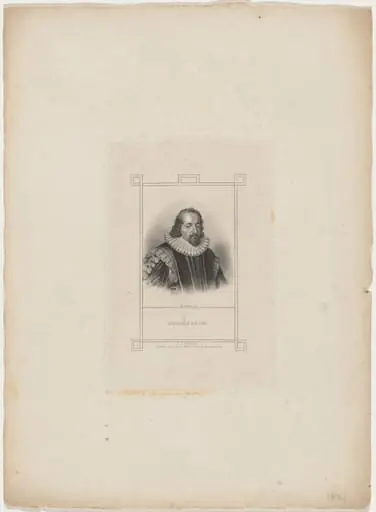 Lord Bacon
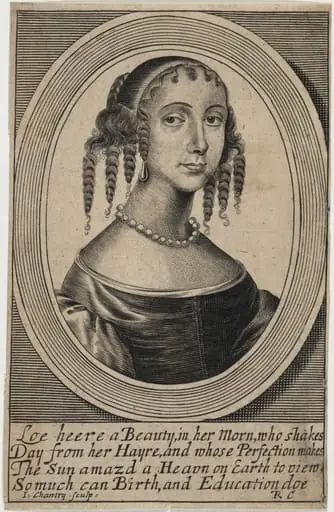 Lady Ferrers
 Lady with Ribbons on Curls