Artwork
Ashopton, from the New Road
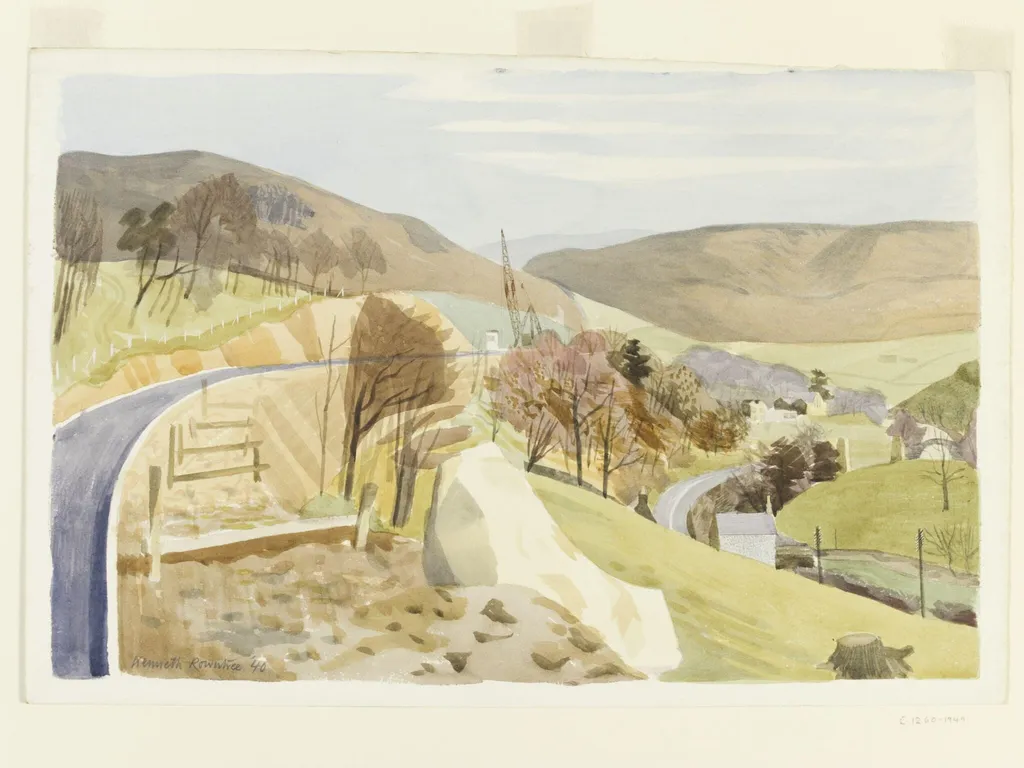
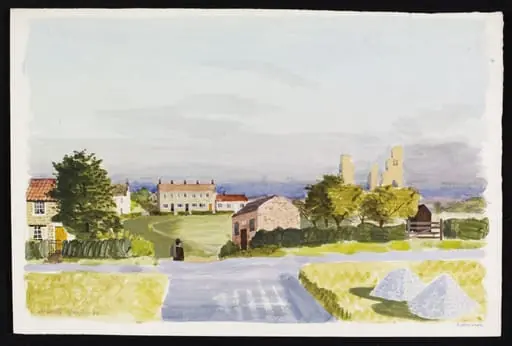
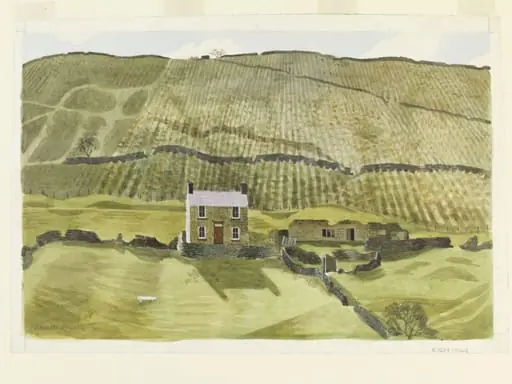
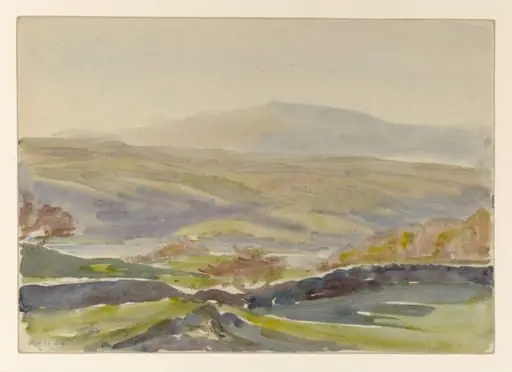
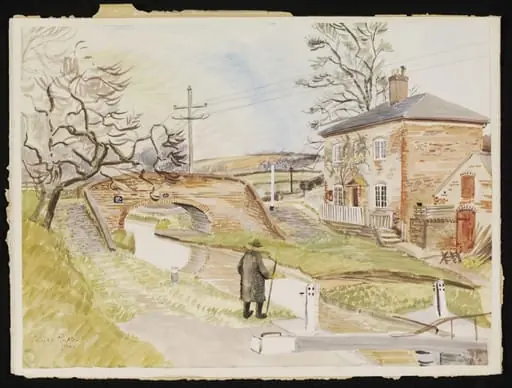
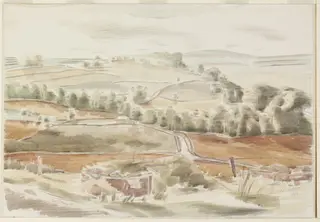
Ashopton, from the New Road is a watercolor work on paper by the Social Realist artist Rowntree. It dates from 1940 and is held in the collection of the Victoria and Albert Museum.
About this work
Overview
Ashopton, from the New Road is a watercolour painting created by Rowntree in 1940. It is part of the 'Recording Britain' collection, a project that documented culturally significant landscapes and buildings in England.
Subject & Meaning
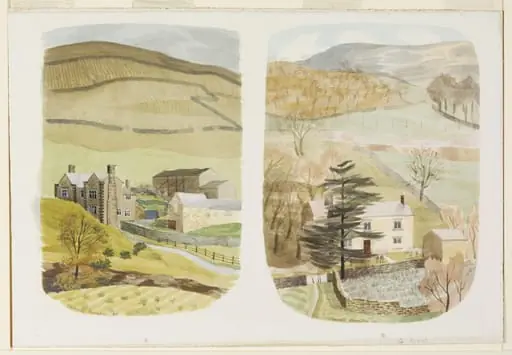
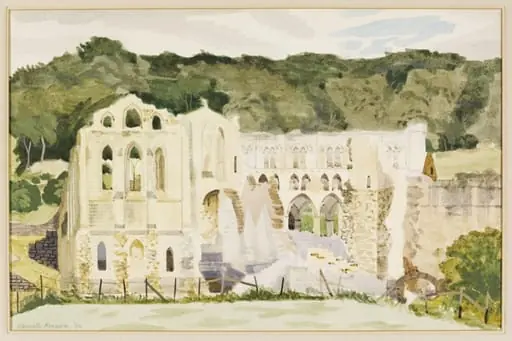
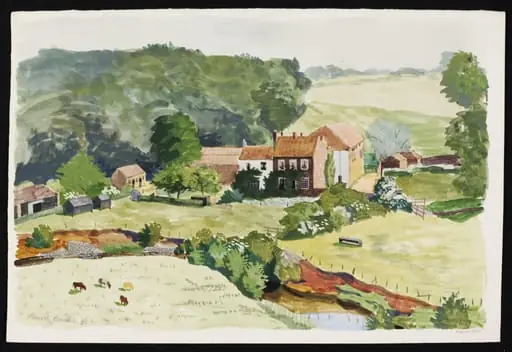
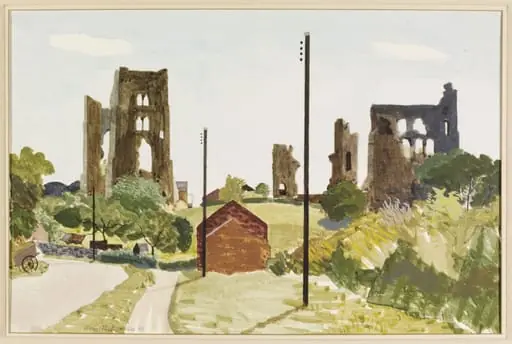
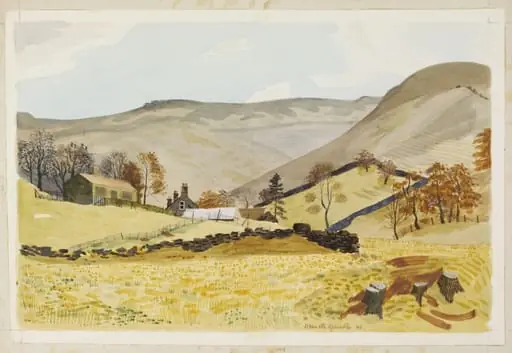
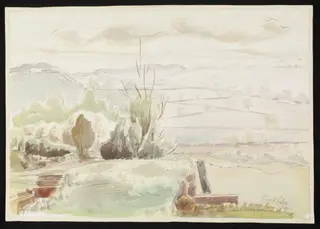
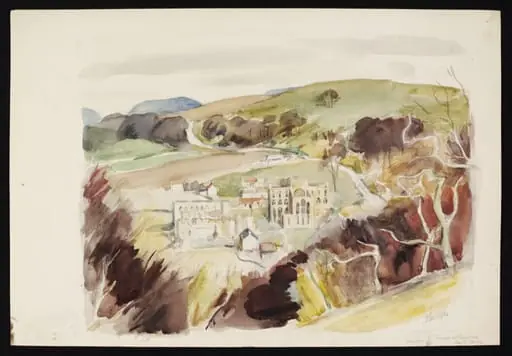
The painting depicts a serene rural scene with rolling hills, a winding road, and a small bridge over a stream. Bare trees line the path, capturing a moment in time when traditional rural life was under threat from industrial and social change.
Technique & Style
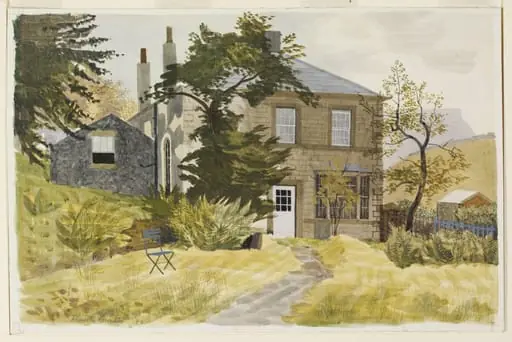
Rowntree employed loose, sketchy brushstrokes to convey the landscape's mood. The use of soft colours such as pale greens, yellows, and browns, set against a light sky, adds to the tranquil atmosphere of the scene.
History & Provenance
The painting was created as part of the 'Recording Britain' initiative, funded by the Pilgrim Trust and administered by the Committee for the Employment of Artists in Wartime, under the direction of Sir Kenneth Clark.
Context
The work reflects the project's focus on topographical scenes, documenting areas perceived as being at risk from wartime damage and rapid modernization.
Artist & collection