Artwork
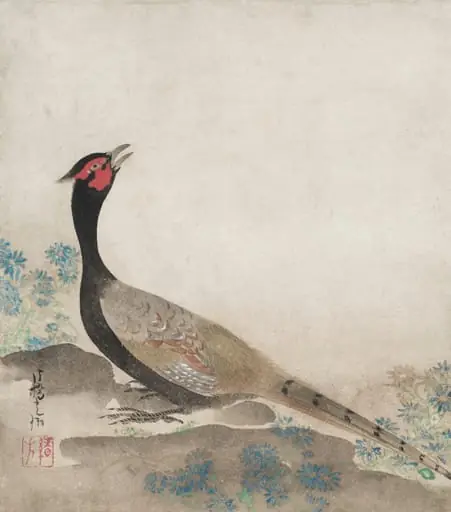
西園方済筆 梧桐下錦鶏図|Pheasant beneath Paulownia Tree
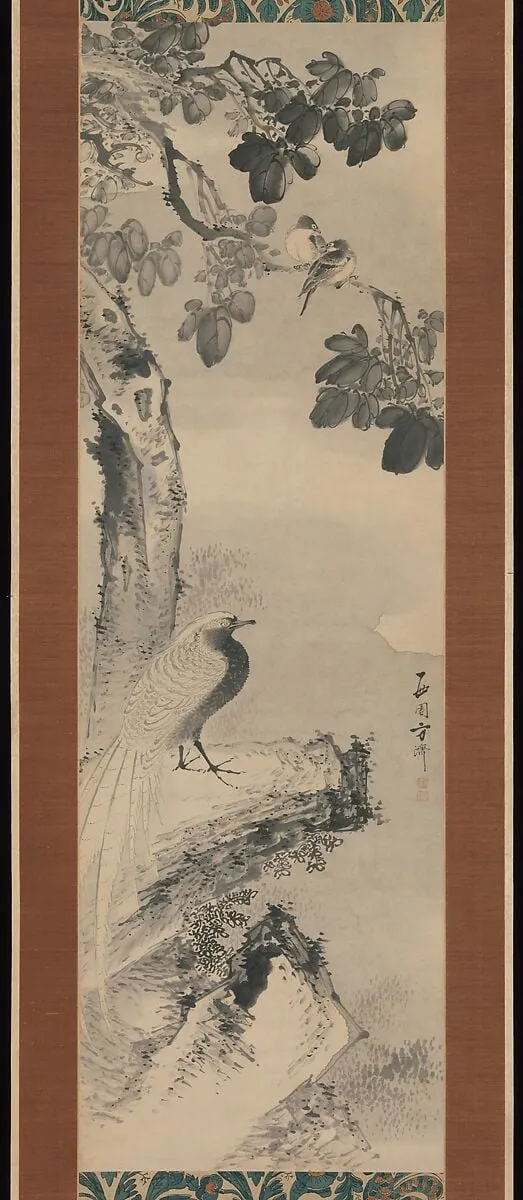
西園方済筆 梧桐下錦鶏図|Pheasant beneath Paulownia Tree is an ink painting by the Baroque artist Saien Hōsai. It dates from 1765 and is held in the collection of the Metropolitan Museum of Art.
About this work
Subject & Meaning
The work depicts a pheasant positioned beneath a tree, specifically identified as a paulownia tree in the title.
The work depicts a pheasant positioned beneath a tree, specifically identified as a paulownia tree in the title. As a hanging scroll executed in ink on paper, the composition focuses on these natural elements. The imagery of a pheasant and paulownia tree carries traditional symbolism in East Asian art, where the paulownia is often associated with nobility and high status, while the pheasant represents beauty and virtue.
Created in 1765 by Saien Hosai, the piece presents these subjects as the central focus of the visual narrative.
Technique & Style
Created in 1765 by Saien Hosai, this work is executed as a hanging scroll using ink on paper. The composition features a pheasant positioned beneath a paulownia tree, adhering to traditions within Japanese painting that emphasize naturalistic subjects. The vertical format, measuring approximately 97.8 cm in height and 30.9 cm in width, directs the viewer's eye along the trunk of the tree toward the bird.
The exclusive use of ink without apparent color suggests a focus on tonal variation and brushwork to define the textures of the foliage and the plumage of the pheasant.
History & Provenance
Pheasant beneath Paulownia Tree was created in 1765 by the Japanese painter Saien Hosai, known also by the Chinese reading Xiyua Fangqi. Executed as a hanging scroll in ink on paper, it depicts a pheasant perched beneath a paulownia tree and was produced in Japan during the mid-Edo period. The work is held in the collection of the Metropolitan Museum of Art in New York.
While the source confirms its presence in the museum's holdings and records its physical dimensions, no specific accession number or detailed exhibition history is provided in the available records.
Overview
Saien Hōsai’s hanging scroll, dated 1765, presents a solitary pheasant beneath a towering paulownia tree. Executed in monochrome ink on paper, the composition captures a quiet moment in the natural world, with the bird poised beneath branches laden with purple blossoms.
Artist & collection

Artist
Saien Hosai, known by the Chinese name Xiyua Fangqi, was a Chinese painter of the Qing dynasty who became known in Japan during the Edo period.

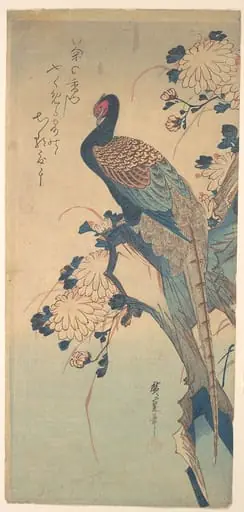
- 歌川広重画 菊に雉|Pheasant with Chrysanthemums
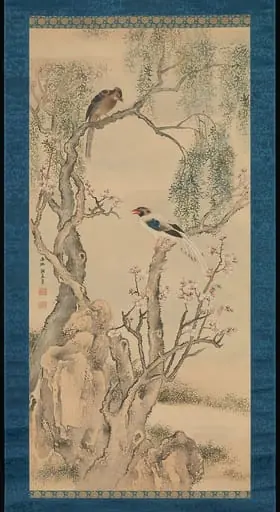 与謝蕪村筆 柳緑桃紅図|Birds in Willows and Blossoming Peach Tree
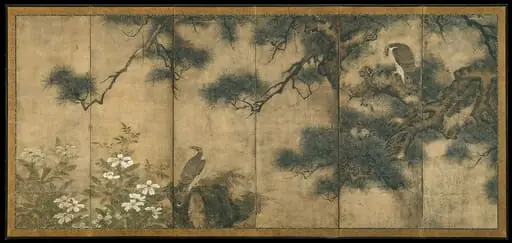 三谷等宿筆 伝三谷等宿筆 松と椿に鷹・柳と椿に小禽図屏風|Hawks with Pine Trees and Camellias; Small Birds with Willows and Camellias
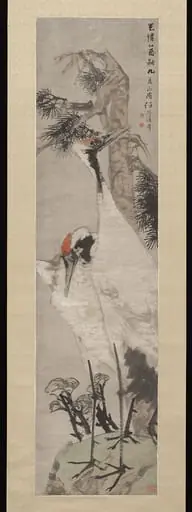 清 任頤 松鶴圖 軸|Cranes, Pine Tree, and Lichen
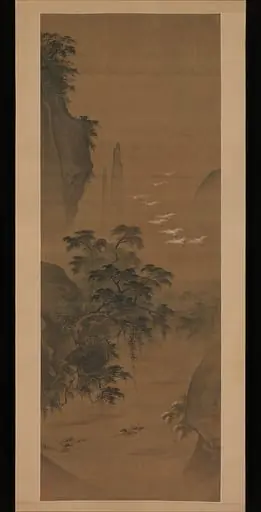 明 呂紀 秋景花鳥圖 軸|Autumn landscape with egrets and ducks
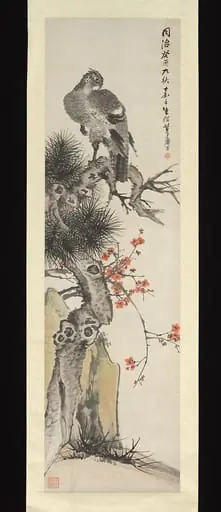 清 朱偁 松鷹圖 軸|Hawk, pine, plum, and rock
 Pheasant