Artwork
Benjamin Ives Gilman
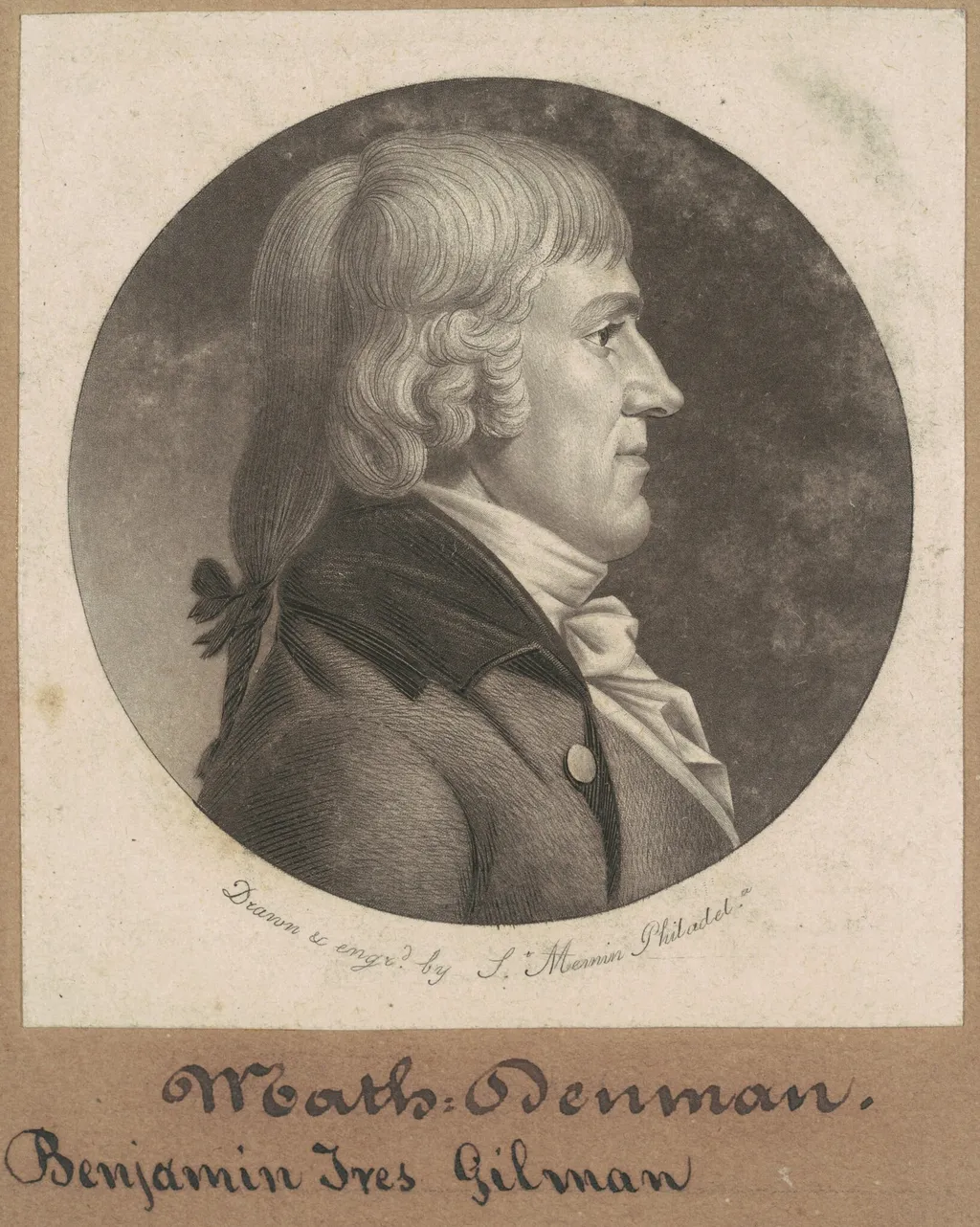
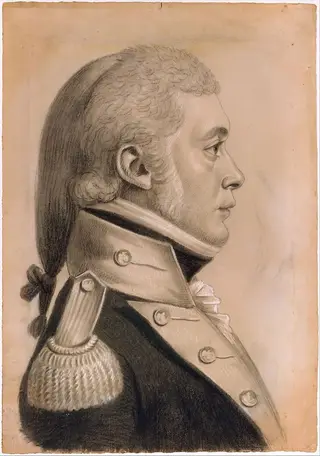
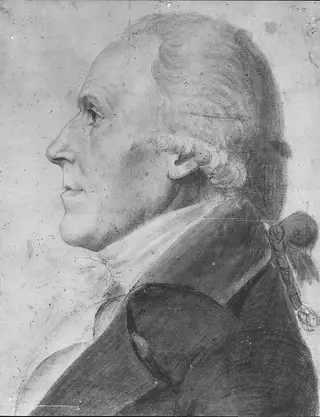
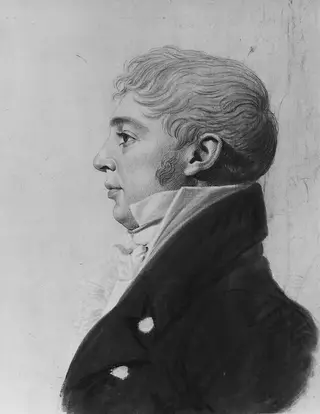
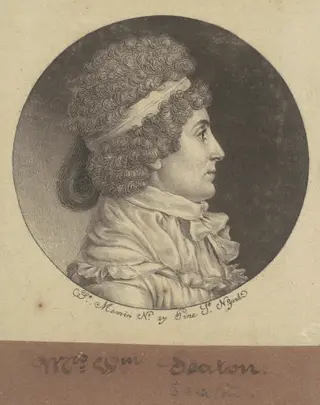
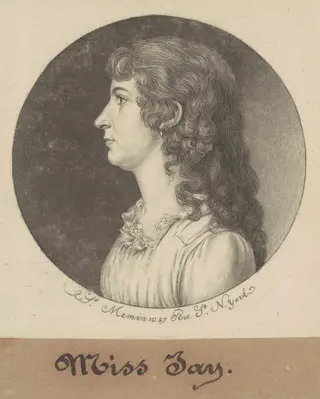
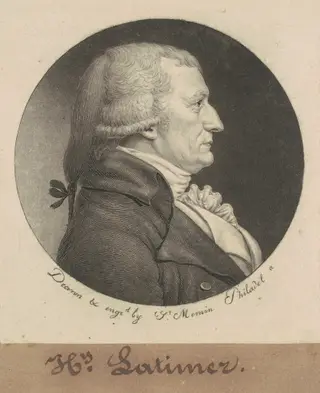
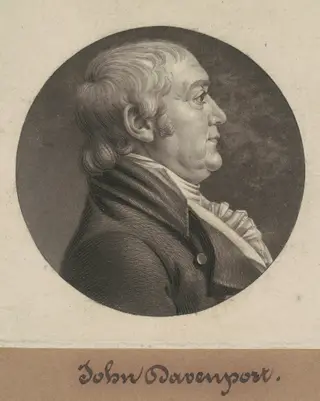
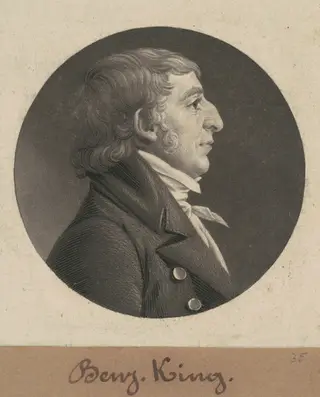
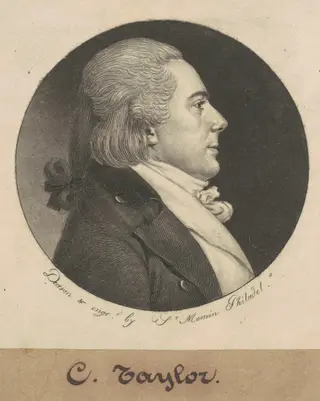
Benjamin Ives Gilman is an ink print by the Romanticist artist Charles B. J. Févret de Saint-Mémin. It dates from 1801 and is held in the collection of the National Gallery of Art.
- Inscription
- Inscribed:lower center in plate: Drawn & engrd. by St. Memin Philadela.; lower center mount in black ink by unknown hand: Math. Denman. / Benjamin Ives Gilman
About this work
Overview
This print is a portrait of Benjamin Ives Gilman, executed in mezzotint and engraving on wove paper, then mounted to a brown wove support.
This print is a portrait of Benjamin Ives Gilman, executed in mezzotint and engraving on wove paper, then mounted to a brown wove support. Created by Charles B. J. Févret de Saint-Mémin, it captures Gilman in a formal, seated profile, facing right. The work belongs to the Corcoran Collection, now held by the National Gallery of Art, and exemplifies early American portraiture through precise line work and tonal gradation.
Subject & Meaning
Benjamin Ives Gilman, a scholar and administrator, is depicted with restrained dignity, his short, tied-back hair and upright posture reflecting the era’s ideals of composure and intellectual seriousness. The profile view, common in neoclassical portraiture, emphasizes clarity of form over emotional expression, aligning the sitter with Enlightenment values of reason and order.
Technique & Style
Saint-Mémin employed mezzotint for subtle tonal transitions and engraving for sharp, linear definition, particularly in the coat’s texture and facial contours. The fine, controlled lines create a sense of precision and stillness. The use of black ink on light paper heightens contrast, while the mounting on brown paper adds warmth without distracting from the subject’s formality.
History & Provenance
The portrait was produced during Saint-Mémin’s time in the United States, where he made numerous likenesses of prominent figures. It entered the Corcoran Collection in the 19th century and was transferred to the National Gallery of Art following the Corcoran’s dissolution. Its preservation reflects its status as a documented example of early American printmaking.
Context
Saint-Mémin, a French émigré, brought European engraving techniques to the young American republic, catering to a growing class of civic leaders seeking formal portraiture. This work aligns with a broader trend of using print to disseminate images of public figures, bridging the gap between elite representation and emerging democratic culture.
Legacy
The portrait stands as a representative example of Saint-Mémin’s contribution to American visual culture, preserving the likenesses of key figures through meticulous craftsmanship. While not widely reproduced, it remains a reference point for understanding the intersection of European technique and American identity in the early 1800s.
Own this work as a print
Artist & collection
Artist
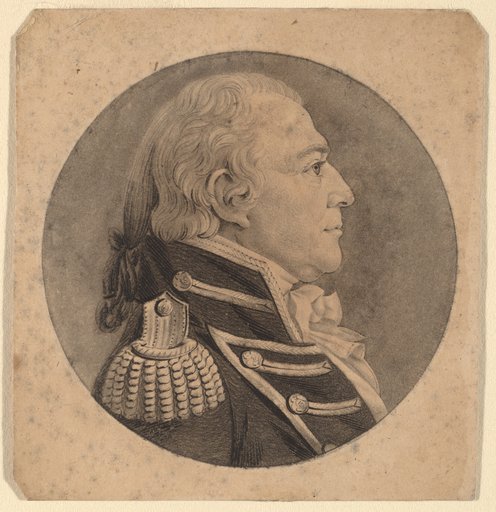
Charles B. J. Févret de Saint-Mémin
Charles Balthazar Julien Févret de Saint-Mémin (French pronunciation: ; 1770–1852) was a French portrait painter and museum director.