Artwork
James Stuart
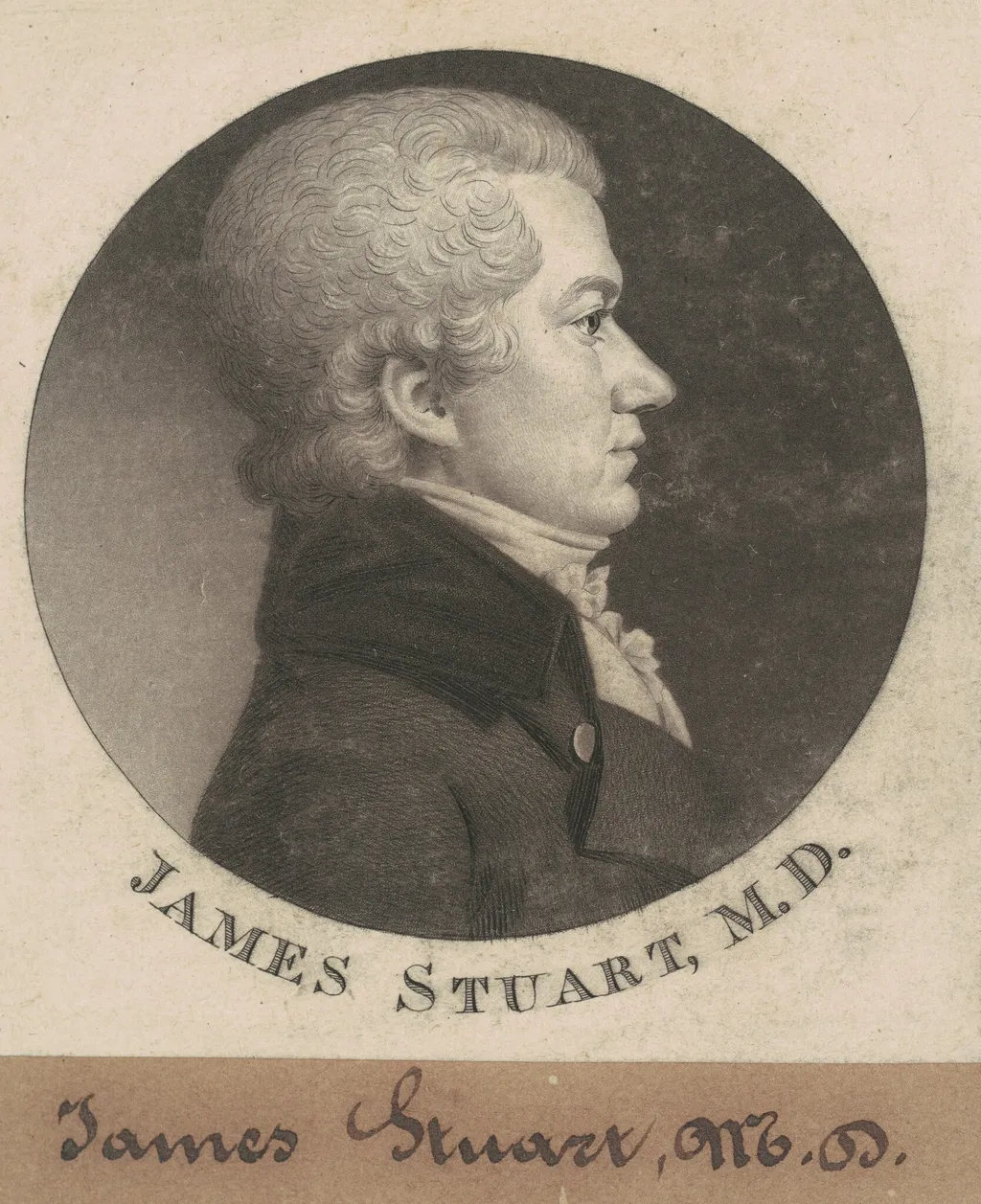
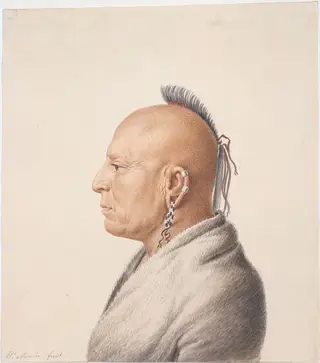
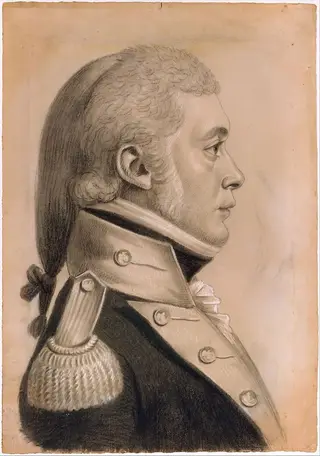
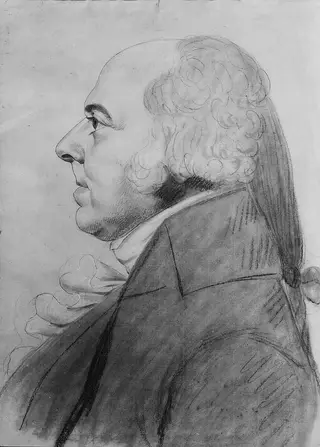
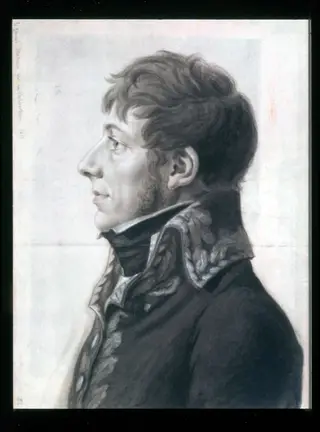
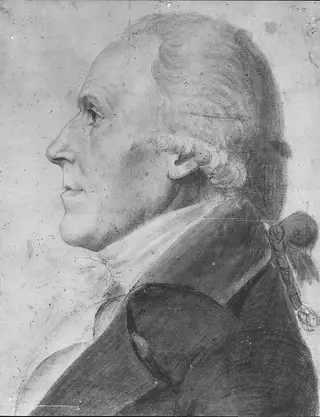
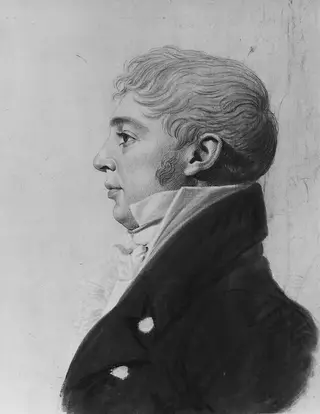
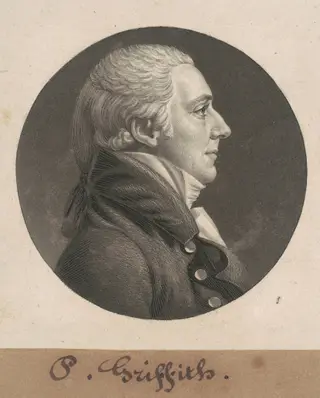
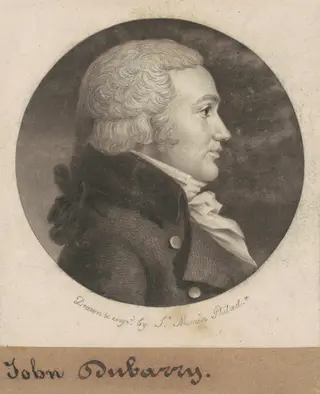
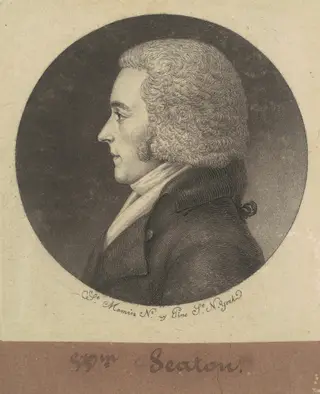
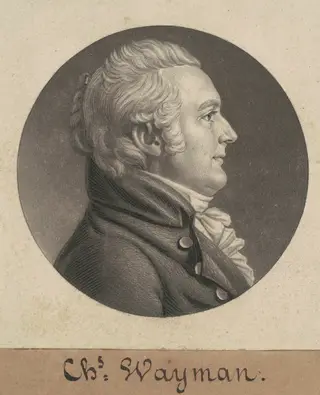
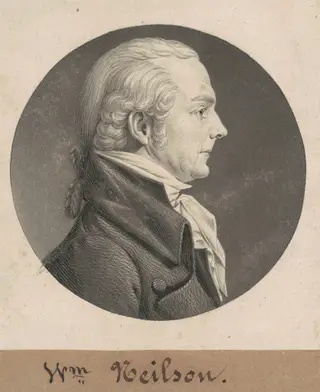
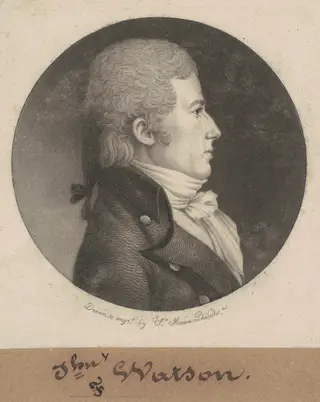
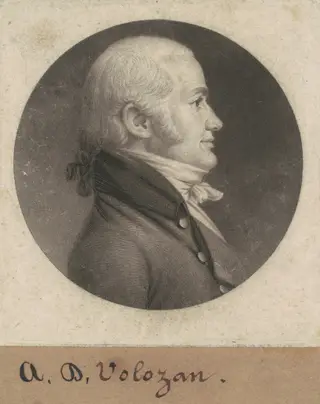
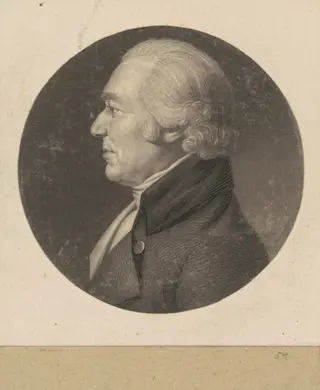
James Stuart is an ink print by the Romanticist artist Charles B. J. Févret de Saint-Mémin. It dates from 1802 and is held in the collection of the National Gallery of Art. This small print, measuring just over five centimeters square, is a mezzotint and engraving on wove paper, mounted to a brown wove support.
- Inscription
- Inscribed:lower center in plate: James Stuart, M.D.; lower center mount in black ink by unknown hand: James Stuart, M.D.
About this work
Overview
The work is a portrait print, produced through a labor-intensive process that combines the tonal richness of mezzotint with the precision of line engraving.
This small print, measuring just over five centimeters square, is a mezzotint and engraving on wove paper, mounted to a brown wove support. Created in 1802, it depicts James Stuart, a British architect and antiquarian, rendered in monochrome ink. The work is a portrait print, produced through a labor-intensive process that combines the tonal richness of mezzotint with the precision of line engraving.
Subject & Meaning
James Stuart, known for his scholarly work on Greek antiquities, is portrayed in formal attire, facing the viewer directly. His expression is composed, suggesting dignity and intellectual authority. The portrait does not include symbolic elements, focusing instead on the individual’s presence.
Its compact scale implies it was intended for private circulation or personal collection, reflecting the era’s interest in scholarly figures.
Technique & Style
The artist employed mezzotint to achieve subtle gradations of tone, enabling a nuanced rendering of light and shadow on Stuart’s face and clothing. Engraved lines add definition to details such as the collar and hair. Despite its miniature size, the print demonstrates remarkable clarity and depth, a testament to the technique’s capacity for fine detail. The surface is smooth, with no visible plate marks, suggesting careful printing and mounting.
History & Provenance
The print was made by Charles B. J. Févret de Saint-Mémin, a French-born artist active in the United States and known for his portrait engravings. It derives from a 1802 painting of Stuart, which Saint-Mémin translated into print form. The work likely circulated among intellectual circles in Britain and America, where Stuart’s architectural studies were influential. Its survival in good condition indicates careful preservation by collectors.
Context
In the early 19th century, mezzotint was widely used for portrait reproduction, especially among those seeking to disseminate images of notable individuals. Stuart’s prominence as a scholar of classical architecture made him a fitting subject. The print reflects a broader trend of using print media to honor intellectual contributions, paralleling the rise of learned societies and the publication of scholarly works during this period.
Legacy
This print remains a rare example of Saint-Mémin’s small-scale mezzotints, valued for its technical precision and historical subject. While not widely exhibited, it contributes to the understanding of how scholarly figures were visually represented in the early modern era. Its survival offers insight into the intersection of print technology, portraiture, and the cultural elevation of antiquarian study in the early 1800s.
Own this work as a print
Artist & collection
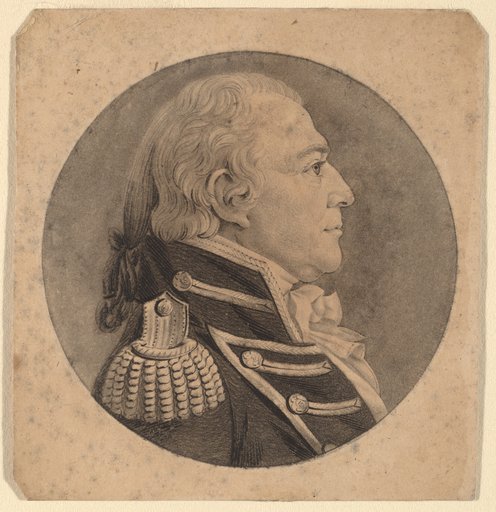
Artist
Charles B. J. Févret de Saint-Mémin
Charles Balthazar Julien Févret de Saint-Mémin (French pronunciation: ; 1770–1852) was a French portrait painter and museum director.