Artwork
Triptych of the Seasons: Cherry Blossoms
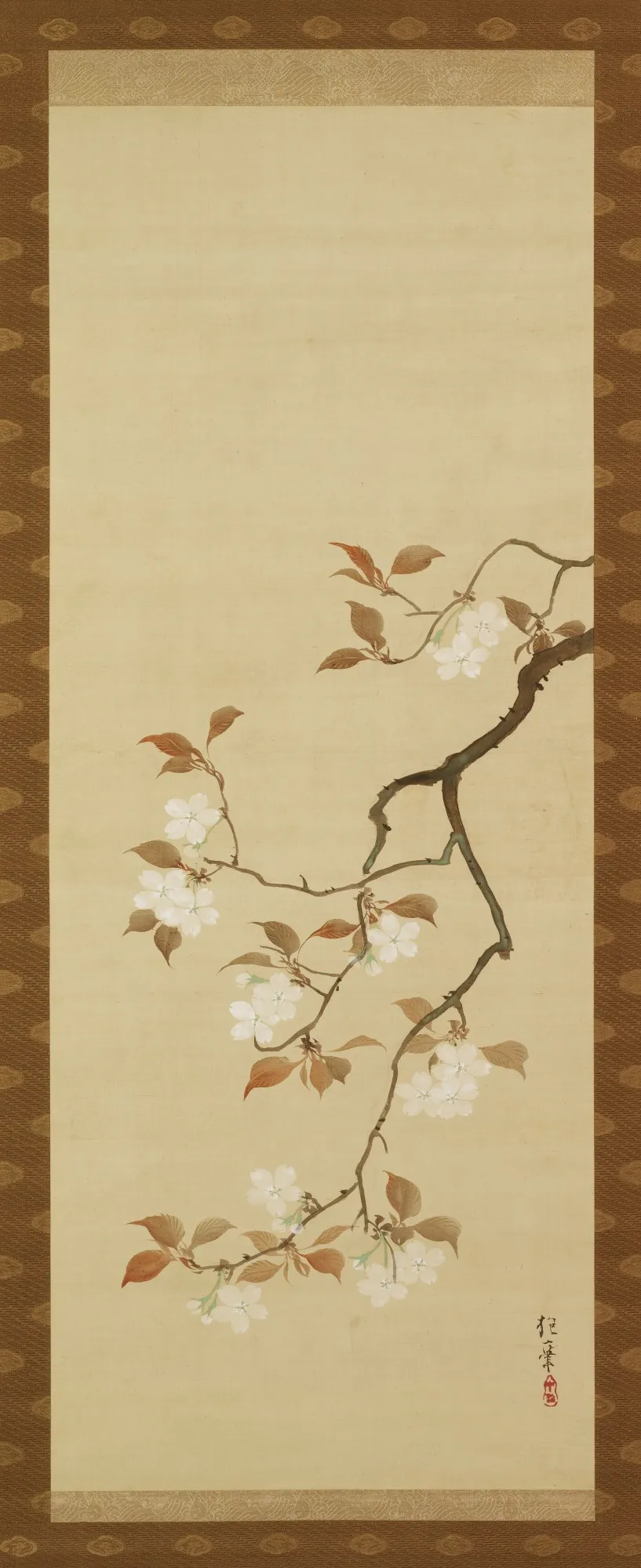
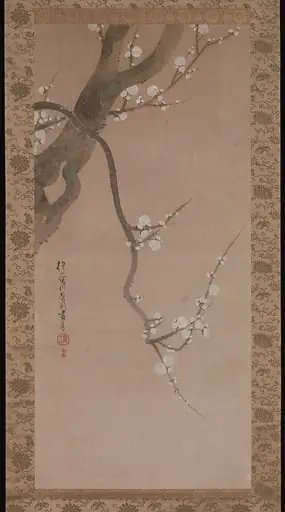
Triptych of the Seasons: Cherry Blossoms is an unspecified painting by the Rinpa school artist Sakai Hōitsu. It dates from 1804 and is held in the collection of the Detroit Institute of Arts.
About this work
Overview
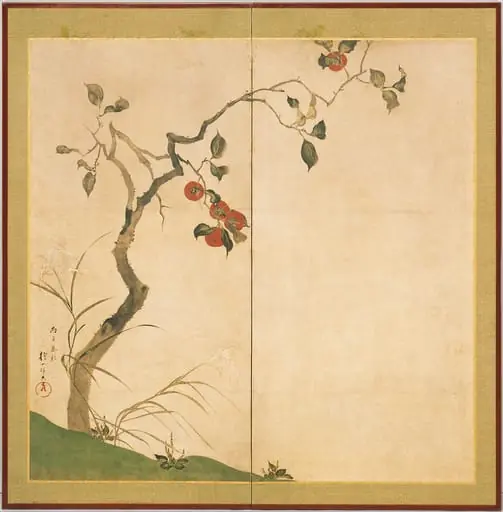
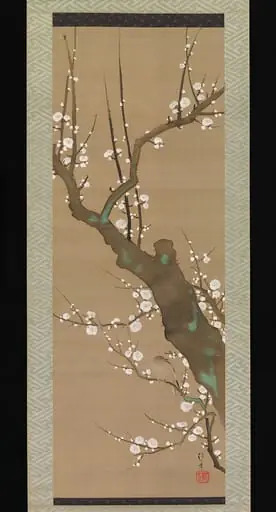
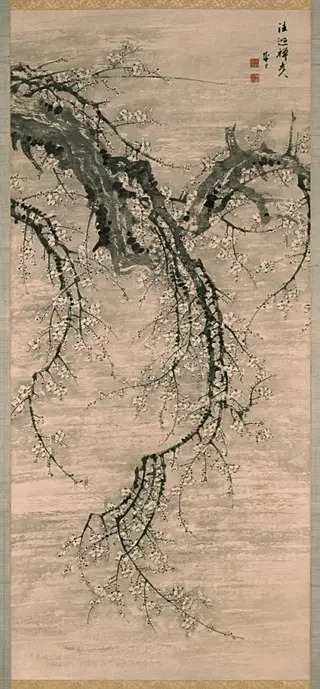
Created around 1804 by the Japanese painter Sakai Hōitsu, this work forms part of a three‑panel composition titled Triptych of the Seasons: Cherry Blossoms. Currently in the collection of the Detroit Institute of Arts, the image presented is a single panel that shows a slender branch bearing white blossoms and muted brown foliage set against a light, neutral ground.
Subject & Meaning
The panel captures the fleeting beauty of cherry blossoms, a motif traditionally linked to the transience of life in Japanese culture. The arrangement of clustered flowers and sparsely placed leaves suggests a moment of quiet observation, inviting contemplation of seasonal change and the delicate balance between growth and decay.
Technique & Style
Executed in the Rinpa tradition, the painting employs bold, flat areas of color and a decorative use of gold‑like background tones. Hōitsu’s brushwork delineates the branch with precise, flowing lines, while the blossoms are rendered with soft washes that convey a subtle luminosity, characteristic of his refined, decorative approach.
History & Provenance
The work dates to the early nineteenth century, a period when Hōitsu was revitalizing the Rinpa school’s aesthetic. After changing hands among private collectors, it entered the Detroit Institute of Arts’ holdings in the twentieth century, where it has been displayed as part of the museum’s Asian art collection.
Context
Sakai Hōitsu (1761–1828) was instrumental in reviving the Rinpa style, drawing inspiration from earlier masters such as Ogata Kōrin. This triptych aligns with his broader interest in seasonal themes, which he explored through multiple panels that together depict the progression of the year, integrating poetry and visual art.
Artist & collection