Artwork
Untitled
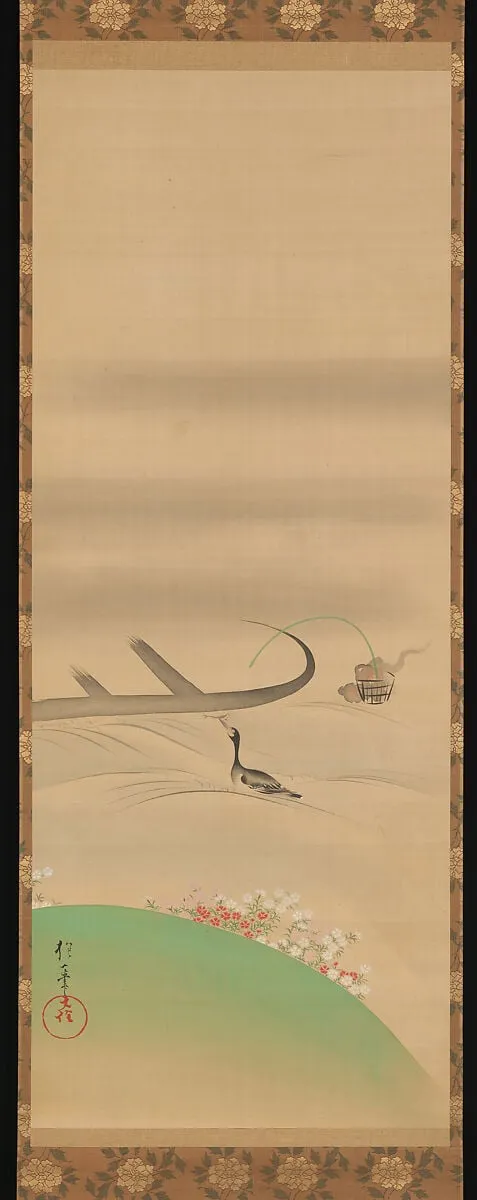
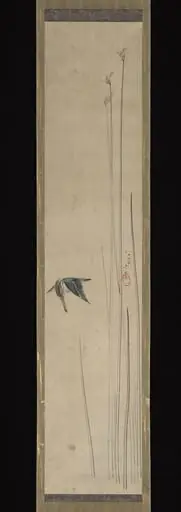
Untitled is an ink painting by the Romanticist artist Sakai Hōitsu. It dates from 1794 and is held in the collection of the Metropolitan Museum of Art.
About this work
Subject & Meaning
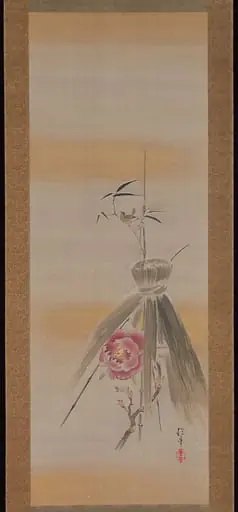
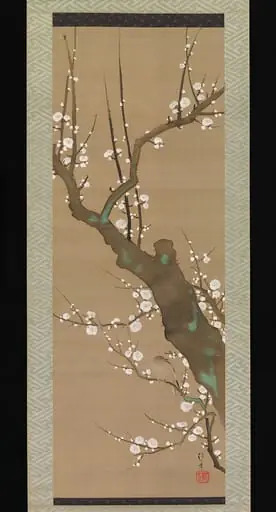
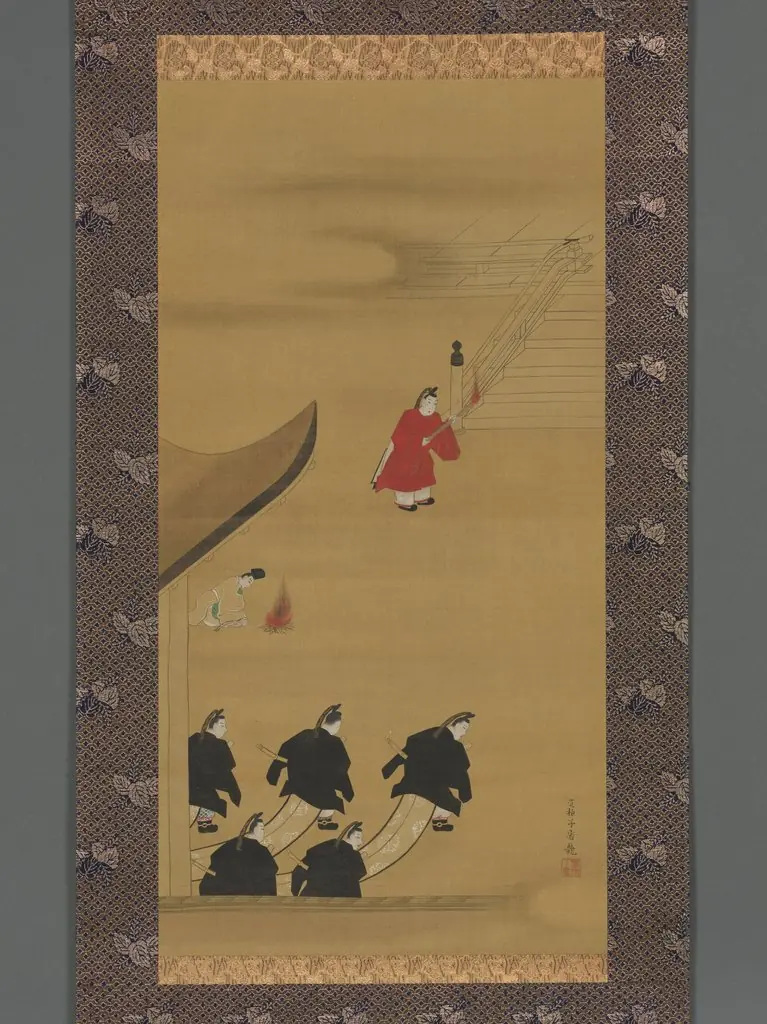
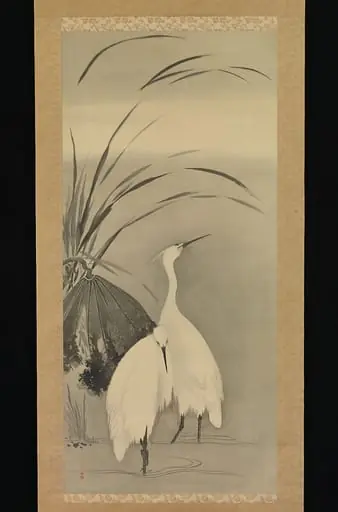
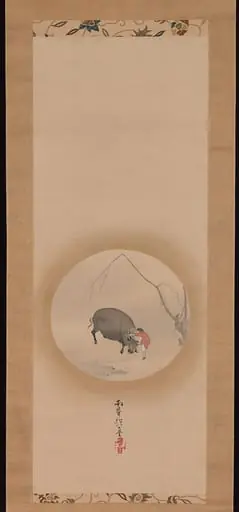
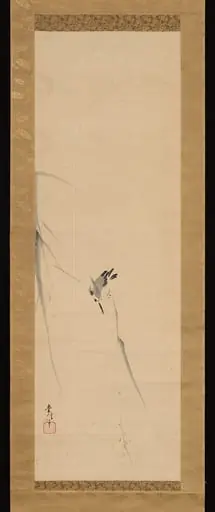
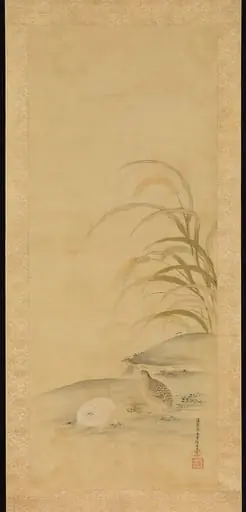
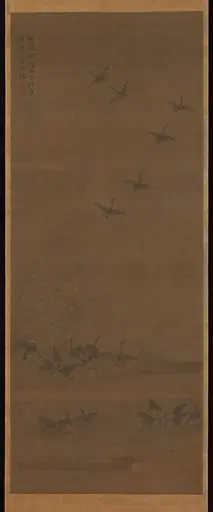
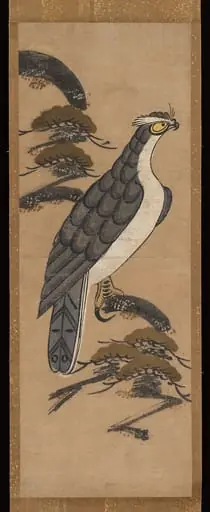
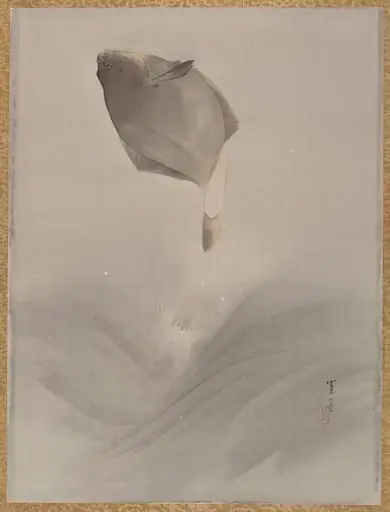
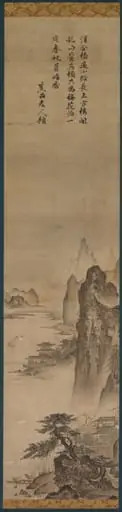
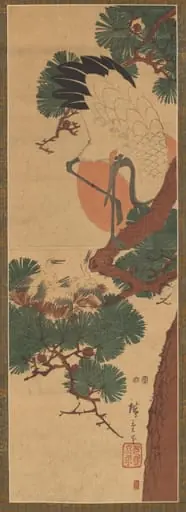
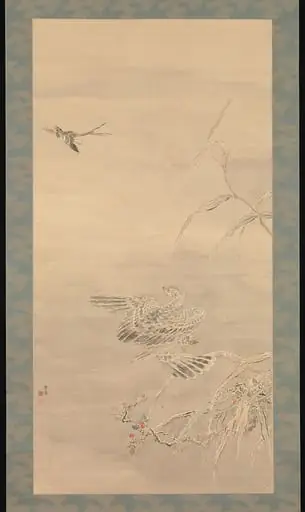
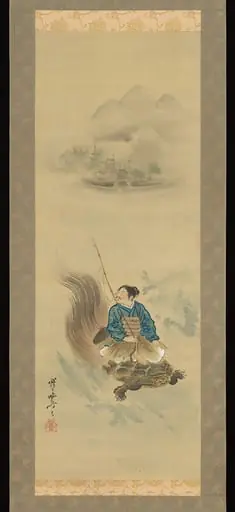
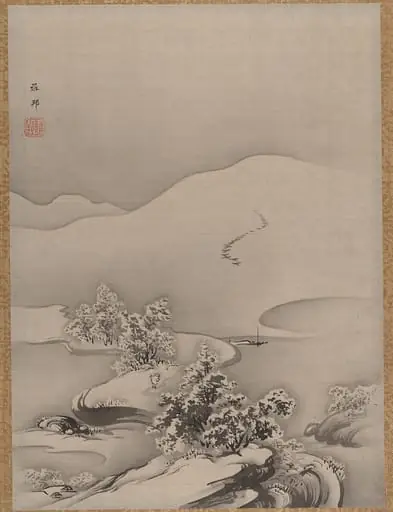
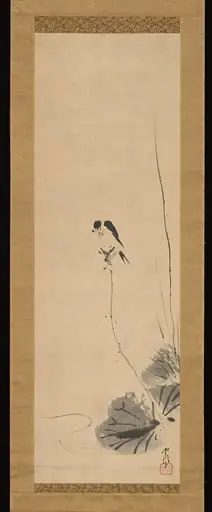
Sakai Hōitsu's 1794 hanging scroll, Untitled, is a landscape work that depicts a scene integrating birds, flowers, and fishing activities.
Sakai Hōitsu's 1794 hanging scroll, Untitled, is a landscape work that depicts a scene integrating birds, flowers, and fishing activities. The composition combines natural elements with human interaction, presenting a serene environment where avian life and floral motifs coexist with the act of fishing. As a landscape painting, the work represents a harmonious intersection of nature and daily life, utilizing traditional ink and color on silk to render these specific subjects.
Technique & Style
Created in 1794, this hanging scroll by Sakai Hōitsu is executed in ink and color on silk. The work measures 119.4 cm in height and 48.3 cm in width. Stylistically, the painting functions as a landscape composition that incorporates specific natural motifs, including birds, flowers, and scenes of fishing.
History & Provenance
The painting was created in 1794 by Sakai Hōitsu in Japan. Executed on a hanging scroll with ink and color on silk, it depicts a landscape featuring birds, fishing, and flowers. The work has been part of the Metropolitan Museum of Art's collection, where it is currently located. No commissioning patron or intermediate ownership history is documented in the available sources.
Overview
Sakai Hōitsu's Untitled, created in the early 1800s, is a hanging scroll rendered with ink and color on silk. This painting presents a serene landscape featuring a small bird perched on a willow branch, delicate pink flowers, and a lone fisherman navigating a stream in his boat. The composition evokes a sense of stillness and quiet observation, characteristic of the artist's approach to nature.
Context
This work was produced during the early 1800s, a period when Japan maintained a policy of national isolation, largely limiting contact with foreign nations. Within this context, artists like Hōitsu often focused on indigenous themes and traditional aesthetics. The painting's introspective quality and focus on the subtle beauty of the Japanese landscape may reflect the cultural environment of the era.
Artist & collection