Artwork
White-Robed Kannon
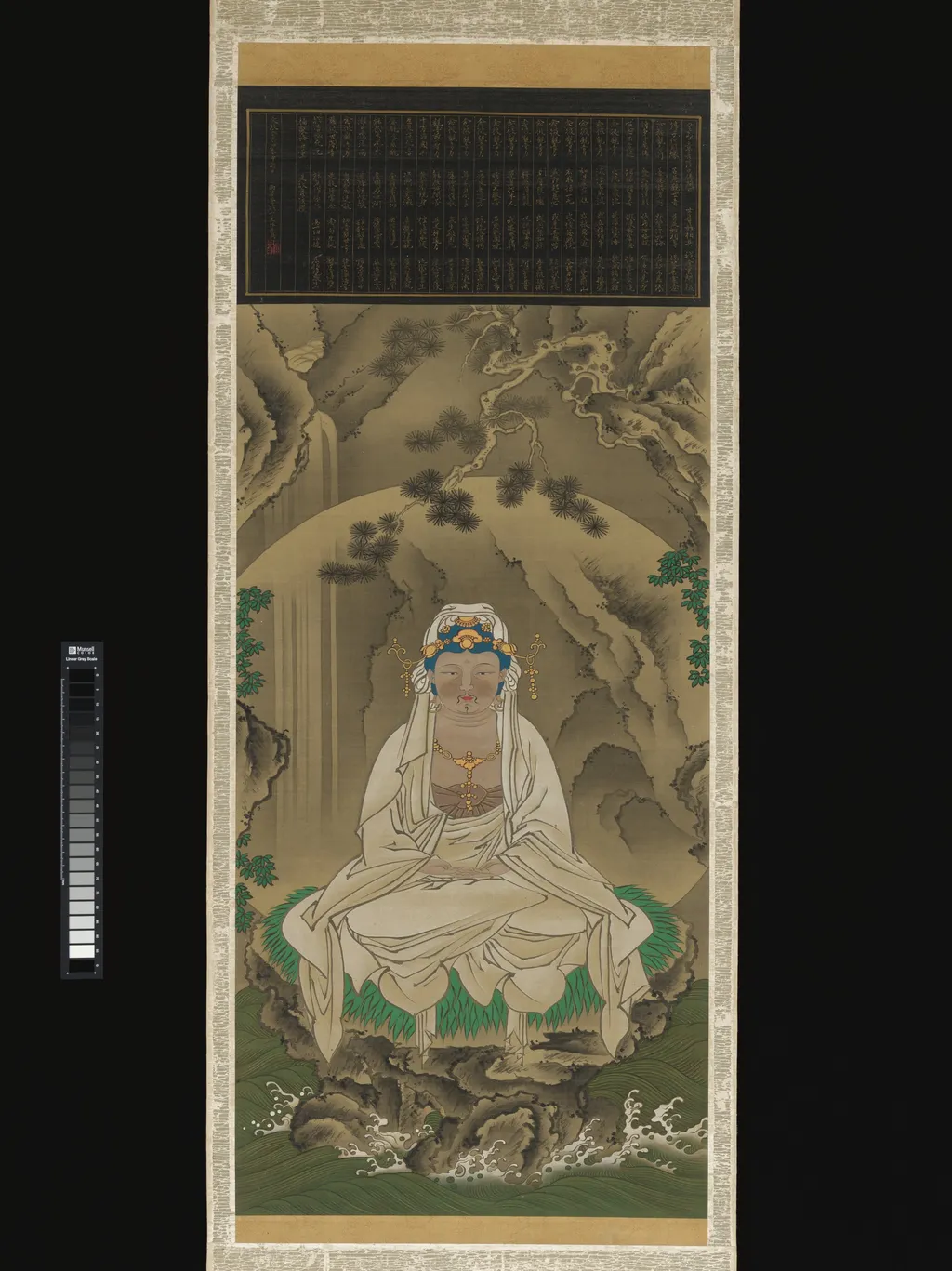
White-Robed Kannon is an unspecified painting by the Rinpa school artist Sakai Hōitsu. It dates from 1823 and is held in the collection of the Metropolitan Museum of Art.
About this work
Subject & Meaning
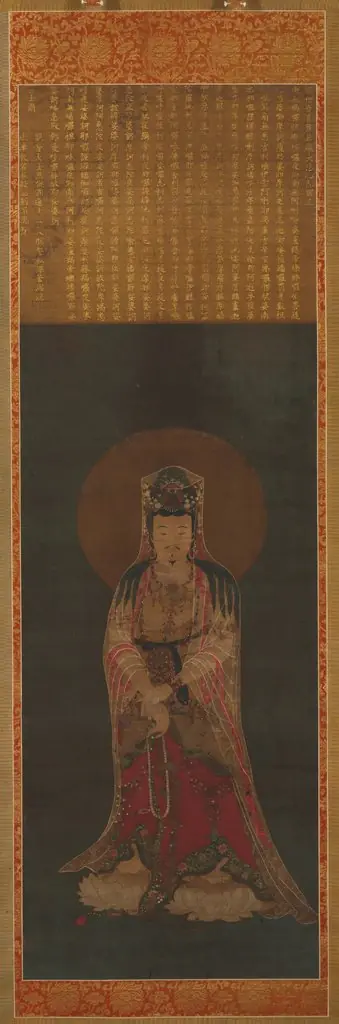
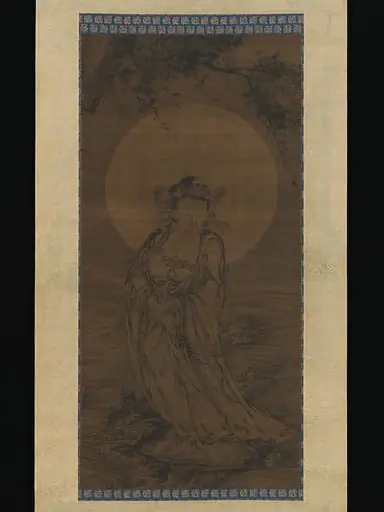
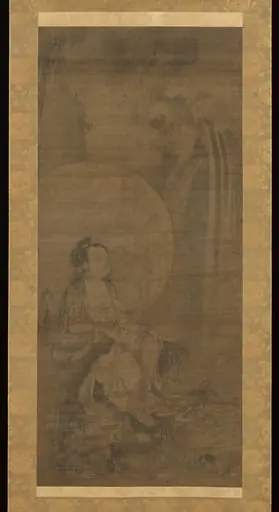
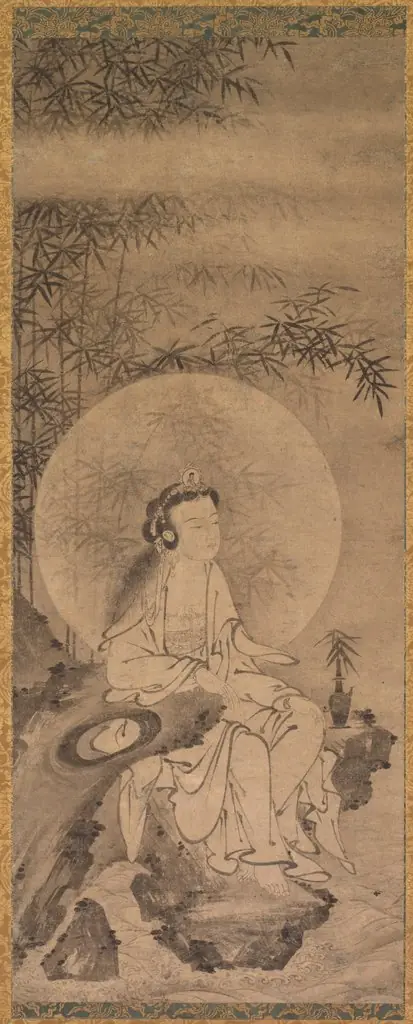
White-Robed Kannon by Sakai Hōitsu depicts the bodhisattva Avalokiteśvara, known in East Asian devotion as Kannon, the compassionate savior figure who embodies mercy and the vow to liberate suffering beings. Rendered in white robes, the figure conforms to the iconographic tradition of Byakue Kannon (White-Robed Kannon), in which the bodhisattva is shown in flowing white garments symbolising purity, compassion, and spiritual cleansing. The painting visualises Avalokiteśvara's role as an intercessor for those in distress, with the white drapery serving as the central symbolic motif linking the figure to centuries of East Asian Buddhist iconography.
History & Provenance
White-Robed Kannon was created by the Japanese artist Sakai Hōitsu in 1823, during the late Edo period, and depicts the Bodhisattva Avalokiteśvara. The work is held in the collection of the Metropolitan Museum of Art. No specific commissioning details, prior ownership records, or exhibition history are documented in the available sources.
Overview
This work portrays the bodhisattva, a figure embodying compassion, in a characteristic white robe, seated above a dramatic coastal landscape.
Sakai Hōitsu's painting, White-Robed Kannon, created in 1823, presents a serene depiction of Avalokiteśvara, known in Japan as Kannon. This work portrays the bodhisattva, a figure embodying compassion, in a characteristic white robe, seated above a dramatic coastal landscape. The artwork is part of the collection at The Metropolitan Museum of Art, offering a glimpse into early 19th-century Japanese Buddhist art.
Technique & Style
Hōitsu employs a refined aesthetic, characterized by soft, muted colors, predominantly whites, greens, and earthy browns, to create a contemplative atmosphere. The careful brushwork defines the delicate folds of the white robe and the intricate details of the figure's adornments. The composition contrasts the gentle, ethereal presence of Kannon with the dynamic, natural elements of dark, pine-dotted mountains and crashing waves below, highlighting the figure's spiritual detachment.
Own this work as a print
Artist & collection