Artwork
Untitled
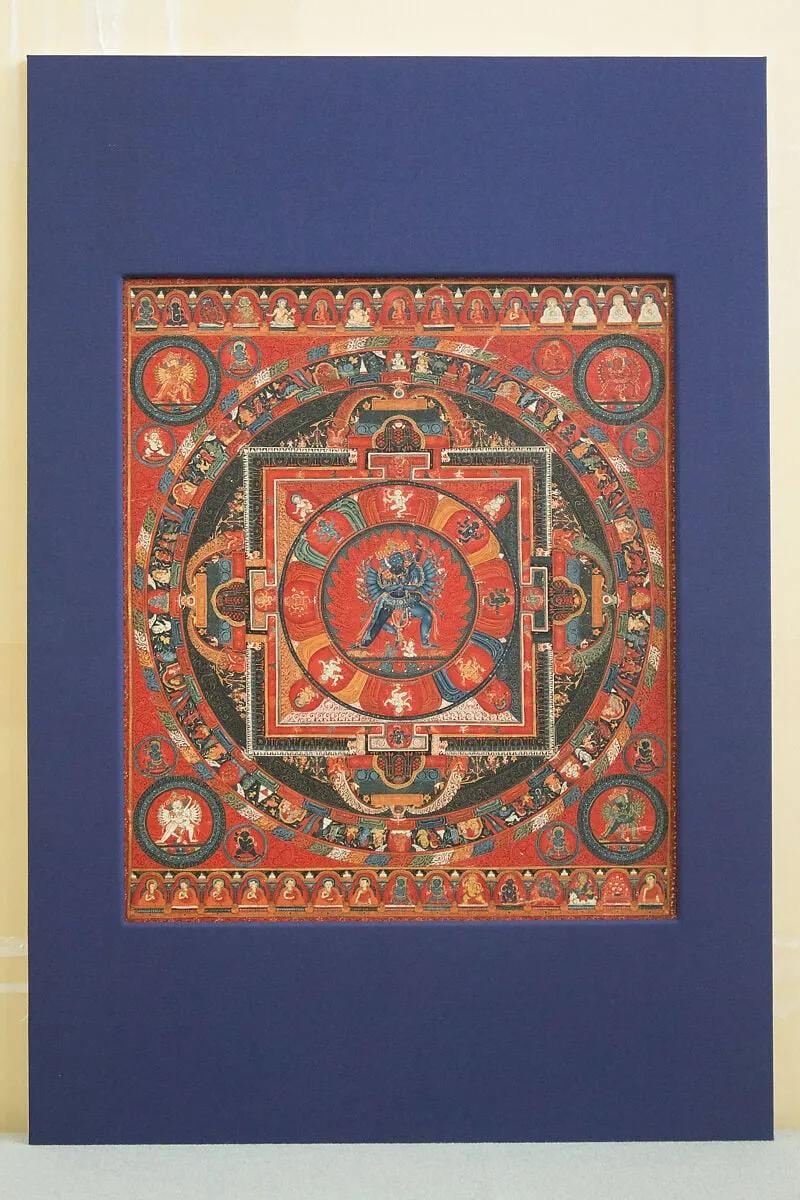
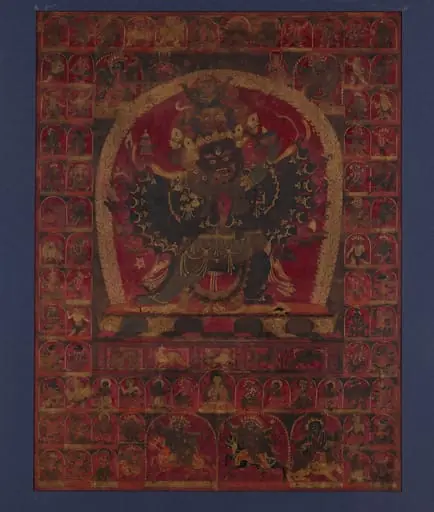
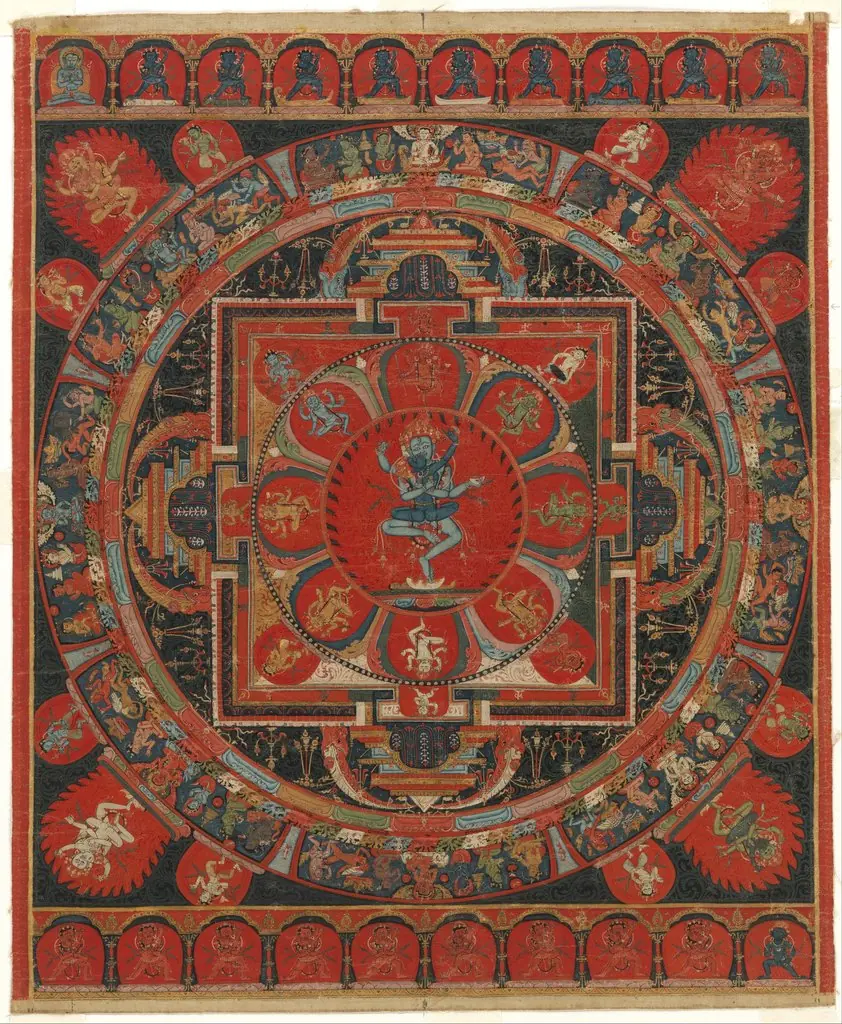
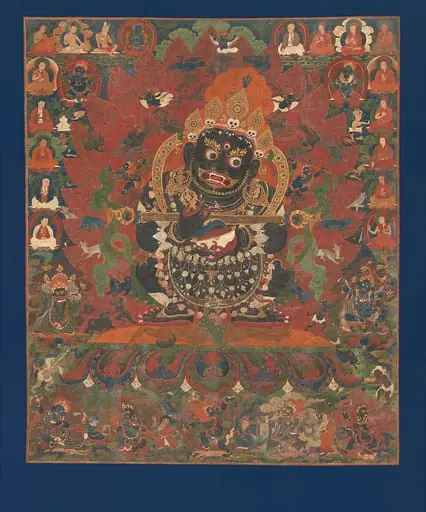
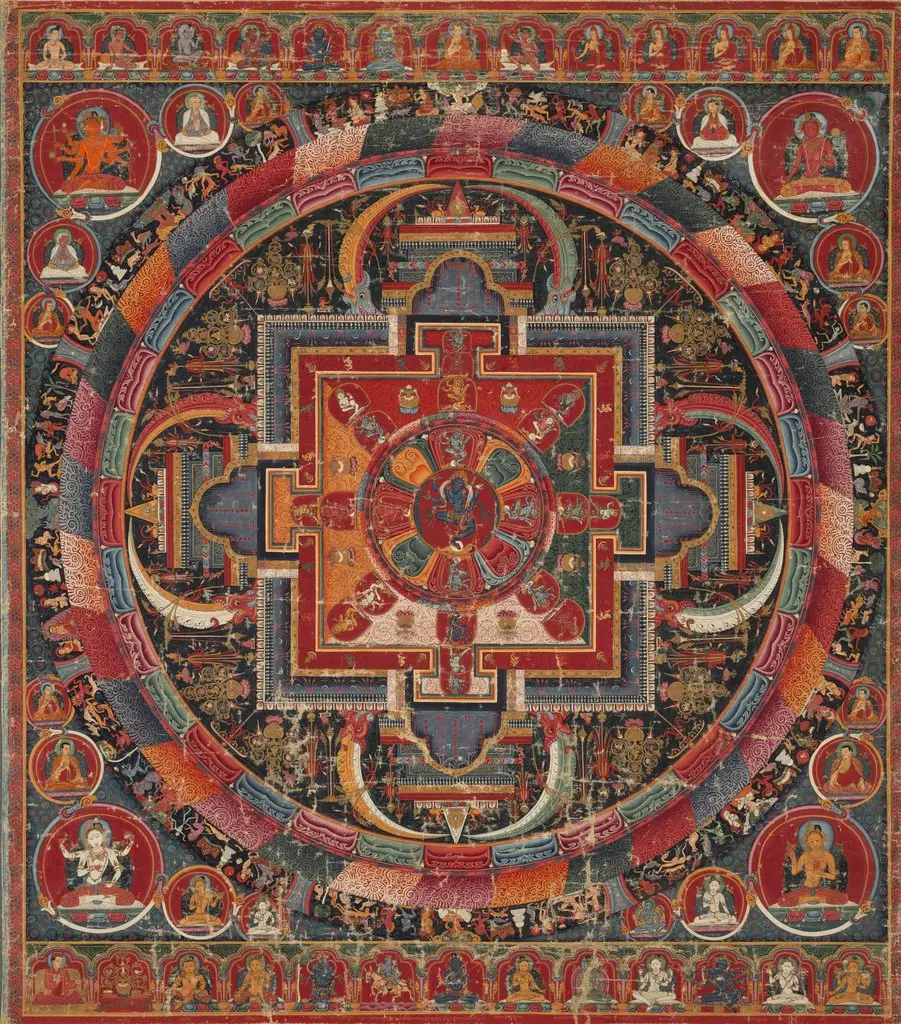
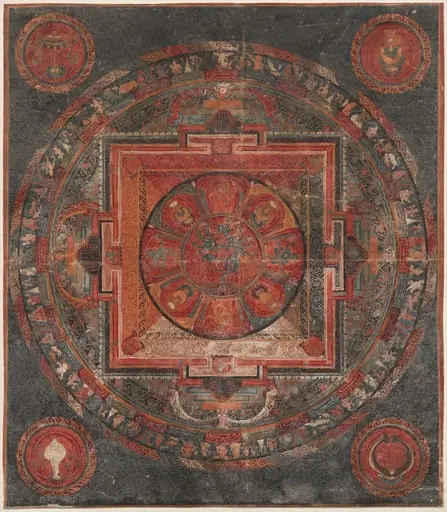
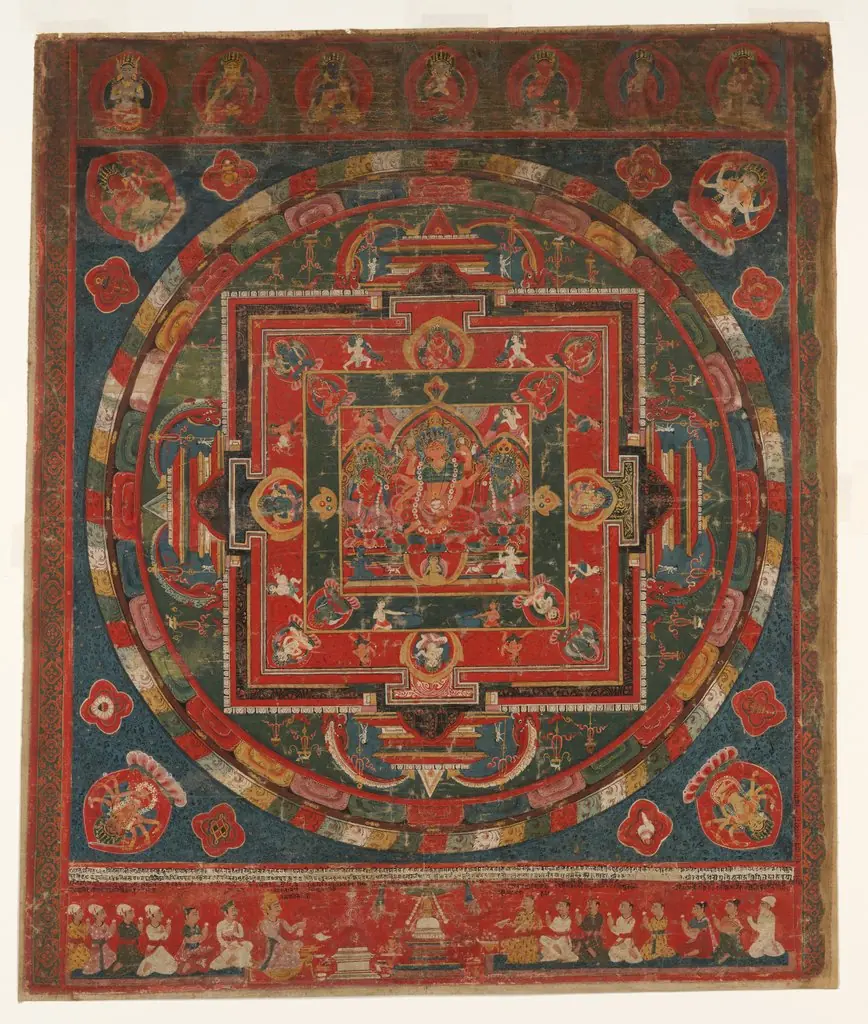
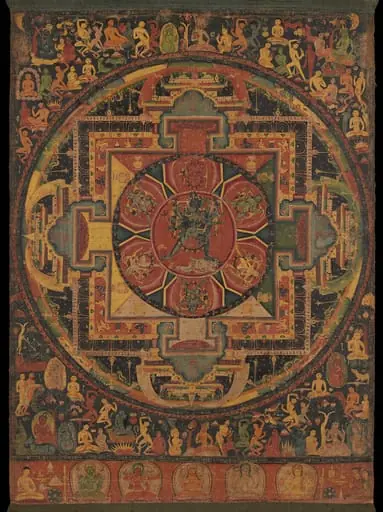
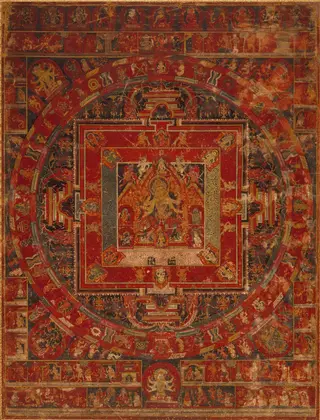
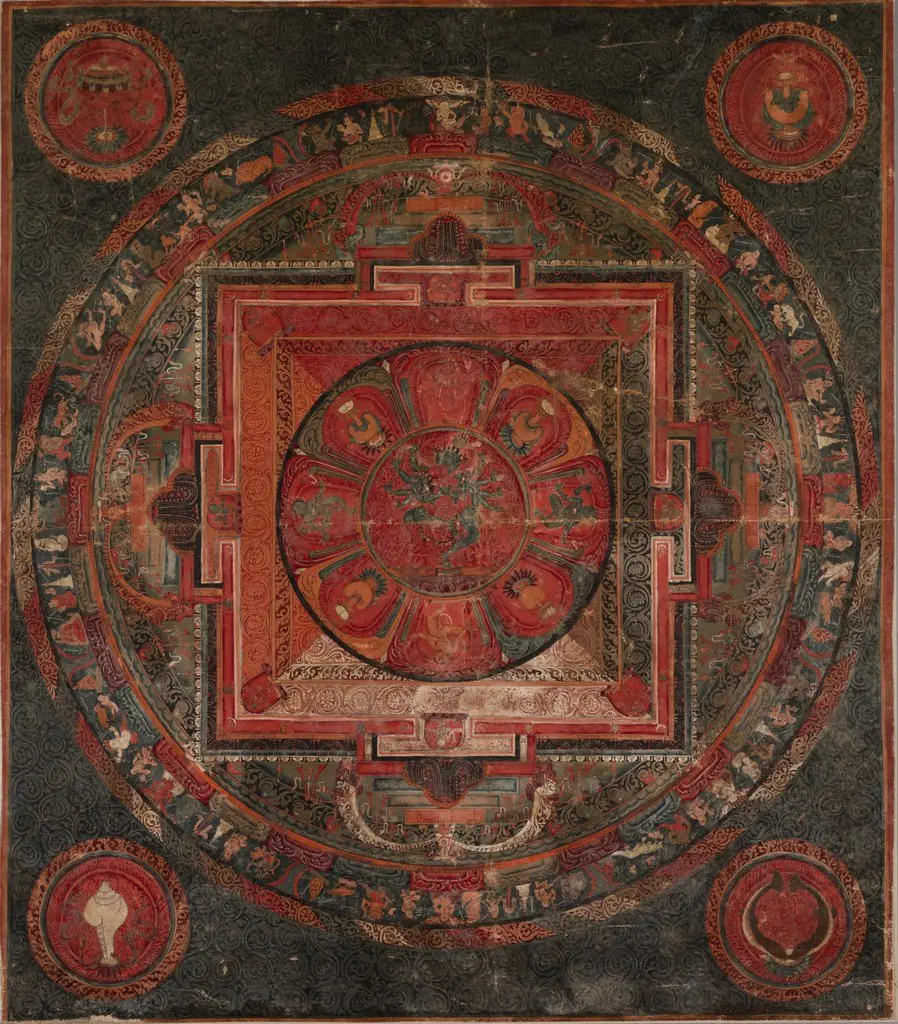
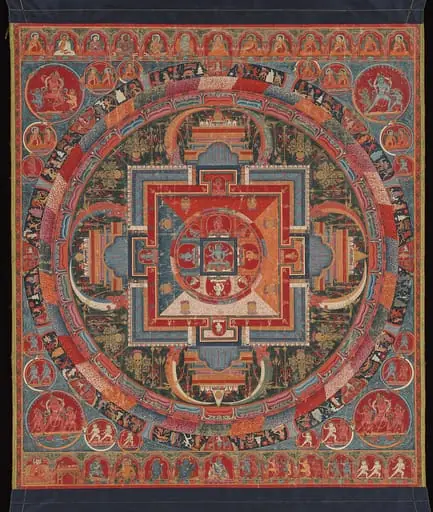
Untitled is an ink painting. It dates from 1549 and is held in the collection of the Metropolitan Museum of Art.
About this work
Subject & Meaning
As a religious work, it functions symbolically to embody core Buddhist teachings and to serve devotional purposes within its original context.
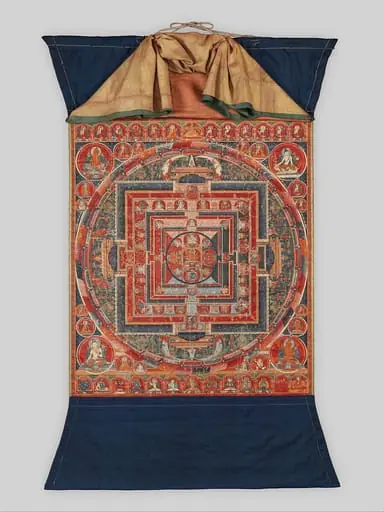
The painting, executed in 1549 by the Sakya School, portrays a Buddhist deity rendered in ink and color on cloth. Its iconography situates the figure within the broader Buddhist pantheon, emphasizing spiritual authority and divine presence. As a religious work, it functions symbolically to embody core Buddhist teachings and to serve devotional purposes within its original context.
The depiction aligns with the genre of religious painting, reflecting the ritual and theological concerns of the period. This synthesis draws on documented details of the artwork’s subject and meaning from the provided sources.
Technique & Style
Created in 1549 by the Sakya School, this religious painting is executed in ink and color on a cloth support. The work functions as a thangka-style depiction of Buddhist deities, adhering to traditional iconographic conventions of the period. The medium combines liquid ink for linear definition with applied pigments to render the divine figures and associated elements.
Measuring 54.0 centimeters in height and 45.6 centimeters in width, the vertical format is typical for devotional images intended for display or ritual use. The surface condition and handling reflect the standard techniques of Tibetan painting schools, where cloth is prepared to receive layered mineral and organic colors. Stylistically, the piece emphasizes spiritual representation through precise brushwork and symbolic composition, characteristic of the Sakya tradition's approach to sacred imagery.
History & Provenance
The work titled Untitled was produced in 1549 by the Sakya School of Tibetan painting, employing ink and color on cloth to depict a Buddhist deity. Its creation is documented through stylistic analysis and dated to the mid‑16th century, matching the inception date recorded for the piece. The painting entered the collection of the Metropolitan Museum of Art, where it has remained since acquisition, and no earlier ownership records or documented commissions have been identified.
Consequently, the provenance chain is limited to its modern custodianship by the museum, with the artist’s workshop regarded as the point of origin.
The 1549 ink and color painting on cloth titled Untitled, attributed to the Sakya School, is held in the collection of the Metropolitan Museum of Art. While the work is confirmed to be located at this institution, the provided records do not specify a particular inventory or accession number. Furthermore, although the piece is part of the museum's holdings and depicts Buddhist deities, no specific exhibition history or past showings are documented in the available sources.
Context
The untitled painting attributed to the Sakya School exemplifies the integration of Buddhist iconography within 16th‑century Tibetan artistic practice. Scholars note that its composition and stylistic choices illustrate the School’s role in disseminating devotional imagery across Himalayan cultures, marking a pivotal phase in the development of religious painting in the region. The work’s depiction of a Buddhist deity aligns with contemporary ritual requirements and has been cited in studies of how Tibetan ateliers balanced iconometric precision with expressive naturalism.
As a documented example of the period’s religious genre, it informs broader narratives about the evolution of Buddhist visual culture in the early modern era.
Legacy
The painting's inclusion in the Metropolitan Museum of Art's collection has positioned it as a reference point for the study of Sakya School religious art, allowing scholars to examine its stylistic traits and iconography within the broader context of 16th‑century Tibetan Buddhist painting; its presence in a major public institution has contributed to renewed scholarly attention and exhibitions that highlight the Sakya School's role in the development of Himalayan visual culture. Documentation of its creation date, dimensions, and medium in the museum records underscores its significance as a surviving example of the period's devotional works.
Overview
This untitled painting, executed in ink and color on cloth in 1549, originates from the Sakya School of Tibetan Buddhism. It serves as a religious image, central to meditation practices within a monastic setting. The artwork features a prominent deity, rendered with specific iconographic details, intended to aid spiritual focus.
Artist & collection