Artwork
Drawing the Eel
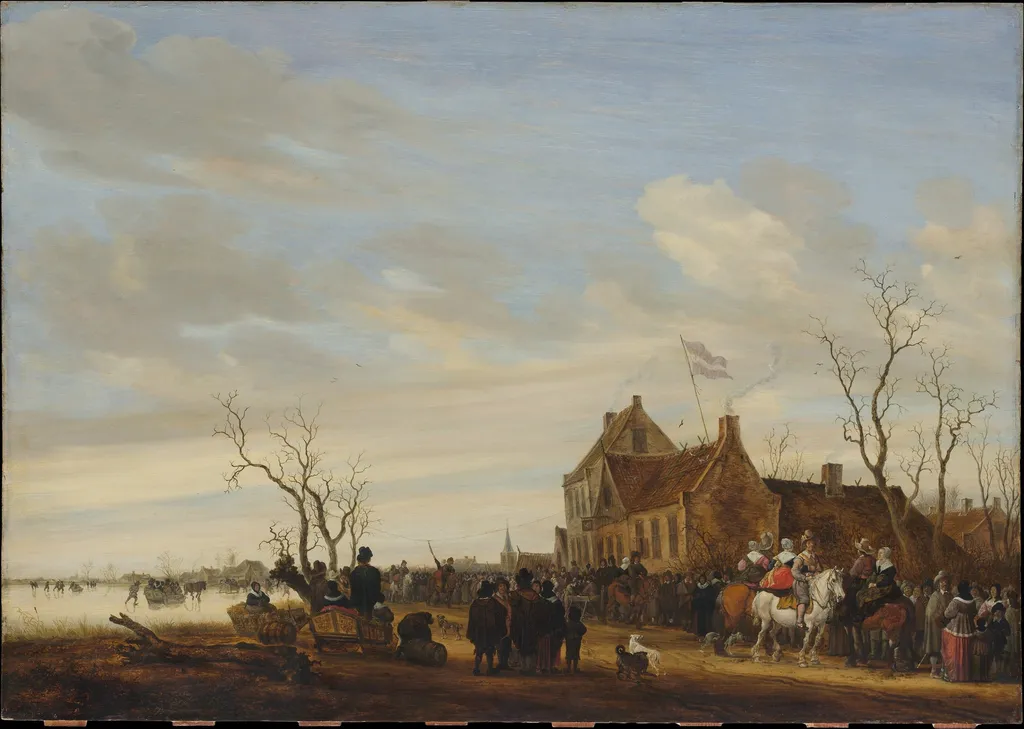
Drawing the Eel is an oil painting by the Dutch Golden Age artist Salomon van Ruysdael. It dates from 1650 and is held in the collection of the Metropolitan Museum of Art.
About this work
An oil on wood by the Dutch painter Salomon van Ruysdael, dated around 1650. It shows palingtrekken, or eel pulling, a traditional Dutch festival. Historian Walter Liedtke called it one of the finest paintings the museum acquired when it first opened.
Subject & Meaning
The composition also includes an equestrian figure, situating the activity within a broader winter village gathering.
Drawing the Eel portrays a traditional Dutch winter festival pastime known as palingtrekken, or "eel pulling," in which mounted riders attempt to snatch an eel strung from a line. The scene is set in a mid-seventeenth-century village, with a crowd of men and women gathered around a structure, presumed to be an inn, watching children participate in the game. The composition also includes an equestrian figure, situating the activity within a broader winter village gathering.
By documenting this seasonal custom, van Ruysdael preserves a recognizable element of Dutch communal life, while the painting's expansive sky, occupying roughly two-thirds of the panel, and its vivid blue palette lend the everyday subject a heightened atmospheric presence.
Technique & Style
Salomon van Ruysdael's Drawing the Eel (1650) is executed in oil paint on a wooden panel support, measuring 74.9 by 106 centimeters. The technique reflects the artist's mastery of seventeenth-century Dutch genre painting, characterized by meticulous attention to atmospheric effects and figural detail. Van Ruysdael employs a restrained yet expressive handling of paint, with fluid brushwork in the expansive winter sky, comprising roughly two-thirds of the composition, and more controlled strokes for the village scene below.
The palette is dominated by cool blues, which unify the snowy landscape and sky, while warmer earth tones ground the figures and architecture. Stylistically, the painting balances narrative clarity with a quiet, almost frozen stillness, capturing the fleeting moment of the eel-pulling festival.
History & Provenance
Created in 1650 by the Dutch artist Salomon van Ruysdael, Drawing the Eel is an oil painting executed on a wooden panel. The work depicts a mid-17th-century winter festival in a Dutch village, specifically illustrating the traditional pastime of palingtrekken, or eel pulling. The painting was owned by William T. Blodgett and entered the collection of the Metropolitan Museum of Art in 1871 as part of the institution's foundational art purchase, acquired just prior to the museum's opening in 1872.
Art historian Walter Liedtke characterized this acquisition as one of the finest paintings obtained by the museum during its founding era. No specific accession number or subsequent exhibition history is documented in the available sources.
Context
Salomon van Ruysdael's Drawing the Eel (1650) occupies a notable place in 17th-century Dutch genre painting, reflecting the artist's engagement with quotidian winter festivals. Scholarship, particularly by Walter Liedtke, underscores its significance as a notable acquisition during the Metropolitan Museum of Art's foundational period, praising its compositional balance and atmospheric use of blue. The work's depiction of palingtrekken, a popular rural pastime, aligns with van Ruysdael's broader oeuvre, which often captured communal leisure in Dutch landscapes.
While not as monumental as his river scenes, Drawing the Eel exemplifies the era's fascination with vernacular traditions, bridging genre and landscape painting within the Dutch Golden Age canon.
Overview
Salomon van Ruysdael's painting, Drawing the Eel, created around 1650, captures a lively scene from 17th-century Dutch life. Executed in oil on a wooden panel, this work illustrates a popular communal activity, characteristic of the artist's focus on everyday subjects and landscapes. It offers a glimpse into the cultural practices of the period, rendered with a keen eye for detail and atmosphere.
Own this work as a print
Artist & collection
Artist
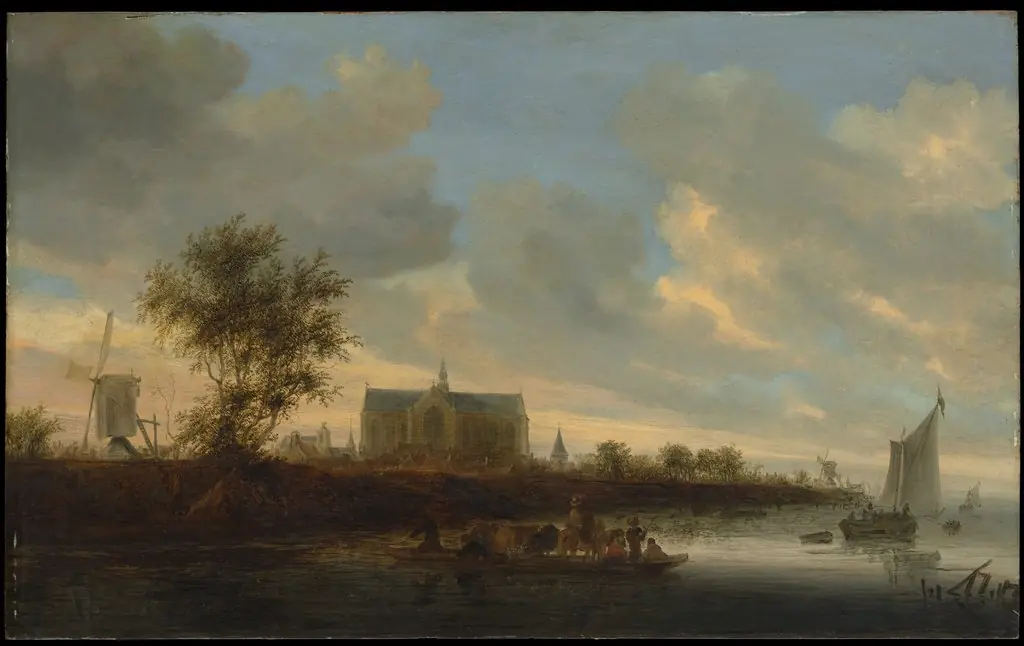
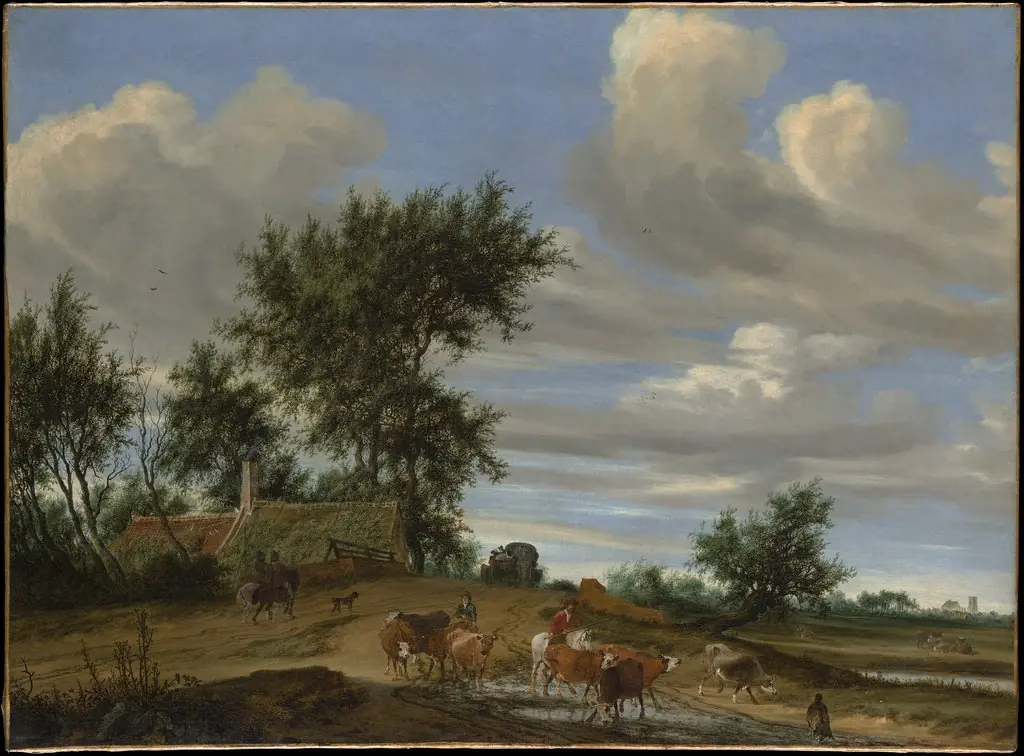
Salomon van Ruysdael (c. 1602, Naarden – buried 3 November 1670, Haarlem) was a Dutch Golden Age landscape painter. He was the uncle of Jacob van Ruisdael.

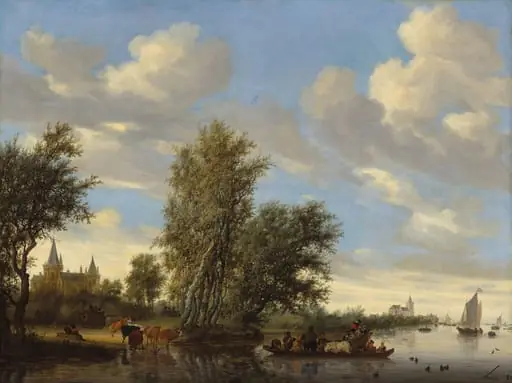
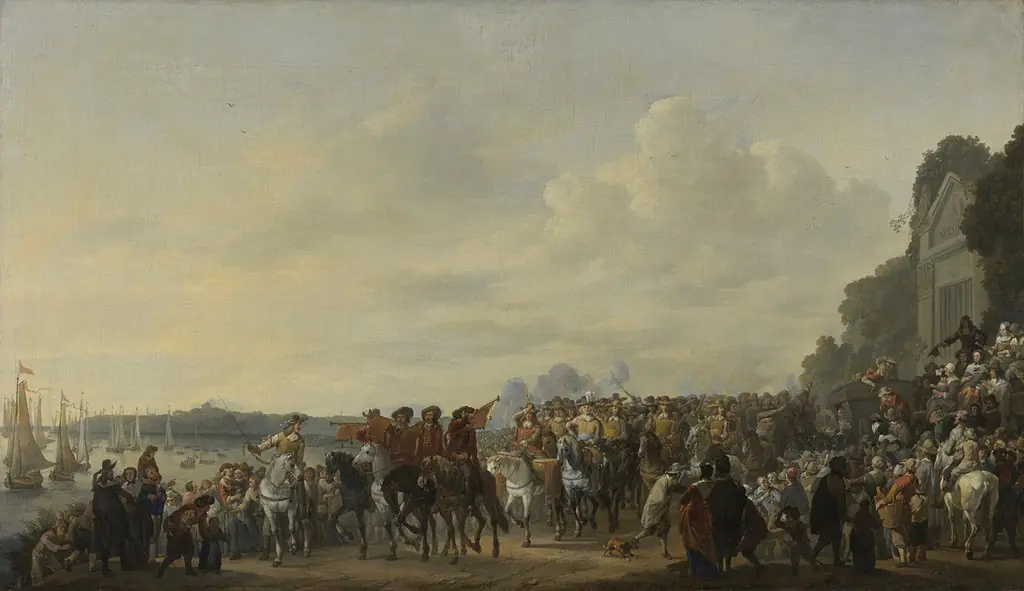
- Charles II (1630-1685) stopping at the Estate of Wema on the Rotte on his Journey from Rotterdam to The Hague, 25 May 1660
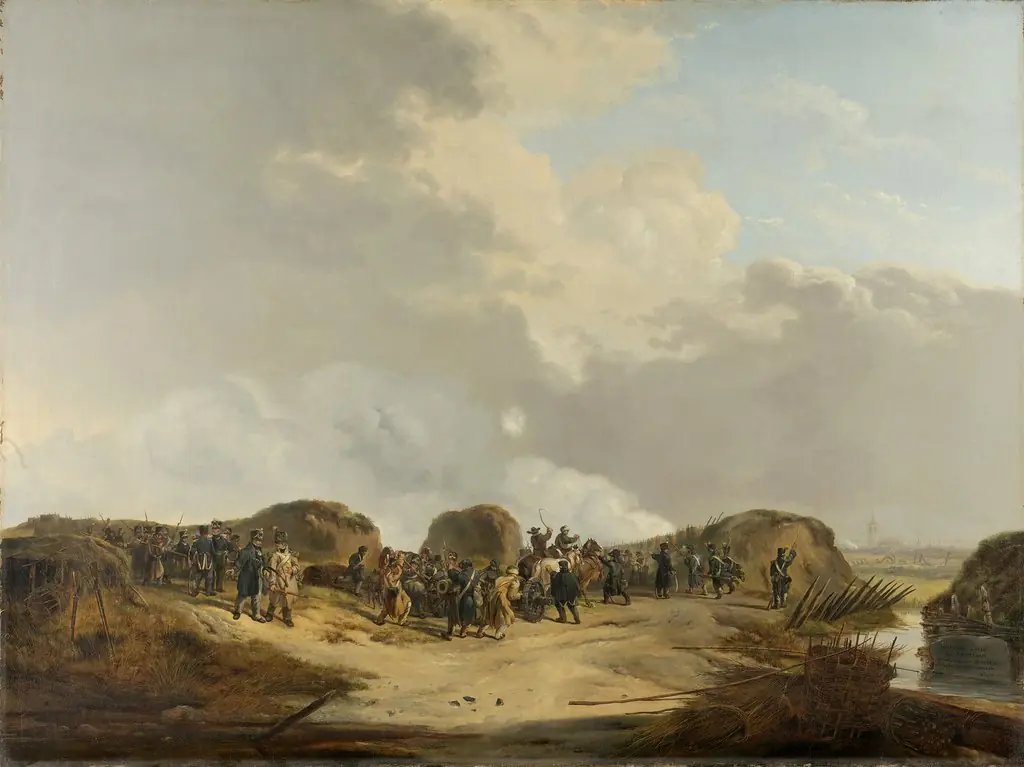 The Casemates outside of Naarden during the Siege, April 1814
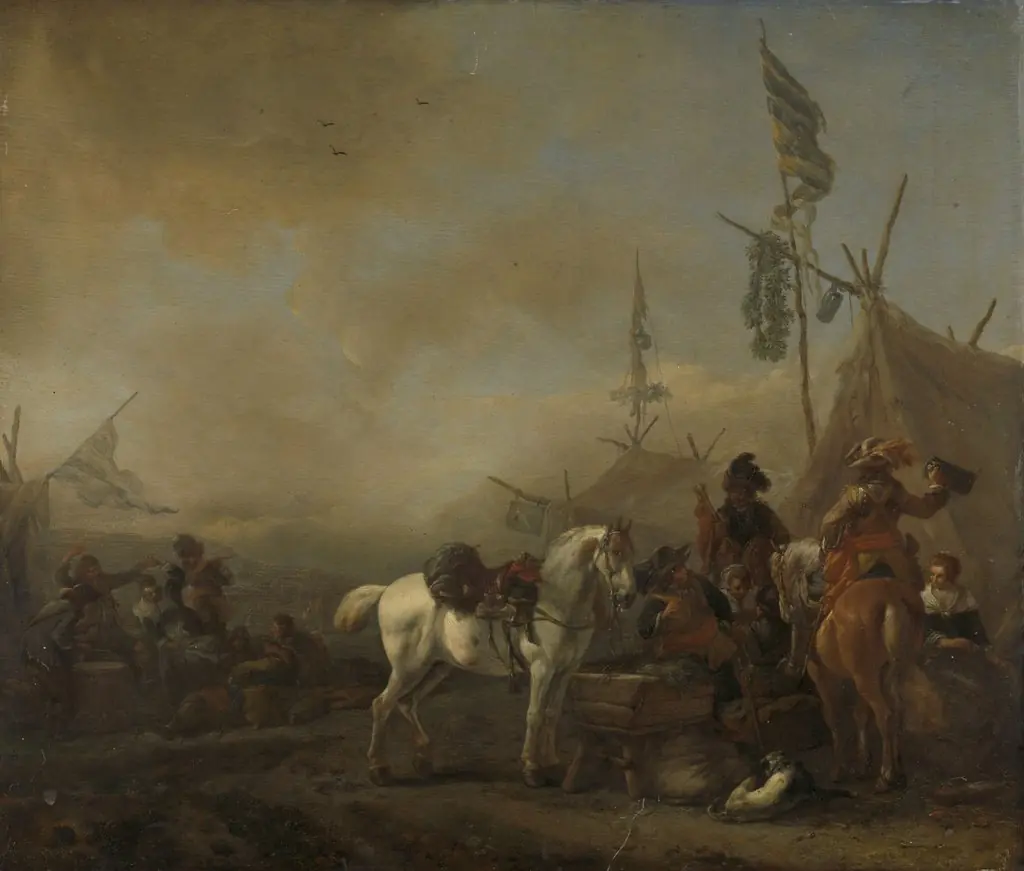 An army camp
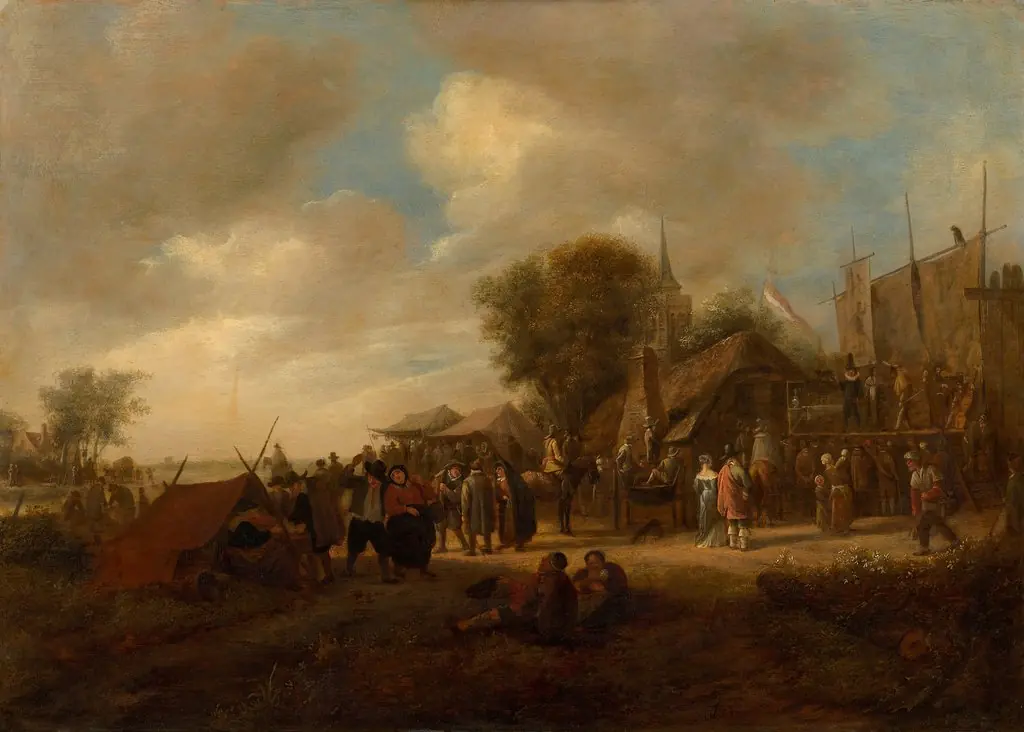 Village Fair
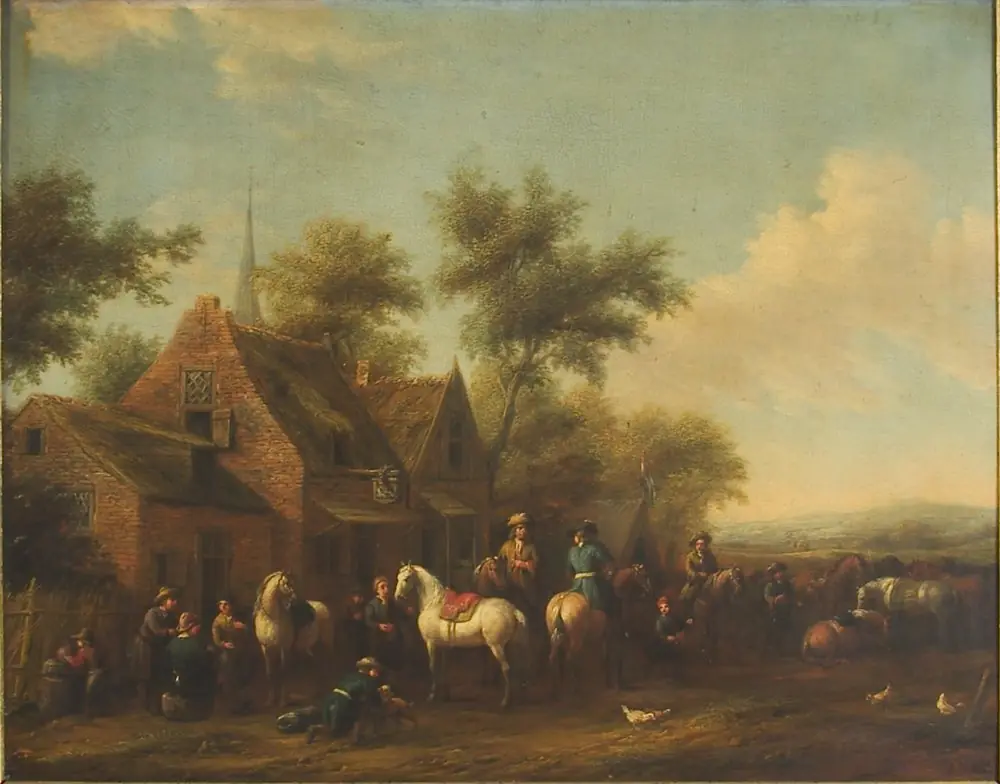 Landscape with Horsemen Resting outside an Inn
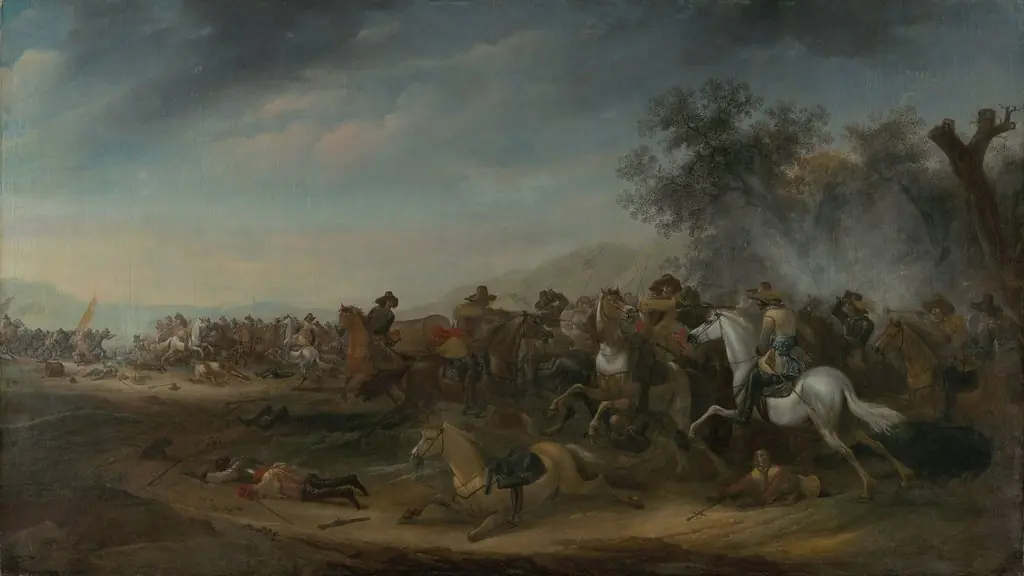 Feldschlacht
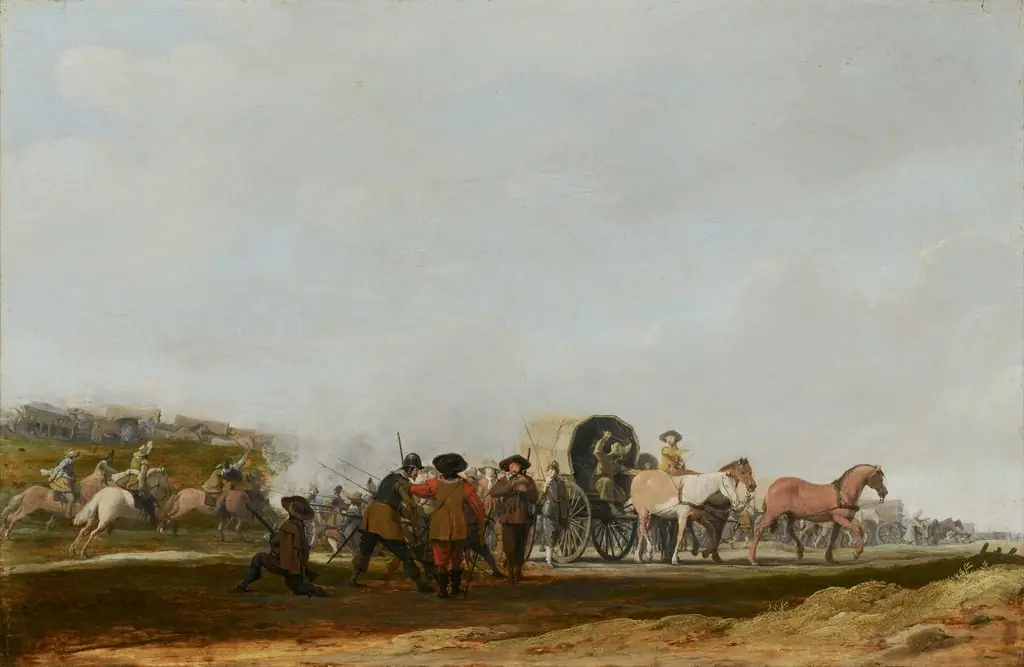 Ambushing an Army Convoy
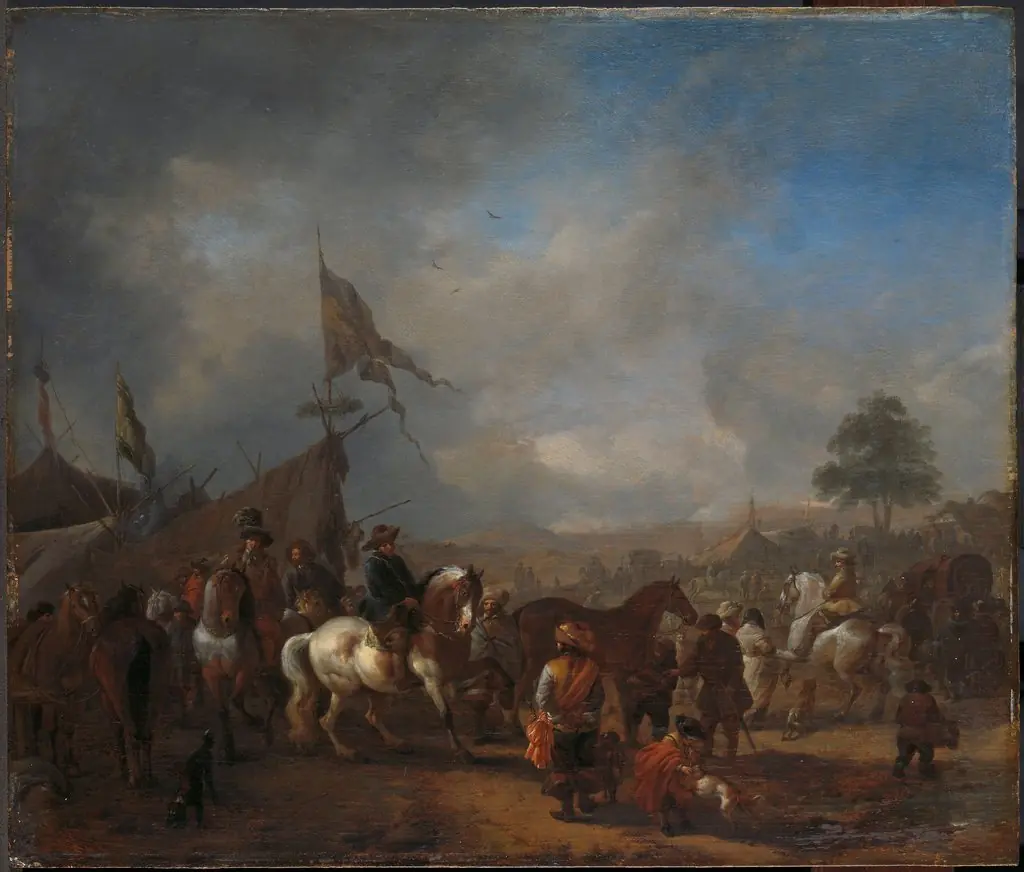 An army camp
 Târgul de cai
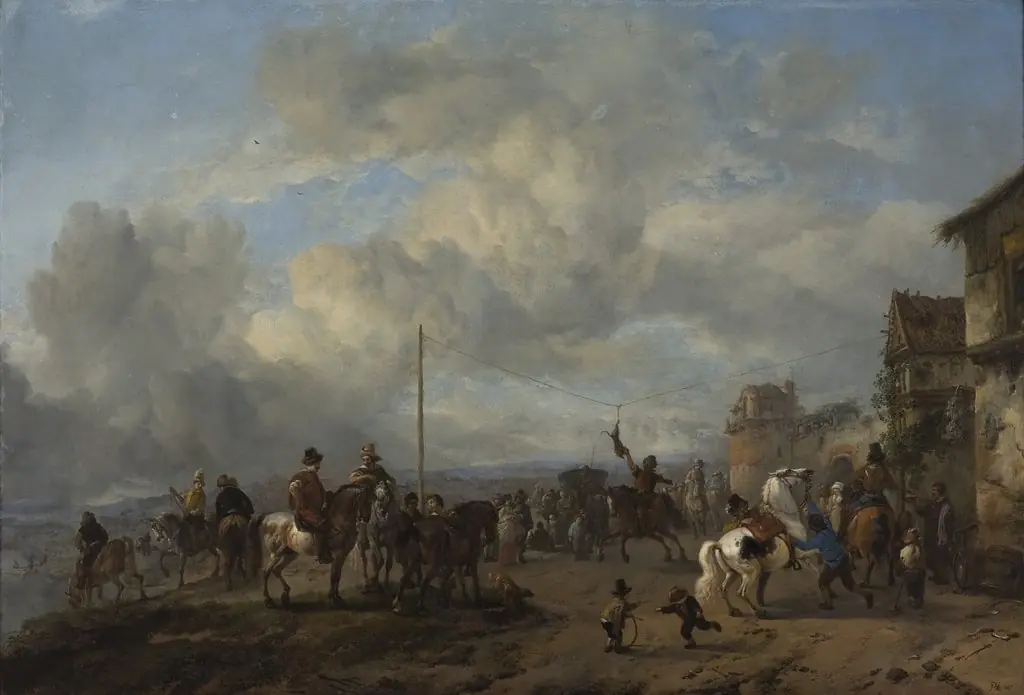 Riding at the Cat
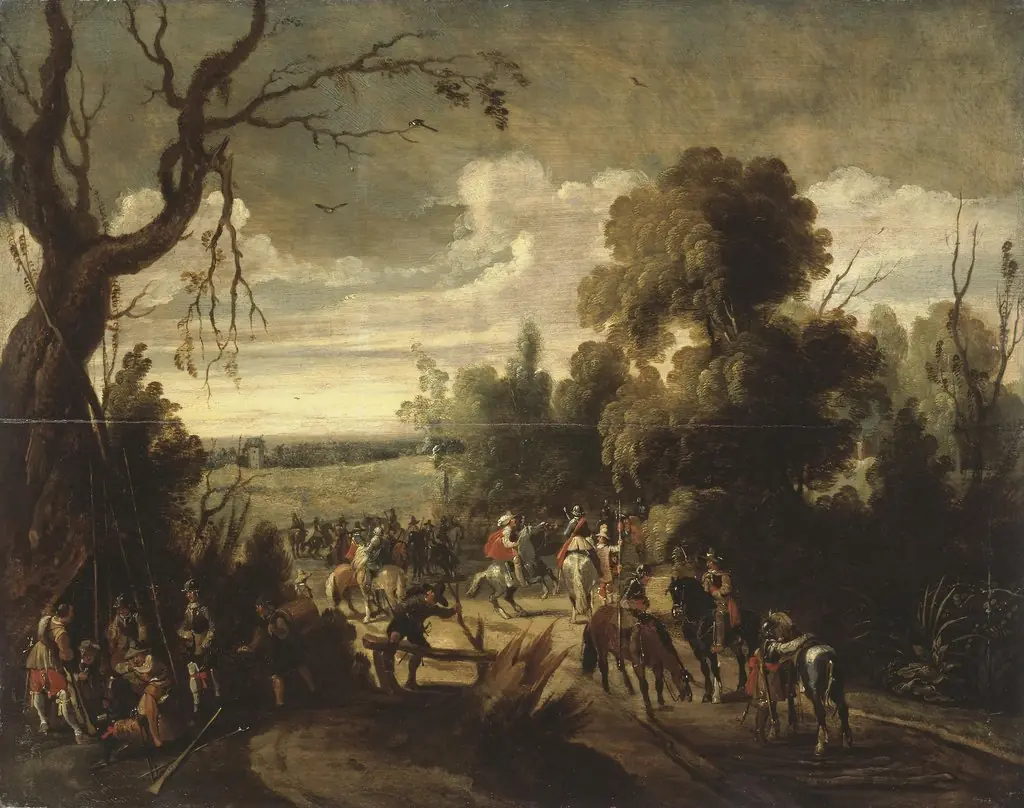 Rest of Cavalrymen
 Frederik Hendrik at the surrender of Maastricht, 22 August 1632