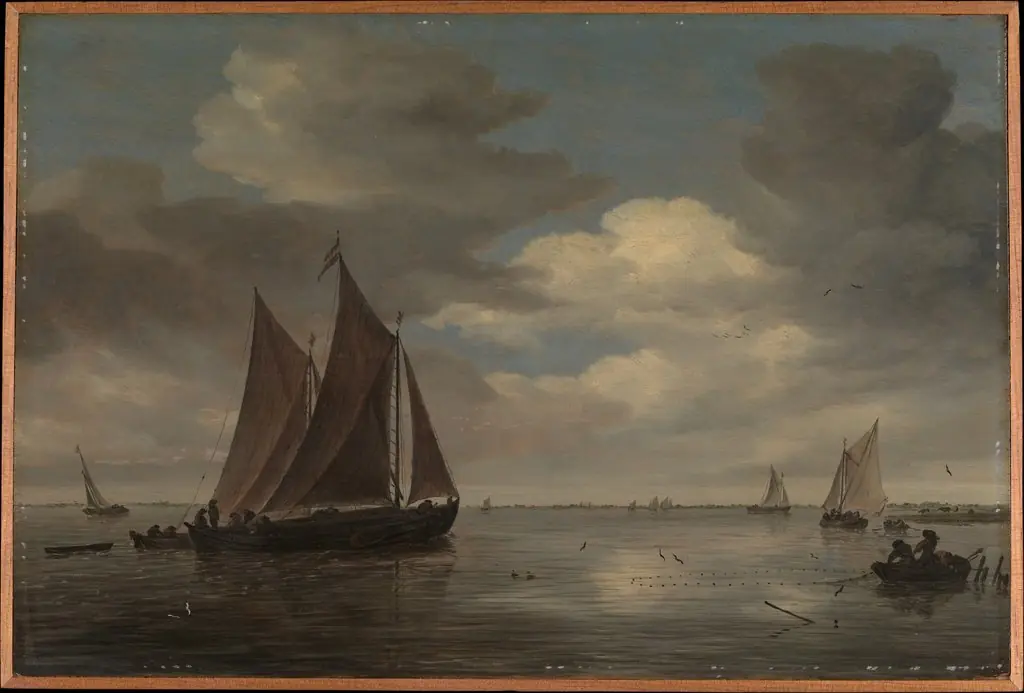
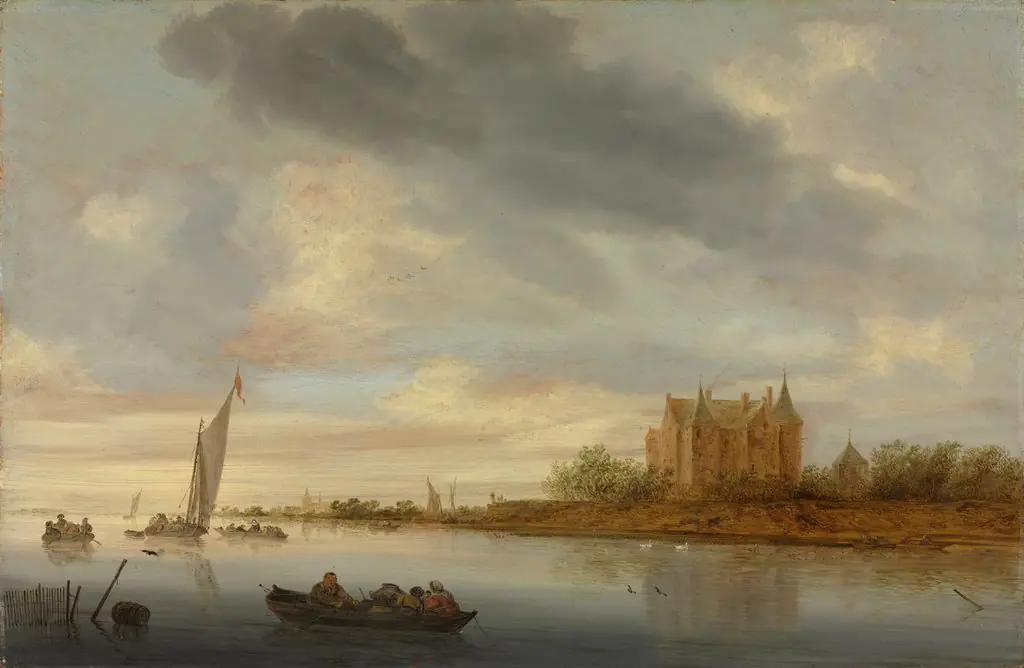
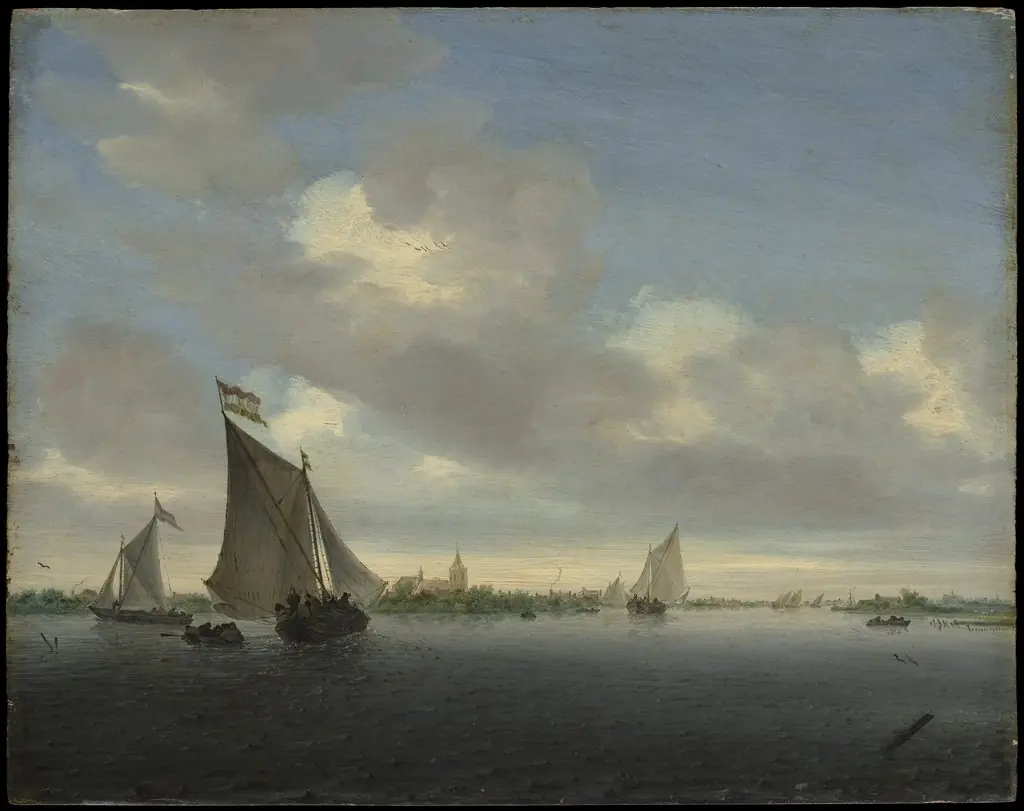
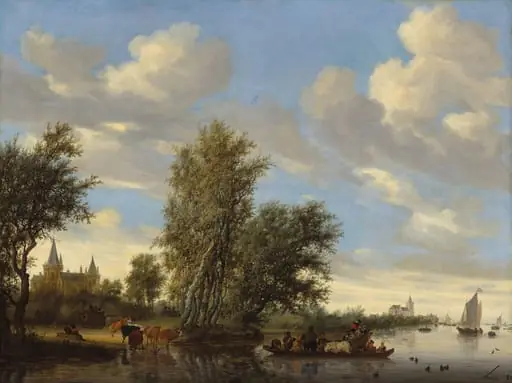
Artwork
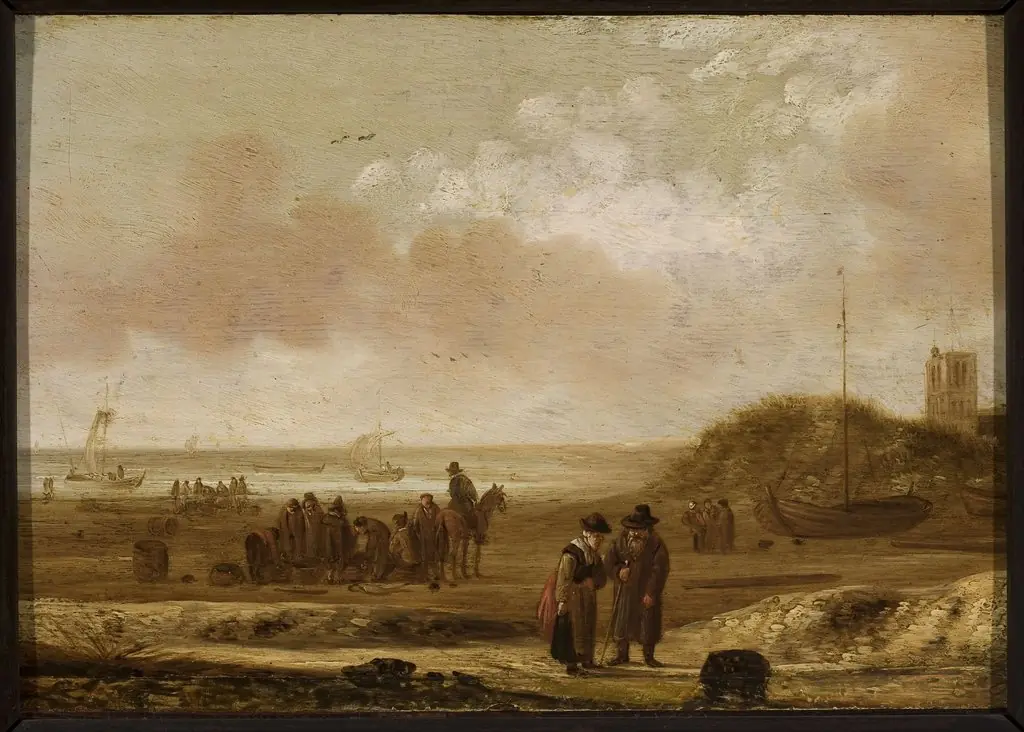
Market by the Seashore
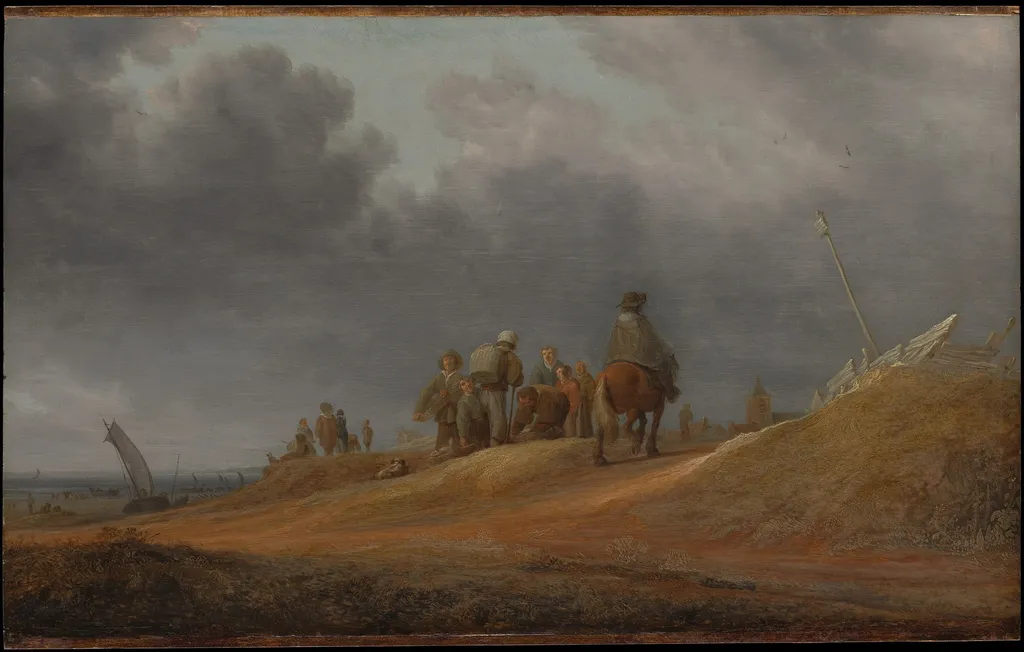
Market by the Seashore is an oil painting by the Dutch Golden Age artist Salomon van Ruysdael. It dates from 1637 and is held in the collection of the Metropolitan Museum of Art.
About this work
Subject & Meaning
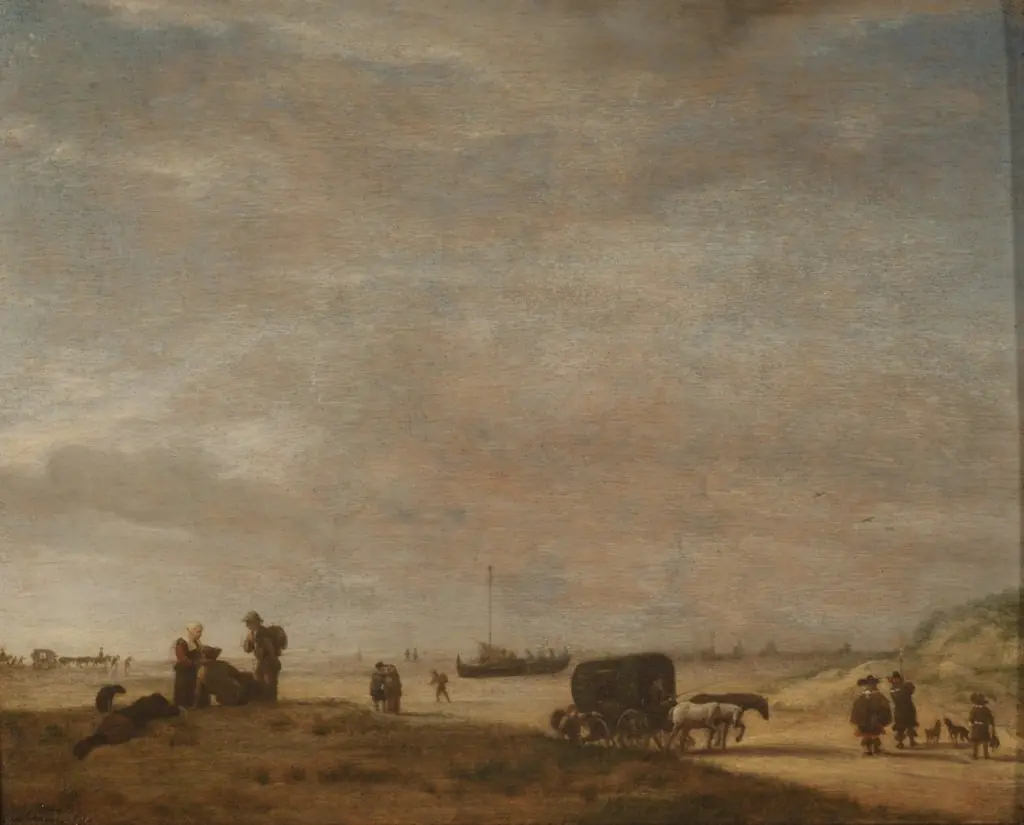
Created in 1637, Salomon van Ruysdael's Market by the Seashore is a landscape painting that visually documents a coastal scene.
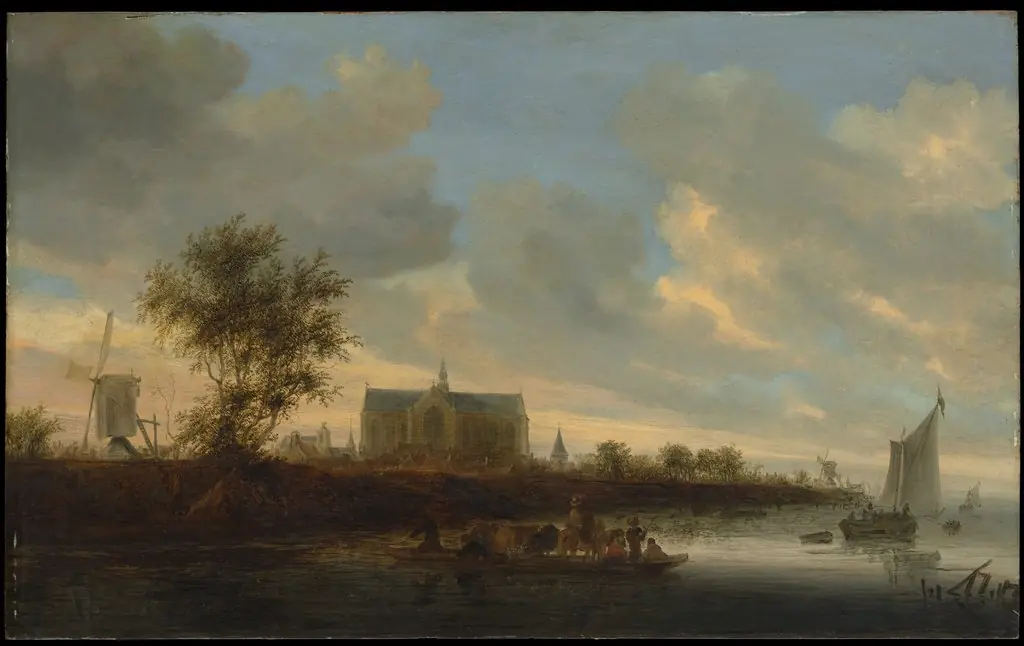
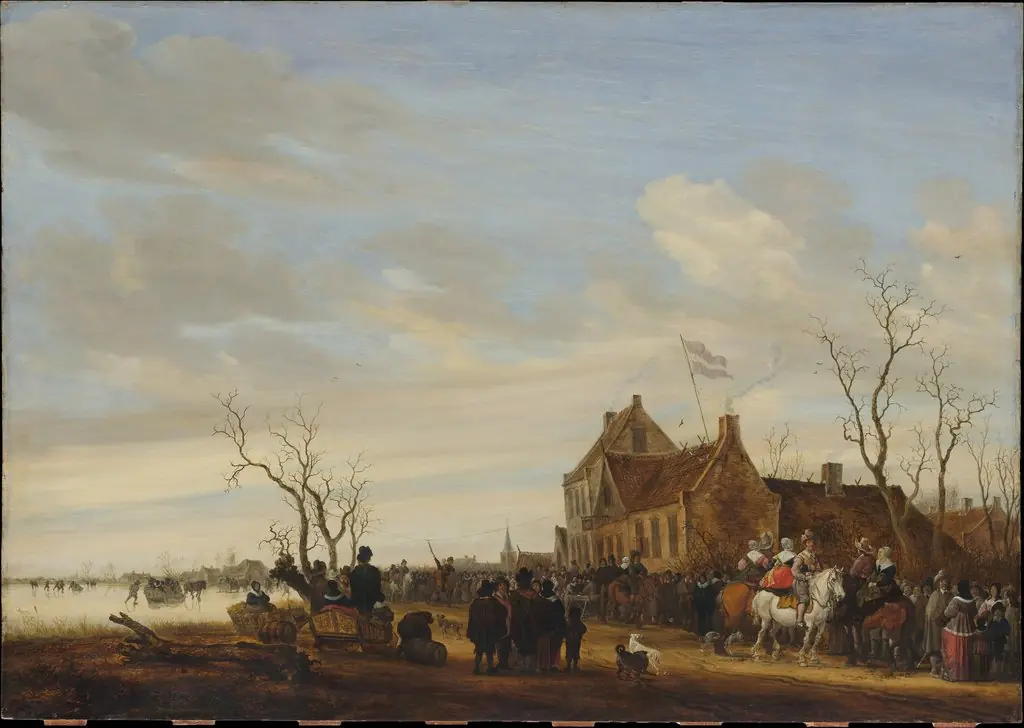
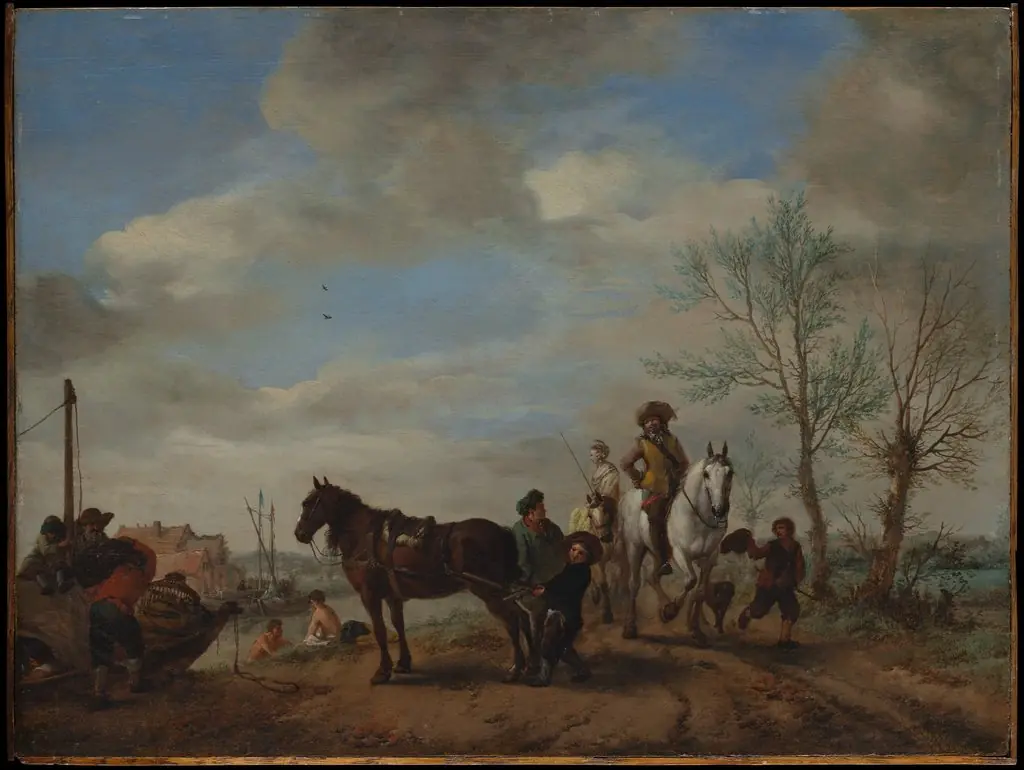
Created in 1637, Salomon van Ruysdael's Market by the Seashore is a landscape painting that visually documents a coastal scene. The composition features a beach setting populated by figures and elements, including men, horses, and boats. These components collectively establish the work's subject as a depiction of daily activity or commerce occurring on the shore.
The inclusion of human figures and animals alongside maritime vessels suggests a narrative focused on the interaction between land-based transport and sea-faring operations within a naturalistic environment. As a genre landscape, the piece prioritizes the representation of this seaside milieu over allegorical or mythological themes, grounding its meaning in the observation of contemporary life along the water's edge.
Technique & Style
Market by the Seashore is executed in oil paint on panel, a support characteristic of seventeenth-century Dutch cabinet pictures of modest scale. The work measures 40.6 by 59.4 centimeters, a horizontal format suited to its panoramic landscape composition. Classified as a landscape painting, the panel carries a beach scene populated with boats, figures, a man, and a horse, indicating a densely populated foreground handled in the Dutch tonal tradition associated with Salomon van Ruysdael's coastal views.
The horizontal orientation and oil-on-panel handling allowed for the smooth, detailed surface treatment typical of small Dutch landscapes of the period.
History & Provenance
Created by Salomon van Ruysdael in 1637, the oil-on-panel painting Market by the Seashore depicts a landscape scene featuring boats, horses, and figures on a beach, and measures 40.6 by 59.4 centimeters. The painting was owned by Rupert L. Joseph before entering the collection of the Metropolitan Museum of Art, where it is cataloged as a landscape painting. The specific commission details and the full chain of custody between its creation and museum acquisition are not detailed in the available records, and no accession number is provided, though the piece remains a documented part of the Met's holdings.
Context
Market by the Seashore (1637) exemplifies Salomon van Ruysdael's mature landscape style, combining detail with a naturalistic palette. The work, executed in oil on panel, depicts a boat, a figure, a horse, and a shoreline, reflecting the everyday coastal activity recorded in contemporary Dutch genre painting. Previously owned by Rupert L. Joseph, it is now part of the Metropolitan Museum of Art's collection.
As a coastal landscape it illustrates the artist's interest in open-sea and shoreline motifs, positioning it within the broader development of Dutch Golden Age landscape painting.
Overview
Salomon van Ruysdael, a prominent Dutch Golden Age landscape painter, completed Market by the Seashore in 1637. This oil painting captures a dynamic coastal environment, characteristic of the period's focus on naturalistic scenes. The work depicts a bustling beach with figures and boats under a dramatic sky, reflecting the artist's skill in rendering atmospheric effects. It is currently housed in The Metropolitan Museum of Art.
Own this work as a print
Artist & collection
Artist
Salomon van Ruysdael (c. 1602, Naarden – buried 3 November 1670, Haarlem) was a Dutch Golden Age landscape painter. He was the uncle of Jacob van Ruisdael.