Artwork
Flat Landscape
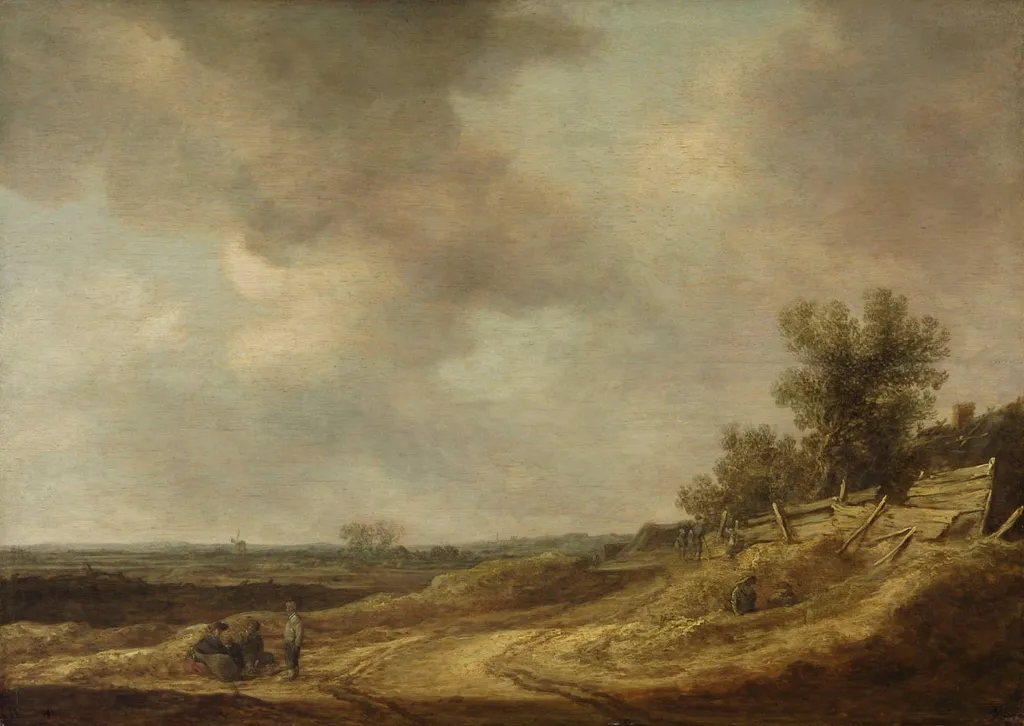
Flat Landscape is an unspecified painting by the Dutch Golden Age artist Jan van Goyen. It dates from 1635 and is held in the collection of the Kunsthistorisches Museum.
About this work
Subject & Meaning
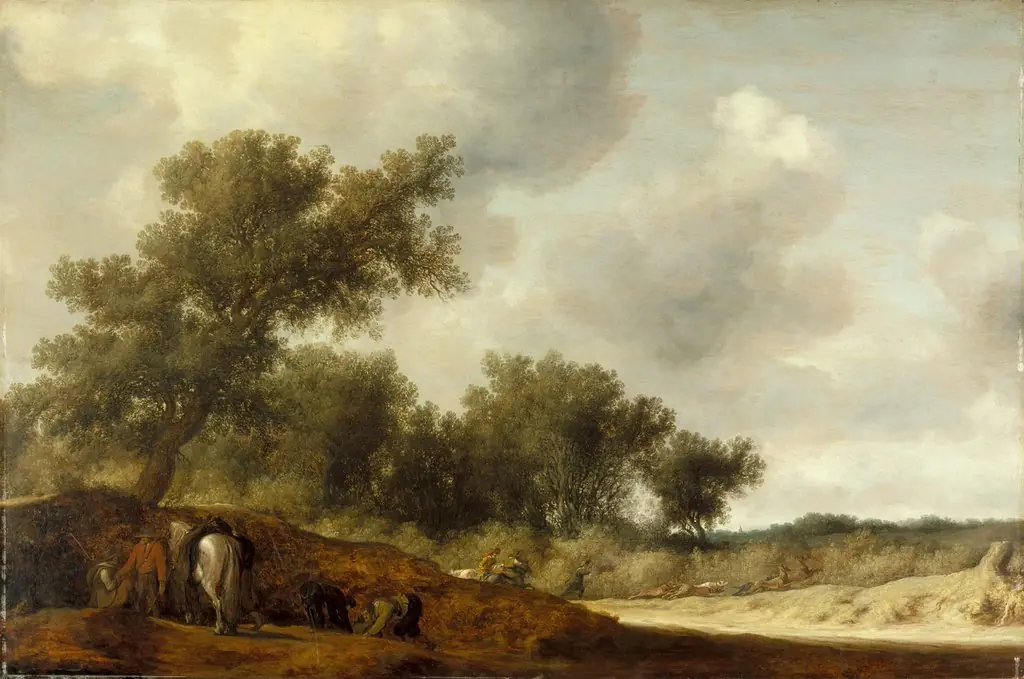
Flat Landscape depicts a dune landscape populated by a man, presenting a low, panoramic view of the Dutch countryside characteristic of Jan van Goyen's tonal landscape style. The composition centers on the dune motif, a hallmark of the artist's mature work, in which expansive sandy terrain dominates the scene and human figures appear small against the broader natural setting. The presence of a lone figure within this dune environment emphasizes the relationship between people and the mutable coastal geography of the Netherlands, a recurring theme in seventeenth-century Dutch landscape painting.
As a tonal landscape, the work conveys the atmospheric conditions and quiet character of the lowlands rather than dramatic topography, situating the viewer within an everyday rural vista rather than an idealized or allegorical scene.
Technique & Style
The scene depicts a man and dune, characteristic of van Goyen's tonal landscape tradition, in which low horizons and expansive skies dominate the picture plane.
Flat Landscape is a painting by Jan van Goyen, classified as a landscape genre work. The composition measures 39.7 cm in height by 55.5 cm in width, presented in a horizontal format suited to its panoramic subject. The scene depicts a man and dune, characteristic of van Goyen's tonal landscape tradition, in which low horizons and expansive skies dominate the picture plane.
The work is held in the collection of the Kunsthistorisches Museum, where it is catalogued as a painting. Beyond the documented dimensions, genre classification, and subject matter, the available sources do not provide further specific information about the medium, support, pigment handling, condition, or stylistic execution of the panel or canvas.
History & Provenance
Jan van Goyen created the landscape painting Flat Landscape in 1635. The work depicts a scene featuring a man and dunes. It is currently held in the collection of the Kunsthistorisches Museum. The painting measures 39.7 cm in height and 55.5 cm in width.
Jan van Goyen's 1635 painting Flat Landscape is held in the collection of the Kunsthistorisches Museum in Vienna. The work depicts a dune landscape featuring a man and measures 39.7 cm in height by 55.5 cm in width. No specific inventory or accession number is provided in the available records. The sources do not document any exhibition history for this piece.
Overview
Jan van Goyen’s Flat Landscape (1635) exemplifies the restrained, expansive vistas typical of Dutch Golden Age painting. The canvas presents a gently undulating hill, a modest fence, and a scattering of trees against a muted sky. Small, almost indistinct figures occupy the foreground, emphasizing the breadth of the open terrain rather than individual narratives.
Context
Flat Landscape belongs to a prolific period in van Goyen’s career when he explored a variety of topographical subjects, rivers, dunes, forests, each rendered with an emphasis on weather and light. This piece illustrates his shift toward more simplified, panoramic scenes that convey the quietude of the Dutch countryside.
Artist & collection

Artist
Jan Josephszoon van Goyen (Dutch pronunciation: ; 13 January 1596 – 27 April 1656) was a Dutch landscape painter.

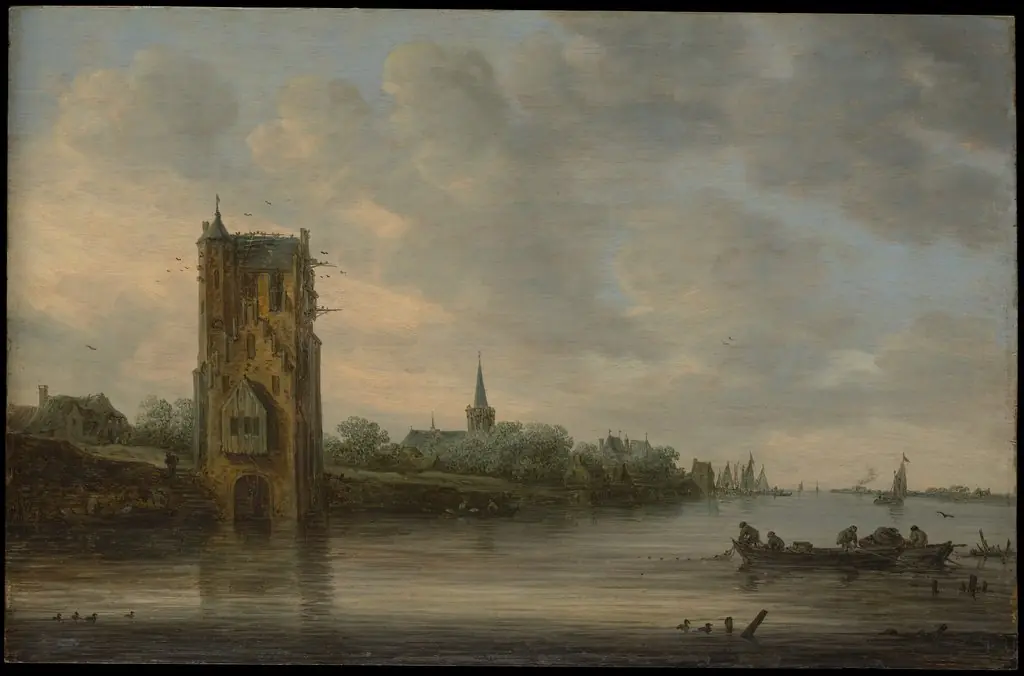
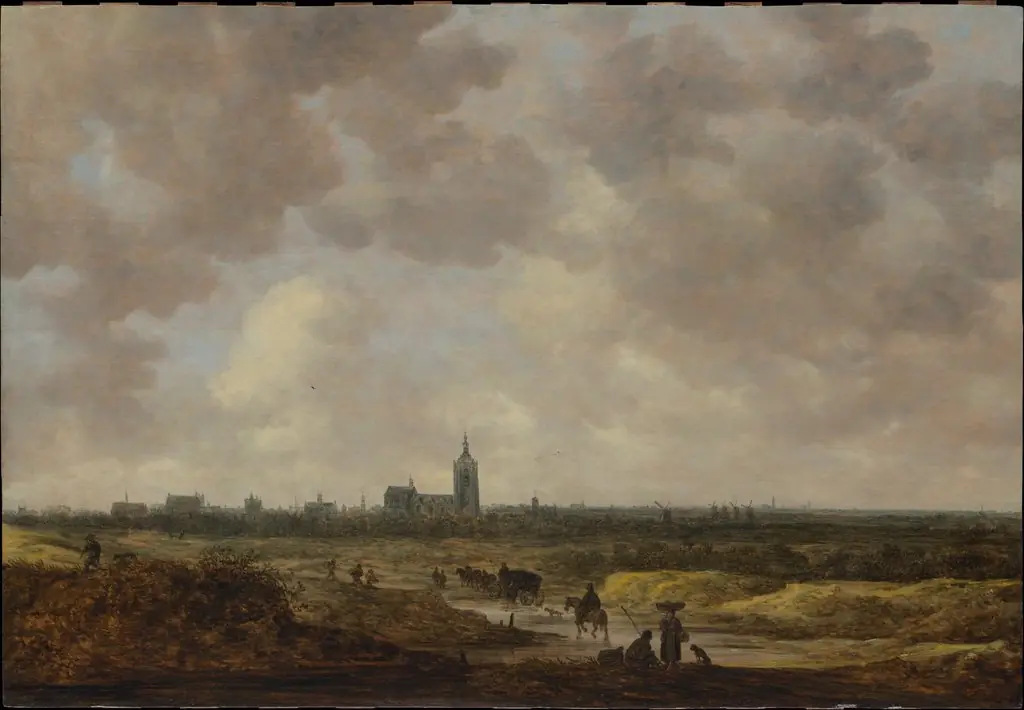
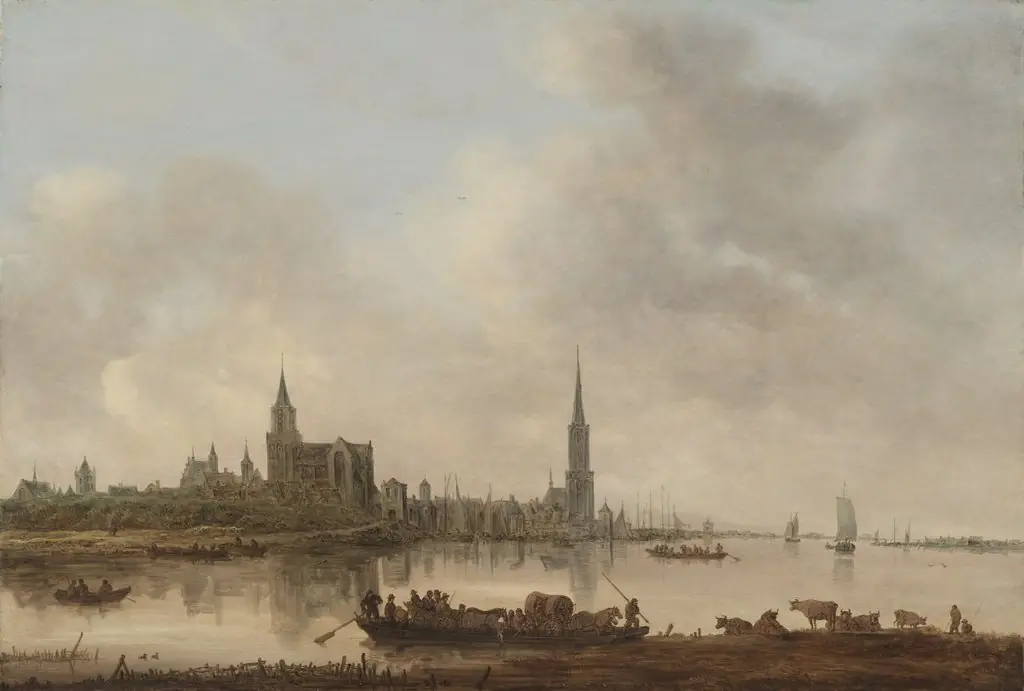
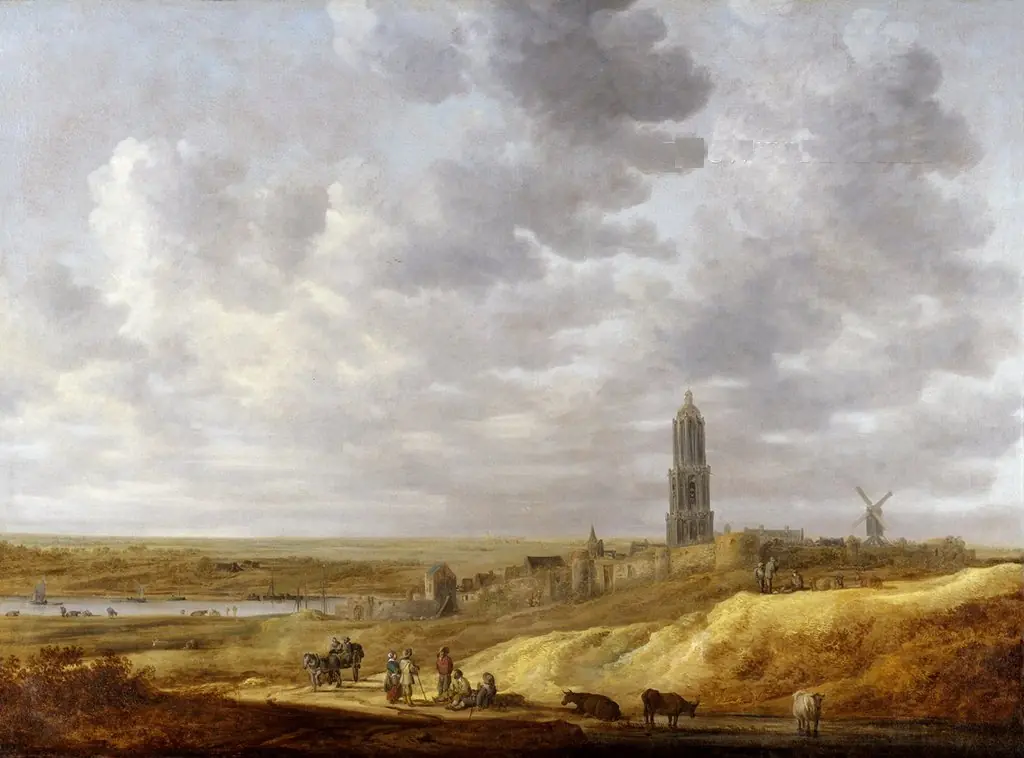
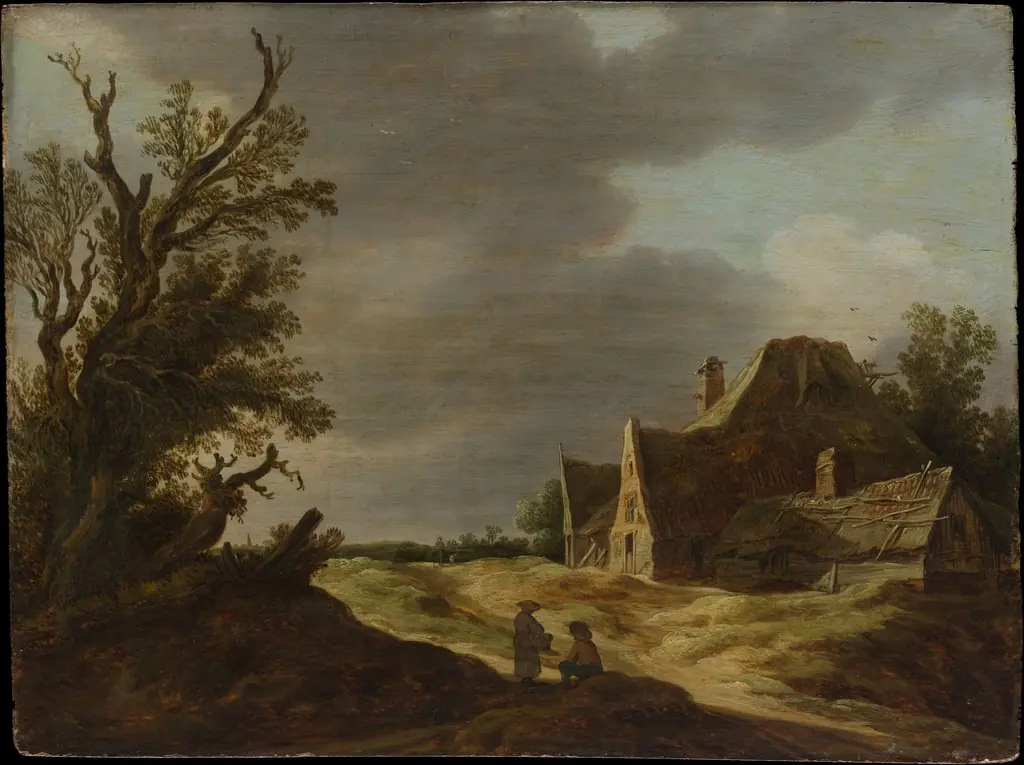
- Hilly Landscape
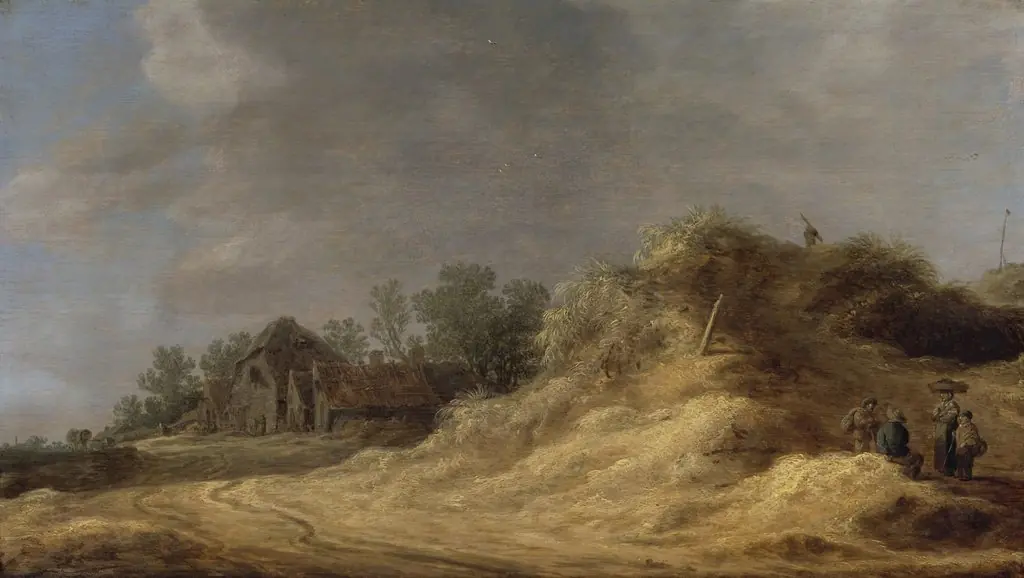 Dunelandscape
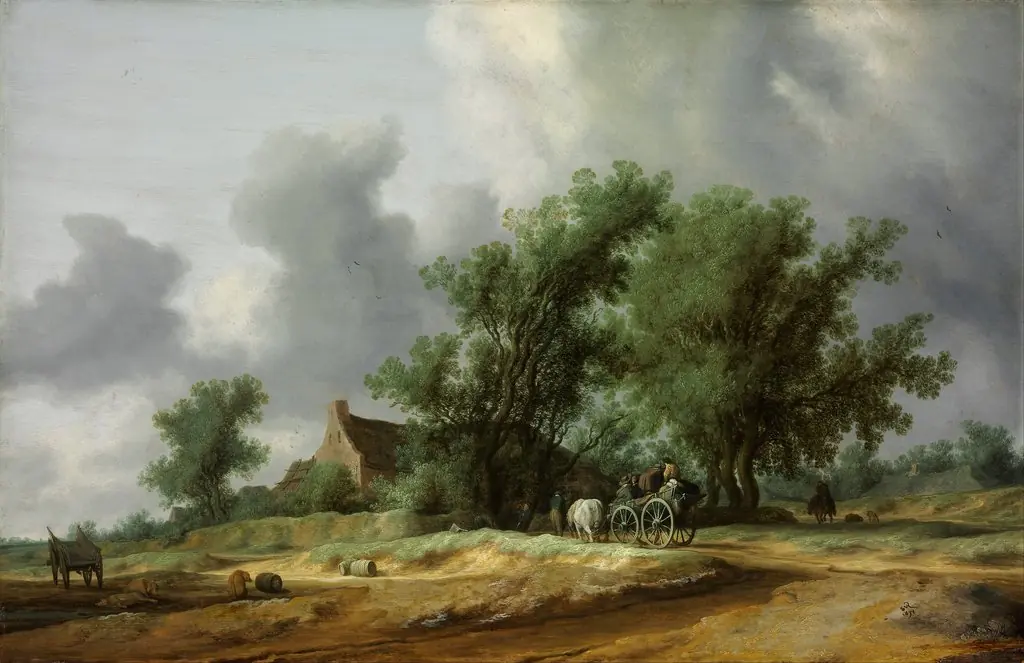 Road in the Dunes
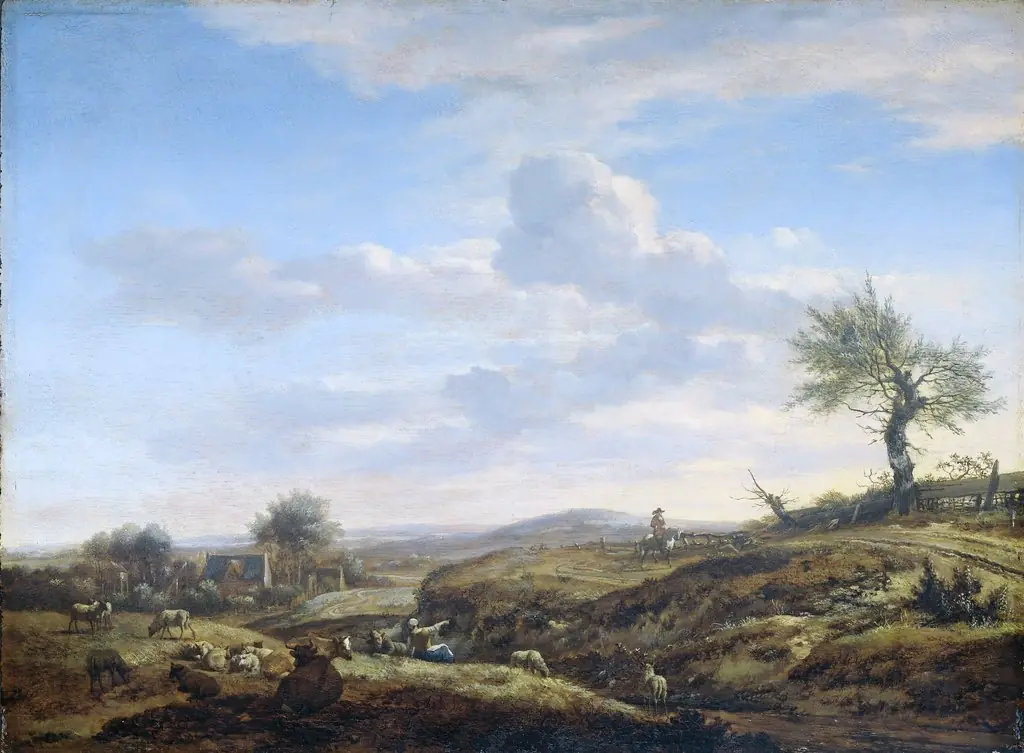 Hilly landscape with high road
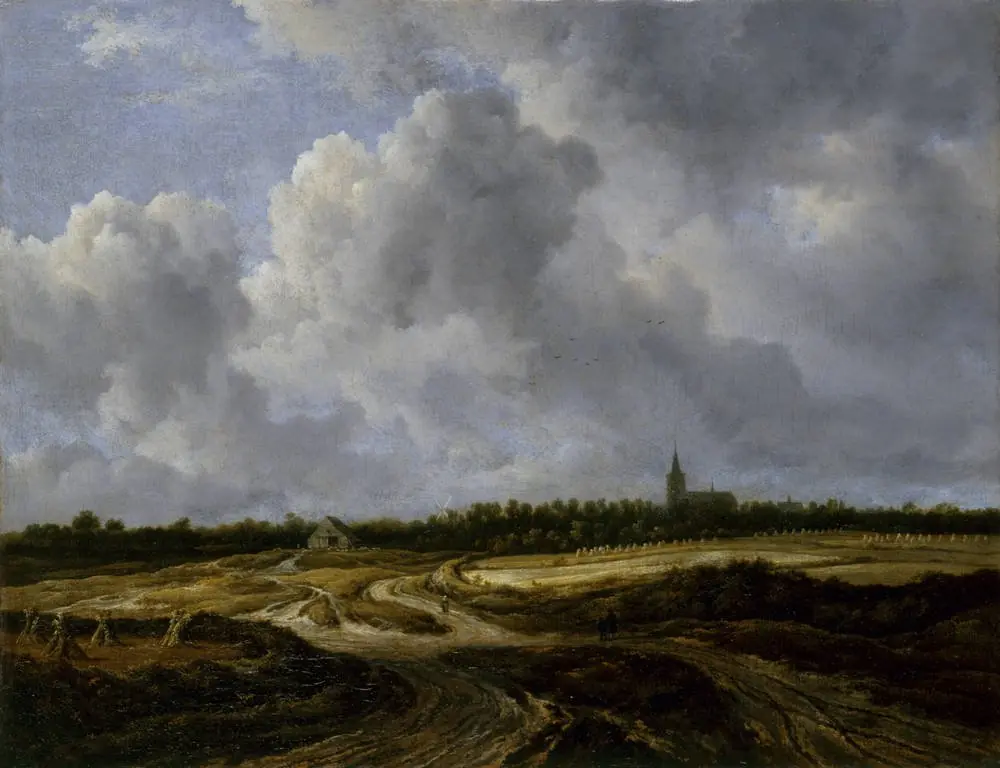 Extensive field landscape with a track and a church in the distance
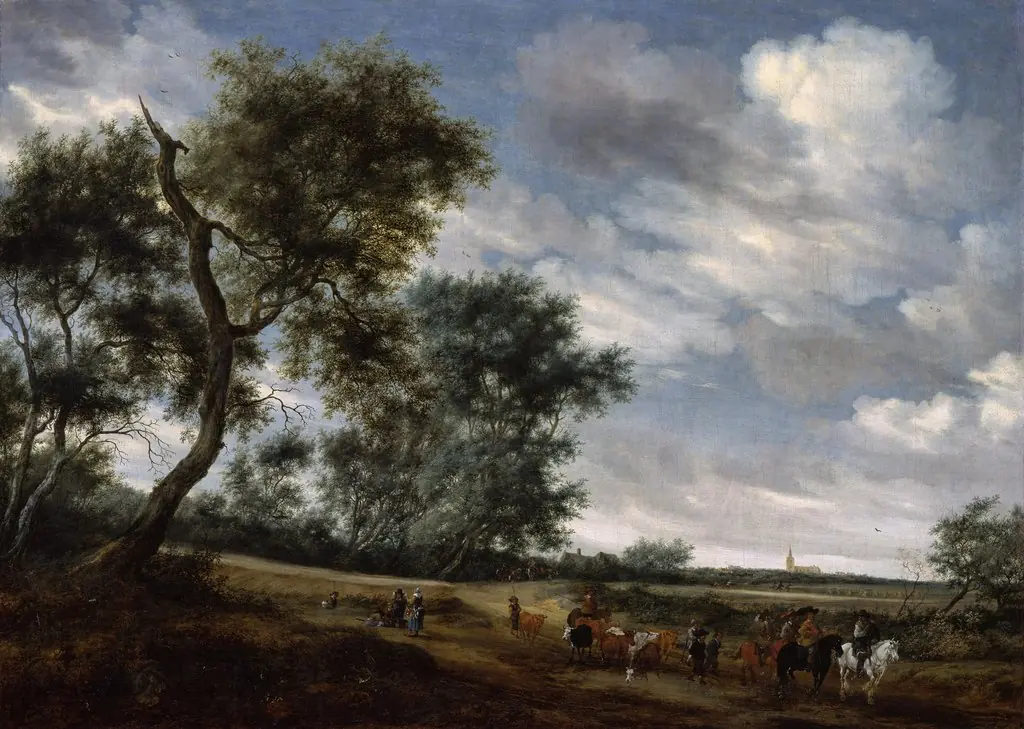 Landscape with robbers and their booty on a track
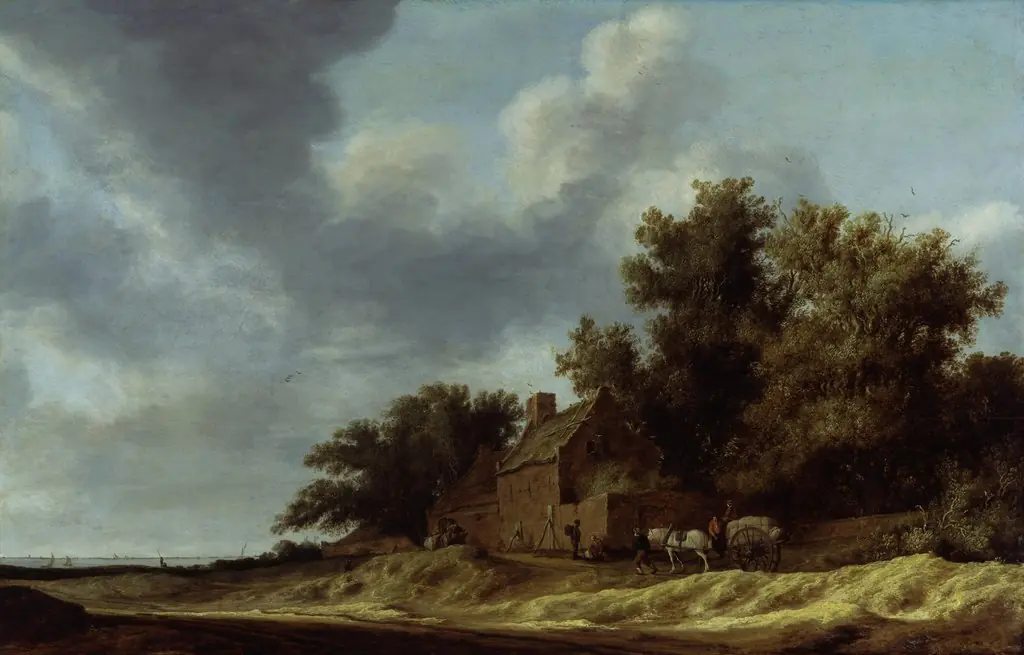 A Landscape with a Farmstead
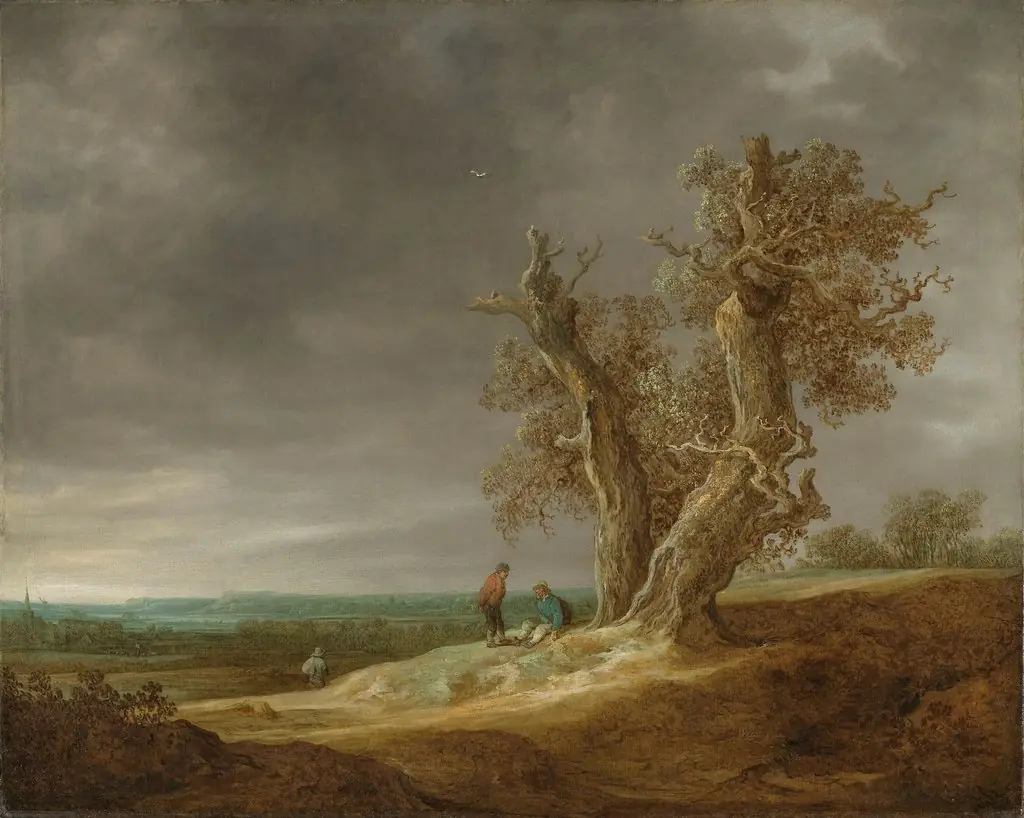 Landscape with Two Oaks
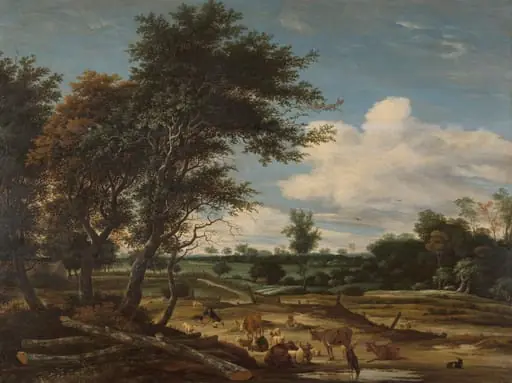 Landscape with herdsmen and cattle
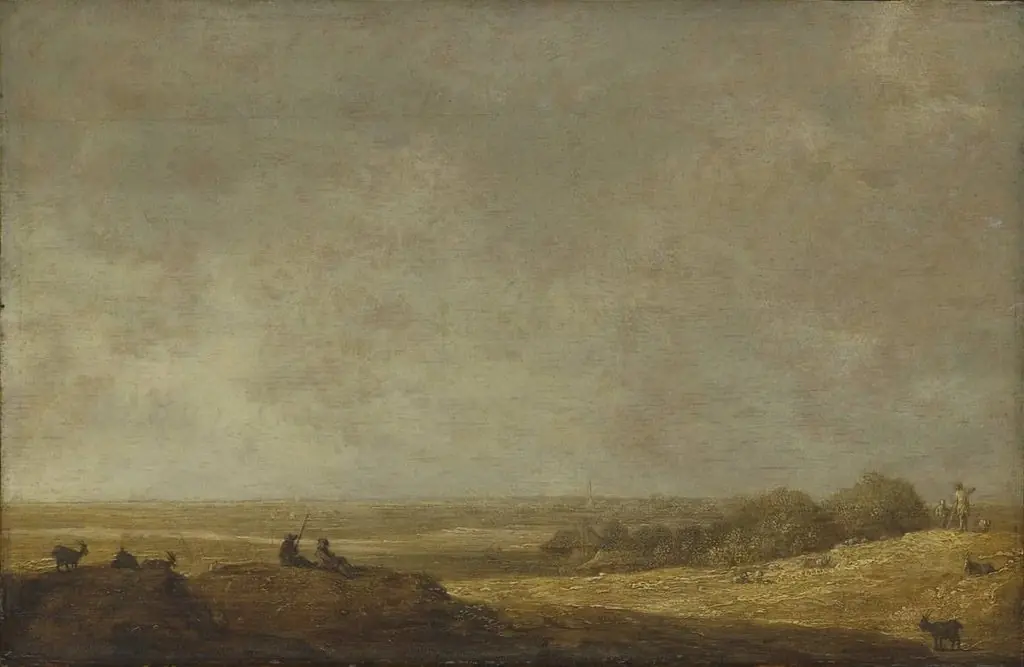 River Valley Landscape
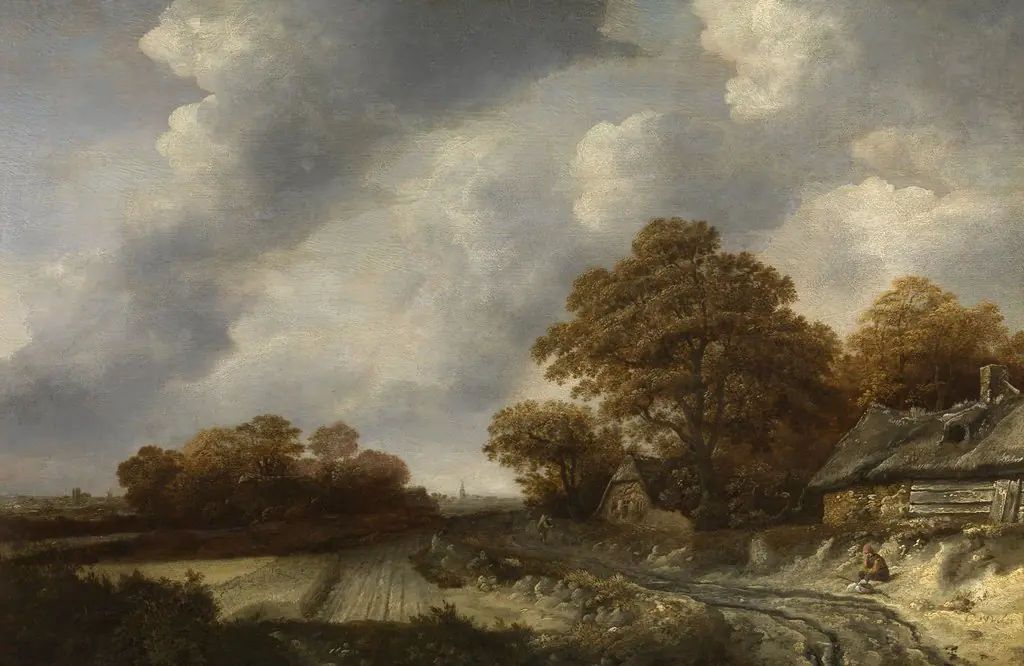 Landscape
 Landscape with Deer Hunters