Artwork
Ruins in a Rocky Landscape
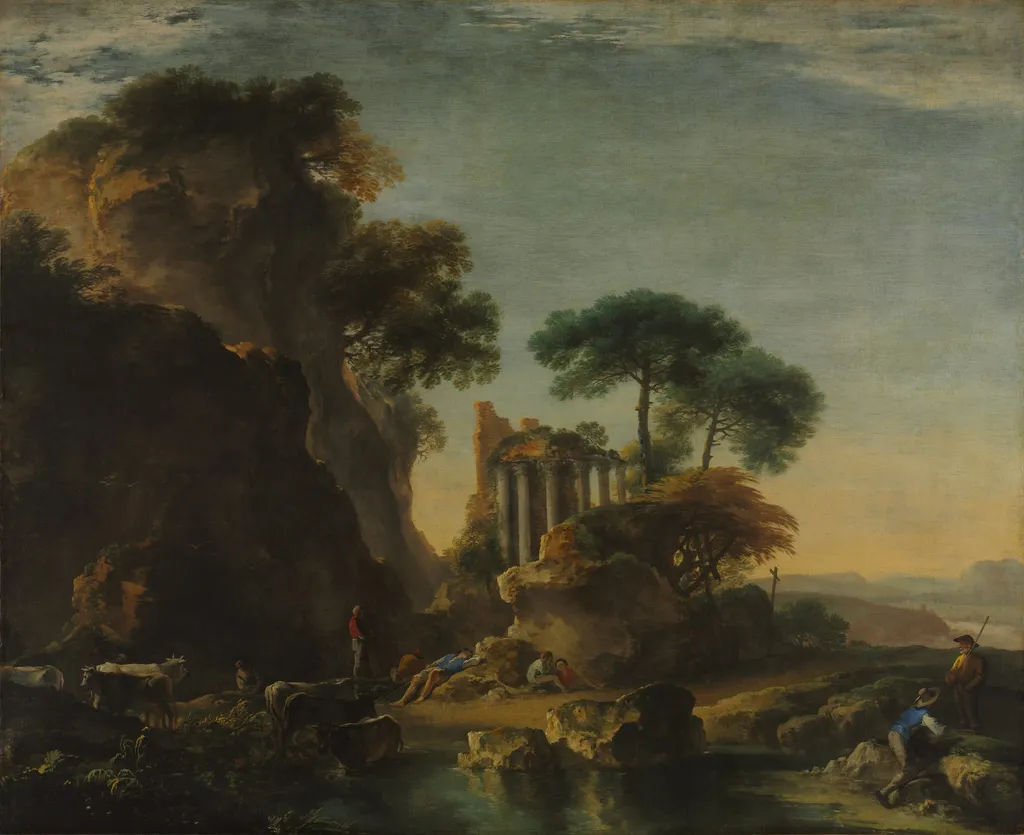
Ruins in a Rocky Landscape is an oil painting by the Early Baroque Italian artist Salvator Rosa. It dates from 1640 and is held in the collection of the Cleveland Museum of Art.
About this work
Technique & Style
Its large format measures approximately 144 cm in height by 176.
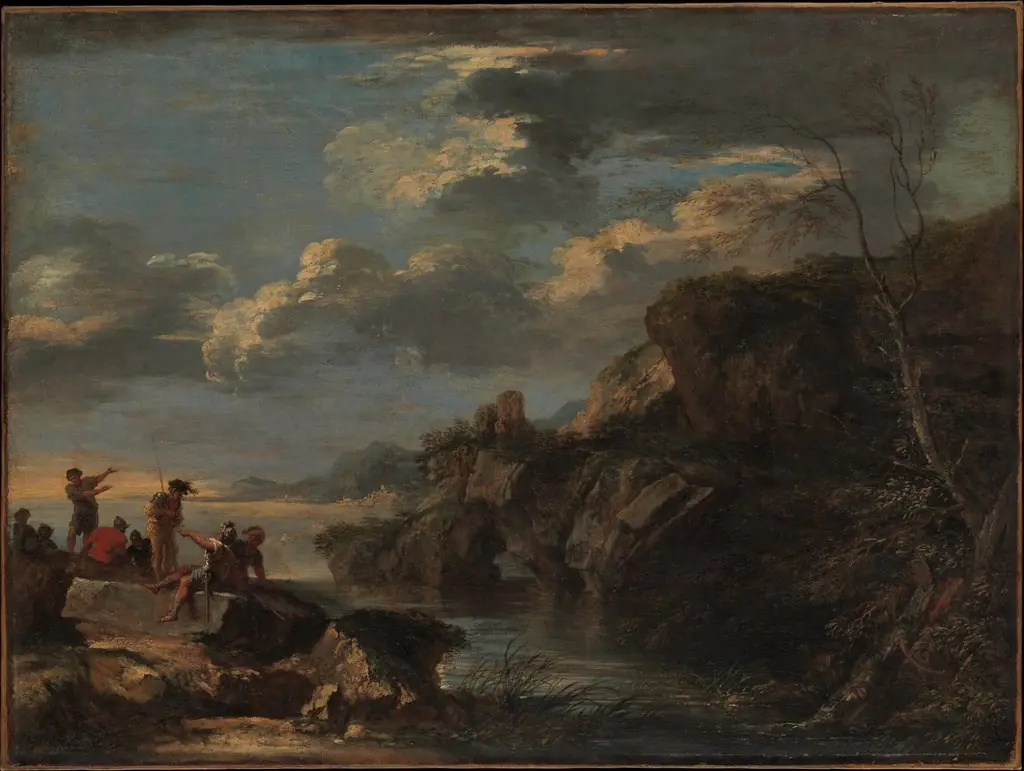
The work titled Ruins in a Rocky Landscape, painted by Salvator Rosa in 1640, is executed in oil on canvas, a support typical of 17th‑century Italian easel painting. Its large format measures approximately 144 cm in height by 176.7 cm in width. The composition portrays a rugged terrain dotted with architectural ruins and a solitary tree, reflecting the artist’s interest in dramatic, picturesque landscapes.
As a landscape painting in the Cleveland Museum of Art collection, the piece exemplifies the characteristic use of chiaroscuro and meticulous brushwork that define Rosa’s formal style.
History & Provenance
Created in 1640 by the Italian artist Salvator Rosa, Ruins in a Rocky Landscape is an oil painting on canvas produced in Italy. The work measures 144.0 cm in height and 176.7 cm in width. While specific details regarding its original commission or intermediate ownership history are not provided in the available records, the painting entered the collection of the Cleveland Museum of Art, where it is currently housed.
The museum identifies the piece under the accession number 1958.472, indicating its acquisition or cataloging within that institution's holdings. The artwork is classified as a landscape painting and depicts natural elements including trees alongside architectural ruins situated within a rocky terrain.
Overview
Salvator Rosa completed Ruins in a Rocky Landscape in 1640, employing oil paint during Italy's early Baroque period. This painting exemplifies his characteristic approach to landscape art, featuring a prominent tree amidst ancient architectural remnants within a rugged, natural setting. The composition reflects his interest in combining elements of human history with the wildness of the natural world.
Subject & Meaning
The painting presents a desolate, rocky expanse dominated by a large tree in the foreground and scattered ruins. Distant figures gather near these ancient structures, while others dot the scene, suggesting human presence within an overwhelming natural environment. This blend of decaying human endeavor and powerful, untamed nature evokes a sense of both history and mystery, a recurring theme in Rosa's oeuvre.
Context
This work aligns with Salvator Rosa's broader artistic identity, which was largely defined by his depictions of wild, untamed landscapes and ancient ruins. His distinctive style, characterized by a blend of natural grandeur and historical decay, became a significant influence on subsequent generations of artists. Rosa's dramatic vision helped shape the development of landscape painting during and after the Baroque era.
Own this work as a print
Artist & collection
Artist
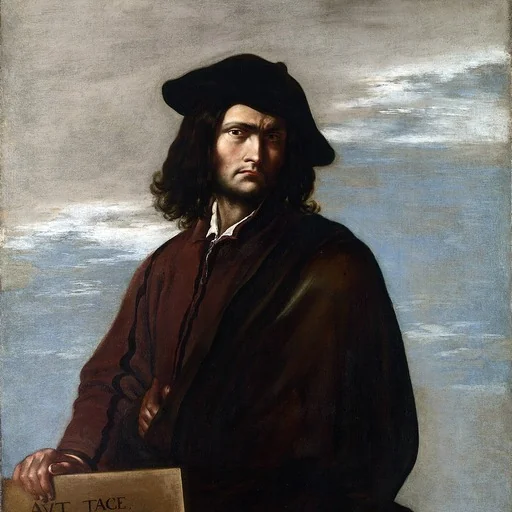
Salvator Rosa (1615 – 15 March 1673) is best known today as an Italian Baroque painter, whose romanticised landscapes and history paintings, often set in dark and untamed nature, exerted considerable influence from the 17th century into…

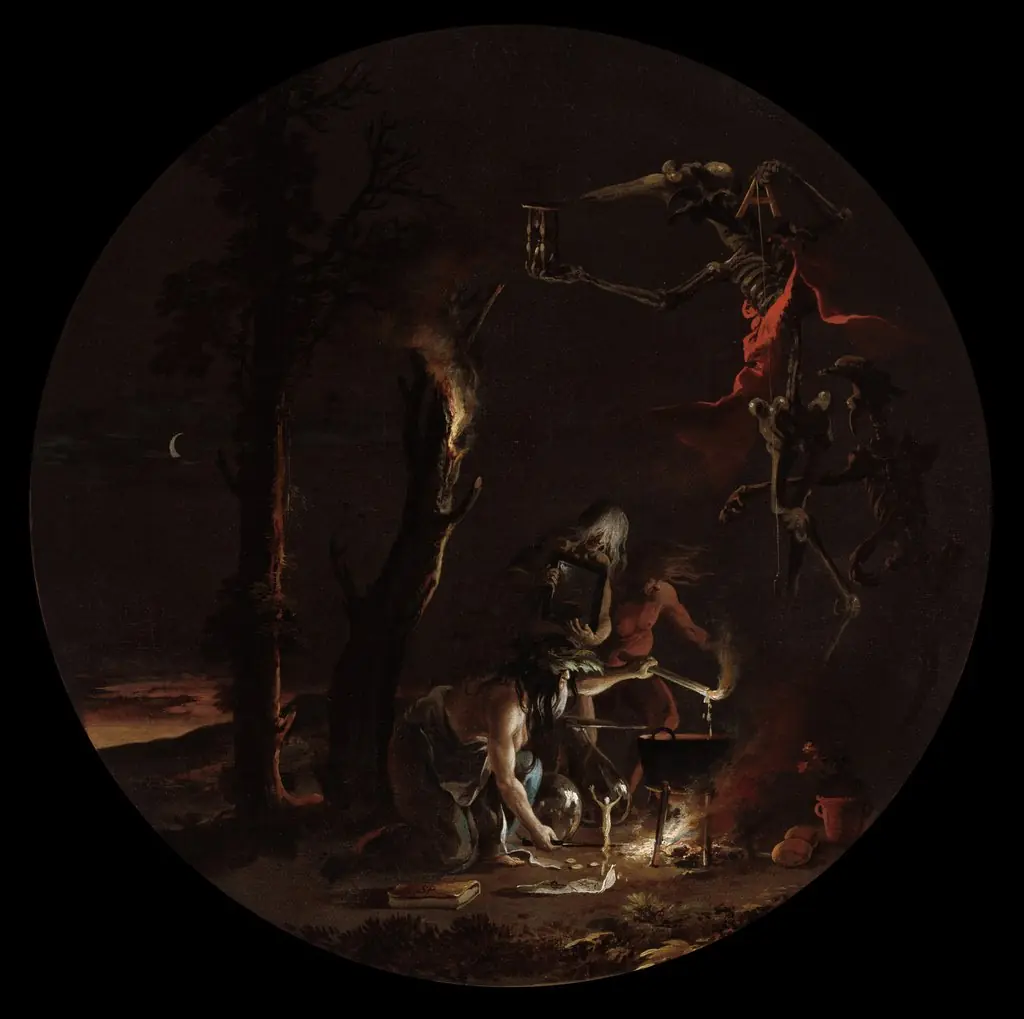
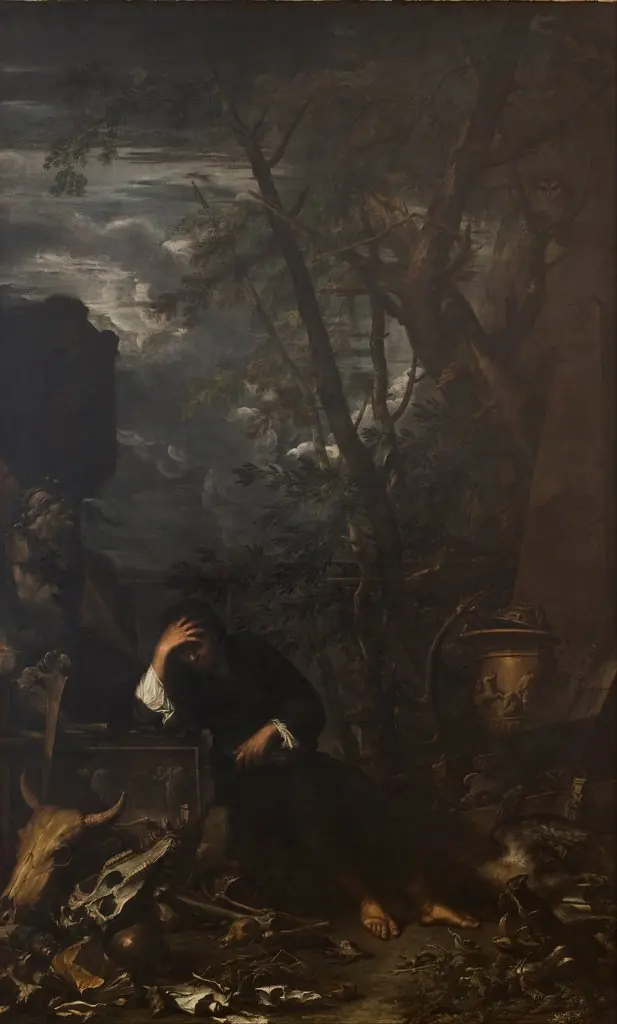
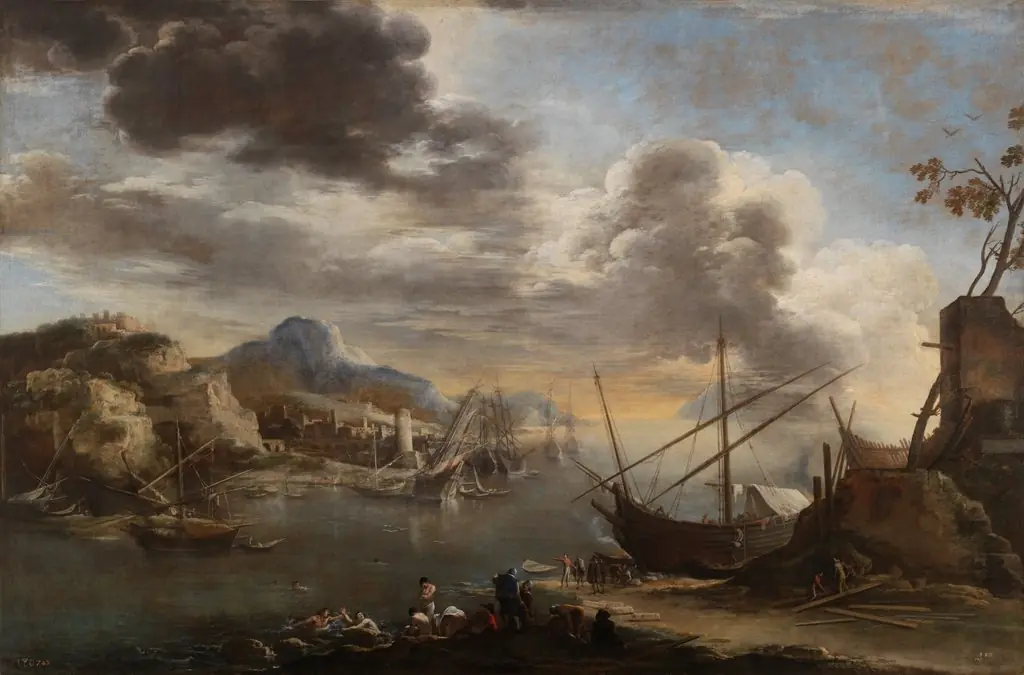
- Ruins in a Rocky Landscape
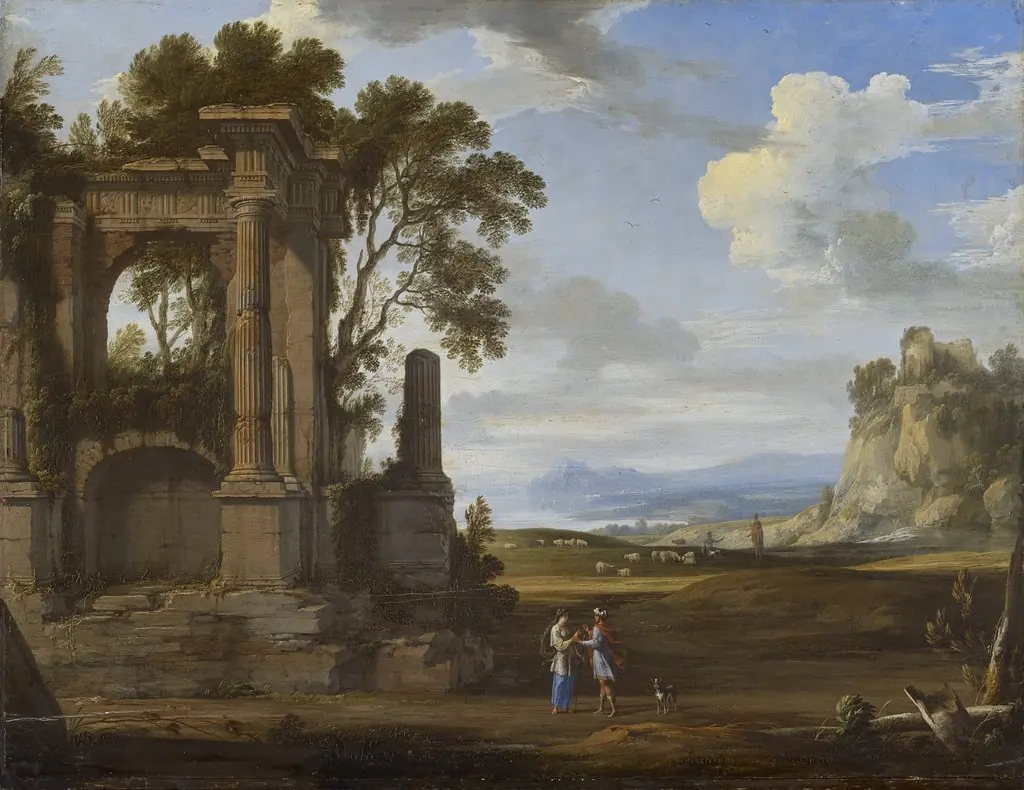 A Classical Landscape with Judah and Tamar
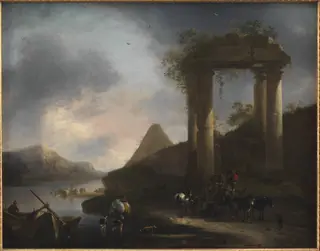 Italian Landscape with Classical Ruins
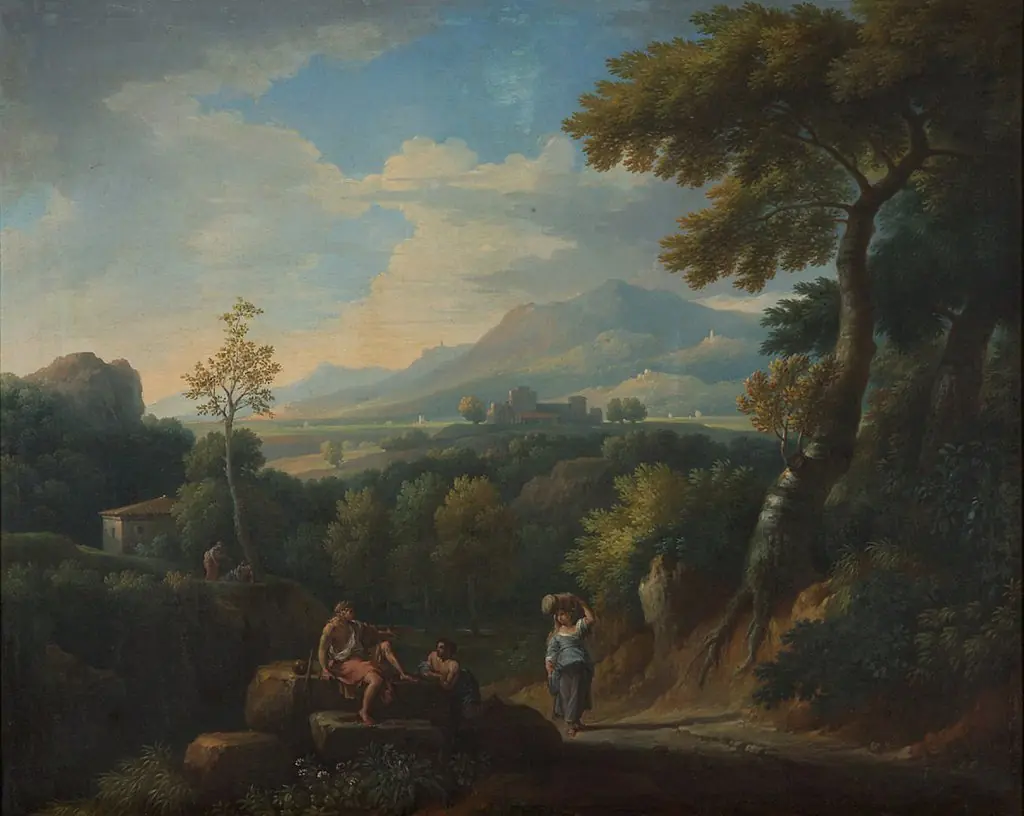 Italian Landscape
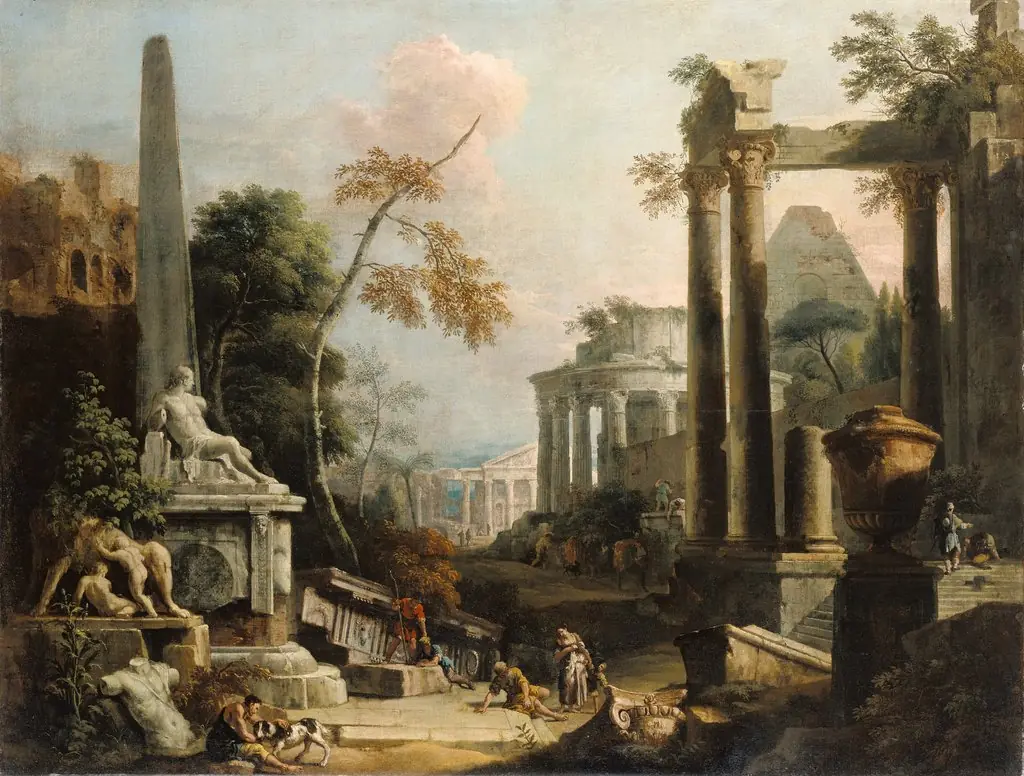 Landscape with Classical Ruins and Figures
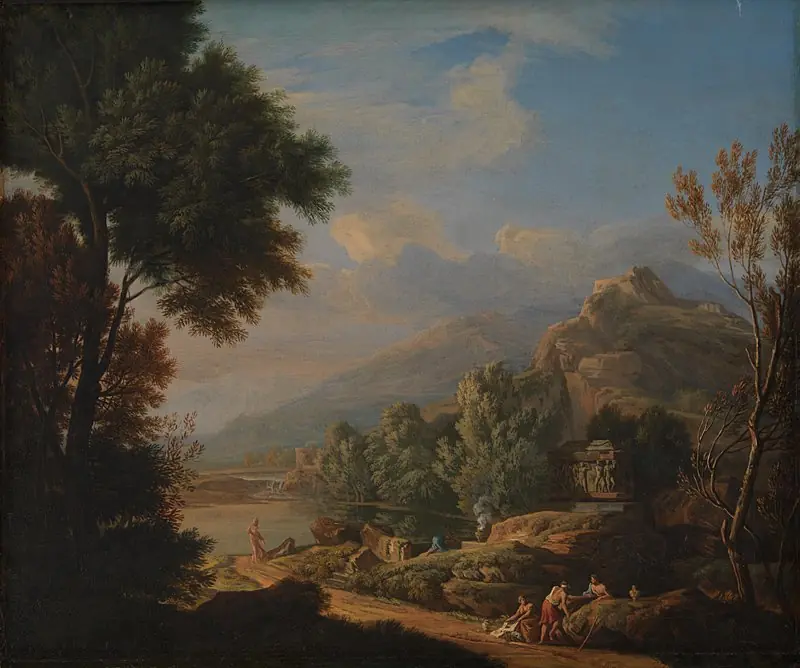 Arcadian Landscape
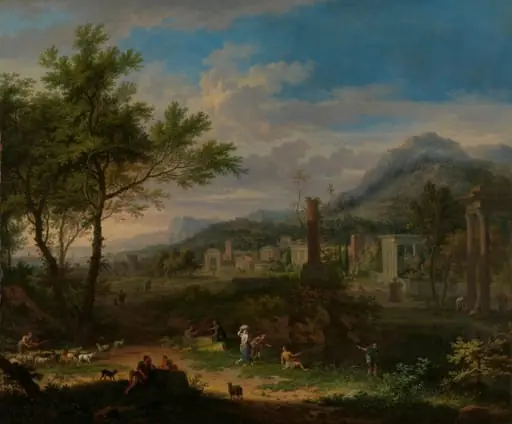 Arcadian Landscape with Fishermen
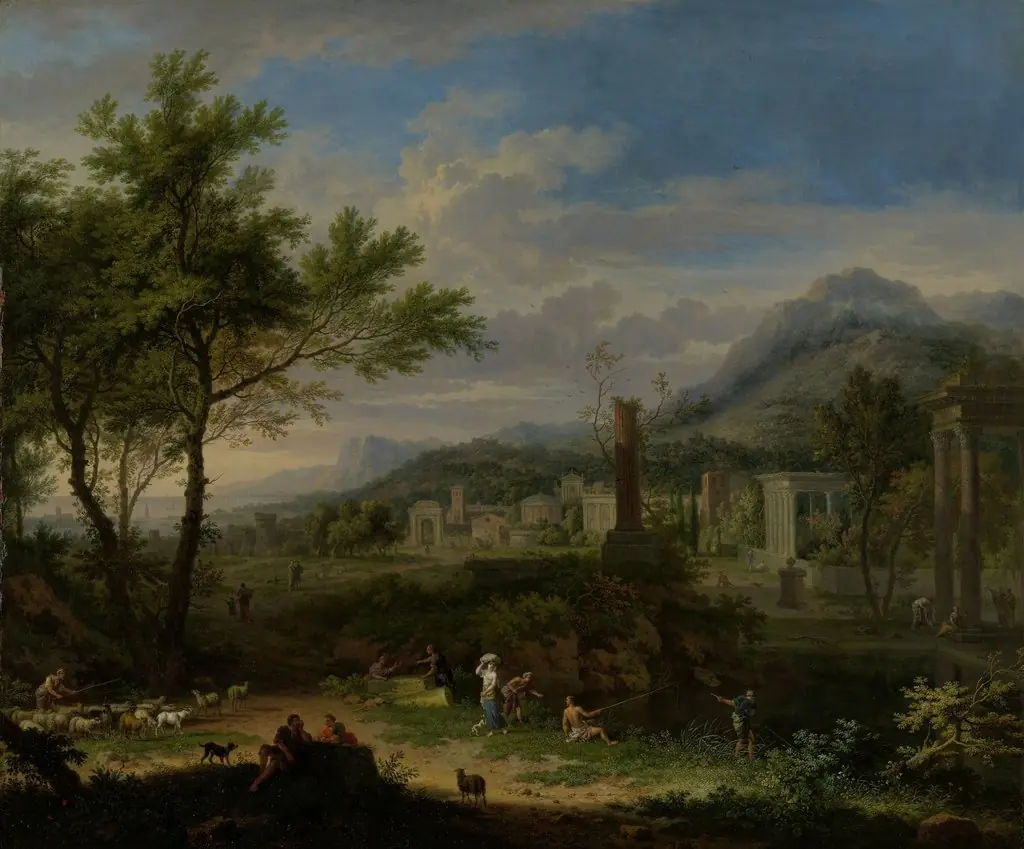 Arcadian Landscape with Fishermen
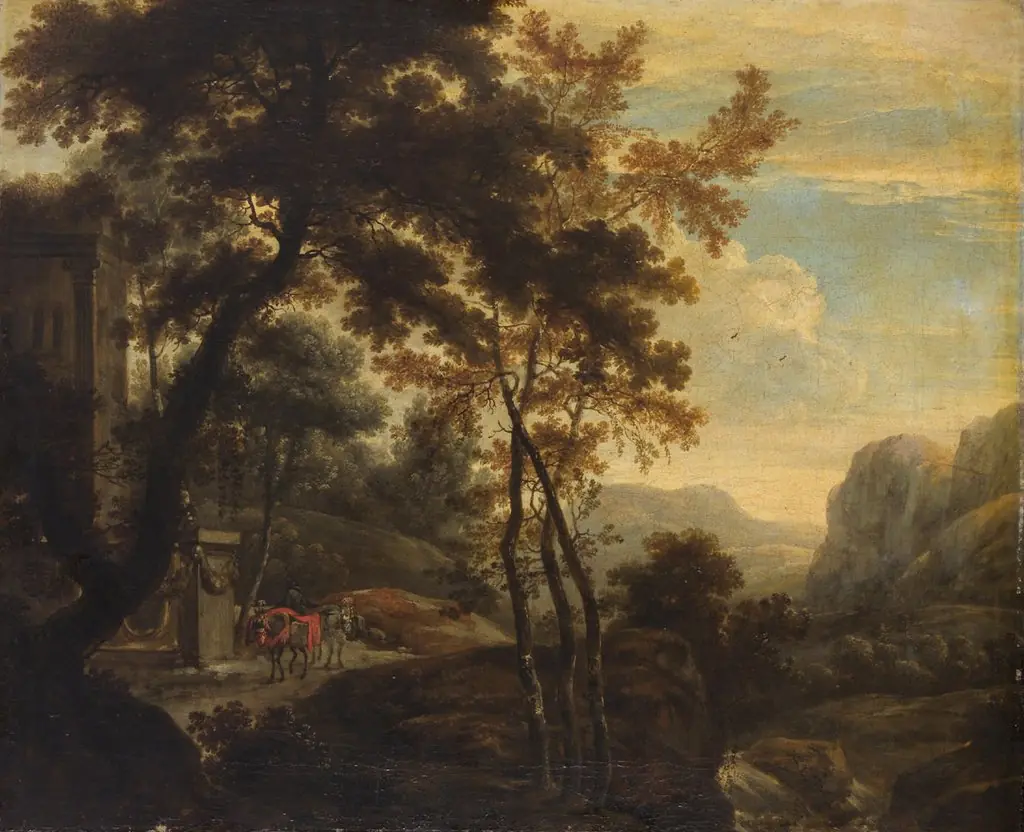 Mountainous landscape
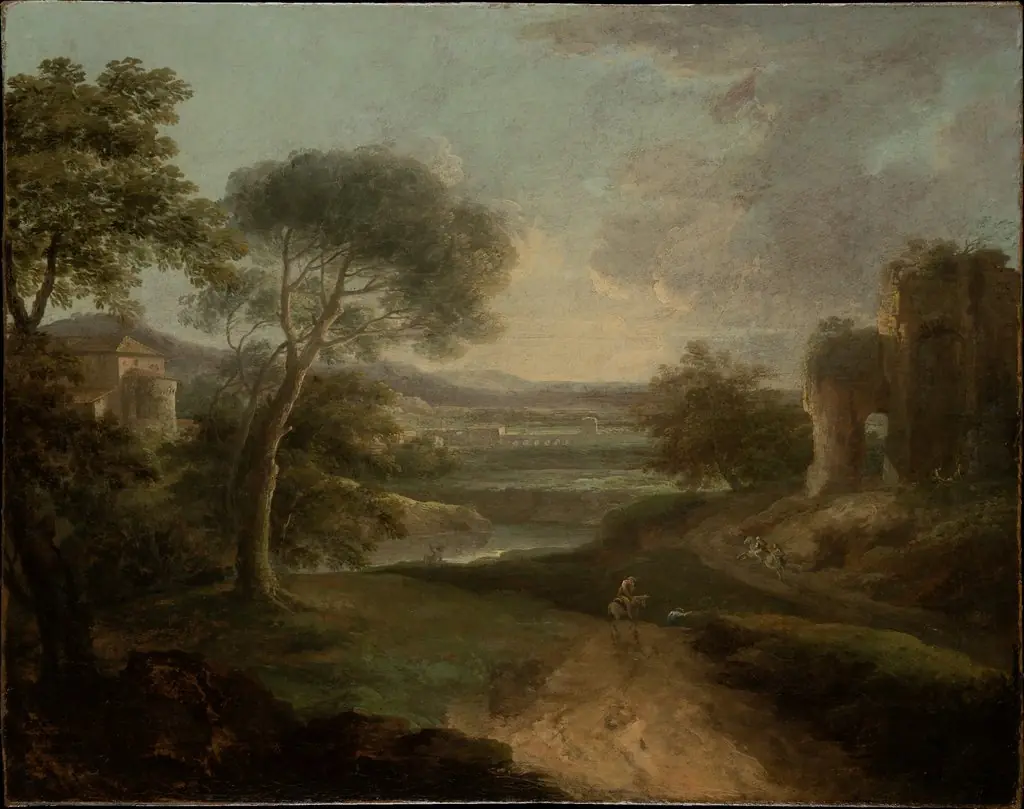 Landscape near Rome
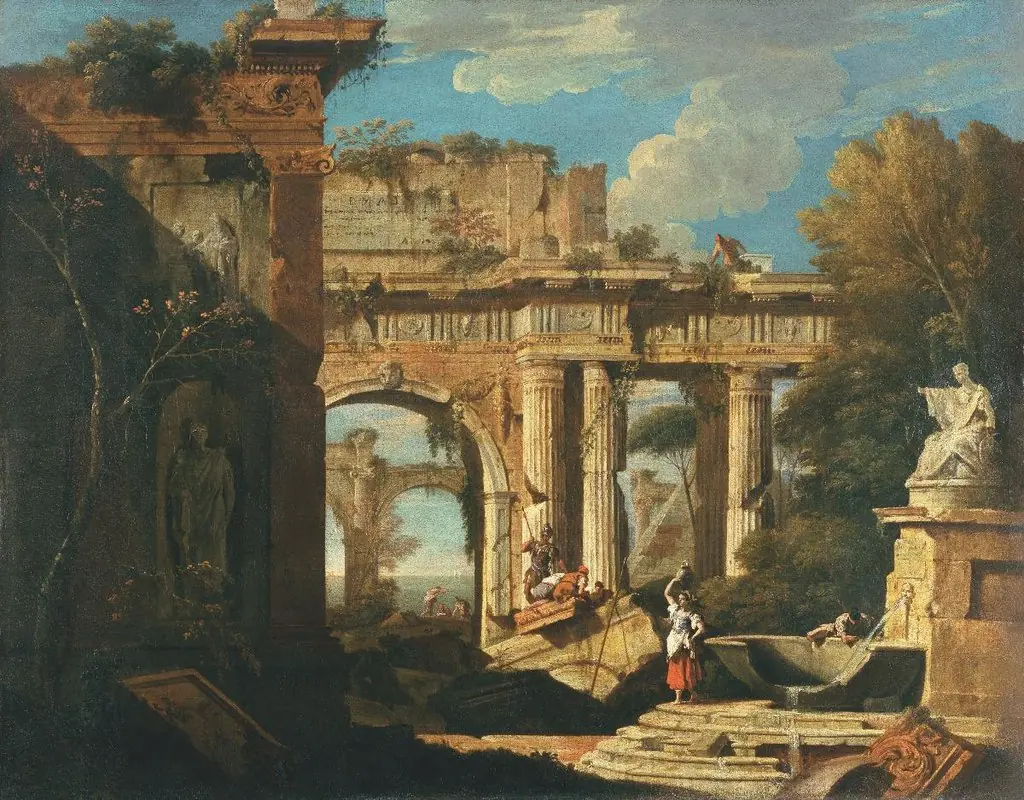 Capriccio con rovine romane
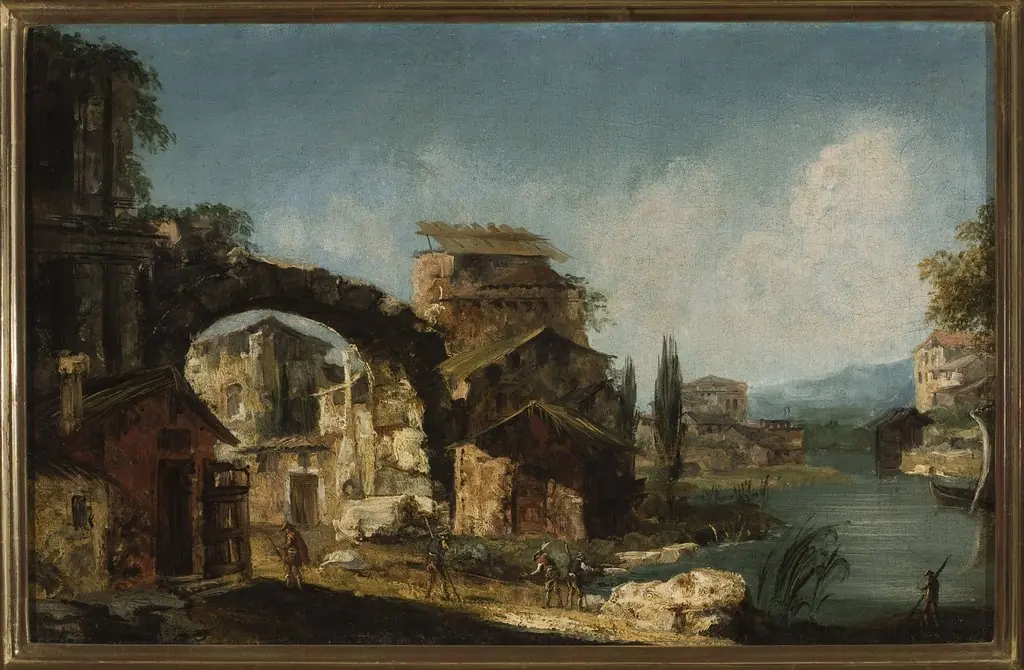 Landscape with ruins