Artwork
Futtypore Sikri—Two of the Marbled Screens in the Tomb of Sheik Selim Chisti
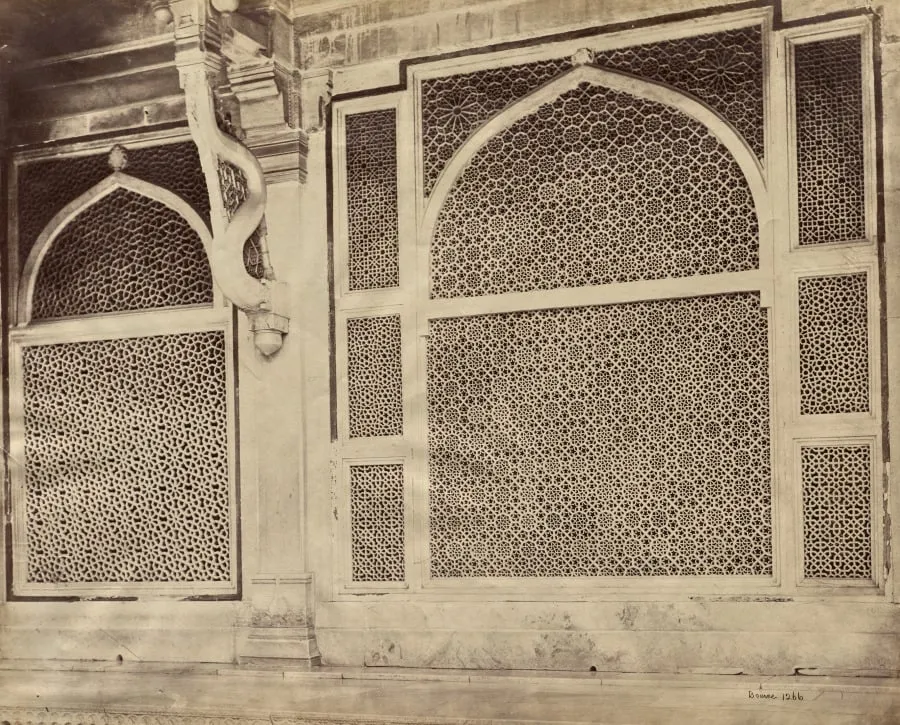
Futtypore Sikri—Two of the Marbled Screens in the Tomb of Sheik Selim Chisti is a photography by the Impressionist artist Samuel Bourne. It dates from 1866 and is held in the collection of the Cleveland Museum of Art. This photograph captures two intricately carved marble screens within the Tomb of Sheikh Salim Chisti in Fatehpur Sikri, India.
- Accession no.
- 2024.79
- Credit line
- Purchase from the J. H. Wade Fund
About this work
Bourne traveled to India in 1863, lugging heavy cameras and glass plates to photograph places most Britons never saw.
Sunlight filters through two white marble screens carved like lace. The stone glows, almost soft to the touch.
These screens sit in a tomb built for a Sufi saint in 1580. The Mughal emperor Akbar ordered it after the saint’s prayers gave him a son. Bourne traveled to India in 1863, lugging heavy cameras and glass plates to photograph places most Britons never saw.
Look up more photographs of India by Samuel Bourne.
Overview
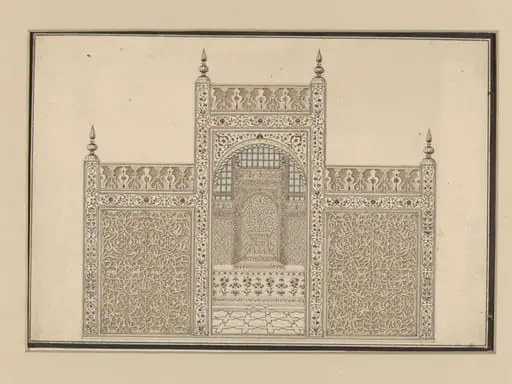
This photograph captures two intricately carved marble screens within the Tomb of Sheikh Salim Chisti in Fatehpur Sikri, India. The image documents a key architectural feature of the mausoleum, constructed in the late 16th century under Mughal Emperor Akbar. The screens exemplify the refined craftsmanship characteristic of Mughal design, blending functional and decorative elements within a sacred space.
Subject & Meaning
The screens form part of the tomb’s interior, where light and shadow interact with the delicate stonework to create an ethereal effect. Their geometric and floral patterns reflect Islamic artistic traditions, emphasizing harmony and precision. The mausoleum itself commemorates Sheikh Salim Chisti, a Sufi saint whose intercession Akbar credited with securing his heir, underscoring the spiritual significance of the site.
Technique & Style
The marble screens display jali work, a technique involving perforated stone carving that allows light to pass through while maintaining structural integrity. The patterns combine calligraphic and vegetal motifs, typical of Mughal architecture, achieving a balance between openness and enclosure. The photograph’s composition highlights the contrast between the solid stone and the luminous voids, emphasizing the screens’ craftsmanship.
History & Provenance
The tomb was commissioned by Akbar in 1580–1581, shortly after the saint’s death, and completed under his patronage. The photograph was taken by Samuel Bourne, a British photographer who documented Indian landscapes and monuments in the 1860s. Bourne’s work, produced using large-format cameras and glass plates, contributed to Western awareness of Mughal architecture during the colonial period.
Context
Fatehpur Sikri served briefly as Akbar’s capital before being abandoned due to water shortages. The tomb’s construction reflects the emperor’s devotion to Sufi mysticism and his efforts to legitimize his rule through spiritual patronage. The photograph emerges from a broader 19th-century interest in cataloging non-Western architectural traditions, often framing them within colonial narratives of discovery and preservation.
Legacy
The Tomb of Sheikh Salim Chisti remains a prominent example of Mughal architecture, recognized for its aesthetic and spiritual dimensions. Bourne’s photograph preserves a visual record of the site’s condition in the mid-19th century, offering insight into both the monument’s endurance and the historical practices of colonial photography. The image continues to inform studies of Mughal art and architectural heritage.
Artist & collection

Artist
Samuel Bourne was a British photographer known for his prolific seven years' work in India, from 1863 to 1870.

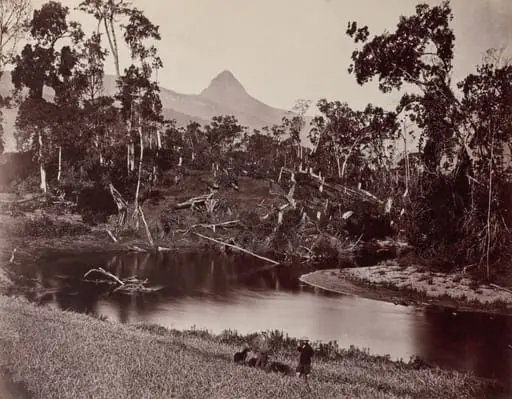 Ceylon Views to Adam's Tooth
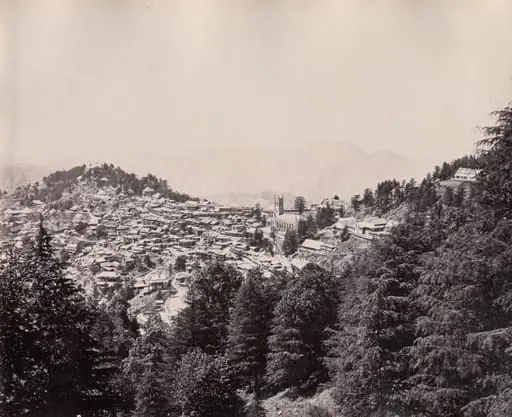 Shimla
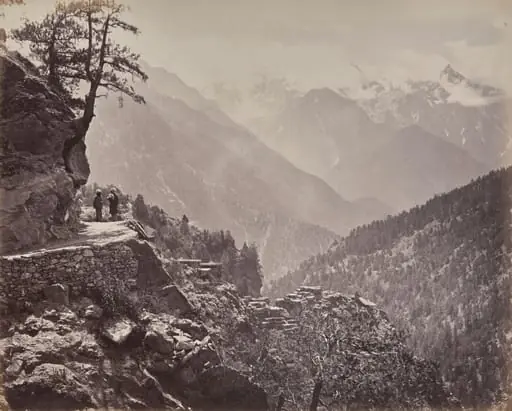 The Upper Himmalayahs. View on the New Road between India and China. Mt. Pangi with the Snowy Peaks of China in the Distance
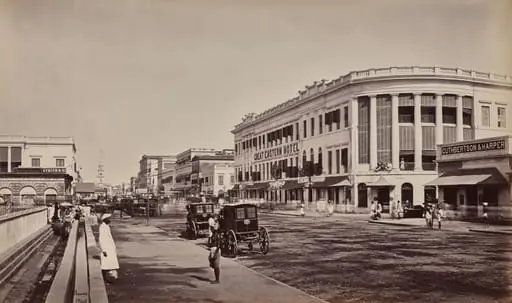 Calcutta. Old Court House Street
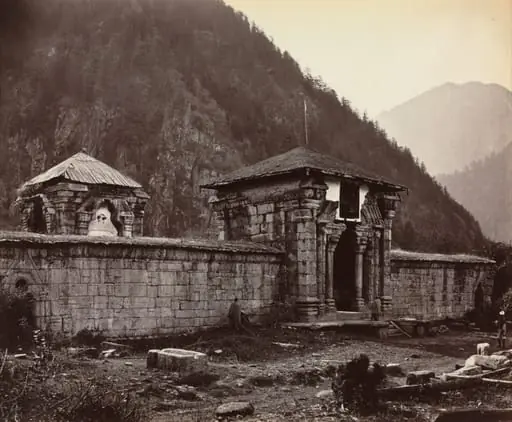 Temple at Naveshera, Kashmir, India
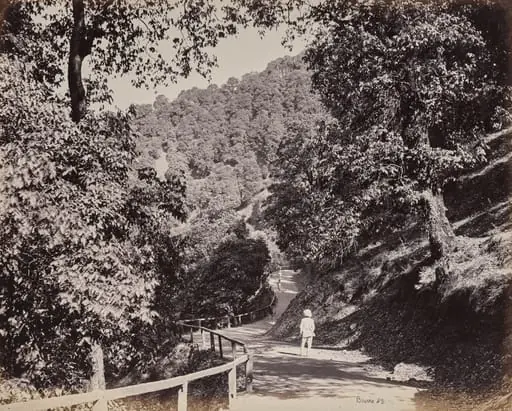 Shimla. The Mall near Rabq Lodge
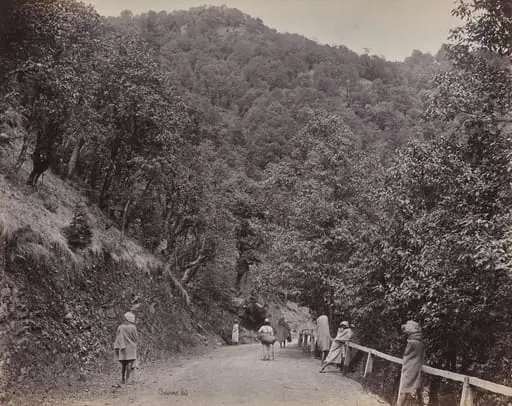 Shimla. The Mall or Principal
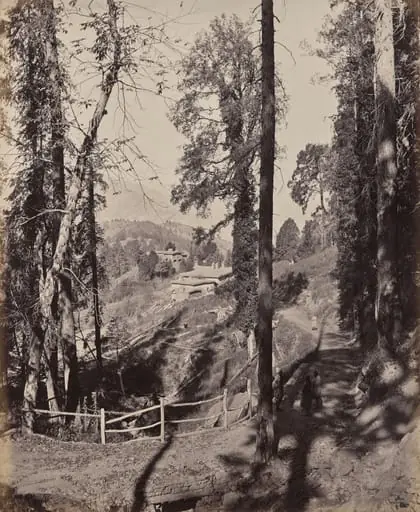 Murree. A Hill Station in the Himmalayahs, View Through the Forest