Artwork
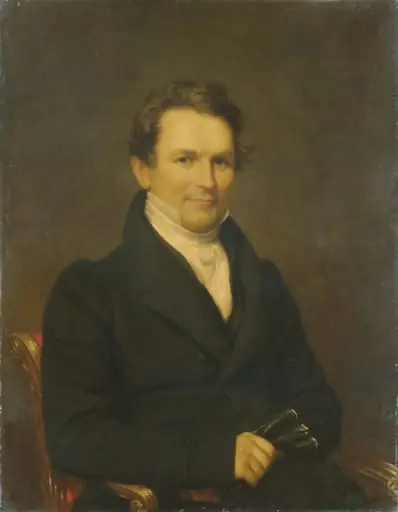
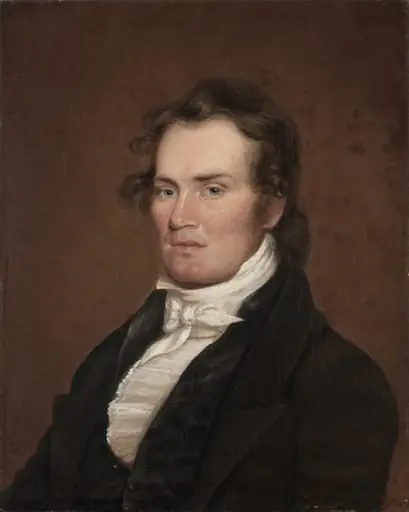
Portrait of a Man
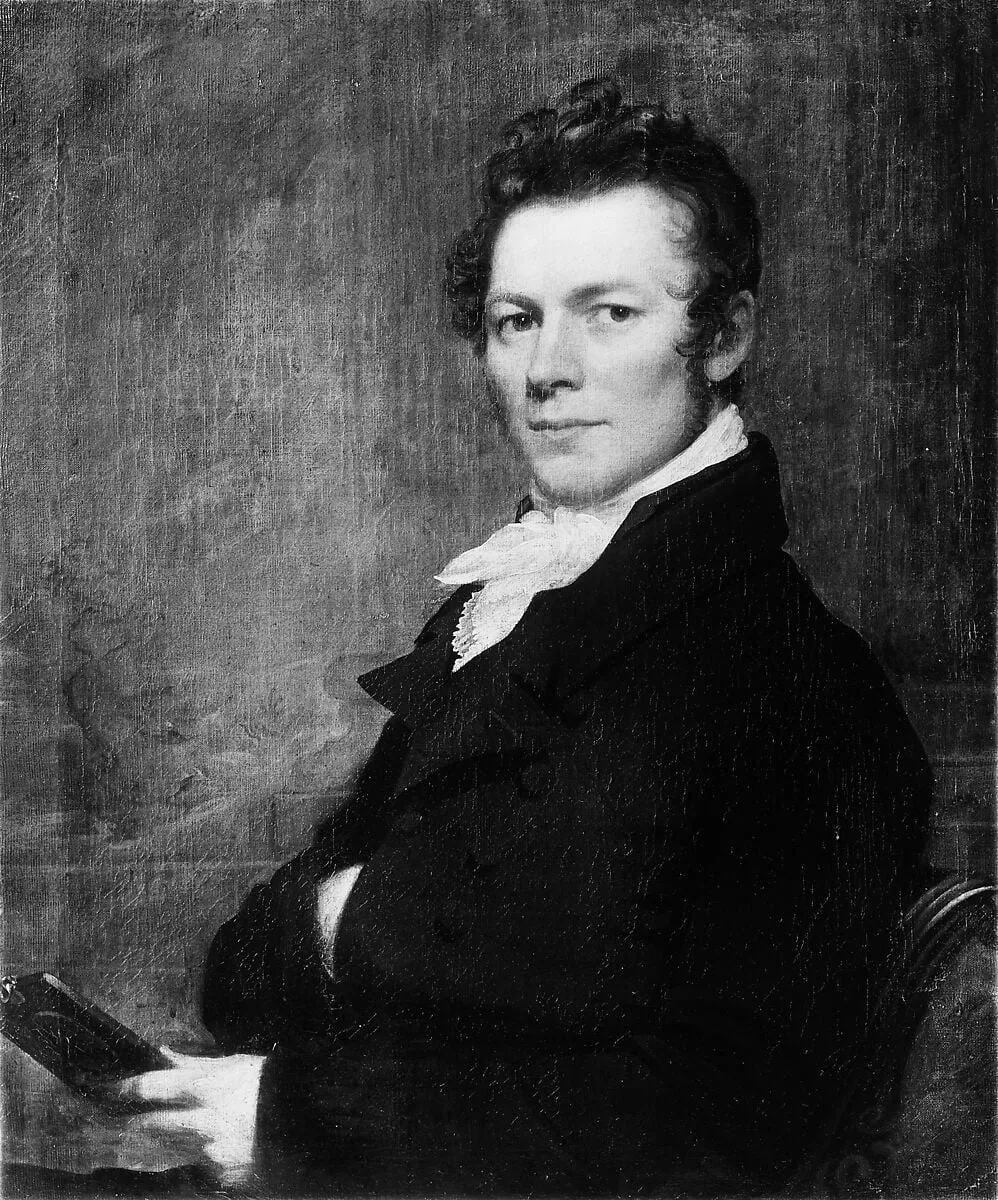
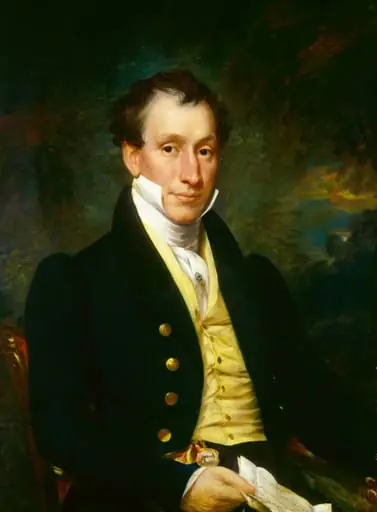
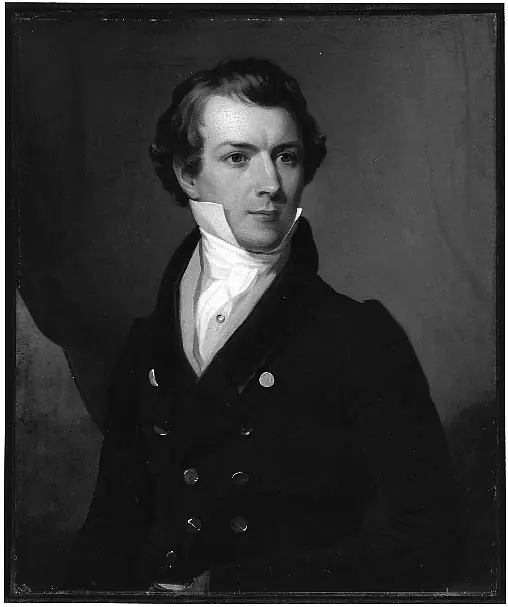
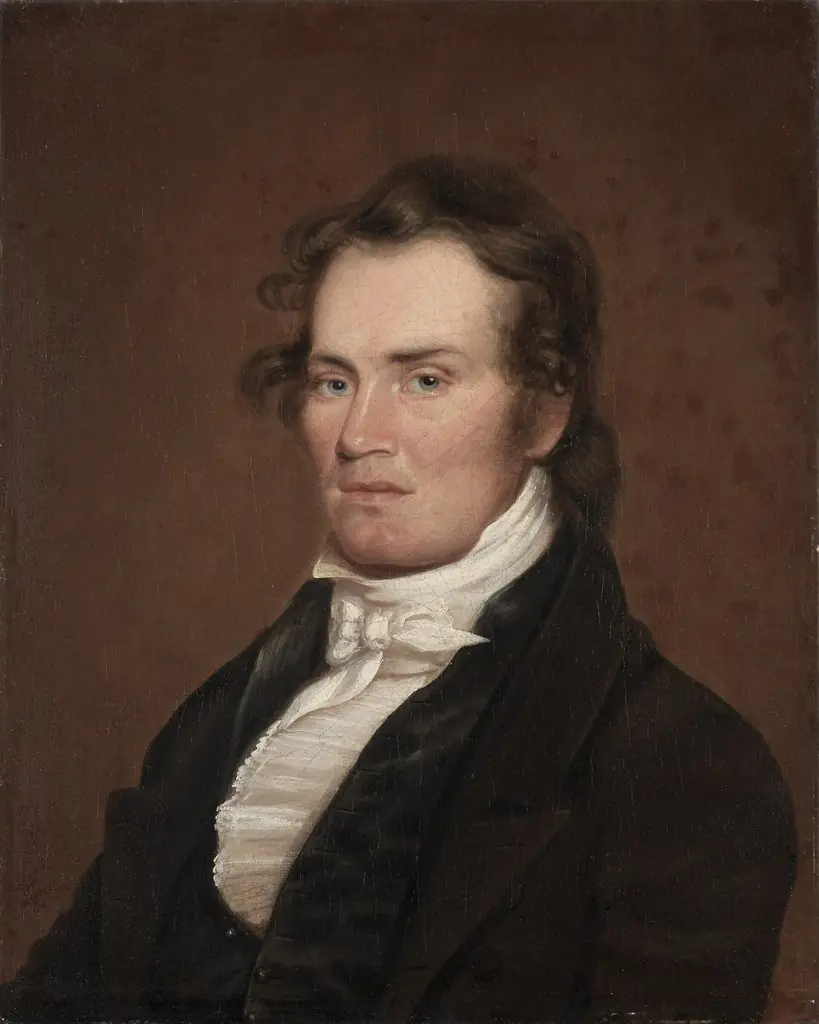
Portrait of a Man is an oil painting by the American Folk Art artist Samuel Lovett Waldo. It dates from 1820 and is held in the collection of the Metropolitan Museum of Art.
About this work
Technique & Style
The painting is executed in oil on canvas, using oil paint applied to a stretched canvas support typical of early-19th-century American portraiture.
The painting is executed in oil on canvas, using oil paint applied to a stretched canvas support typical of early-19th-century American portraiture. As a portrait, it depicts a solitary male sitter rendered with realistic facial detail and a muted palette, consistent with the genre's emphasis on individual characterization. The composition's modest scale, measured at 76.5 cm by 63.8 cm, aligns with standard portrait dimensions of the era.
History & Provenance
Portrait of a Man, painted by Samuel Lovett Waldo in 1820, is an oil on canvas portrait measuring 76.5 × 63.8 cm. The work depicts a solitary man and belongs to the genre of portraiture within the American Wing classification at the Metropolitan Museum of Art, where it has been part of the museum's collection. Its creation history is anchored in the early-nineteenth-century American art market, with the artist's documented date of execution recorded as 1820. The provided sources do not contain specific inventory or accession numbers, nor do they list any past exhibition history for the painting.
Overview
Samuel Lovett Waldo's "Portrait of a Man," painted around 1820, is an oil on canvas depicting an unidentified male sitter. This work exemplifies early 19th-century American portraiture, capturing the subject in a direct gaze that engages the viewer. It offers insight into the period's sartorial conventions and artistic trends, reflecting the era's approach to individual representation.
Subject & Meaning
The painting presents a seated man, whose direct gaze establishes an immediate connection with the observer. His period-specific attire, including clothing and hairstyle, serves as a historical document, illustrating the fashion and social norms prevalent in the early 1820s. While the sitter's identity remains unknown, the portrait provides a valuable visual record of contemporary appearance and social presentation.
Context
Created in the early 19th century, this portrait reflects the prevailing artistic environment in the United States, where portraiture served as a primary means of artistic expression and social documentation. Artists like Waldo catered to a growing demand for likenesses, capturing the appearance of individuals from various social strata. The work contributes to understanding the visual culture of post-Revolutionary America.
Artist & collection