Artwork
Matthew Clarkson
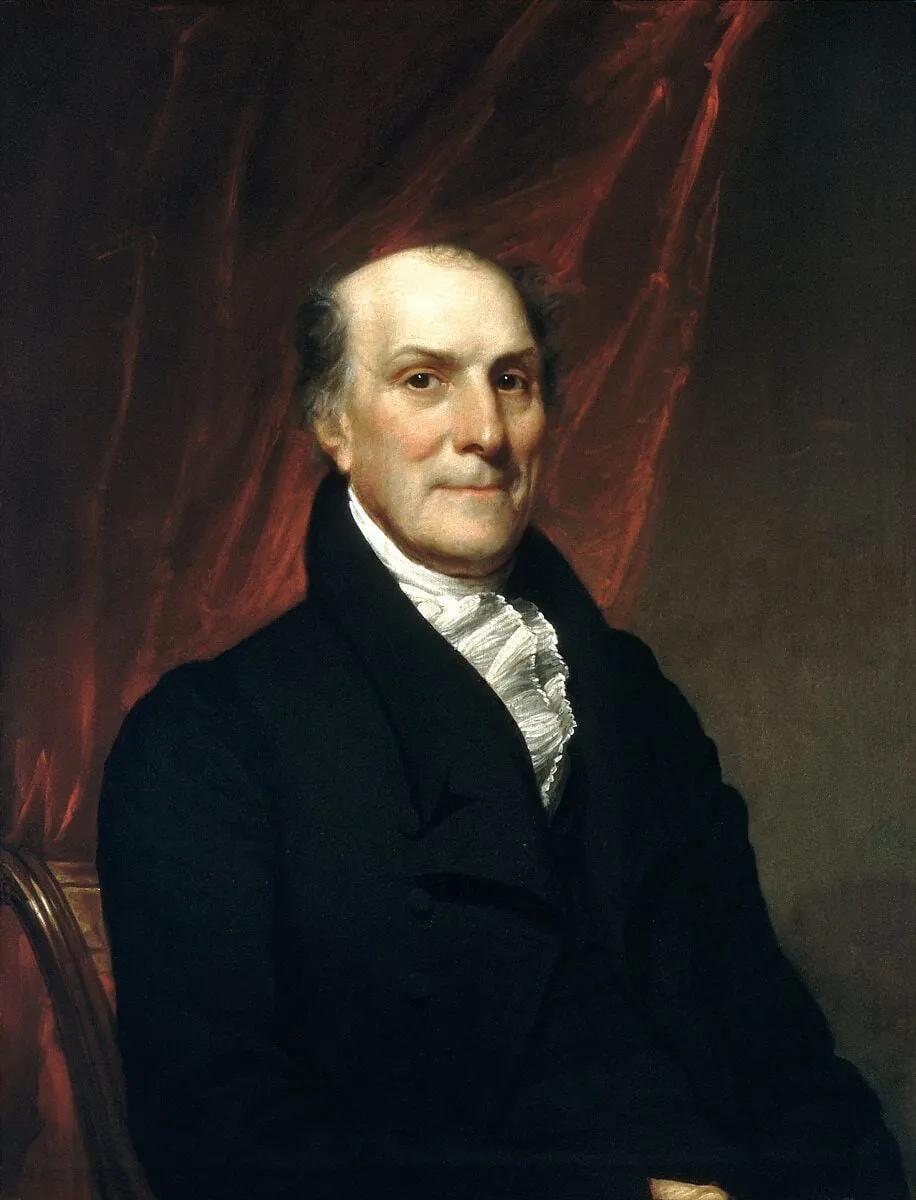
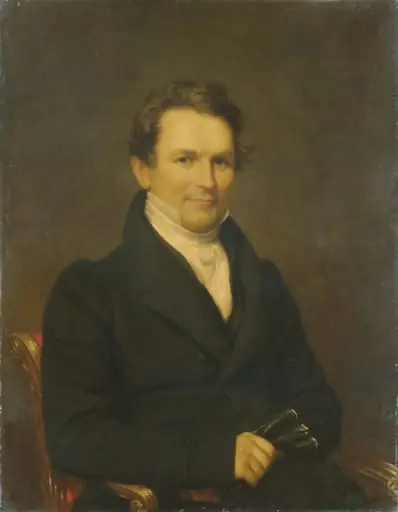
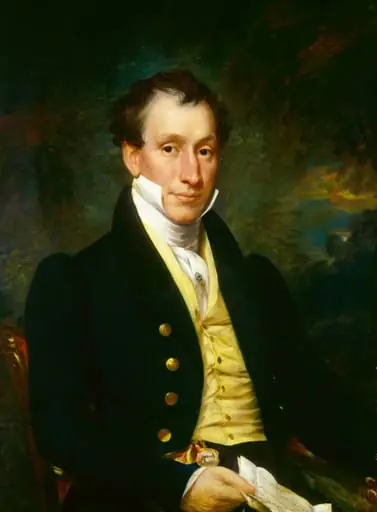
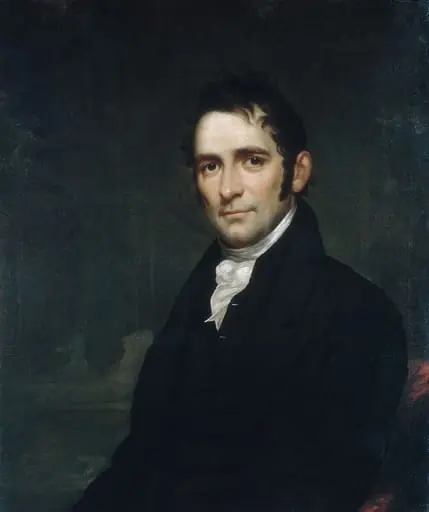
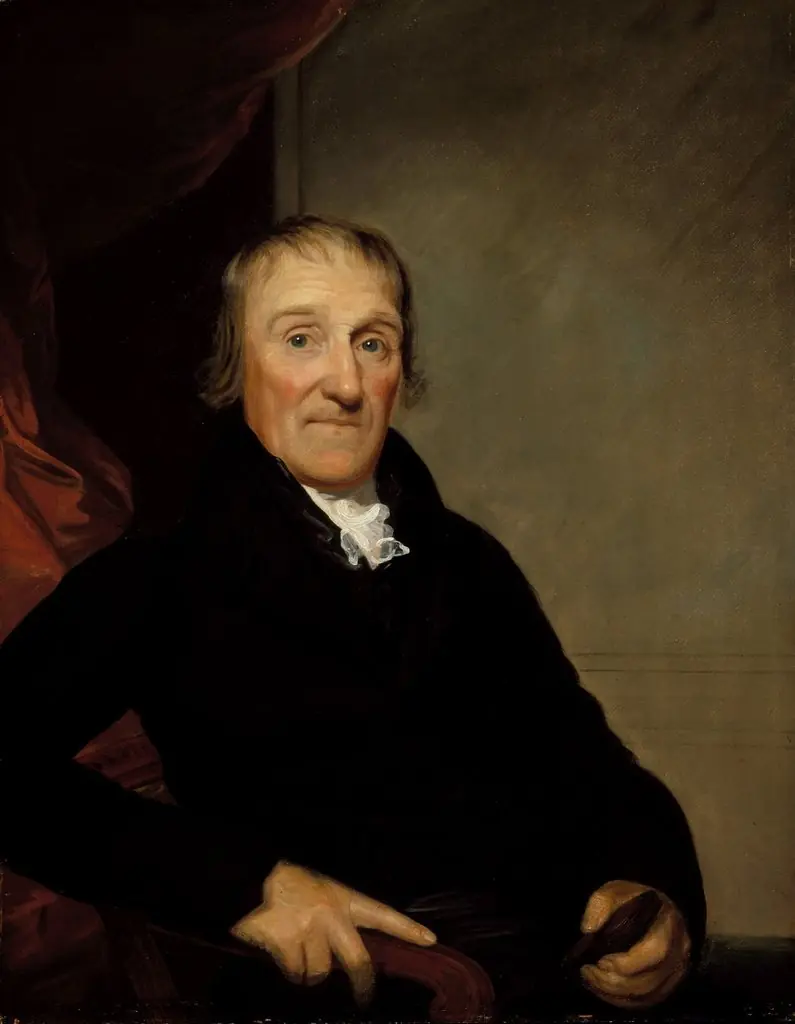
Matthew Clarkson is an oil painting by the American Impressionist artist Samuel Lovett Waldo. It dates from 1823 and is held in the collection of the Metropolitan Museum of Art.
About this work
Technique & Style
The portrait is painted in oil on a wood panel support, a common practice in early nineteenth-century American portraiture for its durability and fine grain.
The portrait is painted in oil on a wood panel support, a common practice in early nineteenth-century American portraiture for its durability and fine grain. The handling is smooth and refined, with careful attention to facial modeling to convey the sitter’s features and character. The composition is centered on the bust-length figure, with subdued lighting that emphasizes the face while softly blending the edges of the coat and background.
The formal style aligns with the period’s neoclassical influence, evident in the restrained palette, clear contours, and emphasis on individual likeness over dramatic expression.
History & Provenance
The portrait of Matthew Clarkson was executed in 1823 by the artist Samuel Lovett Waldo. Created using oil paint on a wood panel, the work measures 83.8 cm in height and 65.1 cm in width. The painting was commissioned to depict a man and is classified within the genre of portraiture.
Since its inception, the artwork has been held in the collection of the Metropolitan Museum of Art, where it remains located. It is currently part of the museum's American Wing, reflecting its status as a significant piece of early 19th-century American portraiture.
Overview
Samuel Lovett Waldo completed this oil portrait of Matthew Clarkson in 1823. Rendered on wood, the painting captures a male subject, presenting a direct and composed likeness. It exemplifies the prevalent style of portraiture during the early 19th century in America, focusing on individual representation and the depiction of prominent citizens of the era.
Subject & Meaning
The sitter, Matthew Clarkson, is depicted with a serious demeanor, dressed in a dark coat. He holds a folded piece of paper, a detail that initially suggests a document of significance. However, this element is a trompe l'oeil, painted to appear real yet blank.
This subtle artistic device invites contemplation about the subject's public or private role, perhaps hinting at an individual of influence or a contemplative figure.
Context
This portrait is part of the American Wing, a collection dedicated to the art and decorative arts of the United States. Its inclusion highlights its contribution to understanding American visual culture and the tradition of portraiture during the Federal period. Such works served not only as personal mementos but also as public statements, documenting individuals within their social and historical landscape.
Artist & collection