Artwork
Belshazzar's Vision
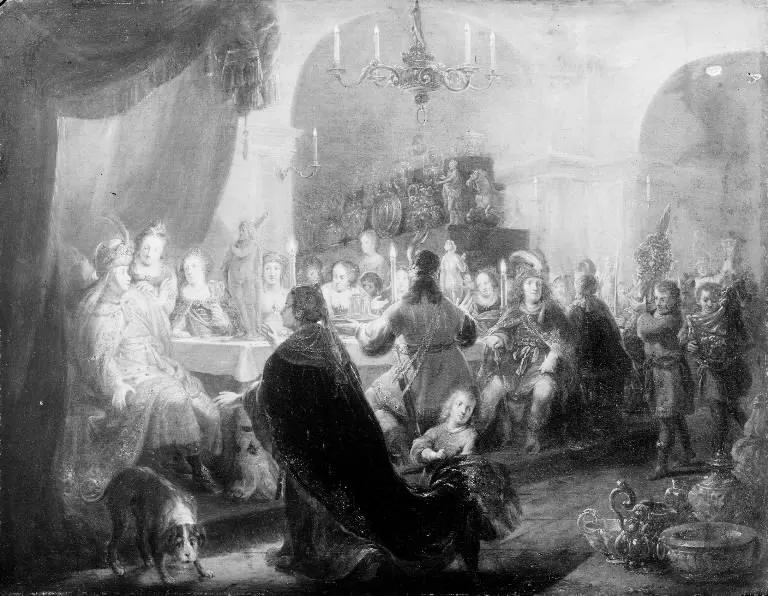
Belshazzar's Vision is an oil painting by the Dutch Golden Age artist Samuel van Hoogstraten. It dates from 1659 and is held in the collection of the Statens Museum for Kunst.
About this work
Subject & Meaning
The painting thereby functions as a moralizing image, inviting viewers to contemplate the consequences of pride and impiety.
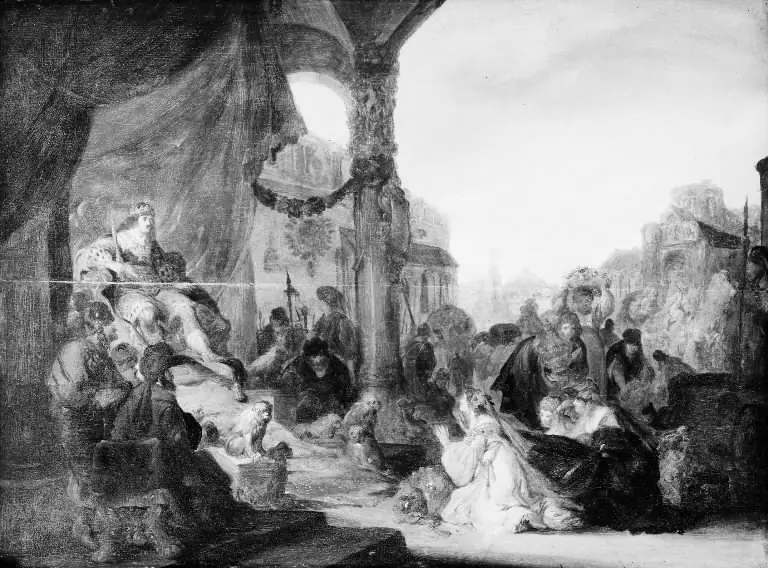
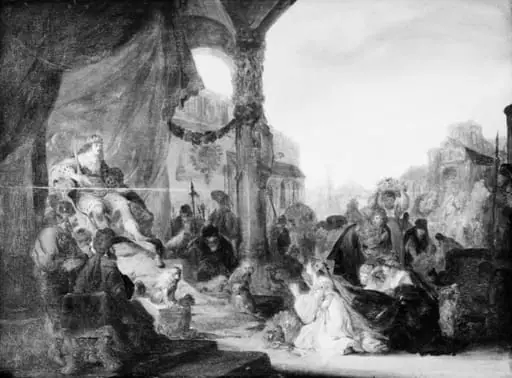
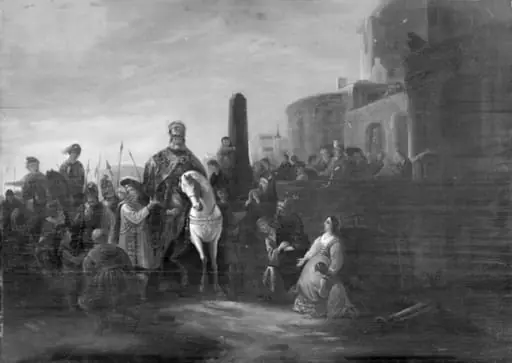
Belshazzar's Vision depicts the Old Testament narrative of Belshazzar, identified in the source as the painting's main subject drawn from the Book of Daniel, chapter 5. The work is classified within the religious genre, presenting Samuel van Hoogstraten's interpretation of the biblical episode in which the Babylonian king Belshazzar witnesses a supernatural portent during a sacrilegious feast, the moment when a disembodied hand inscribes a divine judgment on the palace wall, foretelling the fall of his kingdom. By anchoring the canvas in this well-known scriptural episode, van Hoogstraten engages with themes of divine retribution, the transience of worldly power, and the prophetic role of Daniel, who in the biblical account interprets the writing for the king.
The painting thereby functions as a moralizing image, inviting viewers to contemplate the consequences of pride and impiety.
The iconographic focus on Belshazzar himself, as recorded in the work's depicted subject, signals that the composition centers on the king's confrontation with the supernatural sign rather than on the broader banquet scene, lending the image a concentrated dramatic intensity tied to its scriptural source.
Technique & Style
Belshazzar's Vision is an oil painting on canvas, classified as a religious work executed by Samuel van Hoogstraten in 1659. The medium is oil paint, and the support is canvas, consistent with the standard practice of Dutch seventeenth-century easel painting. The work is held by the Statens Museum for Kunst.
No additional information regarding specific handling, surface condition, or stylistic qualities is documented in the available sources.
History & Provenance
The painting was created in 1659 by Samuel van Hoogstraten, as indicated by the artist’s date on the work and corroborated by its Wikidata entry.
It entered the collection of the Statens Museum for Kunst in Copenhagen, where it remains in the museum’s holdings. The work depicts the biblical episode of Belshazzar’s Vision from the Book of Daniel (Daniel 5), aligning with its documented subject matter.
Samuel van Hoogstraten's 1659 oil painting Belshazzar's Vision is held in the collection of the Statens Museum for Kunst in Copenhagen. The work, which depicts the biblical scene from Daniel 5, is cataloged within the museum's holdings as a religious genre piece executed on canvas.
Overview
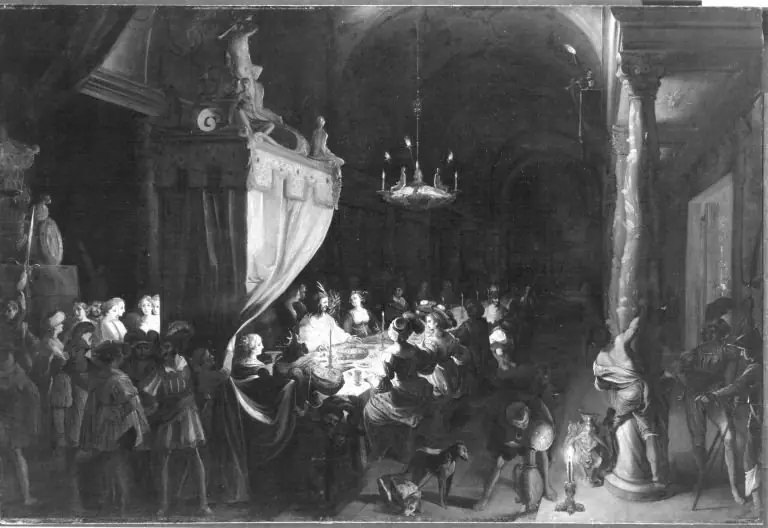
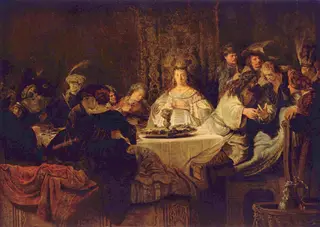
Samuel van Hoogstraten’s 1659 oil painting Belshazzar’s Vision presents a nocturnal banquet scene rendered in the Dutch Golden Age style. The canvas, now part of the Statens Museum for Kunst collection, captures a moment from the biblical narrative of King Belshazzar, using a composition that draws the eye to the central figures amid a dimly lit hall.
Artist & collection
Artist
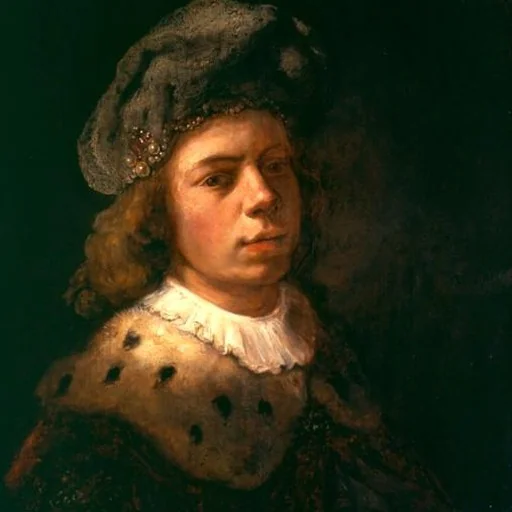
Samuel Dirksz van Hoogstraten (2 August 1627 in Dordrecht – 19 October 1678 in Dordrecht) was a Dutch Golden Age painter, who was also a poet and author on art theory.

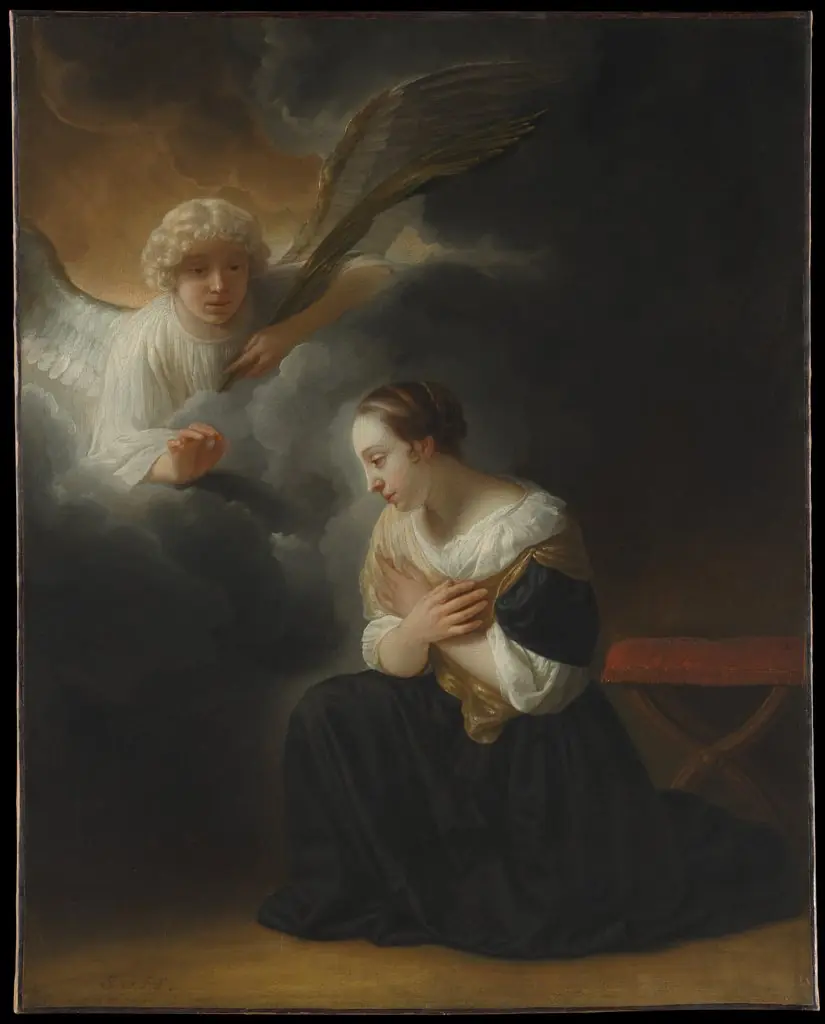 The Annunciation of the Death of the Virgin
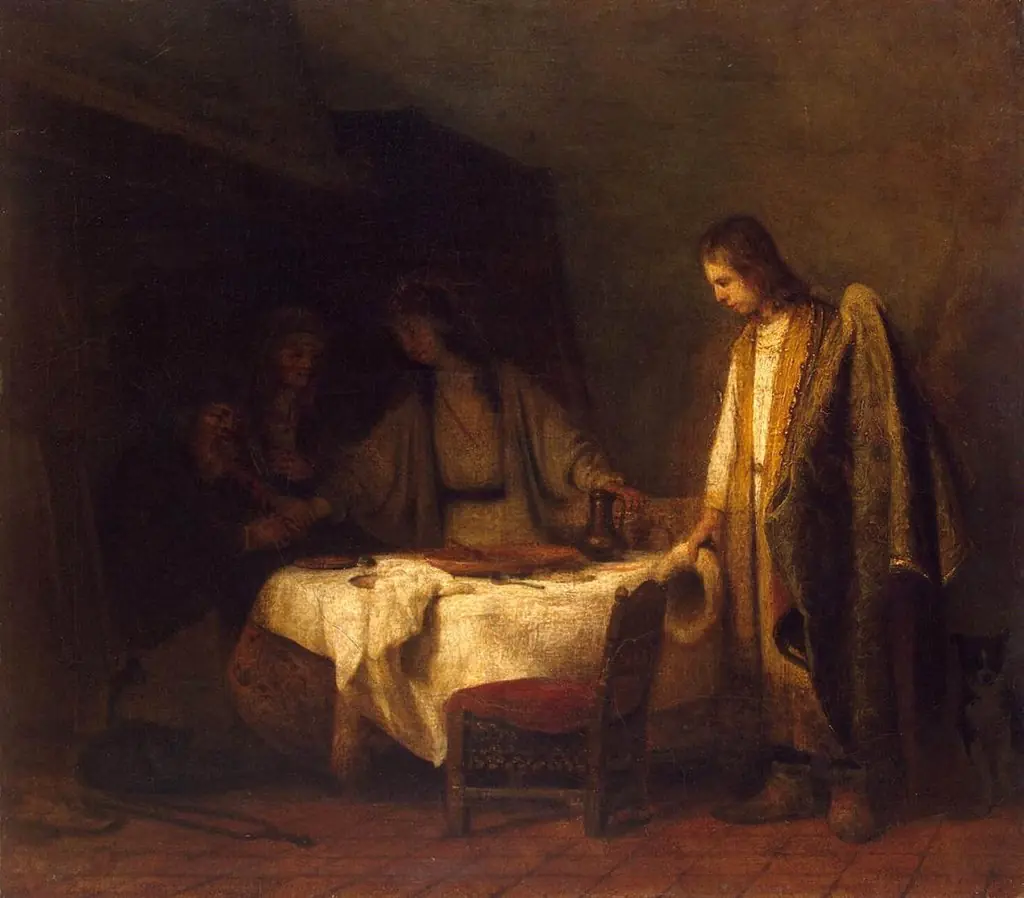 Tobias's Farewell to his Parents
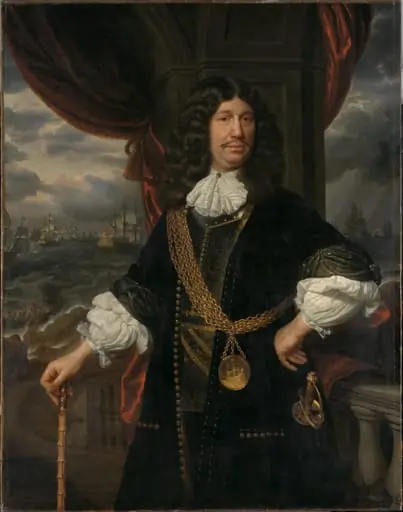 Portrait of Mattheus van den Broucke (1620-1685). Councillor of the Indies
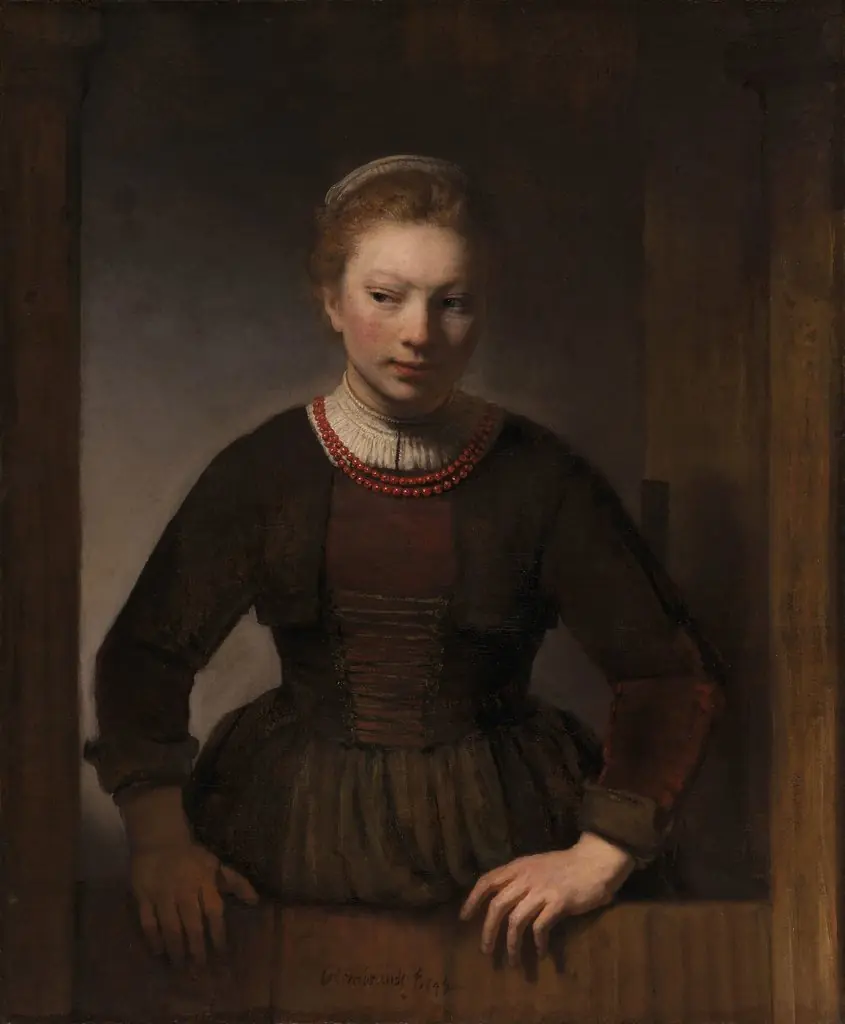 Young Woman at an Open Half-Door
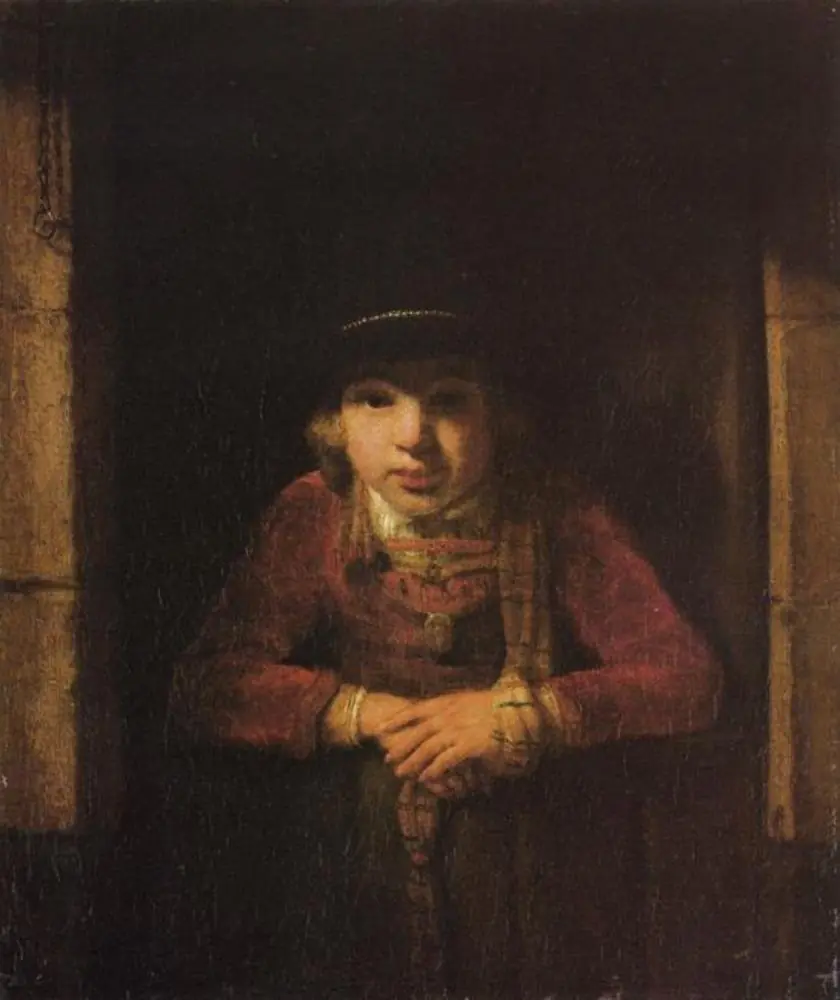 Boy Looking through the Window
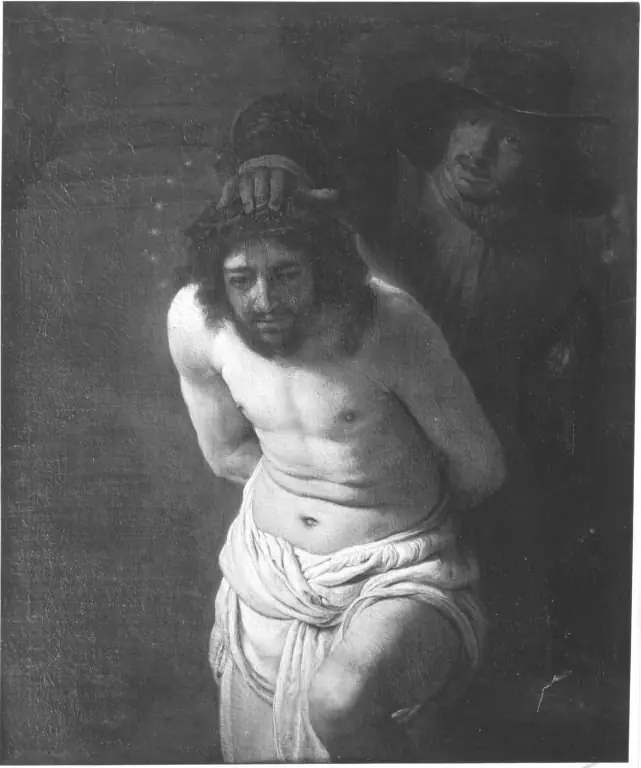 Christ crowned with thorns
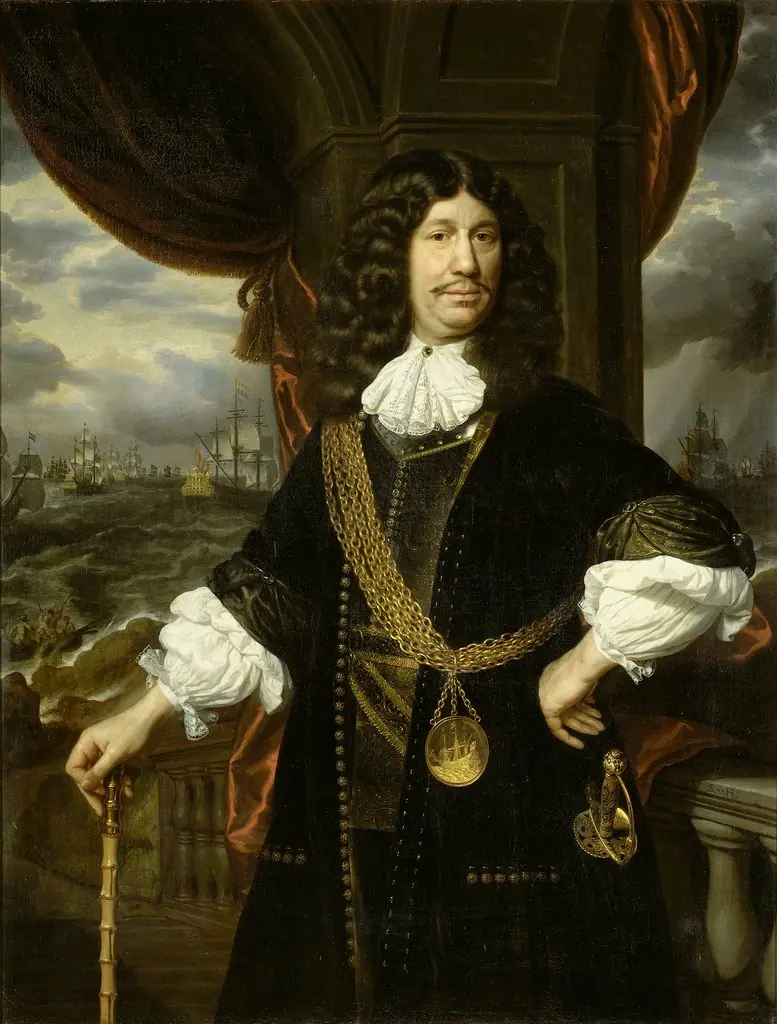 Portrait of Mattheus van den Broucke (1620-85), Governor of the Indies, with the gold chain and medal presented to him by the Dutch East India Company in 1670
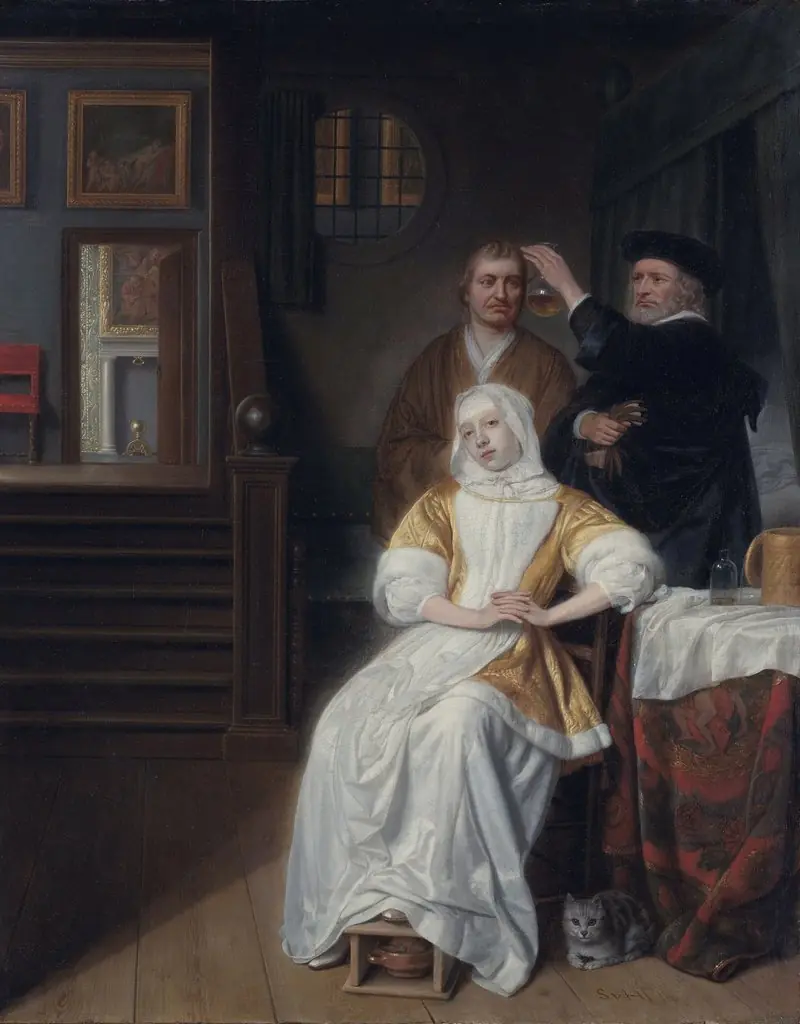 'The anemic lady'