Artwork
'The anemic lady'
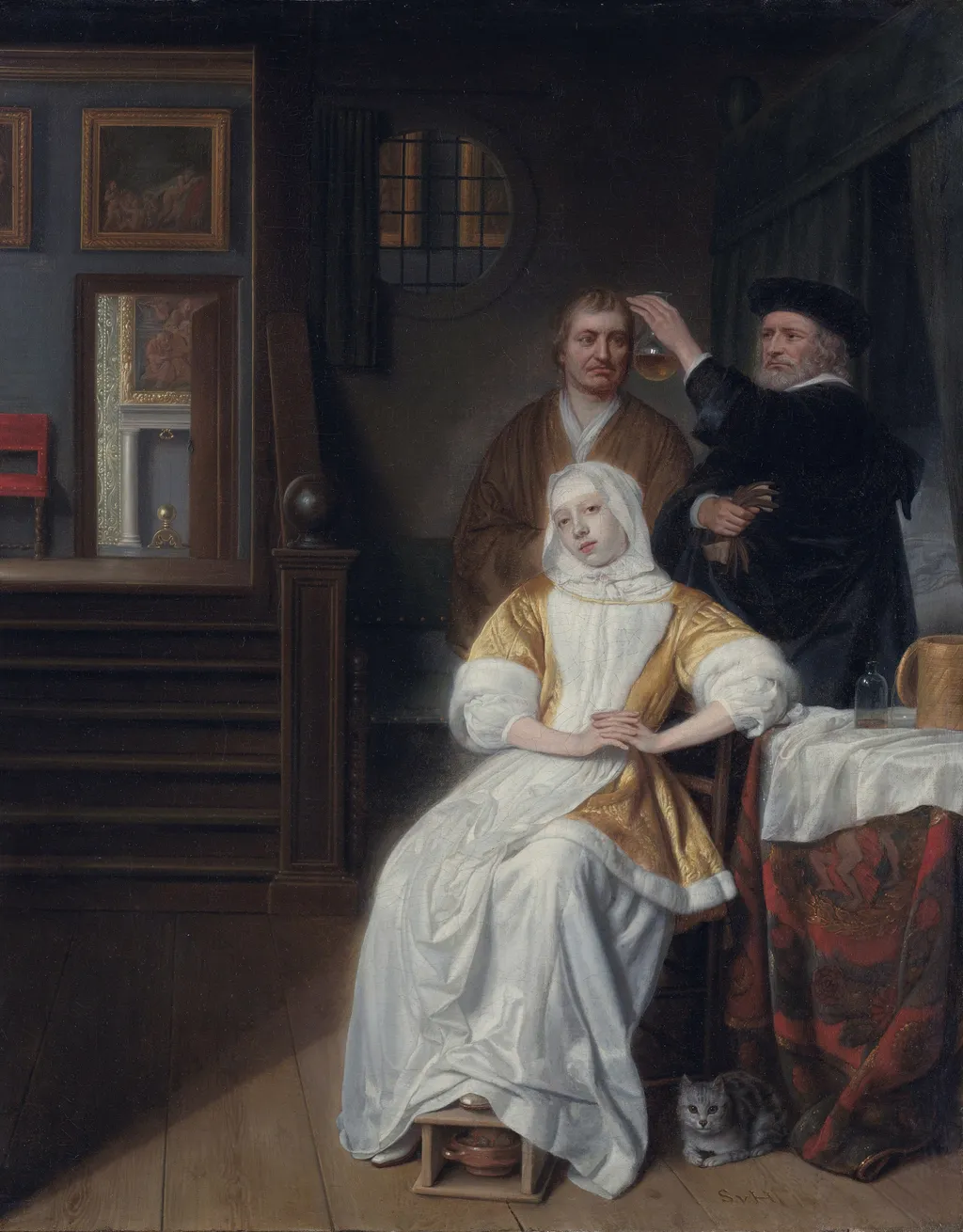
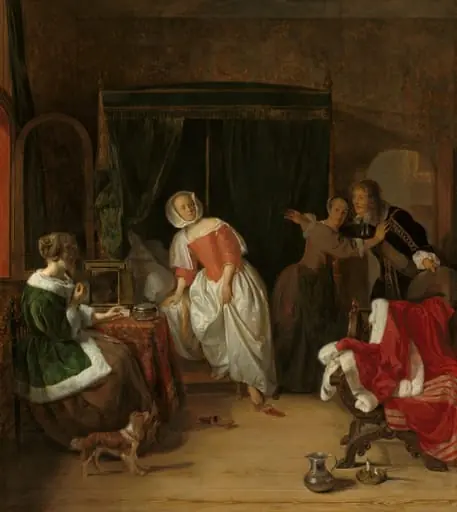
'The anemic lady' is an oil painting by the Dutch Golden Age artist Samuel van Hoogstraten. It dates from 1665 and is held in the collection of the Rijksmuseum.
About this work
Subject & Meaning
This symbolic representation aligns with Baroque-era didactic uses of medical conditions to convey moral or physiological warnings.
The painting depicts an allegorical figure embodying Anemia, rendered as a pallid woman in a domestic interior. The subject functions as a personification of illness, with visual cues such as wan complexion and weak posture signaling frailty. This symbolic representation aligns with Baroque-era didactic uses of medical conditions to convey moral or physiological warnings.
The work belongs to the genre of genre painting and was created in 1665 using oil on canvas, measuring 69.5 cm in height and 55 cm in width.
Technique & Style
The work is an oil painting executed on canvas, reflecting the genre scene tradition within Dutch Baroque art. Its formal composition emphasizes a muted palette and delicate tonal transitions that convey a restrained, almost clinical observation of the subject. The handling of light and shadow underscores the artist’s technical mastery of chiaroscuro, while the restrained brushwork contributes to a subtle, anemic visual effect characteristic of van Hoogstraten’s style.
The canvas measures 69.5 cm in height by 55 cm in width, and it was created in 1665. It was originally owned by Adriaan van der Hoop and is now part of the collections of the Rijksmuseum and Amsterdam Museum. The painting’s condition remains stable, with the original oil paint layer intact and no significant alterations documented.
The stylistic qualities of the piece align with genre painting conventions, featuring a narrative scene rendered with meticulous attention to detail and a restrained compositional balance.
History & Provenance
The painting The Anemic Lady was created by Samuel van Hoogstraten in 1665, as indicated by the work’s inception date in institutional records.
By the early 19th century, the painting entered the collection of Adriaan van der Hoop, a prominent Dutch art collector. Upon his death in 1854, Van der Hoop bequeathed the painting to the city of Amsterdam, forming a key part of his legacy. The work was subsequently transferred to the Rijksmuseum in Amsterdam, where it has remained as part of the museum’s permanent holdings.
The painting 'The anemic lady' by Samuel van Hoogstraten, created in 1665, is held within the collection of the Rijksmuseum in Amsterdam. It forms part of the specific Adriaan van der Hoop collection, which is currently housed at the museum. The work is executed in oil paint on canvas and measures 69.5 cm in height and 55 cm in width.
While the sources confirm its location and collection history, no specific inventory or accession numbers are provided in the available records. Furthermore, the provided sources do not contain information regarding a specific exhibition history for this work.
Context
Samuel van Hoogstraten painted 'The anemic lady' in 1665, a genre scene rendered in oil on canvas measuring 69.5 cm by 55 cm. The work belongs to the genre art tradition and reflects the artist's engagement with observational realism within Dutch painting of the period. It was part of the collection of Adriaan van der Hoop and is held by both the Rijksmuseum and Amsterdam Museum, institutions that document its provenance and physical details. The painting's classification as a genre_scene aligns with van Hoogstraten's broader artistic output, which often explored everyday subjects with technical precision and compositional nuance.
Overview
The Anemic Lady is a 1665 oil painting by Samuel van Hoogstraten, a Dutch artist known for his work in multiple creative fields.
Own this work as a print
Artist & collection
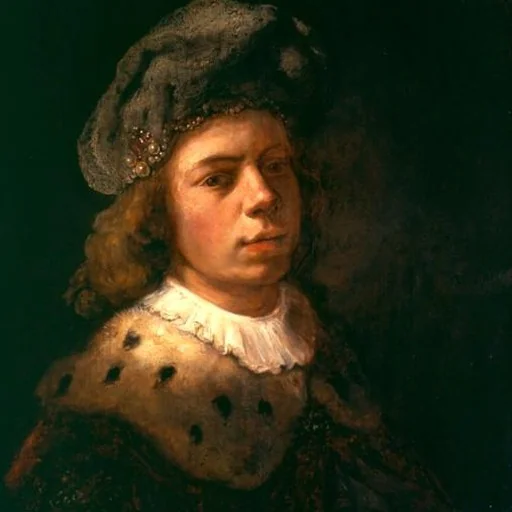
Artist
Samuel Dirksz van Hoogstraten (2 August 1627 in Dordrecht – 19 October 1678 in Dordrecht) was a Dutch Golden Age painter, who was also a poet and author on art theory.

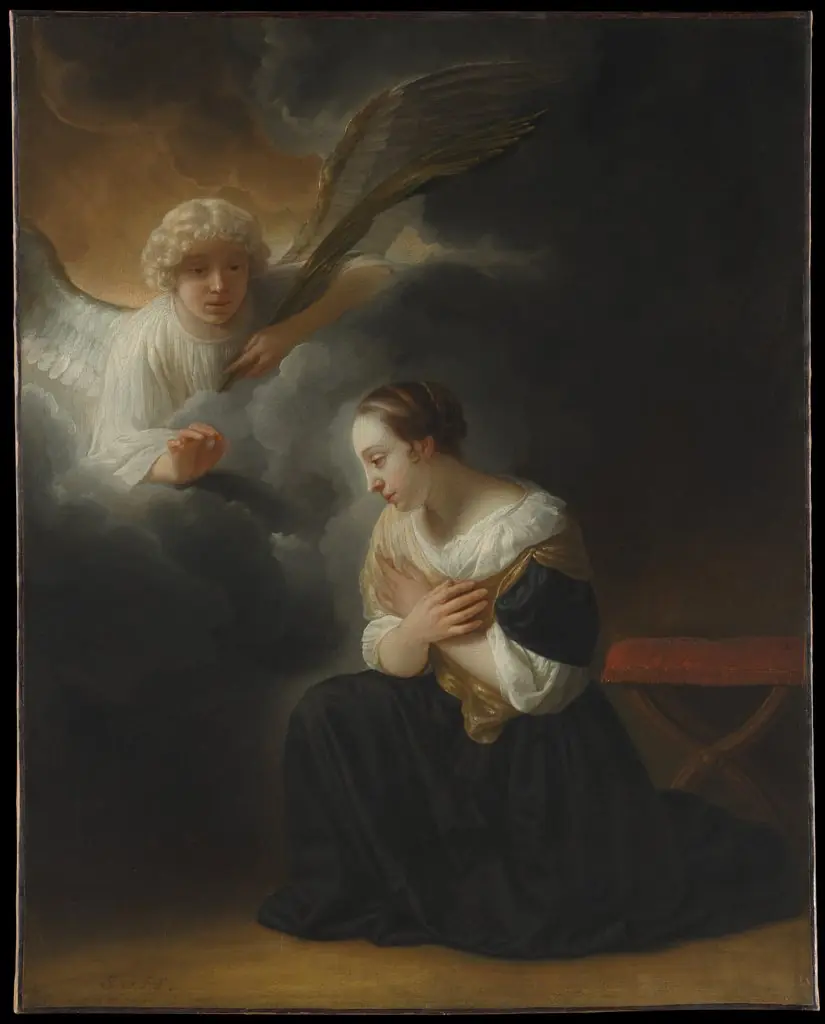 The Annunciation of the Death of the Virgin
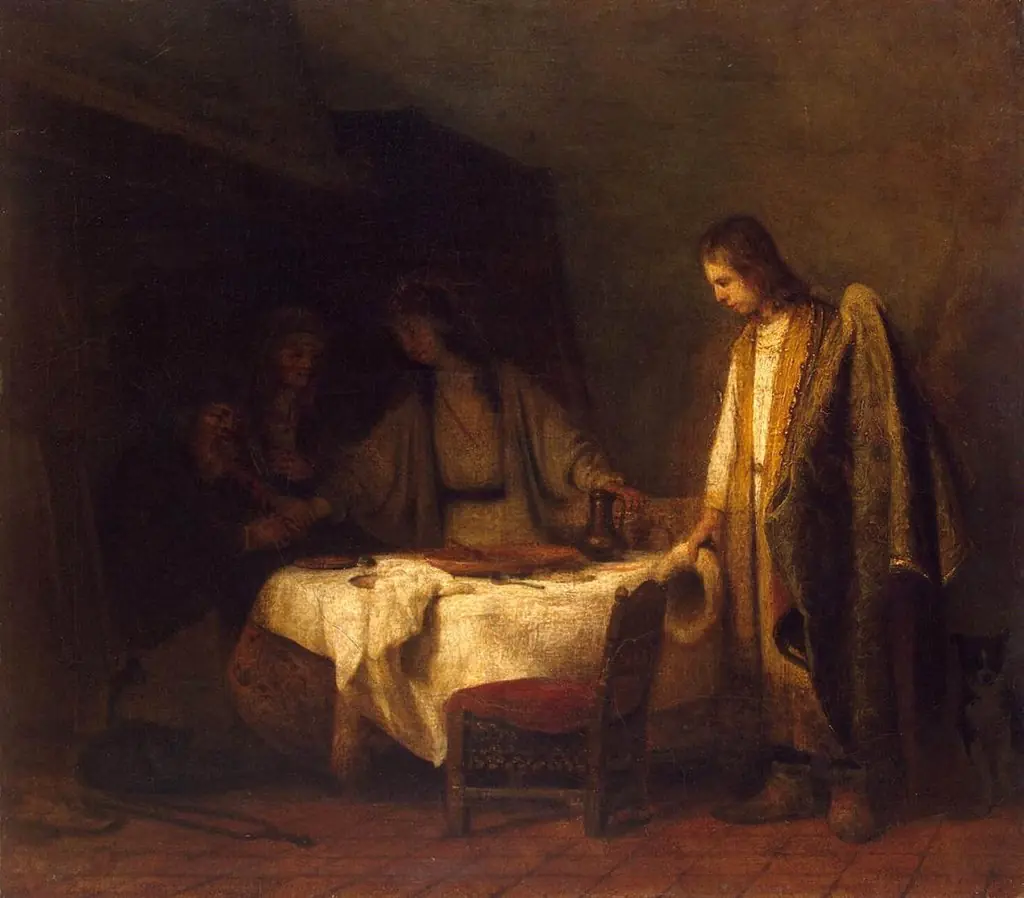 Tobias's Farewell to his Parents
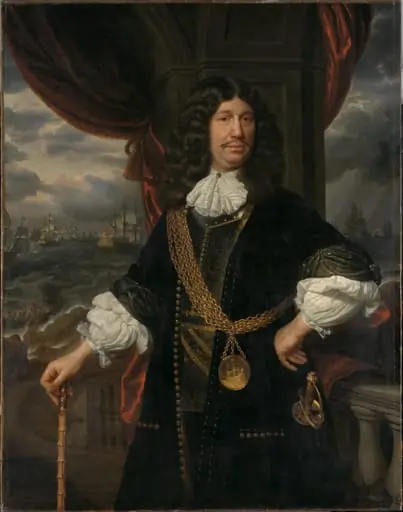 Portrait of Mattheus van den Broucke (1620-1685). Councillor of the Indies
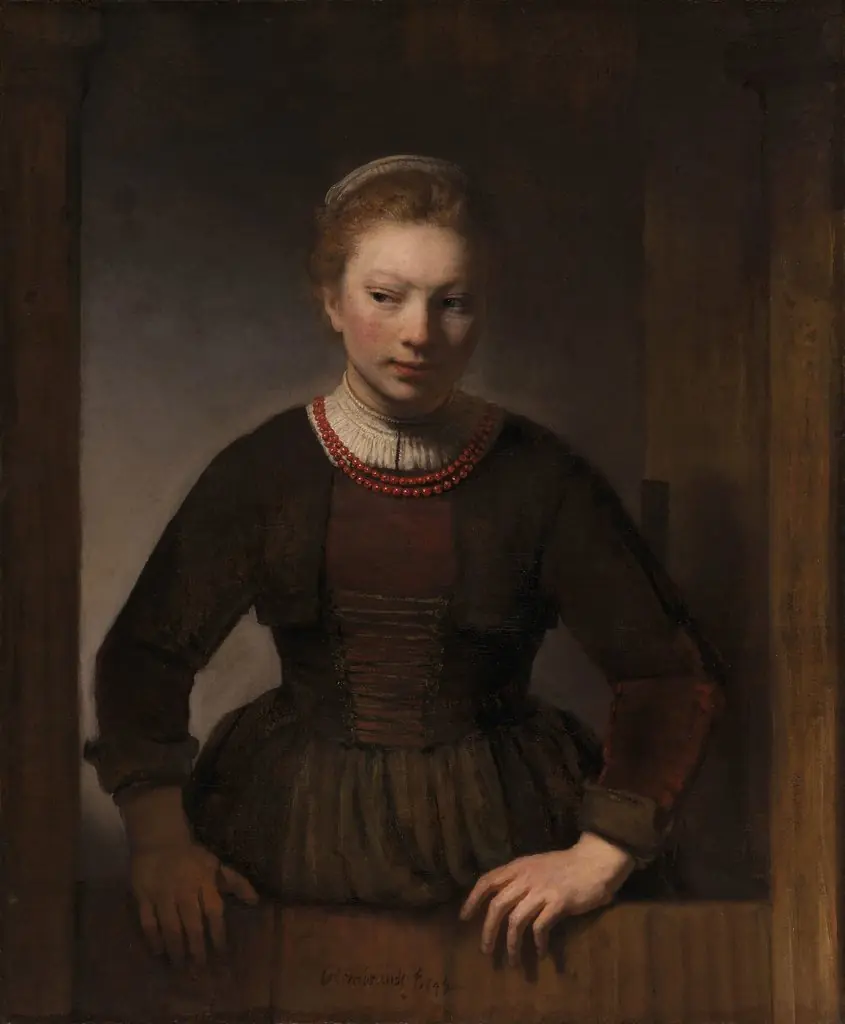 Young Woman at an Open Half-Door
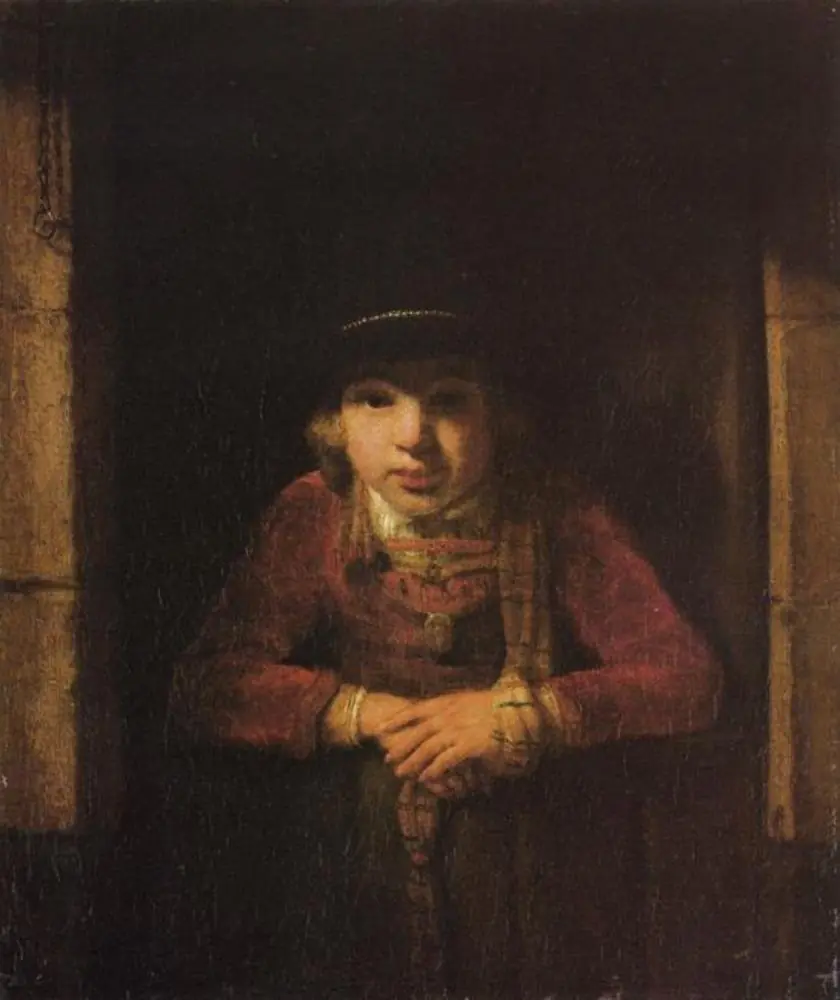 Boy Looking through the Window
 Belshazzar's Vision
 Christ crowned with thorns
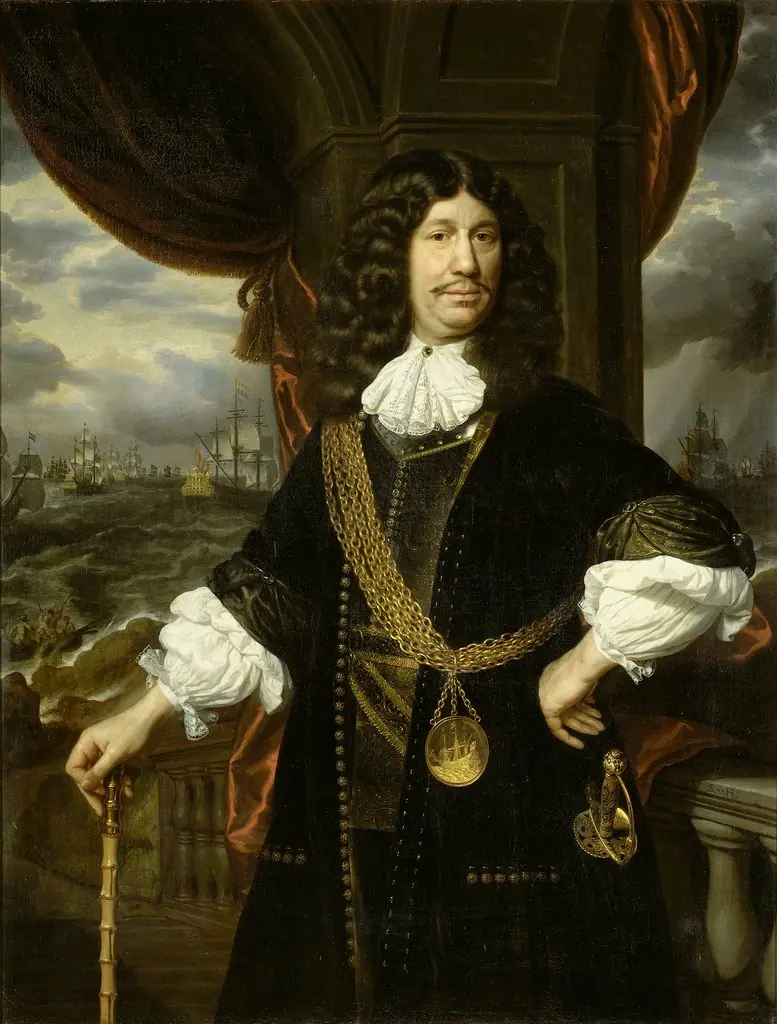 Portrait of Mattheus van den Broucke (1620-85), Governor of the Indies, with the gold chain and medal presented to him by the Dutch East India Company in 1670