Artwork
Martin Brimmer
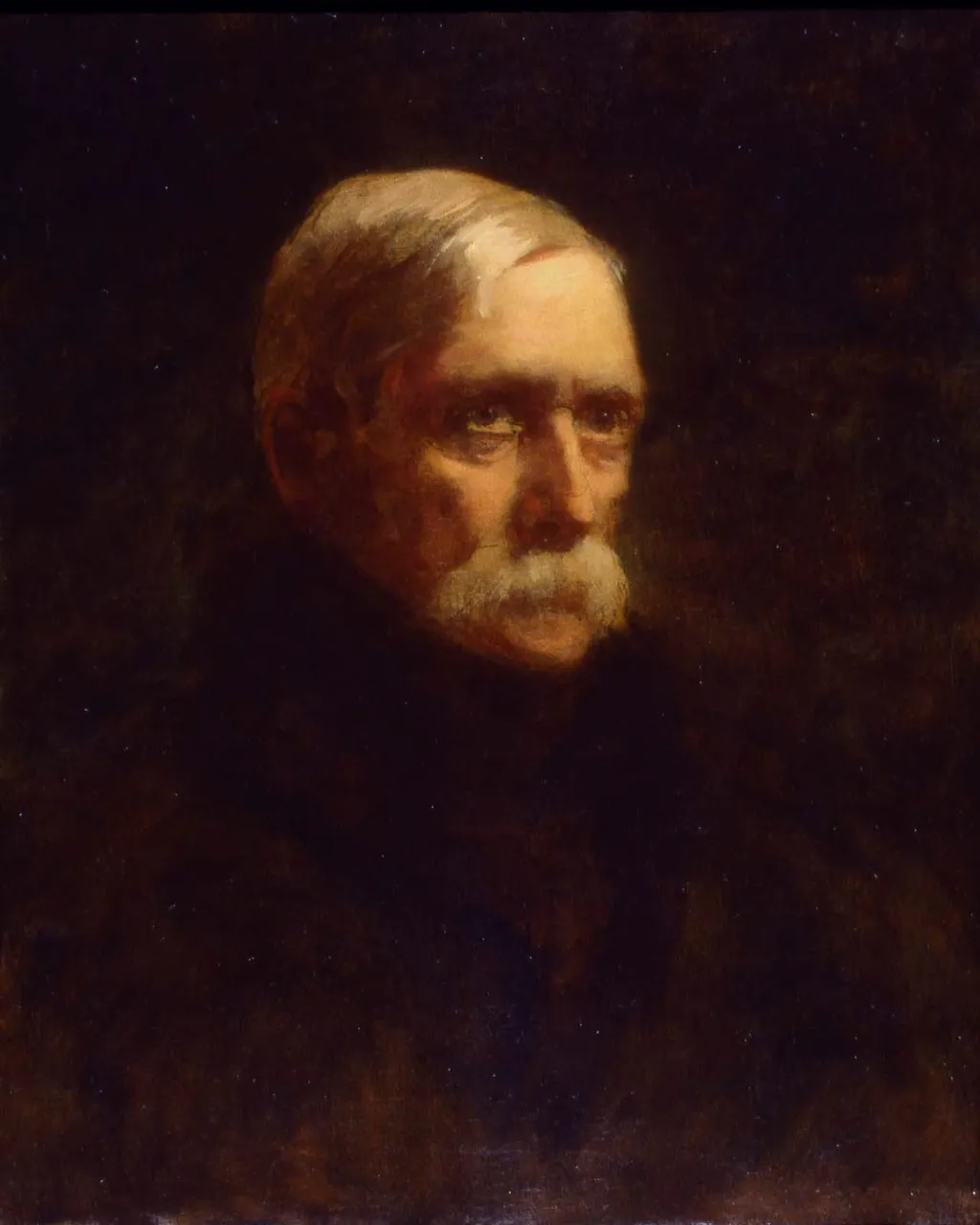
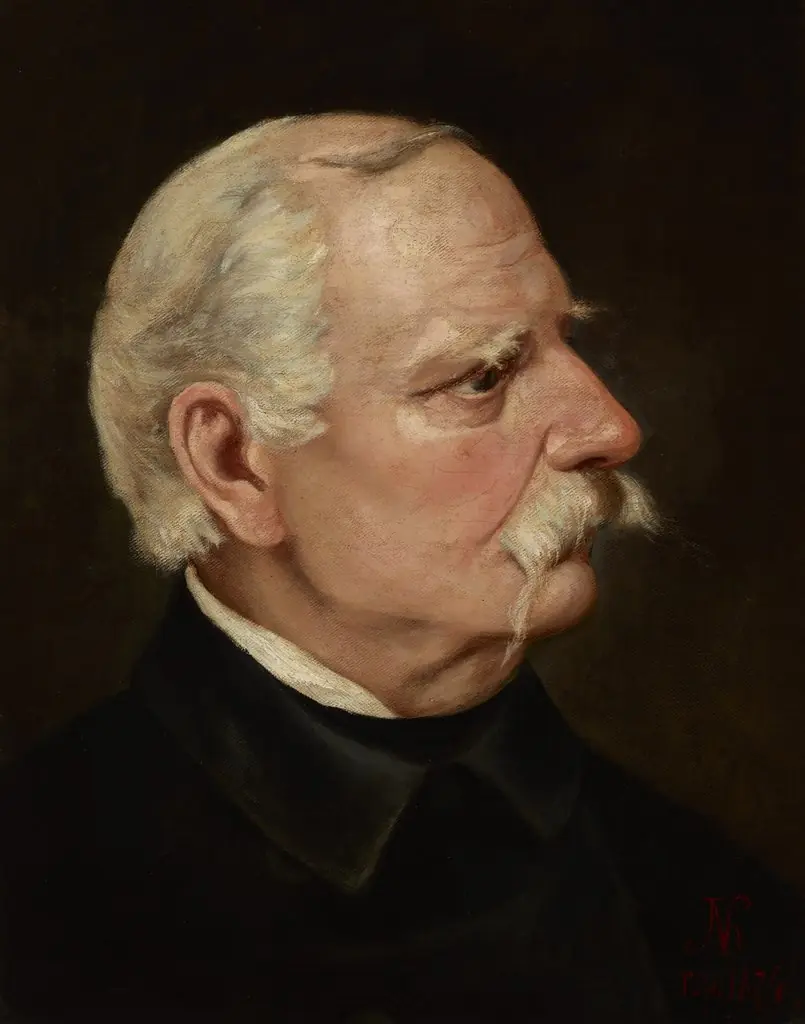
Martin Brimmer is an oil painting by the Post-Impressionist artist Sarah W. Whitman. It dates from 1896 and is held in the collection of the Museum of Fine Arts Boston.
About this work
Overview
), the bust-length depiction of the prominent Bostonian is held in the collection of the Museum of Fine Arts, Boston, where it entered as a gift from Mrs.
Martin Brimmer is an oil-on-canvas portrait painted in 1892 by American artist Sarah Wyman Whitman (1842-1904). Measuring 60.96 by 50.8 cm (24 by 20 in.), the bust-length depiction of the prominent Bostonian is held in the collection of the Museum of Fine Arts, Boston, where it entered as a gift from Mrs. Richard Morris Hunt and Mrs. Sarah Wyman Whitman. The portrait captures its subject in the final years of his life, four years before his death in 1896, and stands as a significant example of Whitman's portraiture as well as a visual record of a central figure in Boston's cultural and institutional life.
Subject & Meaning
The portrait depicts Martin Brimmer (1829-1896), a Harvard-educated politician, collector, and the first president of the Museum of Fine Arts, Boston. Brimmer served in the Massachusetts House of Representatives from 1859 to 1861 and in the State Senate in 1864; he was also a presidential elector in 1876 and served on the Citizens' Relief Committee after the Great Boston Fire of 1872. Whitman's portrayal presents Brimmer as an older man with thinning gray or white hair, a full mustache, and a goatee. The composition offers no extraneous objects, symbols, or setting details, focusing entirely on the sitter's presence. The restrained presentation, with the figure emerging from darkness, suggests a meditation on character and institutional stature rather than social ostentation. The absence of iconographic props directs attention to Brimmer's physiognomy and the psychological weight of his gaze, which is directed off-canvas to the right, as though fixed on matters beyond the pictorial frame.
Technique & Style
Whitman executed the portrait in oil on canvas with a restrained palette dominated by warm browns, ochres, and deep umbers. The flesh tones appear ruddy against the enveloping darkness of the background. Light falls strongly from the upper left, illuminating the forehead, nose, and cheekbone while leaving the lower face and right side in shadow. The brushwork is smooth and blended in the face, with more visible, looser strokes in the hair and background. Edges dissolve rather than define, producing a soft, atmospheric finish that gives the composition its intimate quality. The clothing is rendered indistinctly, merging into the shadowy background so that the head alone commands attention. This handling aligns with a tonal, suggestive approach to portraiture current in late nineteenth-century American painting, one that privileges mood and character over precise description.
History & Provenance
The portrait was painted in 1892, during the final years of Brimmer's life. It was gifted to the Museum of Fine Arts, Boston by Mrs. Richard Morris Hunt and Mrs. Sarah Wyman Whitman, entering the collection with the accession number 19.143. The painting has been documented in the AMICA Library digital collection since at least 2002. The correspondence between Brimmer and Whitman, preserved at the Archives of American Art, reveals an extensive relationship conducted across London, Paris, Rome, and elsewhere, with Brimmer writing to Whitman about the Museum of Fine Arts and contemporary artists including George Fuller, John LaFarge, William Morris Hunt, John Singer Sargent, and James A. McNeill Whistler. These letters, spanning 1880 to 1896, were donated to the Archives in 1956 by the Museum of Fine Arts, Boston via Mrs. Haven Parker.
Context
Sarah Wyman Whitman was a Boston painter and patron of the arts, born in Baltimore in 1842 and active until her death in Boston in 1904. Her portrait of Brimmer situates her within the network of Boston's cultural elite, a milieu in which Brimmer moved as a collector and institutional leader. The correspondence between the two reveals Whitman's engagement with transatlantic artistic currents and her access to leading figures of the day. The portrait itself exemplifies the intimate, psychologically attuned portraiture practiced by American artists in the 1890s, a mode that eschewed the grand manner in favor of directness and tonal subtlety. As a depiction of the founding president of the Museum of Fine Arts, the painting also carries institutional significance, linking the museum's early history to the artistic circles that shaped its collections.
Legacy
The portrait remains in the collection of the Museum of Fine Arts, Boston, where it serves as both an artwork and a historical document of the institution's origins. The survival of the Brimmer-Whitman correspondence at the Archives of American Art has ensured that scholarly attention to the painting is supplemented by primary documentation of Brimmer's tastes and his role in Boston's art world. The correspondence references major artists of the period, positioning Brimmer as a significant, if under-studied, figure in American collecting. The portrait itself, accessible through digital collections, continues to represent Whitman's achievement in a genre dominated by male contemporaries, and it preserves the likeness of a man whose political and cultural influence shaped one of America's major art institutions.
Own this work as a print
Artist & collection
Artist
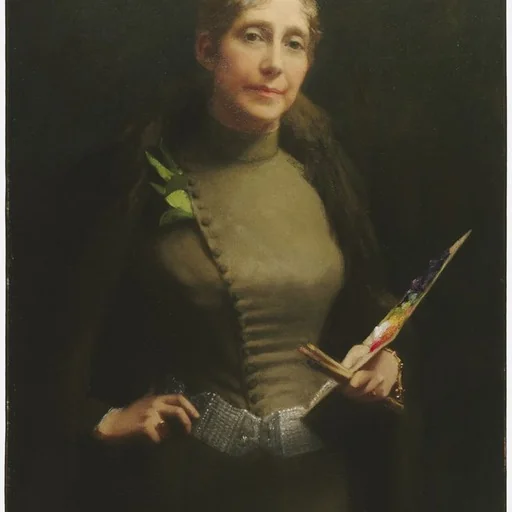
Sarah de St. Prix Wyman Whitman (1842–1904) was an American stained glass artist, painter, and book cover designer. Successful at a time when few women had professional art careers, she founded her own firm, Lily Glass…

- Hjalmar Munsterhjelmin muotokuva
 Jacob Christiaan Koningsberger (1867-1951). Chairman of the People's Council (1918-19)
 Portrait of an Unknown Gentleman
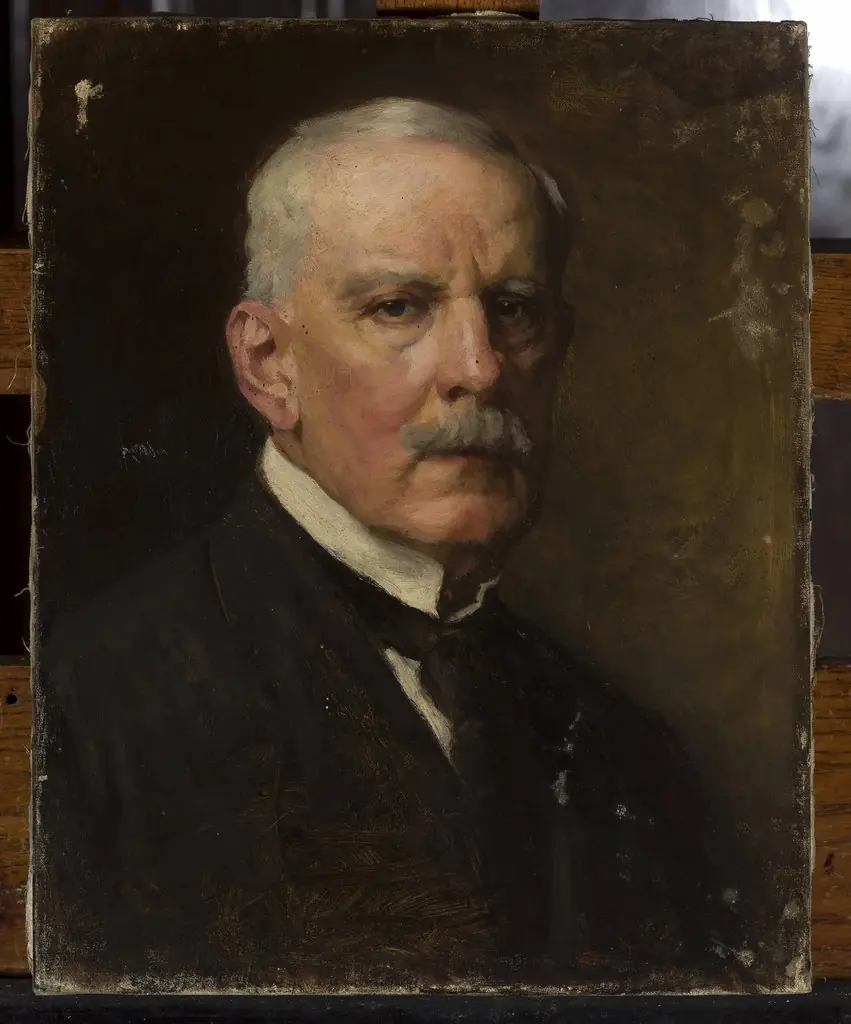 Portrait of an old man
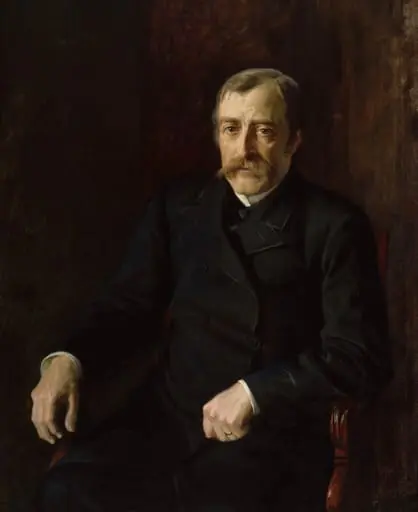 Valtioneuvos Carl Gustaf Estlanderin muotokuva
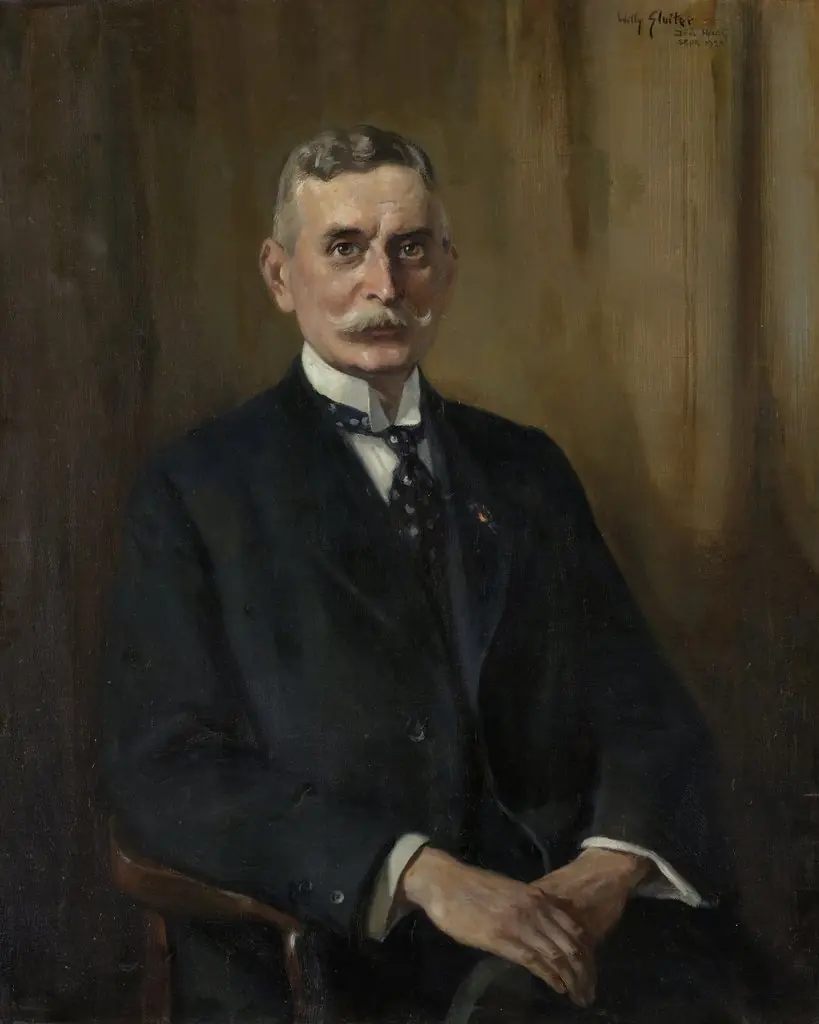 Jacob Christiaan Koningsberger (1867-1951). Chairman of the People's Council (1918-19)
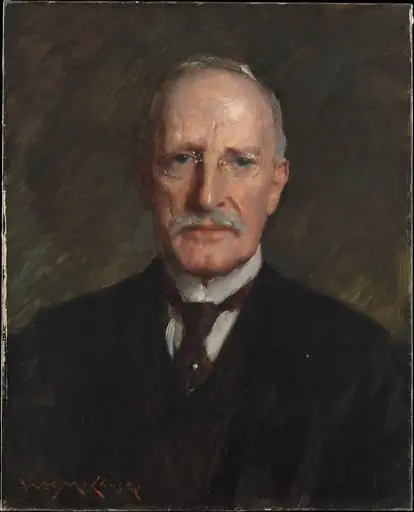 Edward Guthrie Kennedy
 Julian Ashton
 Reverend Thomas Rees (1825–1908)
 Prince Otto von Bismarck
 Portrait of William T. Walters
 Portrait of Wincenty Pol