Artwork
Portrait of a Lady
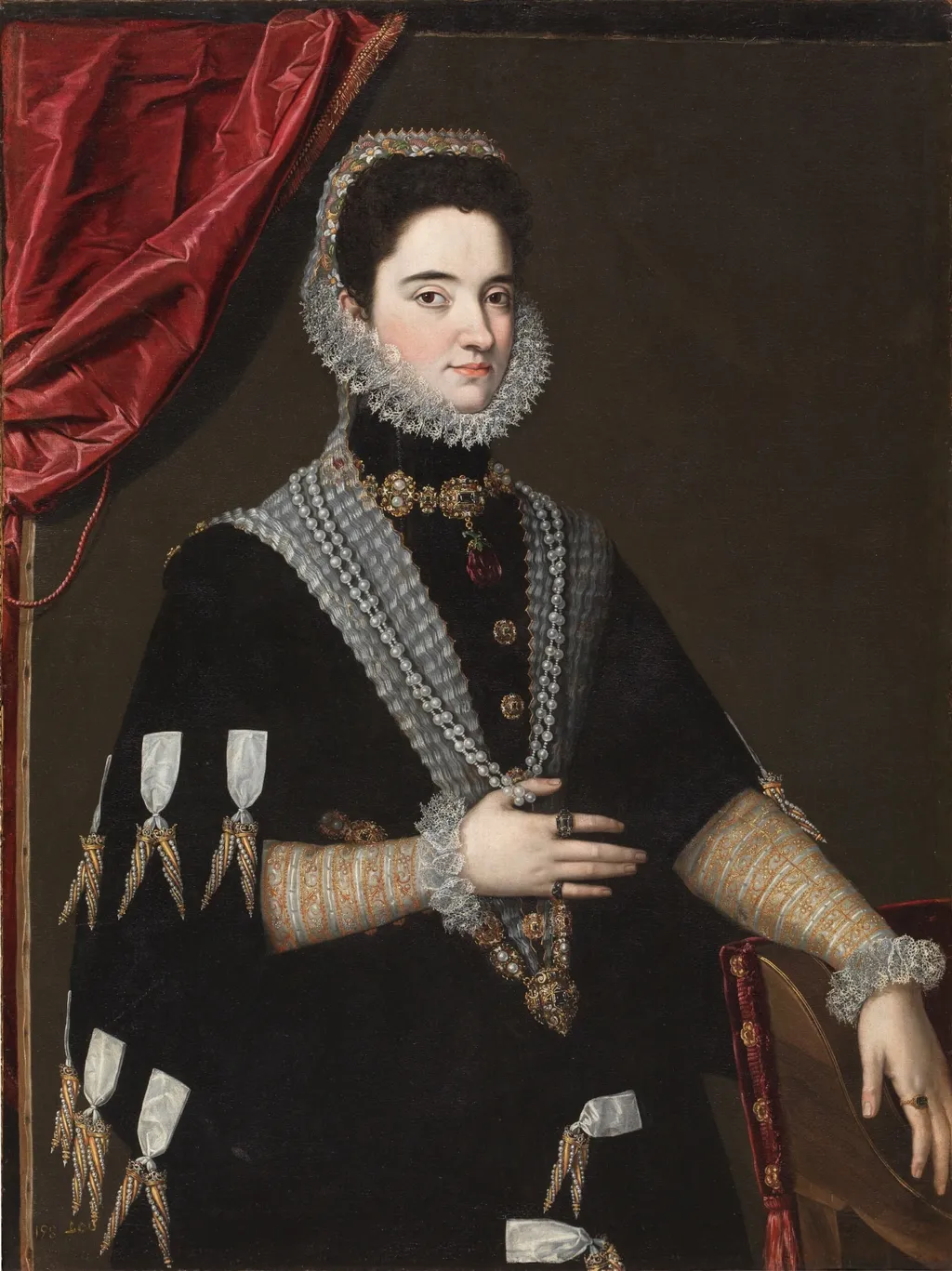
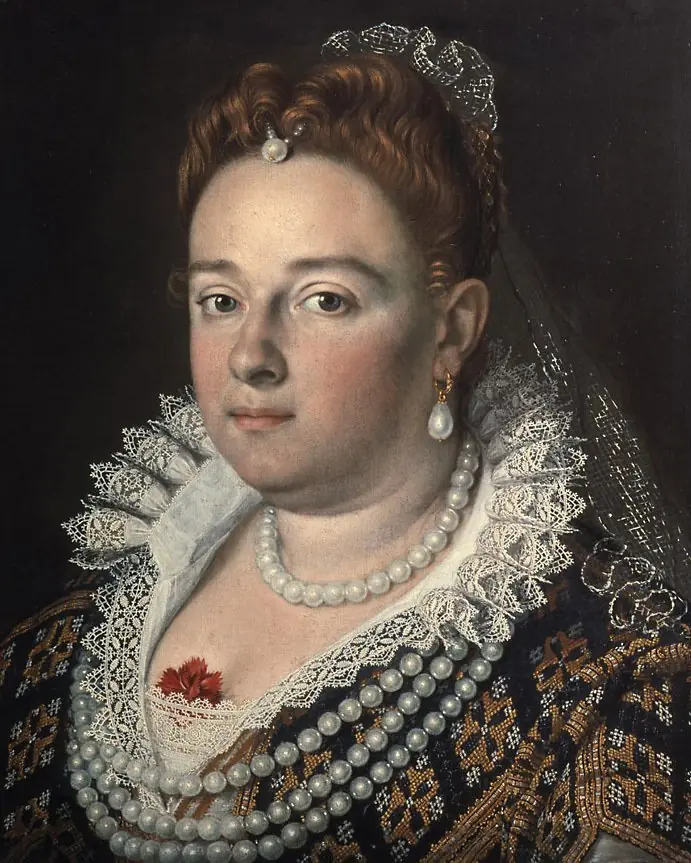
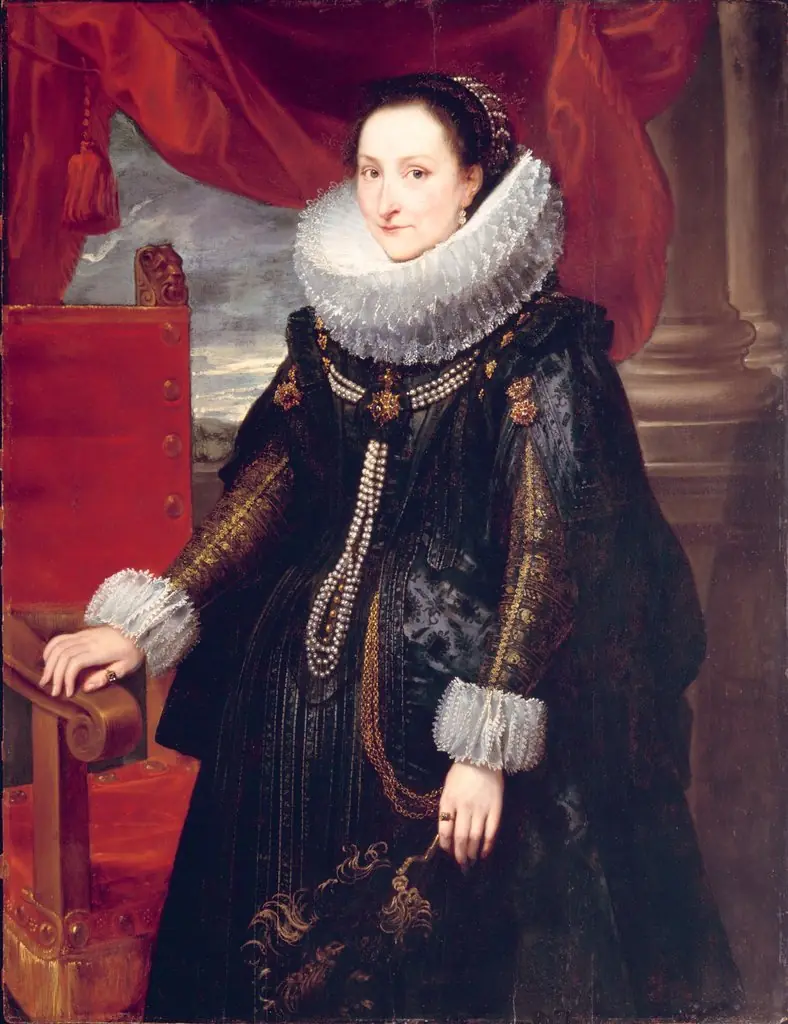
Portrait of a Lady is an oil painting by the Mannerist artist Scipione Pulzone. It dates from 1593 and is held in the collection of the Museo del Prado.
About this work
Technique & Style
Portrait of a Lady is executed in oil paint on canvas, a standard combination for late sixteenth-century Italian portraiture.
Portrait of a Lady is executed in oil paint on canvas, a standard combination for late sixteenth-century Italian portraiture. The support measures 113 cm in height by 85 cm in width, giving the composition a vertical format suited to a half- or three-quarter-length depiction of a woman.
The work is classified as a painting within the portrait genre, consistent with Scipione Pulzone's documented practice of producing refined, naturalistic likenesses during this period. Beyond the medium, canvas support, and dimensions, the available sources do not provide further specifics on handling, surface condition, or stylistic qualities.
History & Provenance
The Portrait of a Lady is an oil painting on canvas created by the artist Scipione Pulzone. The work is dated to 1585, establishing its origin in the late sixteenth century. Currently, the painting is held in the collection of the Museo del Prado in Madrid.
The artwork depicts a woman and measures 113 cm in height by 85 cm in width. While the specific commission details and the chain of ownership prior to its arrival at the museum are not detailed in the provided records, the piece is firmly attributed to Pulzone and remains a significant example of his portraiture from that period.
The painting Portrait of a Lady by Scipione Pulzone, dated to 1585, is held in the collection of the Museo del Prado in Madrid. The work is executed in oil on canvas and measures 113 cm in height by 85 cm in width. While the artwork's current location and physical attributes are documented, the provided sources do not contain specific inventory numbers, accession codes, or a record of its exhibition history.
Legacy
The work's influence can be traced through its enduring presence in scholarly discussions of late 16th-century portraiture, particularly in analyses of Pulzone's role in shaping elite Roman court imagery. Its reputation rests on the technical mastery of the oil paint medium and the psychological depth of the sitter, noted in art historical literature as exemplifying the transition toward more intimate portraiture in the late Renaissance. The painting's legacy is anchored in its inclusion in major museum collections, most prominently the Museo del Prado, where it remains part of the permanent display and continues to inform exhibitions on Italian Baroque painting.
Overview
Scipione Pulzone's 'Portrait of a Lady' is a 1593 oil painting held at the Museo del Prado. It exemplifies the artist's skill in portraiture, a genre in which he excelled during the late Italian Renaissance.
Subject & Meaning
The painting depicts a woman dressed in attire indicative of wealth, adorned with pearls, gold thread, and jewelry. Her precise rendering and the contrast with the dark background emphasize her status.
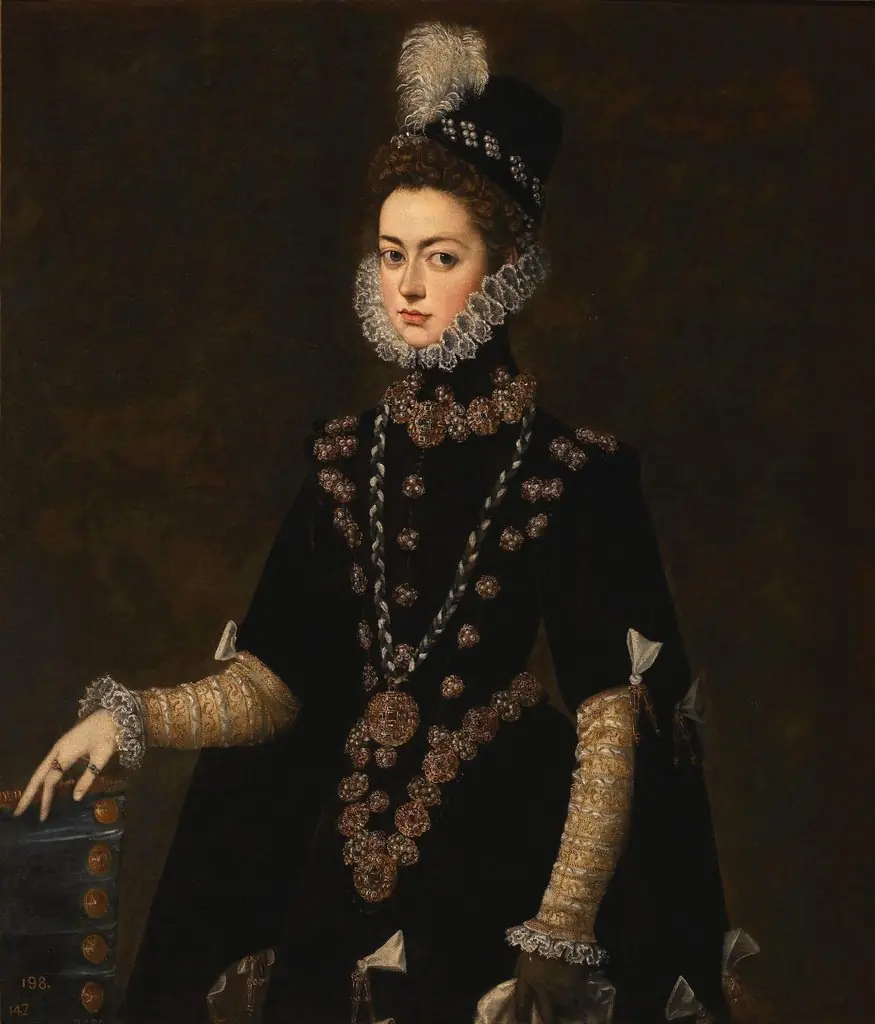
Own this work as a print
Artist & collection
Artist
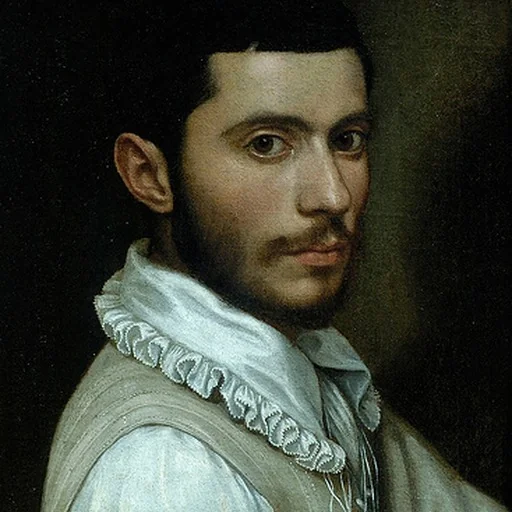
Scipione Pulzone (1544 – February 1, 1598), also known as Il Gaetano, was a Neapolitan painter of the late Italian Renaissance.

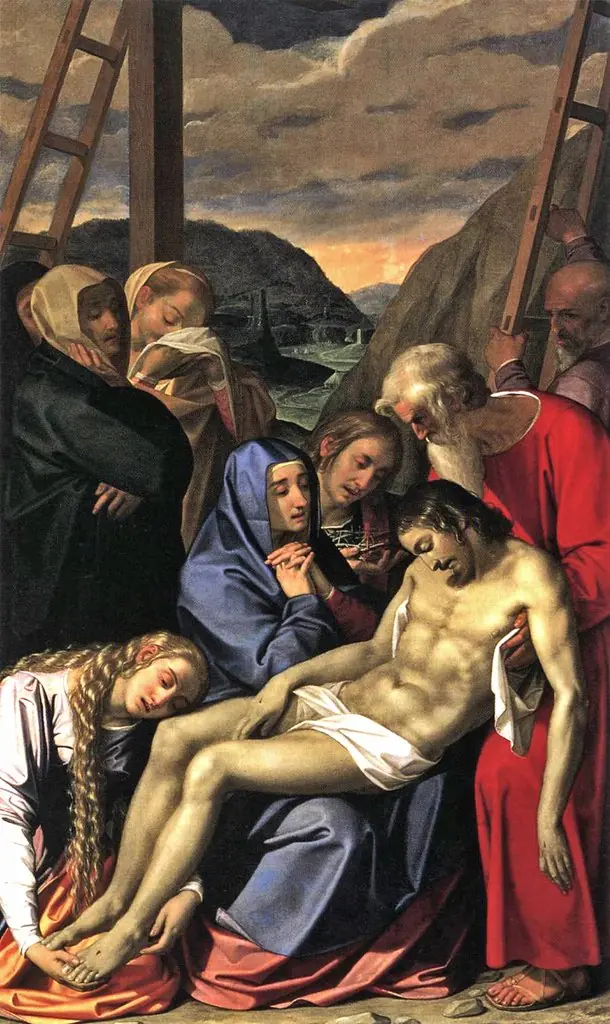
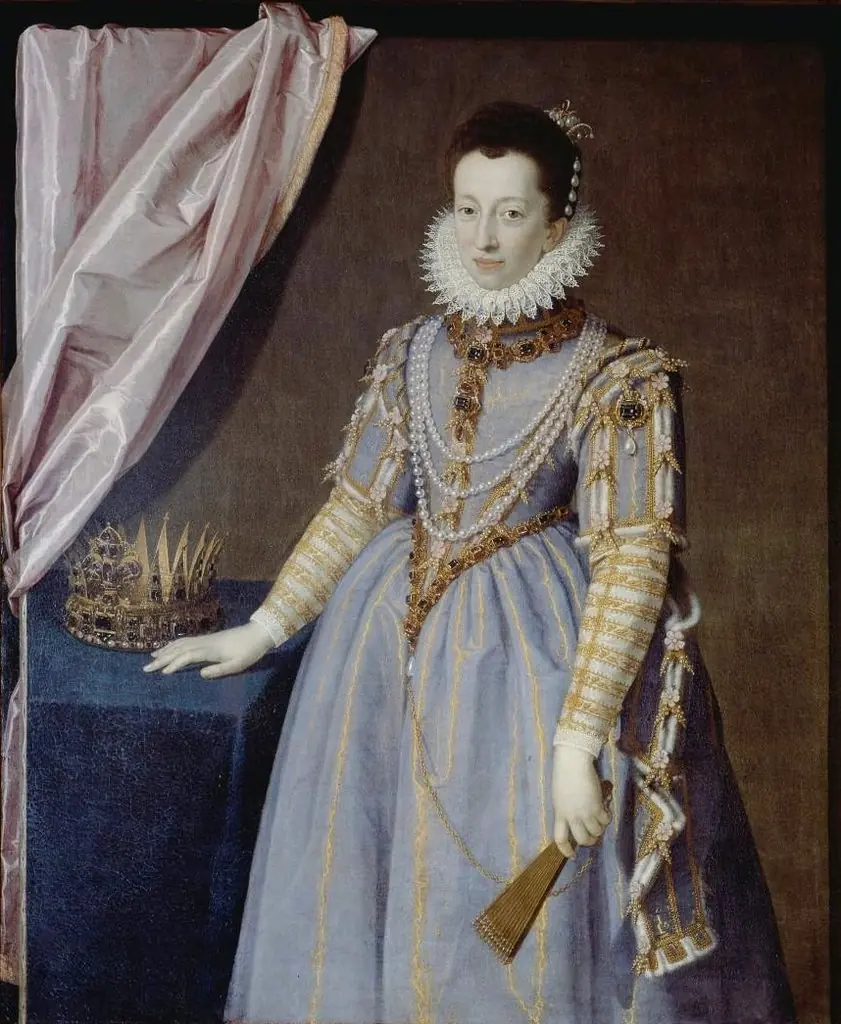
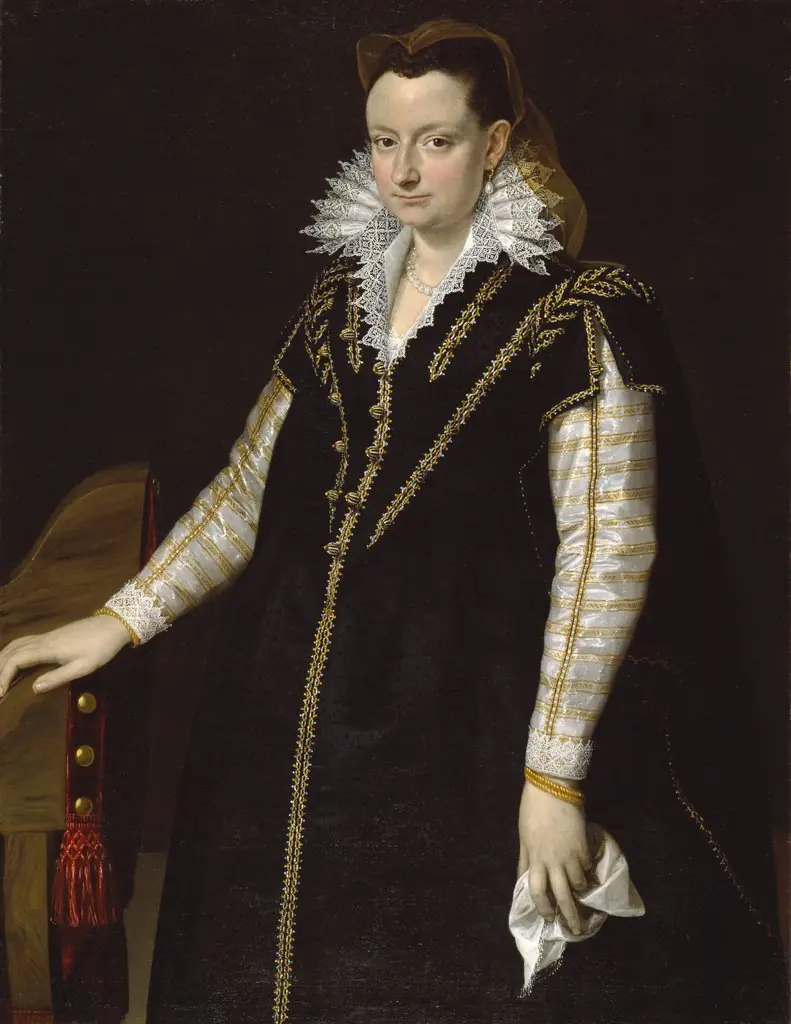
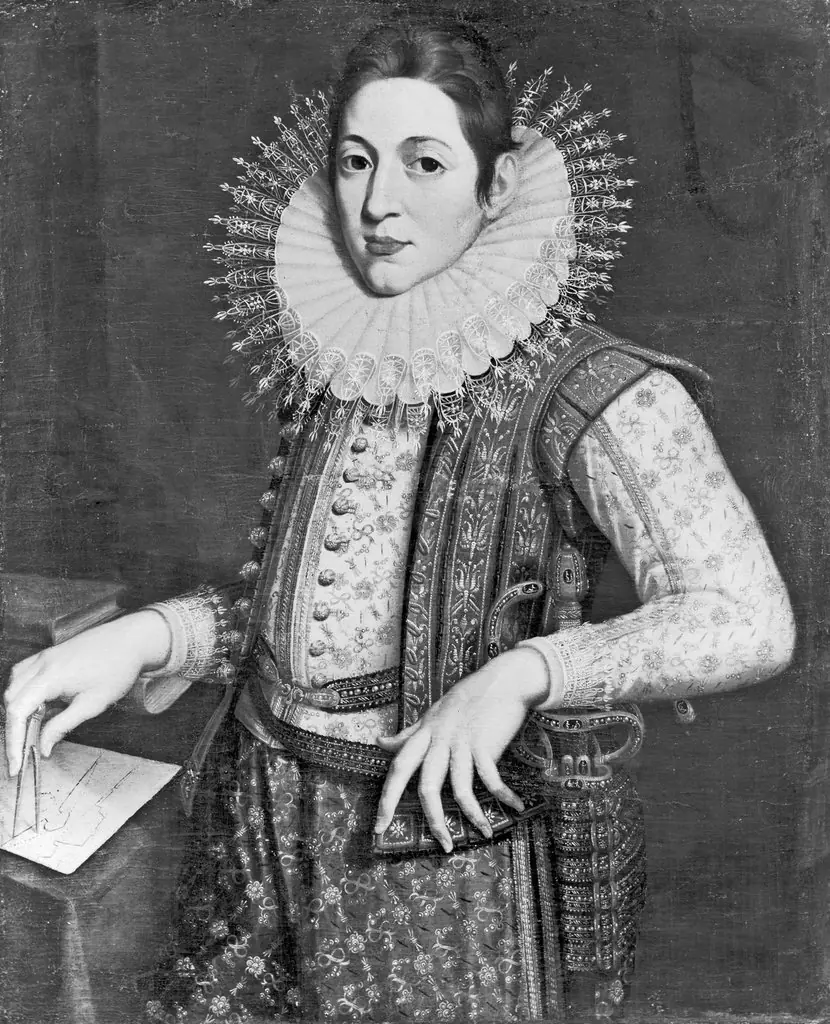
- The Infanta Catalina Micaela
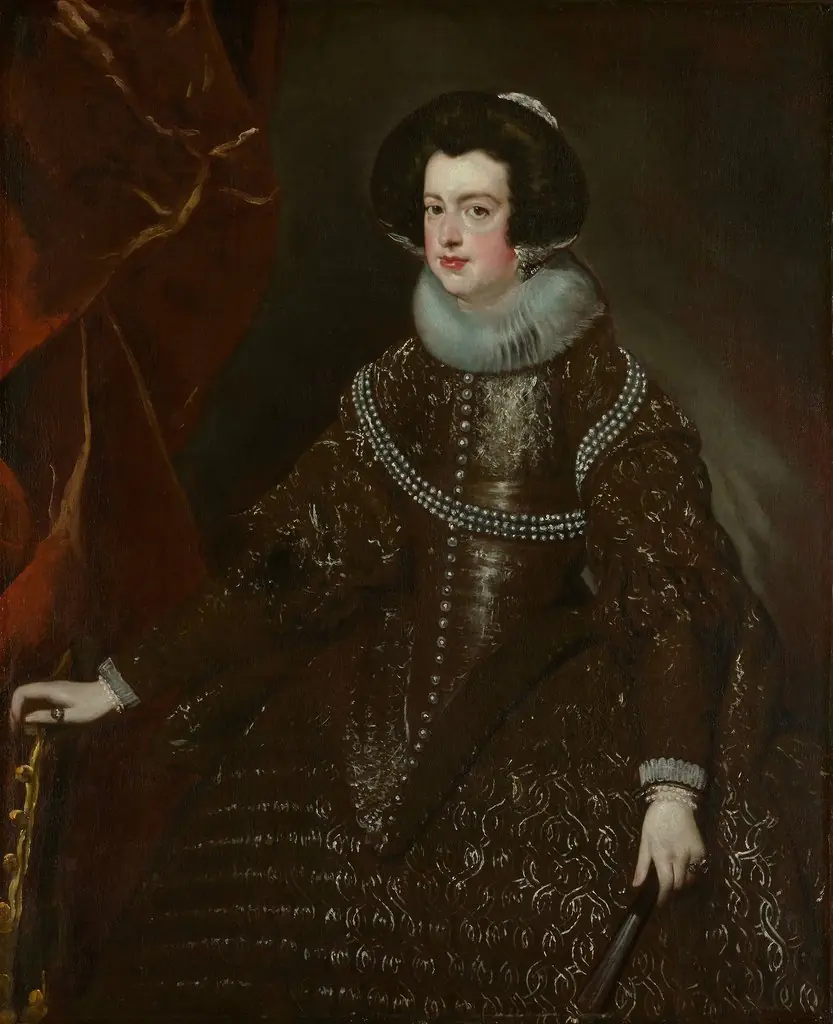 Isabella of Bourbon, Wife of Philip IV of Spain
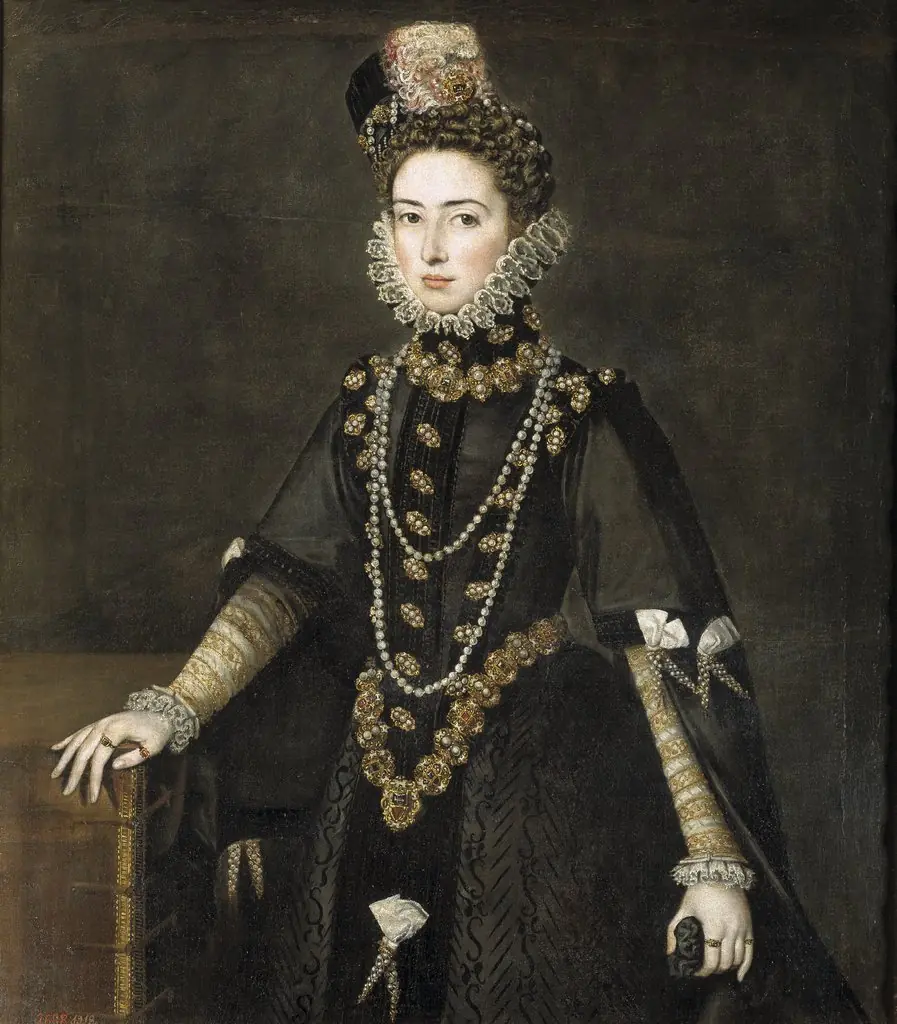 Catalina Micaela de Austria, Duchess of Savoy
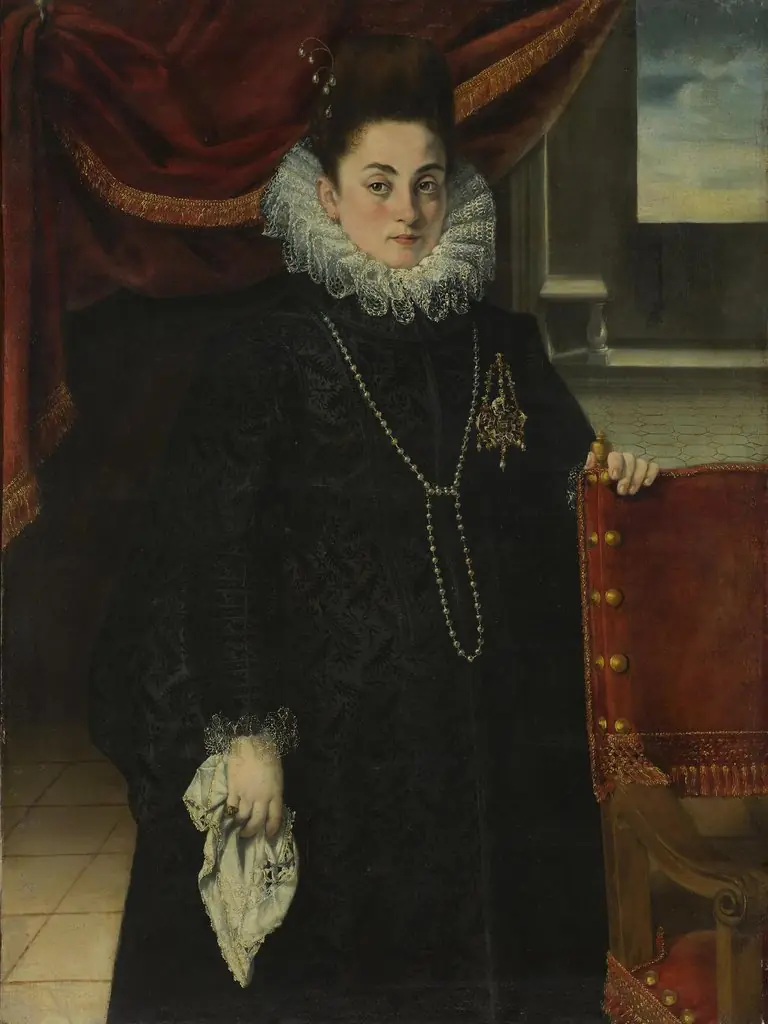 Female Portrait
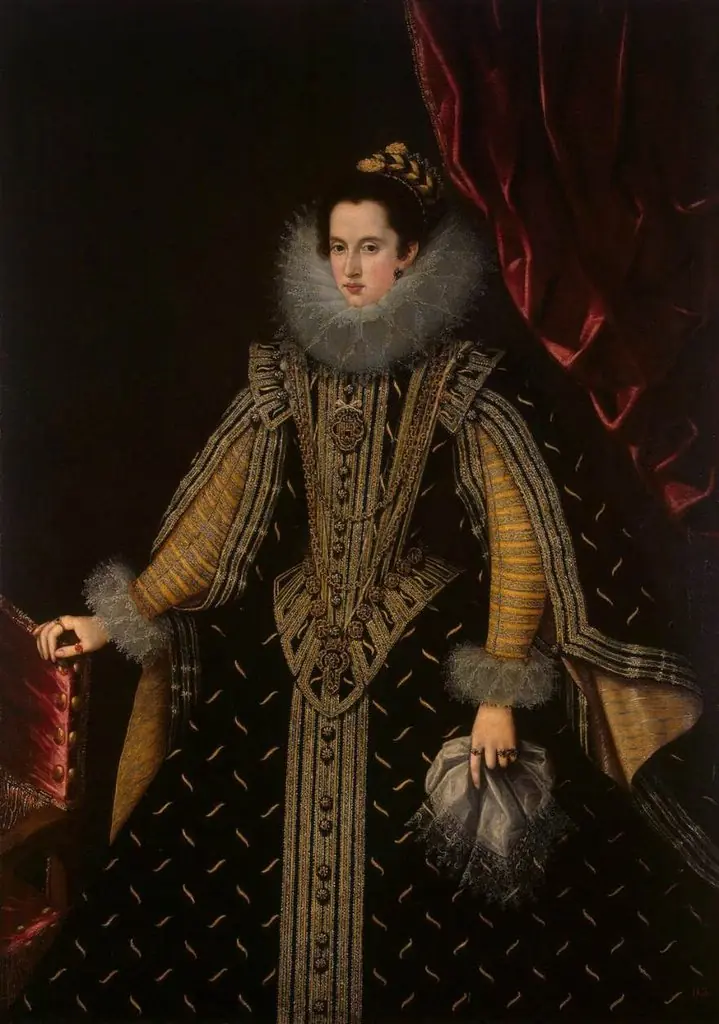 Portrait of Margarita Aldobrandini, Duchess of Parma
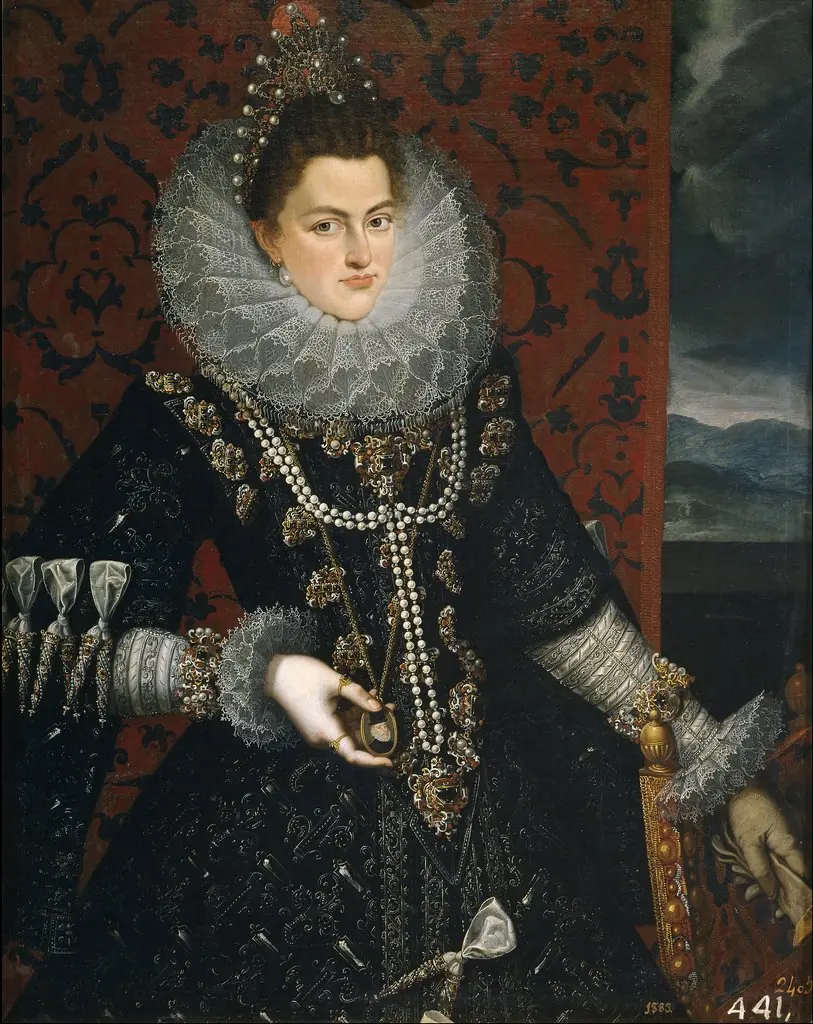 The Infanta Isabel Clara Eugenia
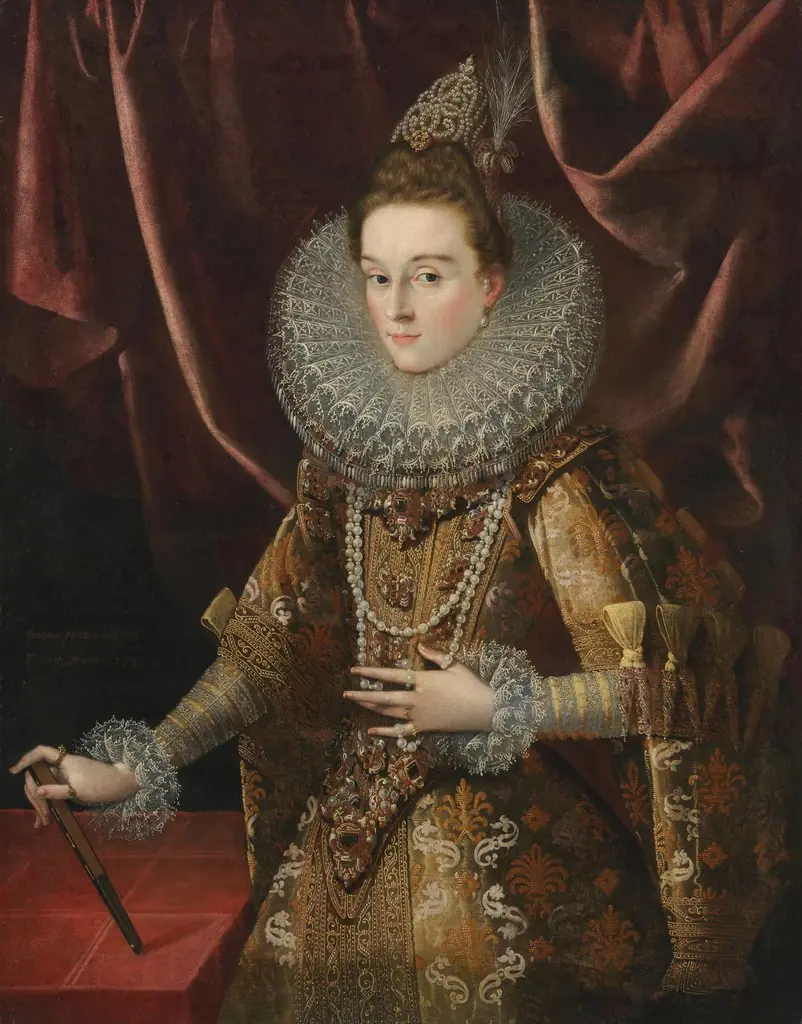 Isabella Clara Eugenia by Juan Pantoja de la Cruz
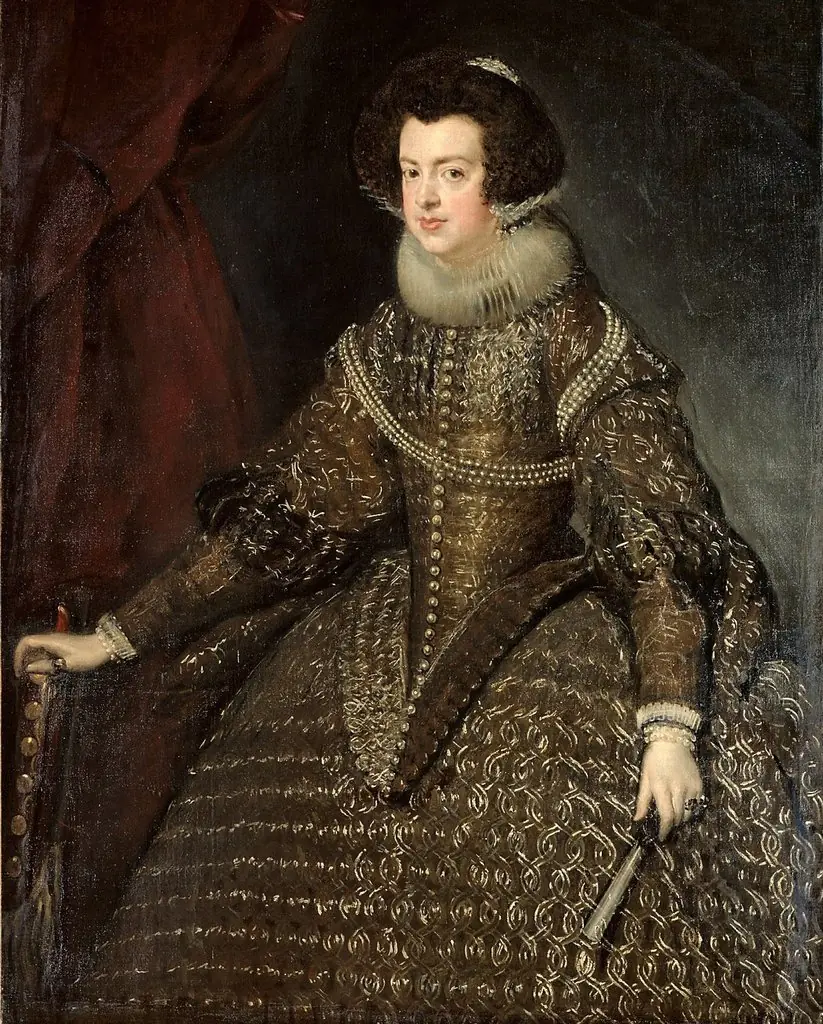 Ritratto di Isabella di Spagna
 Isabella of Bourbon. First Queen of King Philip IV
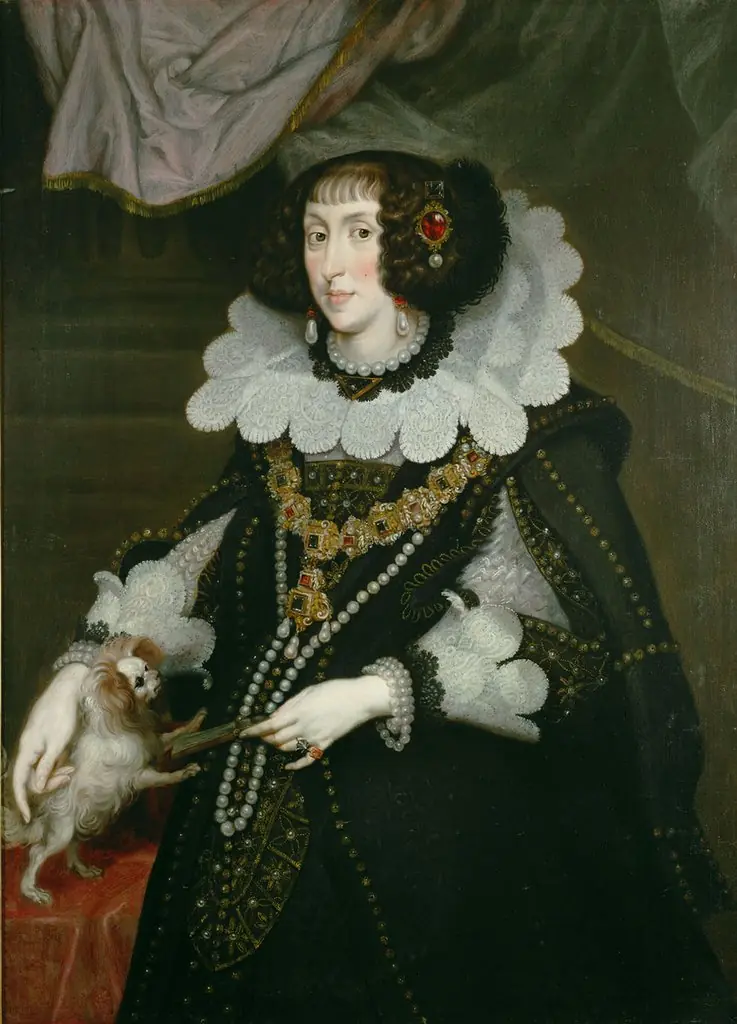 Portrait of the Archduchess Maria Anna of Austria
 Portrait of a Woman