Artwork
Ritratto di Isabella di Spagna
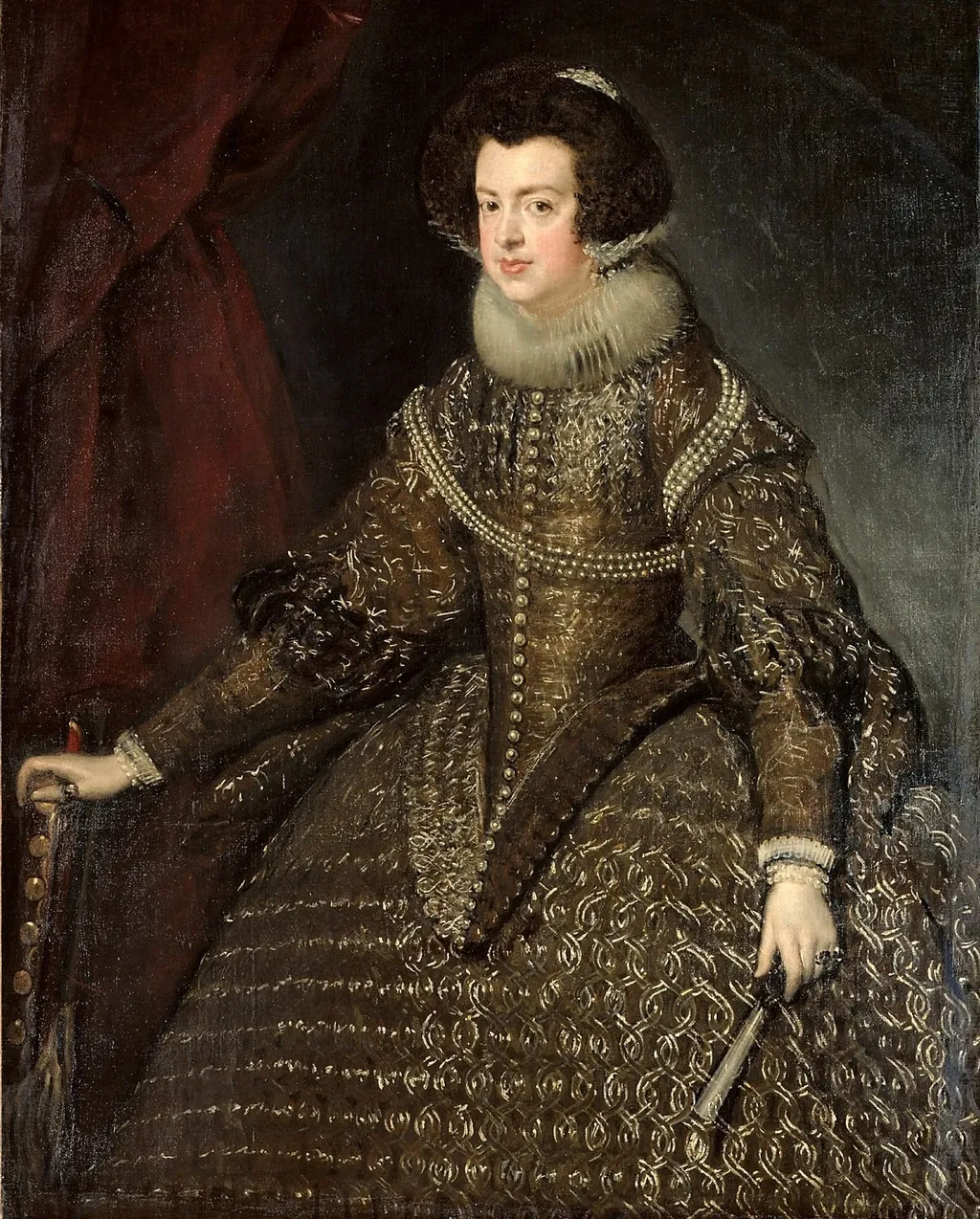
Ritratto di Isabella di Spagna is an oil painting by the Early Baroque Italian artist Diego Velázquez. It dates from 1632 and is held in the collection of the Kunsthistorisches Museum.
About this work
Overview
Ritratto di Isabella di Spagna is an oil on canvas portrait painted by Diego Velázquez in 1632, depicting Elisabeth of France, Queen consort of Spain.
Ritratto di Isabella di Spagna is an oil on canvas portrait painted by Diego Velázquez in 1632, depicting Elisabeth of France, Queen consort of Spain. The painting measures 128.5 by 99.5 centimeters and is held in the collection of the Kunsthistorisches Museum in Vienna. It belongs to a concentrated burst of royal portraiture Velázquez produced between 1631 and 1633, during his tenure as principal court painter to Philip IV of Spain. The work exemplifies the artist's early Madrid maturity, when he was consolidating a distinctive idiom for Habsburg court representation that balanced formal dignity with psychological candor.
Subject & Meaning
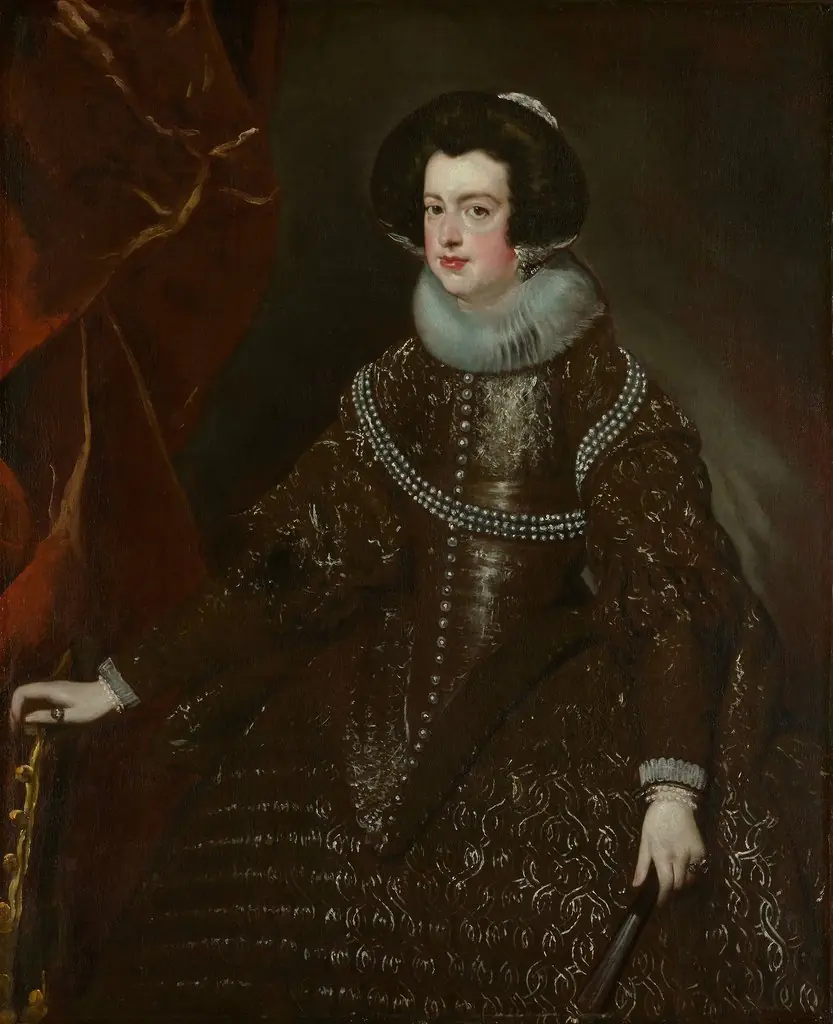
The sitter is Elisabeth of France, daughter of King Henry IV of France and Marie de' Medici, who became known as Isabella of Spain upon her marriage to the future Philip IV. She appears at three-quarter length, her body arranged with ceremonious calm. Her dark silk dress, densely embroidered with gold thread in looping Renaissance patterns, proclaims her royal status through its sumptuous materiality rather than through overt insignia. Multiple strands of pearls cross her chest, with pearl buttons running down the bodice. A high stiffened white lace collar frames her neck, while a small white cap or jeweled ornament crowns her rounded dark hair. Her right hand rests on the back of an ornate gilded chair, her left holds a closed fan. A deep red curtain drapes behind her left shoulder, introducing warmth and ceremony against the otherwise muted palette of brown, black, gold, and white. The portrait thus functions simultaneously as personal likeness, dynastic emblem, and statement of Habsburg-Bourbon alliance.
Technique & Style
Velázquez executed the work in oil on canvas, employing a technique that is precise in the face and jewelry while looser and more expressive in the costume and background. Lighting falls from the upper left, illuminating the face, collar, and gold embroidery while leaving much of the background in shadow. This tempered chiaroscuro clarifies without exaggerating, modeling volume through gentle gradations rather than hard outlines. The brushwork demonstrates the economical yet penetrating approach that distinguishes Velázquez's mature style: distant or secondary elements receive broader handling while the sitter's visage is rendered with particular care. The surface shows age-related cracking throughout. The color range is restrained, dominated by blacks, browns, and whites with the strategic accent of the red curtain. This limited palette, characteristic of Spanish court taste, creates a sober atmosphere while the scintillating embroidery and pearl details articulate the body and catch light.
History & Provenance
The portrait was painted in 1632, one of several occasions on which Velázquez depicted the queen between 1631 and 1633. It entered the collection of the Kunsthistorisches Museum in Vienna, where it remains today. The painting's presence in Vienna reflects the complex patterns of Habsburg artistic patrimony across the dynasty's multiple courts. While specific details of its acquisition by the museum are not recorded in the available sources, its current location and accession are firmly established. The work has been exhibited as part of the museum's permanent holdings, representing a key example of Spanish Baroque portraiture within one of Europe's great imperial collections.
Context
Velázquez was appointed court painter to Philip IV in 1623, and by the early 1630s he had become the definitive visual chronicler of the Spanish royal household. The period 1631-1633 saw him produce multiple portraits of Queen Elisabeth, responding to the court's need for images that projected stability and dynastic continuity during a time of military campaigns and financial strain. Unlike the enamelled stiffness of earlier court formulas, Velázquez's approach offered majesty that breathed, to borrow a formulation from scholarship on his royal portraiture. His contemporaries noted his unflinching realism and psychological penetration; later critics have emphasized how his limited palette and optical brushwork created illusions of reality that appear strikingly modern. The portrait participates in a broader European Baroque discourse on royal representation, yet distinguishes itself through its restraint. Where other courts favored more theatrical display, Velázquez's Spanish context demanded what has been termed measured splendor: authority without excess.
Legacy
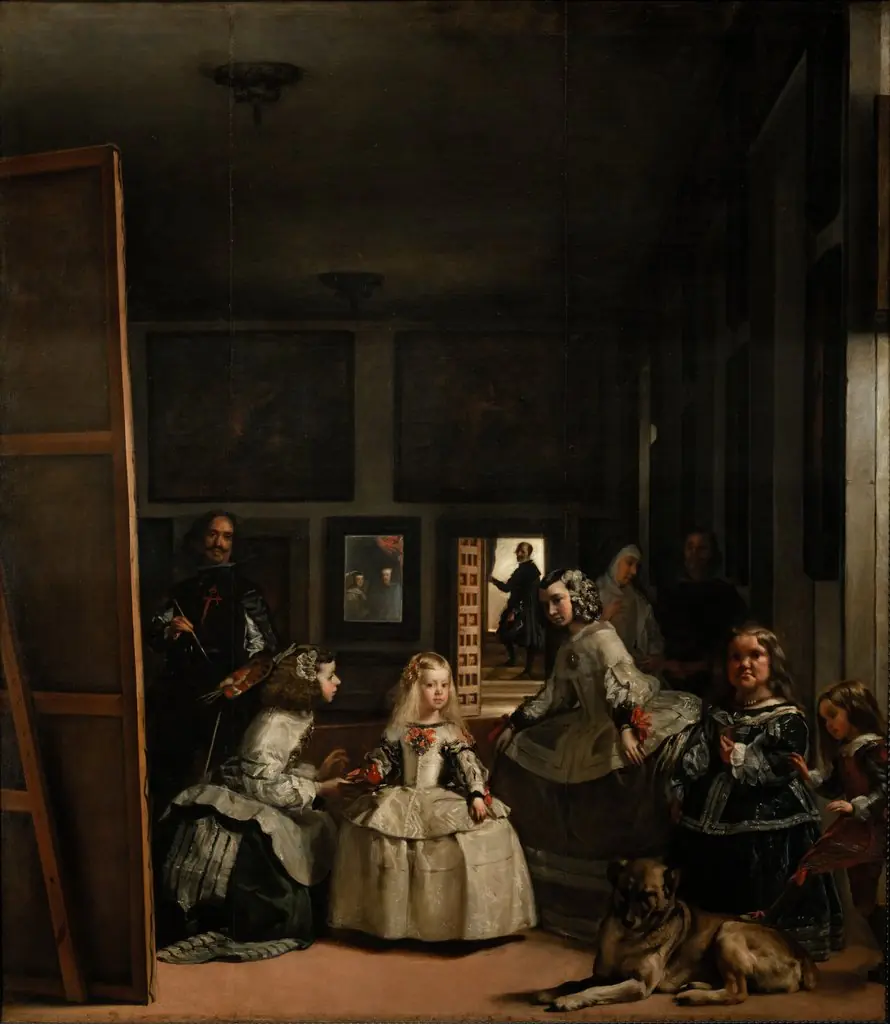
The Ritratto di Isabella di Spagna stands as a foundational document of Baroque portraiture, demonstrating how Velázquez's innovations in capturing presence through light, fabric, and air would influence subsequent generations. His technique of suggesting rather than delineating form, his democratic gaze that treated royal subjects with the same penetrating observation accorded to any sitter, and his chastened chiaroscuro all contributed to a visual language that art historians have traced forward to Goya and beyond. The portrait's particular combination of realism and grandeur established a paradigm for royal likeness that avoided both idealization and theatricality. While Velázquez's later works such as Las Meninas have attracted more sustained theoretical attention, the early 1630s portraits of the royal family, including this canvas in Vienna, remain essential to understanding how he transformed European court painting. The painting continues to be studied for its technical precision, its psychological depth, and its embodiment of a specifically Spanish Baroque aesthetic of dignified restraint.
Artist & collection
Artist
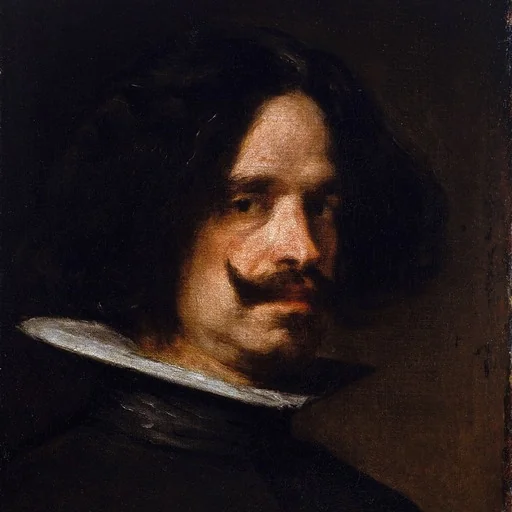
Diego Rodríguez de Silva y Velázquez was a Spanish Baroque painter, the leading artist in the court of King Philip IV of Spain and Portugal, and of the Spanish Golden Age.

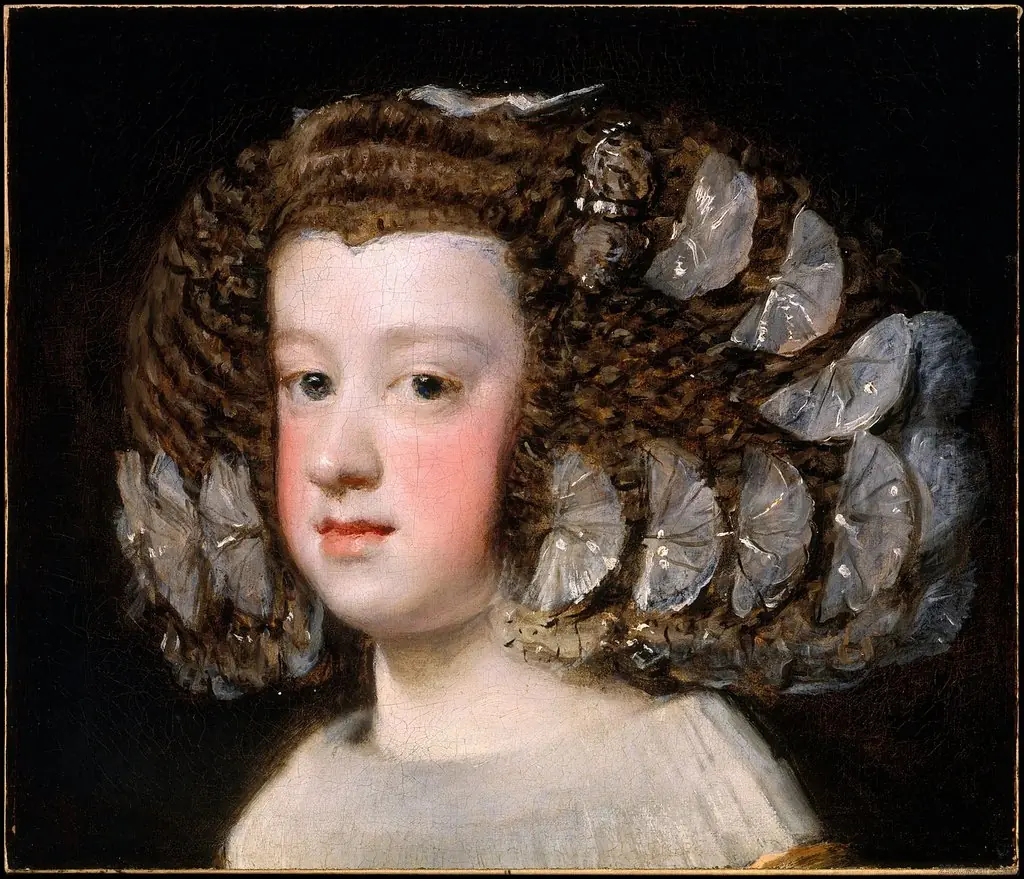
- Isabella of Bourbon, Wife of Philip IV of Spain
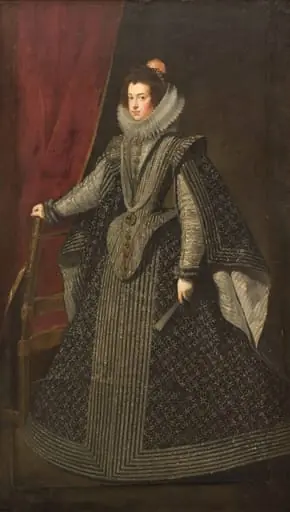 Isabella of Bourbon. First Queen of King Philip IV
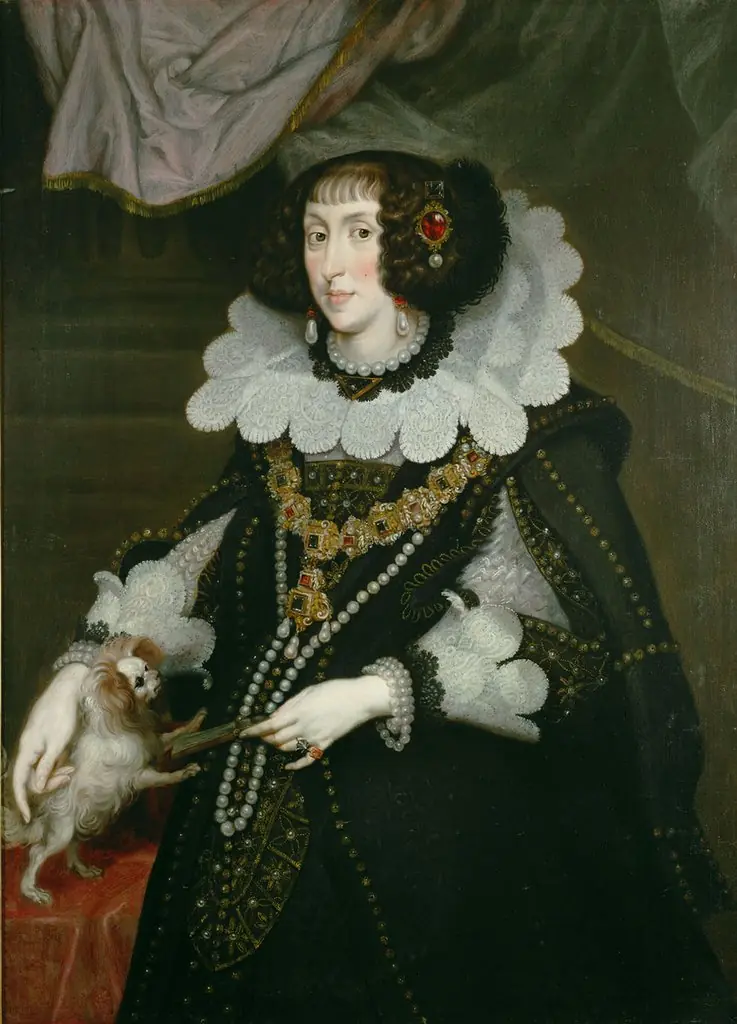 Portrait of the Archduchess Maria Anna of Austria
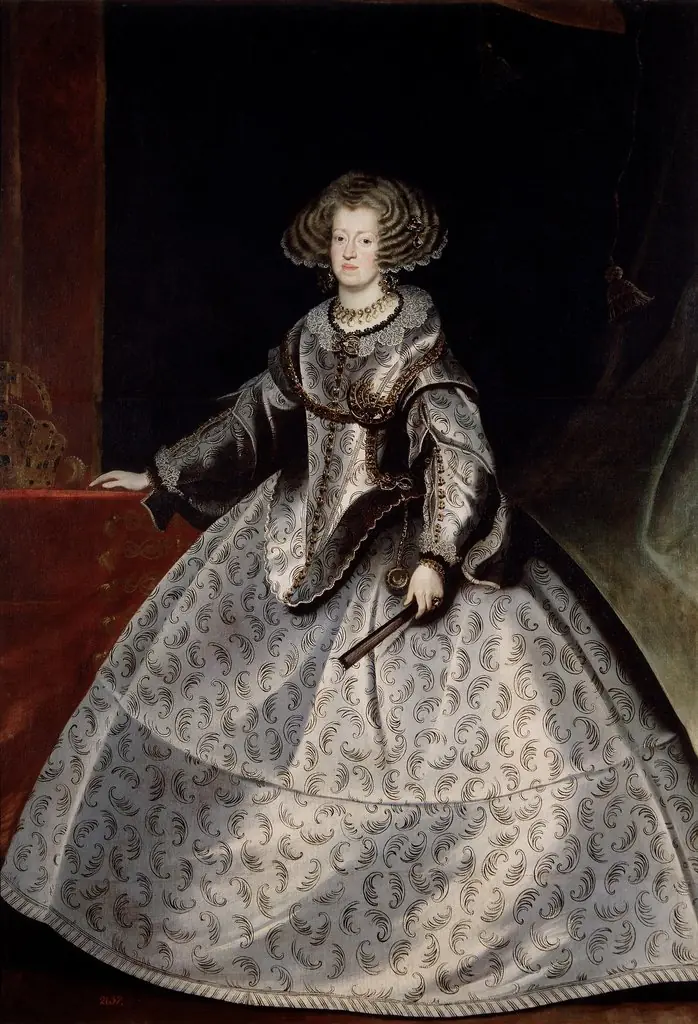 María of Austria Queen of Hungary
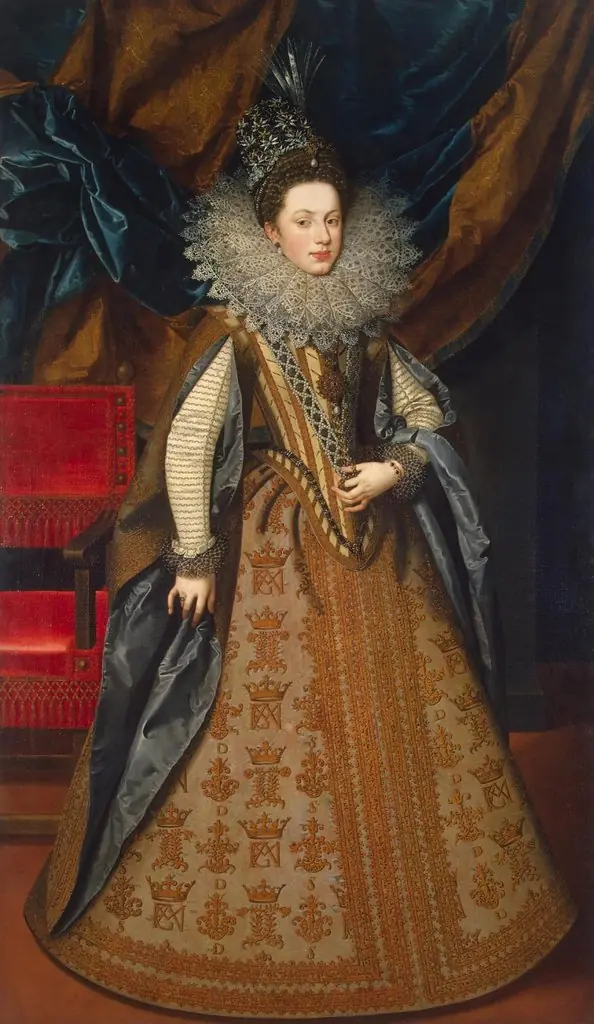 Portrait of Margaret of Savoy, Duchess of Mantua
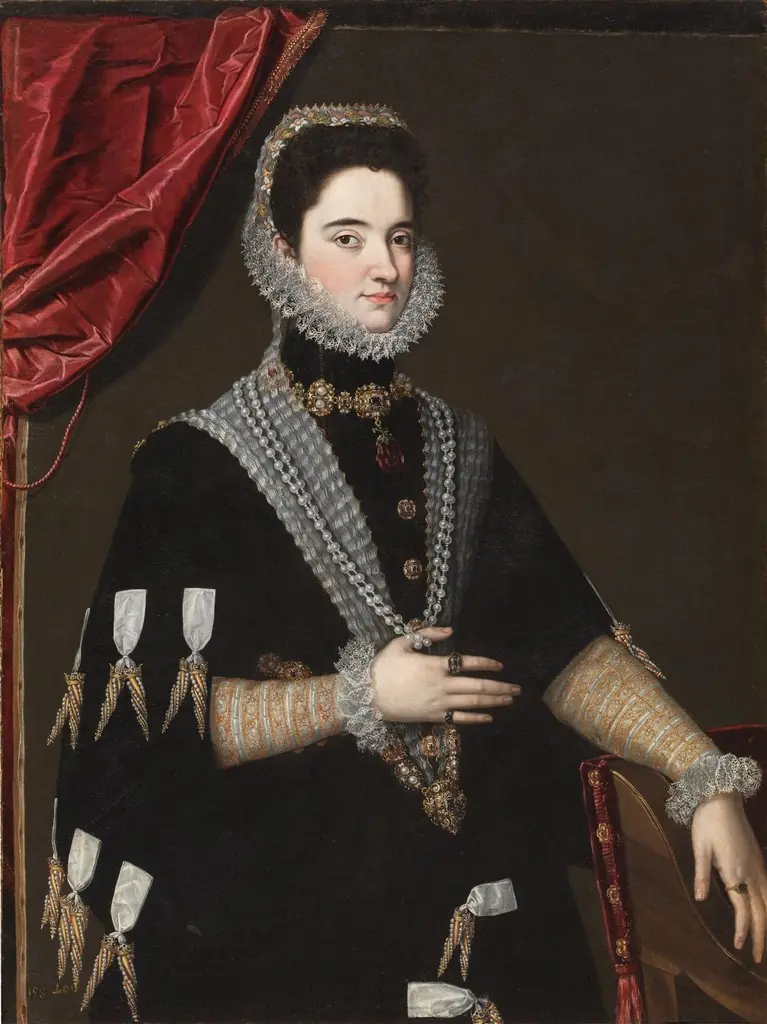 Portrait of a Lady
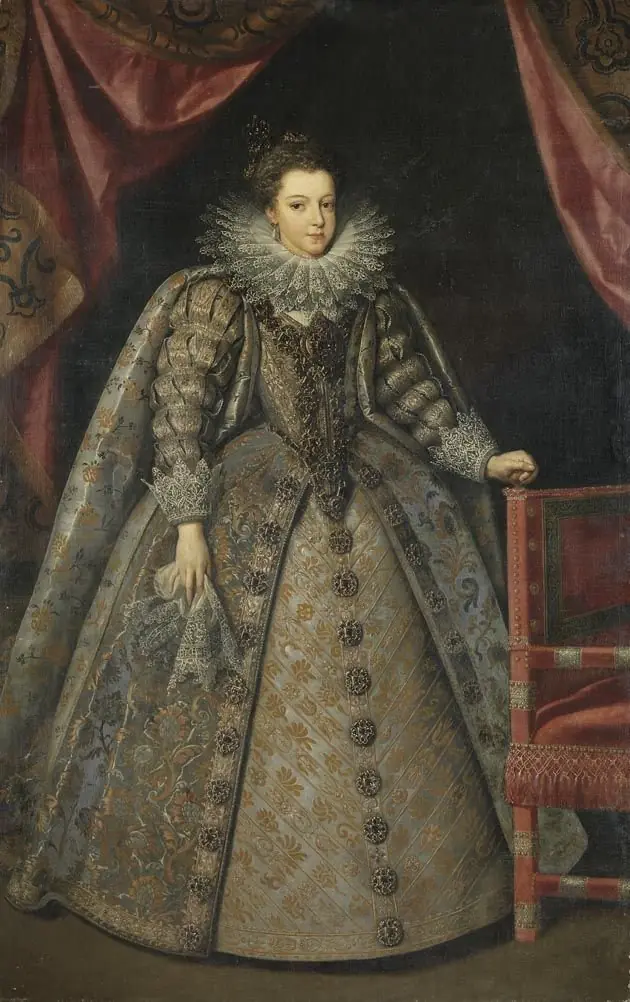 Elisabeth von Bourbon (1602-1644)
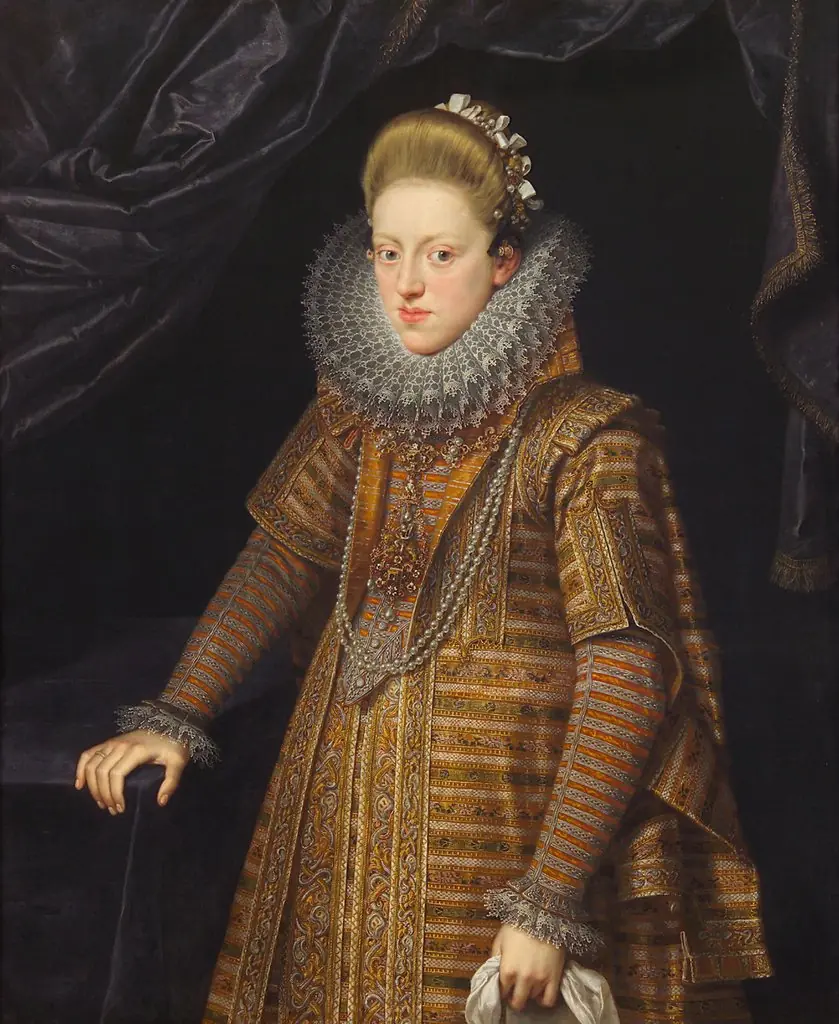 Erzherzogin Eleonore (1582-1620), Kniestück
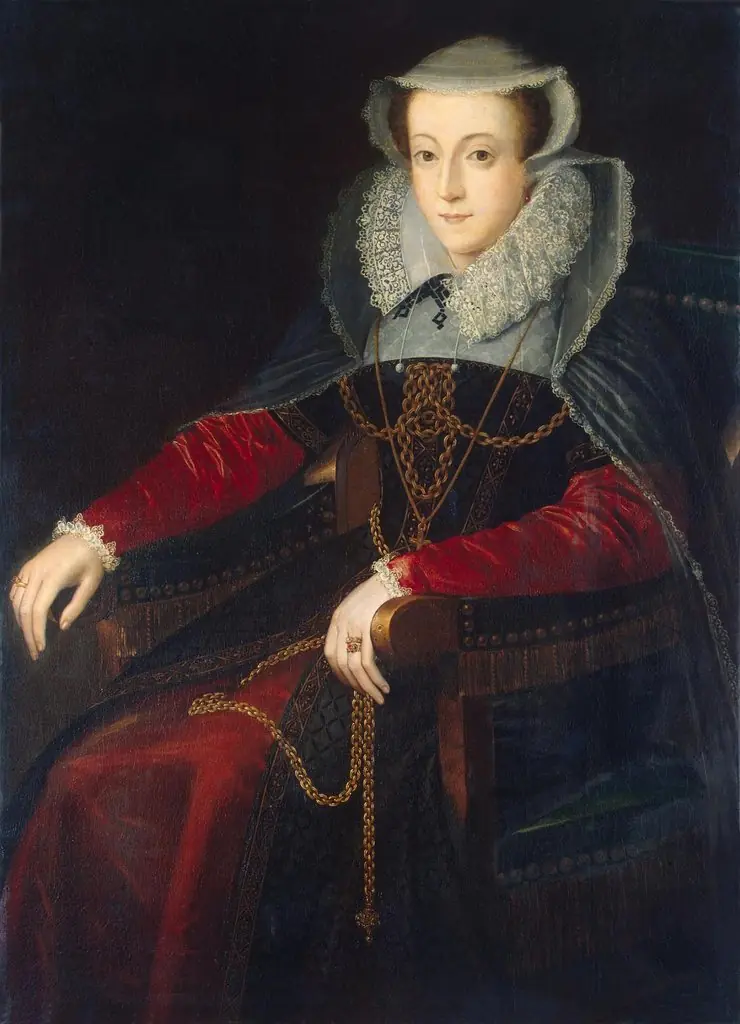 Portrait of Mary Stuart, Queen of Scots
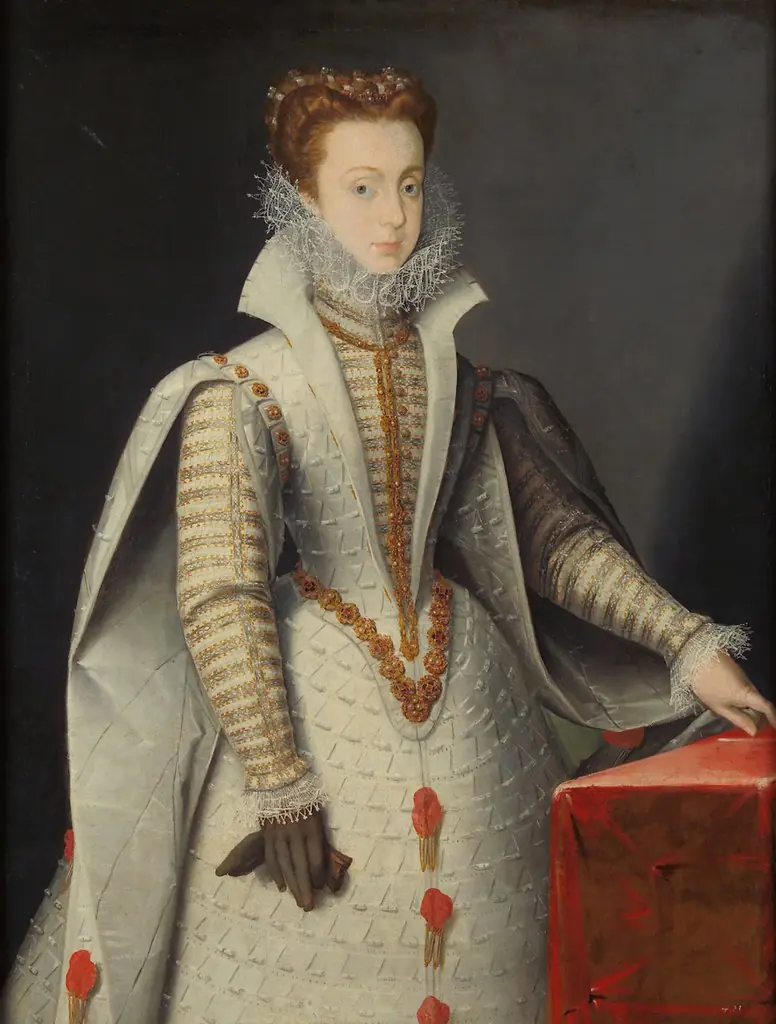 Herzogin Margarete von Joyeuse (1564-1625), Dreiviertelbildnis
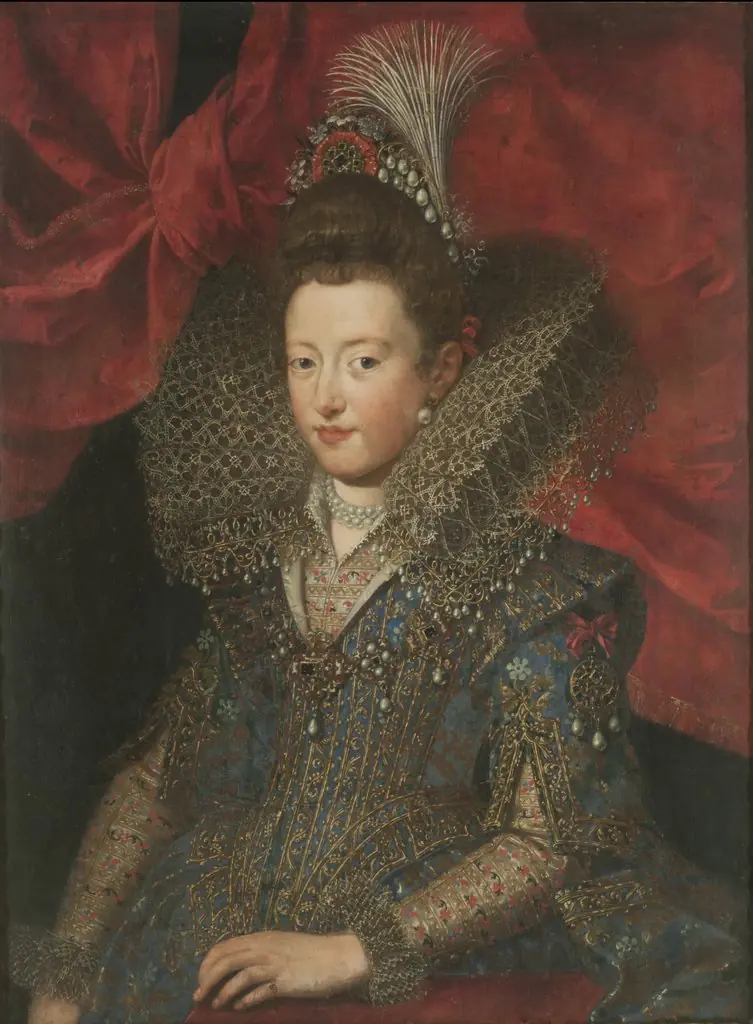 Portrait of Margarita Gonzaga
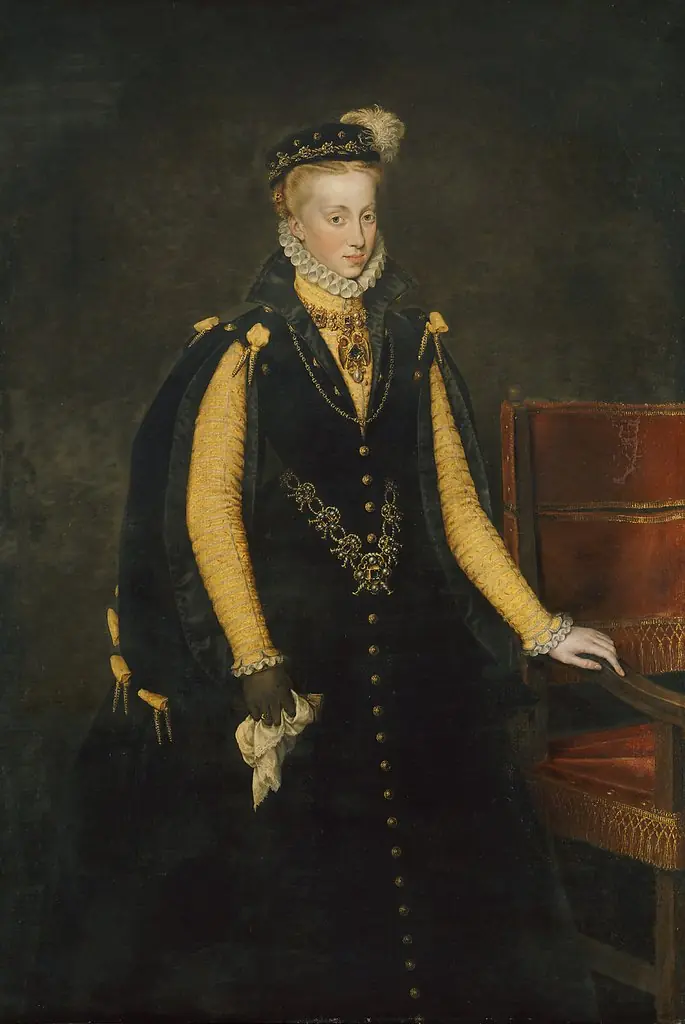 Anna von Österreich, Königin von Spanien