Artwork
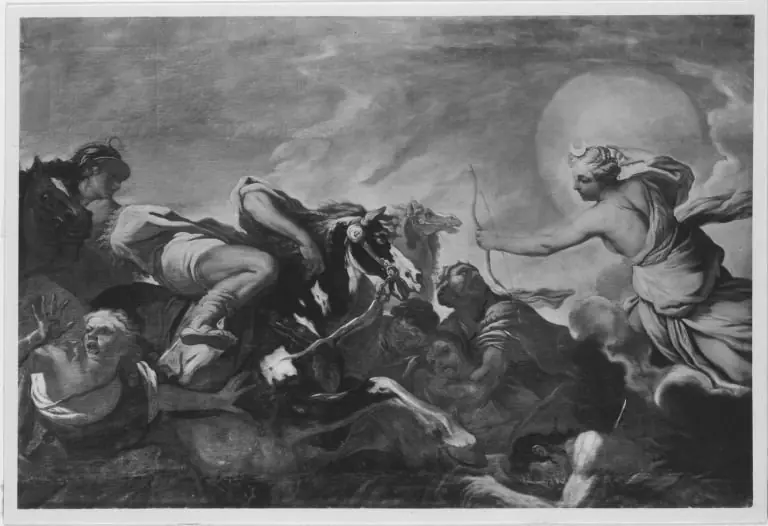
Apollo tötet die Kinder der Niobe
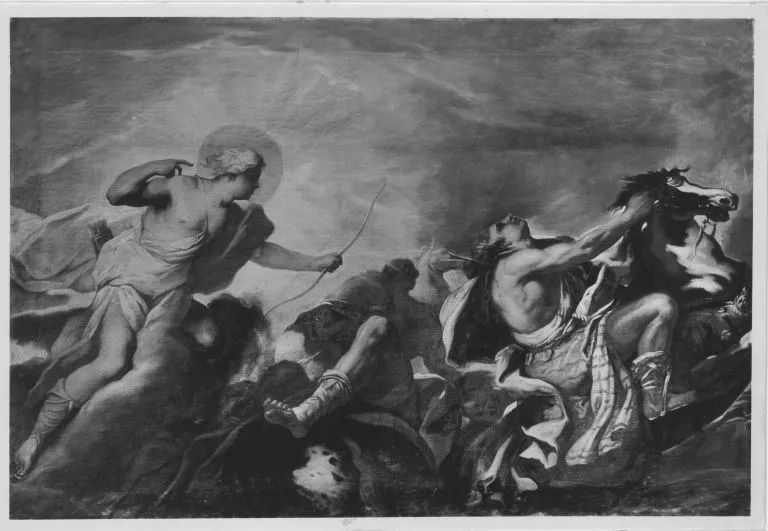
Apollo tötet die Kinder der Niobe is an unspecified painting by the Rococo painting artist Sebastiano Conca. It dates from 1722 and is held in the collection of the Bavarian State Painting Collections.
About this work
Subject & Meaning
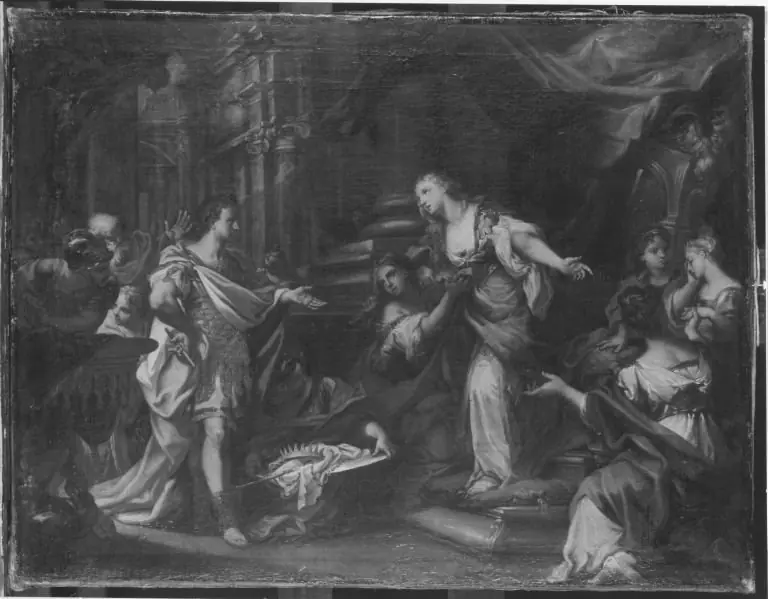
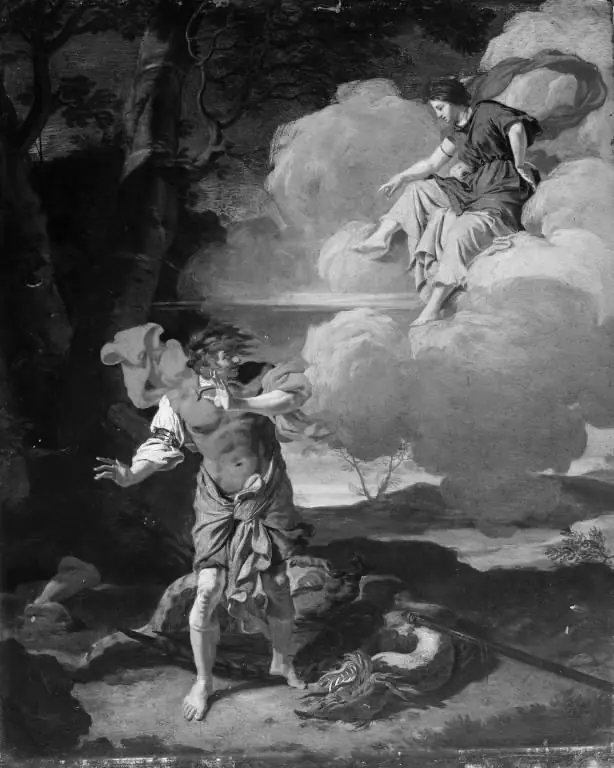
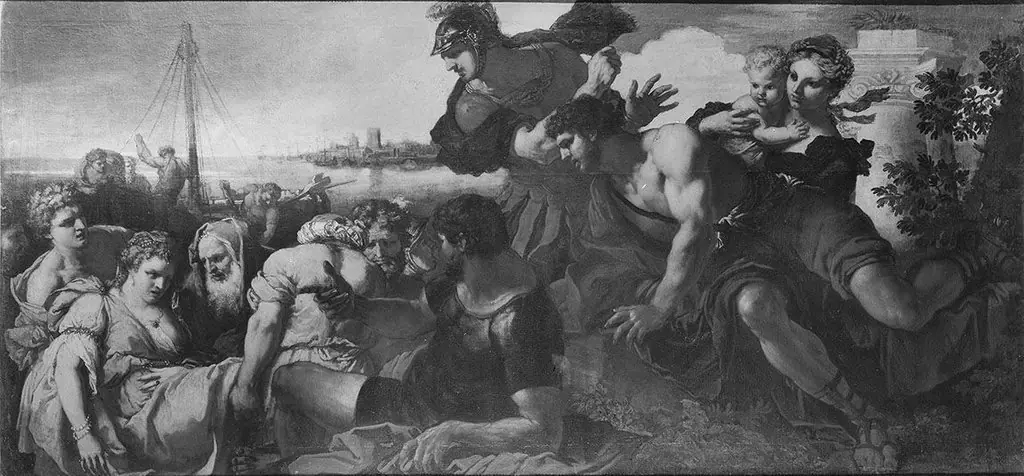
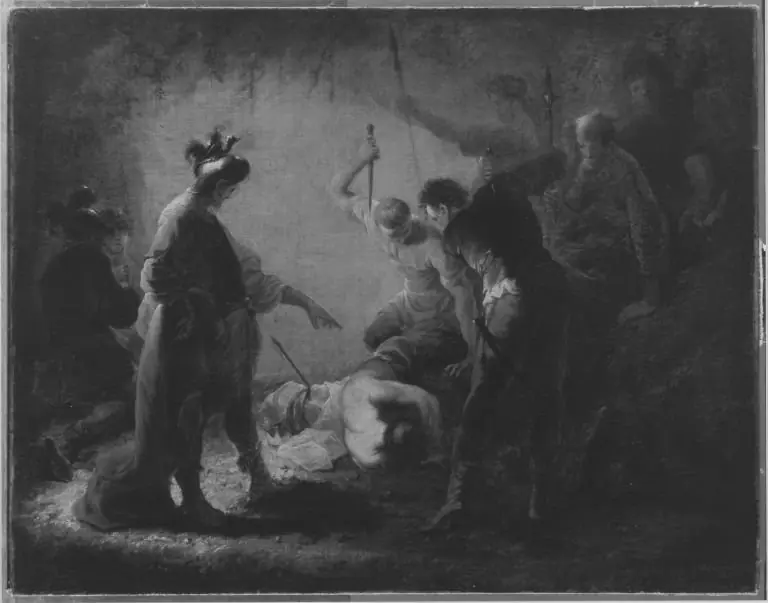
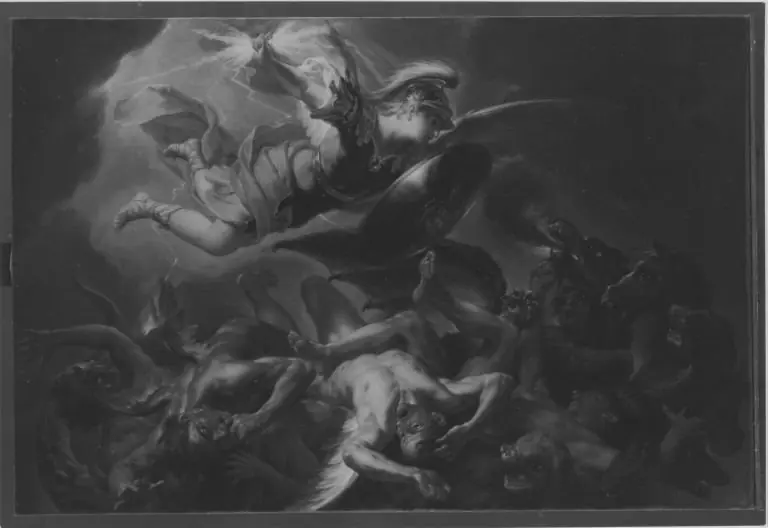
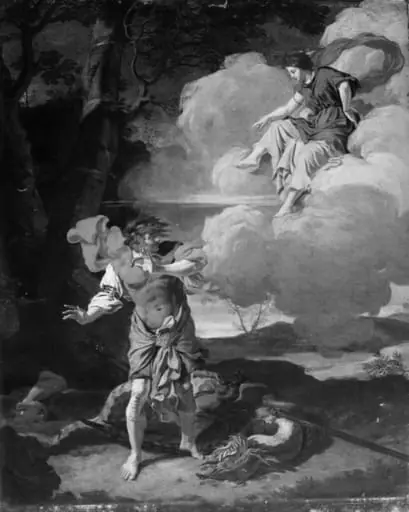
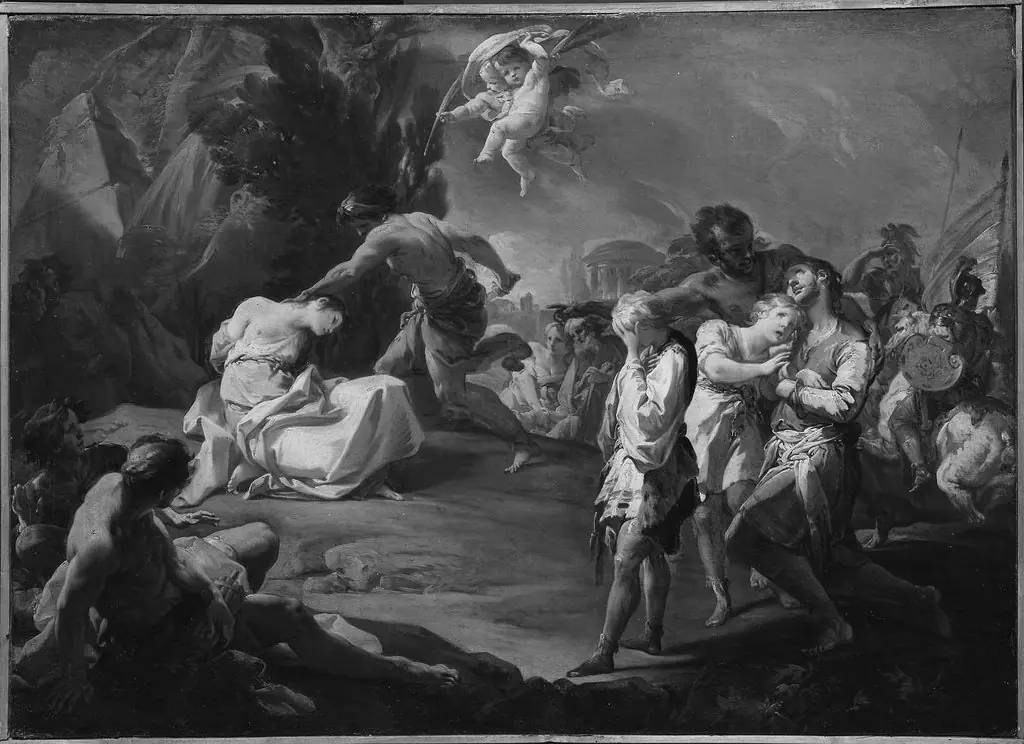
As indicated by its title, the artwork captures the narrative moment where Apollo kills the children of Niobe.
The painting portrays a scene from classical mythology, specifically focusing on the deity Apollo. As indicated by its title, the artwork captures the narrative moment where Apollo kills the children of Niobe. This mythological subject reflects the ancient tale of divine retribution, wherein Apollo and his sister Artemis exact lethal vengeance upon Niobe's offspring after she boasted of her superiority over their mother, Leto. The work thus represents themes of hubris and severe divine punishment within the mythological genre.
Technique & Style
Apollo tötet die Kinder der Niobe is a painting by Sebastiano Conca, classified as a mythological work and dated to 1722. According to the cataloguing data, the work measures 130 cm in height by 195 cm in width, indicating a large horizontal format befitting a history painting of this subject. It belongs to the Bavarian State Painting Collections and is held at the Alte Pinakothek.
The sources do not specify the support (canvas or panel), the medium beyond the general classification of painting, or the current condition, so those technical details cannot be stated here.
History & Provenance
The painting Apollo tötet die Kinder der Niobe was created by the Italian Baroque artist Sebastiano Conca in 1722, a date recorded in both the internal catalog and the Wikidata entry for the work. It depicts the mythological scene of Apollo slaying the children of Niobe and is classified as a mythological painting. Today the work forms part of the Bavarian State Painting Collections and is displayed at the Alte Pinakothek in Munich. No earlier provenance, commission records, or ownership transfers are documented in the sources consulted.
The painting Apollo tötet die Kinder der Niobe by Sebastiano Conca is held within the Bavarian State Painting Collections. Specifically, the work resides in the Alte Pinakothek in Munich. Created in 1722, the canvas measures 130 cm in height and 195 cm in width.
The provided sources do not contain information regarding specific inventory numbers, accession dates, or a record of past exhibitions for this artwork.
Overview
Sebastiano Conca’s 1722 oil on canvas, titled Apollo tötet die Kinder der Niobe, presents a baroque interpretation of the classical myth in which Apollo avenges his mother Leto by slaying Niobe’s offspring. The work belongs to the collection of Munich’s Alte Pinakothek and exemplifies the dramatic narrative style favored by the artist.
Context
The work aligns with the broader 18th‑century fascination with mythological subjects, serving both decorative and didactic purposes in aristocratic settings. Conca’s treatment of the Niobe myth echoes earlier interpretations by artists such as Rubens, yet his use of light and composition marks a distinct personal approach.
Artist & collection