Artwork
Perseo affronta Fineo con la testa di Medusa
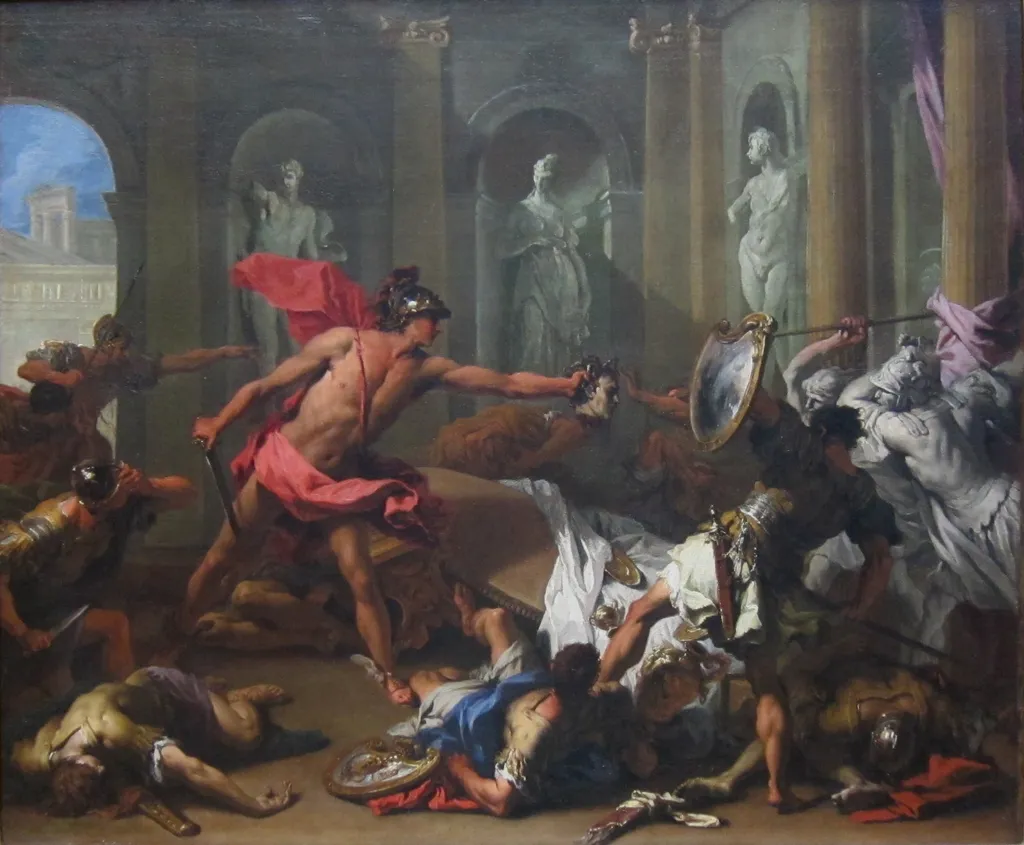
Perseo affronta Fineo con la testa di Medusa is an unspecified painting by Sebastiano Ricci. It dates from 1706 and is held in the collection of the J. Paul Getty Museum.
About this work
Subject & Meaning
The painting illustrates a specific episode from Ovid's Metamorphoses, depicting the moment Perseus petrifies his enemies using the severed head of Medusa.
The painting illustrates a specific episode from Ovid's Metamorphoses, depicting the moment Perseus petrifies his enemies using the severed head of Medusa. The scene unfolds during a banquet in the palace of Cepheus, where Phineus had instigated an armed conflict against the newlywed hero and Andromeda. Central to the composition, Perseus extends the Gorgon's head toward Phineus and his followers, instantly transforming them into stone statues within a grand hall adorned with columns and divine sculptures.
The narrative captures the climax of the skirmish, showing the hero in armor and a red mantle, while the body of the Indian archer Athis lies dead at Perseus's feet, marked by a head wound and spilled blood. This work visualizes the mythological theme of divine retribution and the lethal power of the Medusa's gaze.
Technique & Style
Sebastiano Ricci executed Perseo affronta Fineo con la testa di Medusa using the oil-on-canvas technique. The composition is set within a grand banquet hall characterized by columns and arches, which house statues of deities, reflecting the mythological narrative's spatial requirements. The artist employs a dynamic handling of figures, centering Perseus as he extends the Gorgon's head to petrify his enemies.
The hero is depicted wearing a helmet, sandals, and a light red mantle that leaves his chest exposed, while the lower left corner features the corpse of Athis, identified by his quiver, myrrh-drenched hair, and bleeding cranial wound. This work, created between 1705 and 1710, illustrates the violent transformation of living warriors into stone statues through the use of vivid mythological iconography.
History & Provenance
The painting was created by Sebastiano Ricci between 1705 and 1710, as an oil on canvas.
It was commissioned to illustrate the Ovidian episode from Metamorphoses in which Perseus turns Phineus and his followers to stone using Medusa’s head during a wedding feast at the palace of Cepheus. The work depicts the culminating moment in a mythological narrative set within a grand banqueting hall adorned with columns and arches, where statues of deities line the walls. The composition centers on Perseus, who raises Medusa’s severed head toward his enemies while brandishing a sword, transforming them into stone figures.
By the early 21st century, the painting entered the collection of the J. Paul Getty Museum in Los Angeles, where it remains housed.
The painting Perseo affronta Fineo con la testa di Medusa by Sebastiano Ricci is held in the collection of the J. Paul Getty Museum in Los Angeles. It entered the museum's holdings as part of the Getty's acquisition of works from the Italian Baroque period, and its accession number is not specified in the provided sources. The work has been displayed in exhibitions focused on mythological painting and Baroque art at the Getty, including presentations that contextualize Ricci's contributions to 18th‑century mythological subjects.
The Getty's catalog records the painting as a mythological work depicting the myth of Perseus and Phineus, based on Ovid's Metamorphoses. It has been included in thematic exhibitions exploring narrative cycles in European art, though specific exhibition titles and dates are not detailed in the available documentation.
Context
Sebastiano Ricci's Perseo affronta Fineo con la testa di Medusa illustrates an Ovidian mythological episode in which Perseus uses Medusa's severed head to petrify Phineus and his armed followers during a banquet held in Phineus's brother Cephus's palace; the composition, set within a grand hall of columns and arches populated by divine statues, places the hero centrally as he brandishes the writhing head toward his adversaries while wearing a helmet, sandals, and a red mantle, alongside figures such as the slain Indian archer Ati and references to earlier battles involving Licabas; contemporary scholarship situates this work within Ricci's mythological oeuvre and the broader Venetian tradition of narrative painting, reflecting his engagement with Ovidian sources and the dramatic spatial arrangements characteristic of early 18th-century decorative cycles
Overview
Perseo affronta Fineo con la testa di Medusa is a painting by Sebastiano Ricci, created around 1706. It is a representative work of the late Baroque period in Venetian painting.
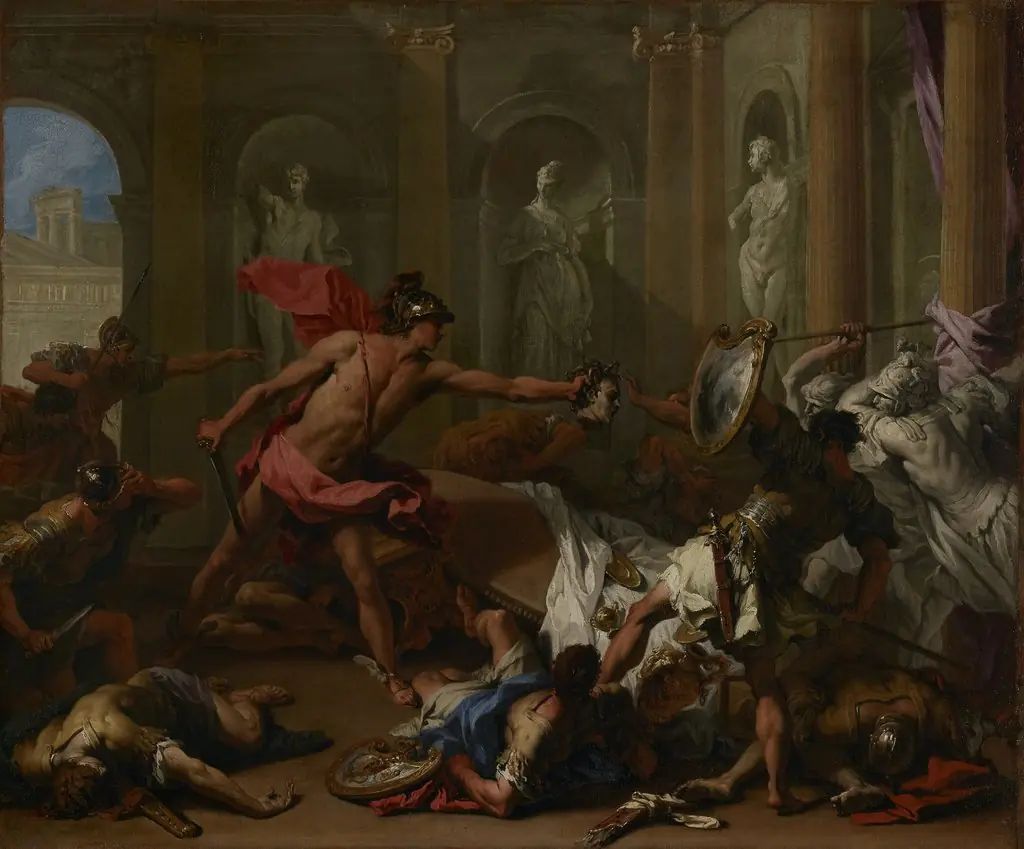
Own this work as a print
Artist & collection
Artist
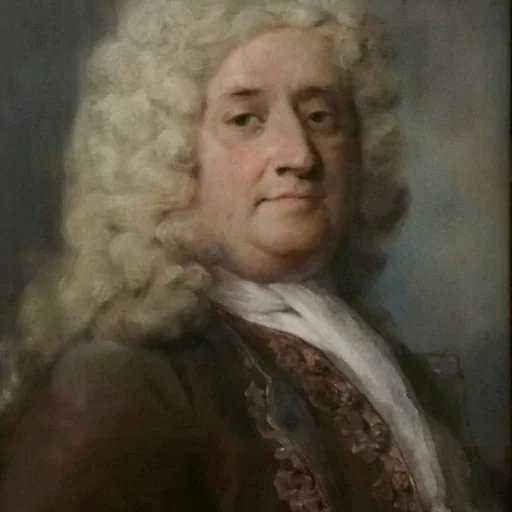
Sebastiano Ricci (1 August 1659 – 15 May 1734) was an Italian Baroque painter of the late Baroque period in Venetian painting.

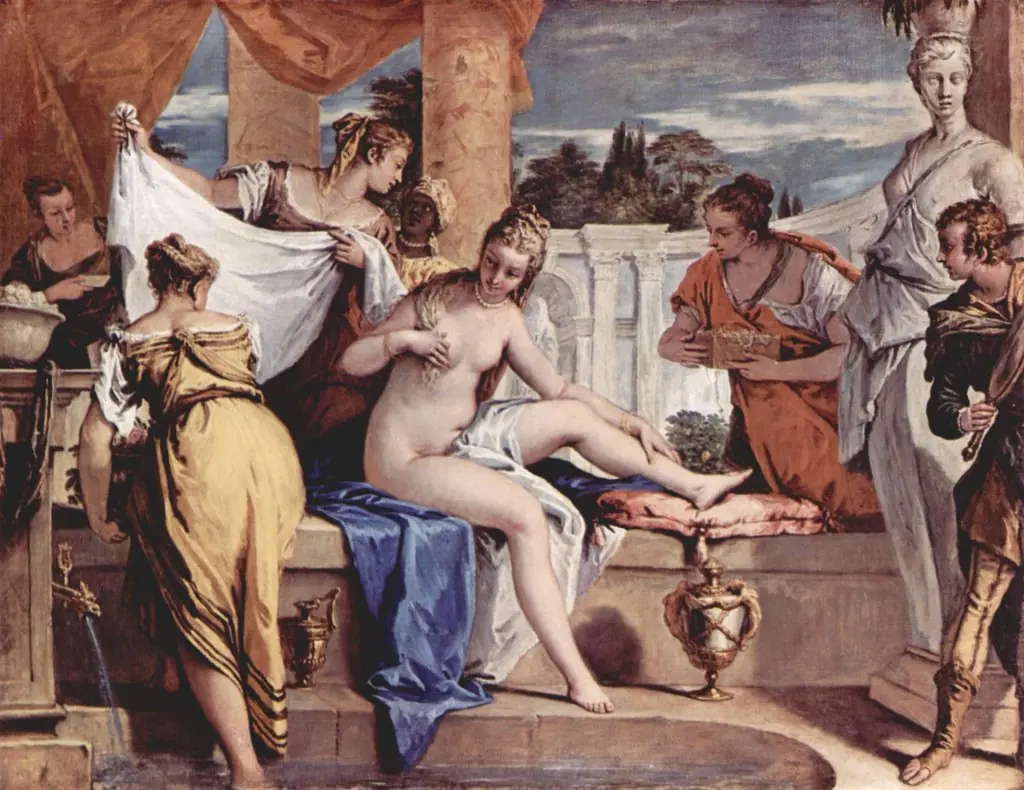

- Perseus Confronting Phineus with the Head of Medusa
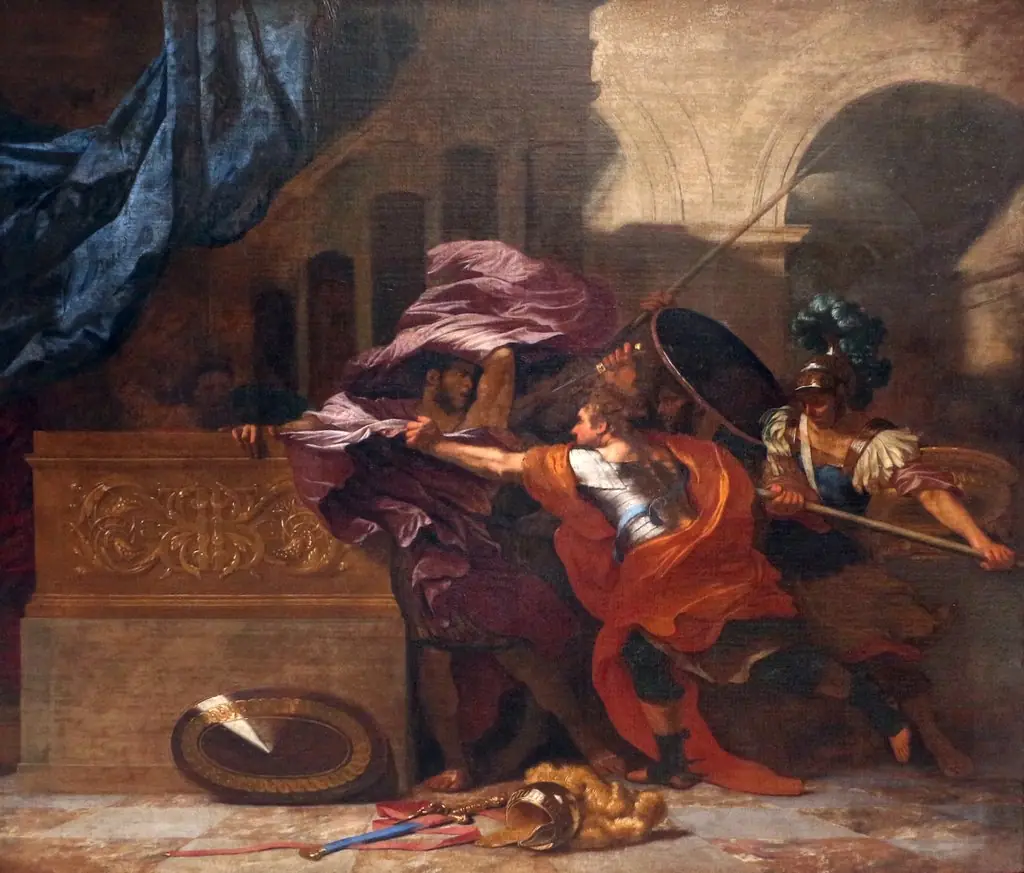 Death of Pyrrhus
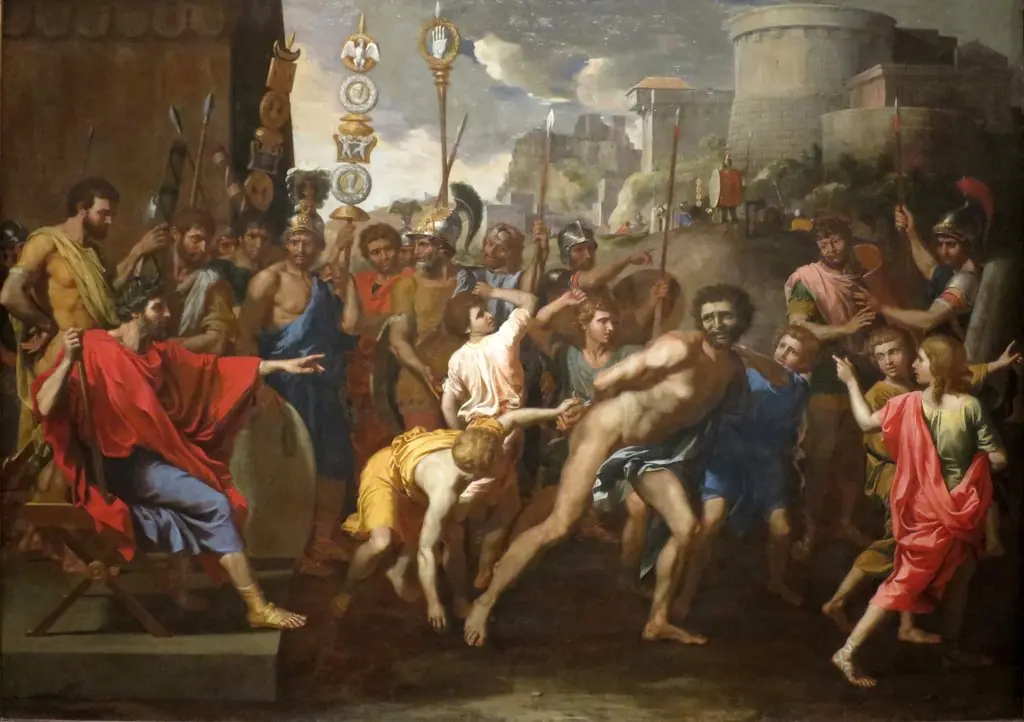 Camillus and the Schoolmaster of Falerii
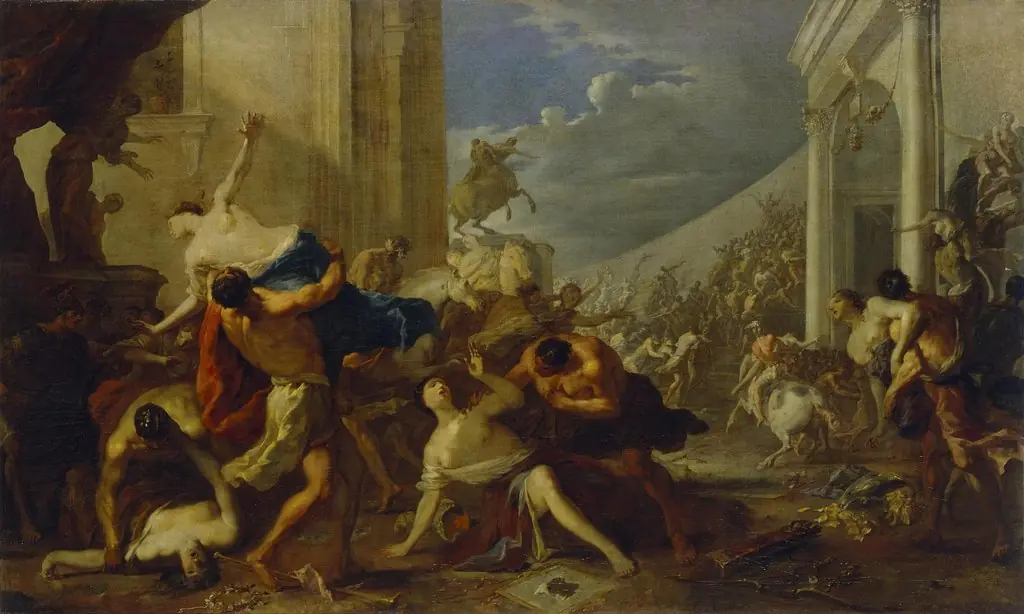 Rape of the Sabine Women
 David med Goliats sværd på skulderen. Andre med hans hoved på en stage
 David med Goliats sværd på skulderen. Andre med hans hoved på en stage
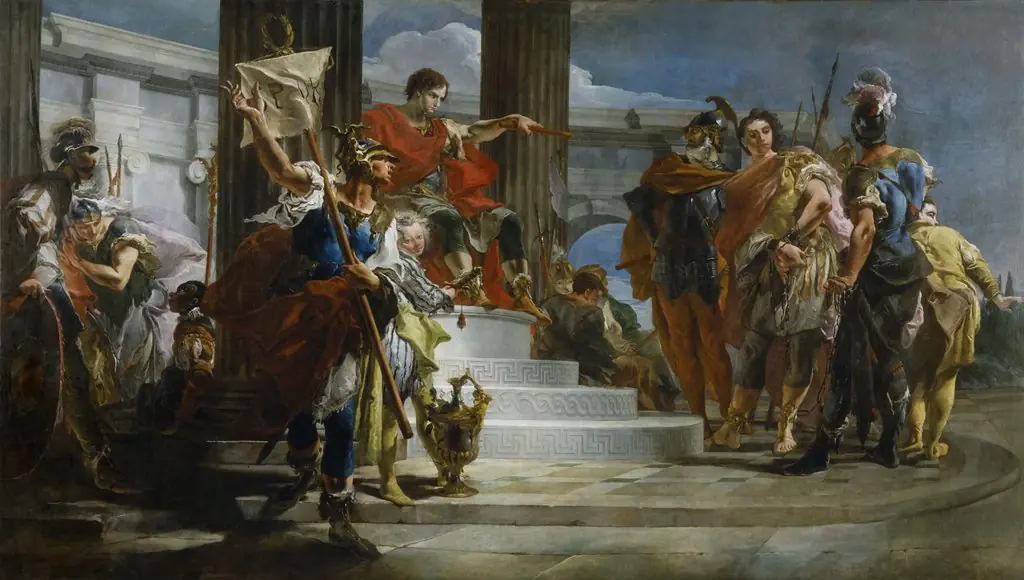 Scipio Africanus Freeing Massiva
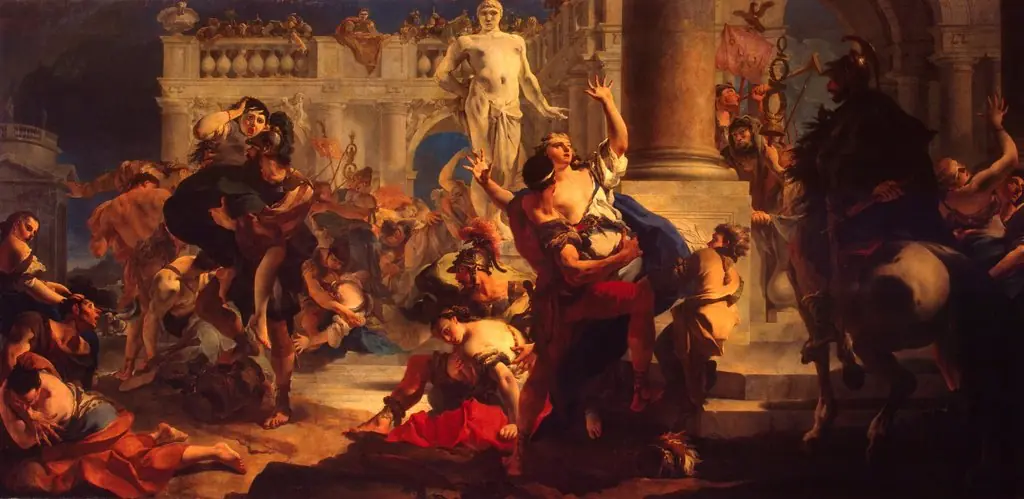 Rape of the Sabine Women
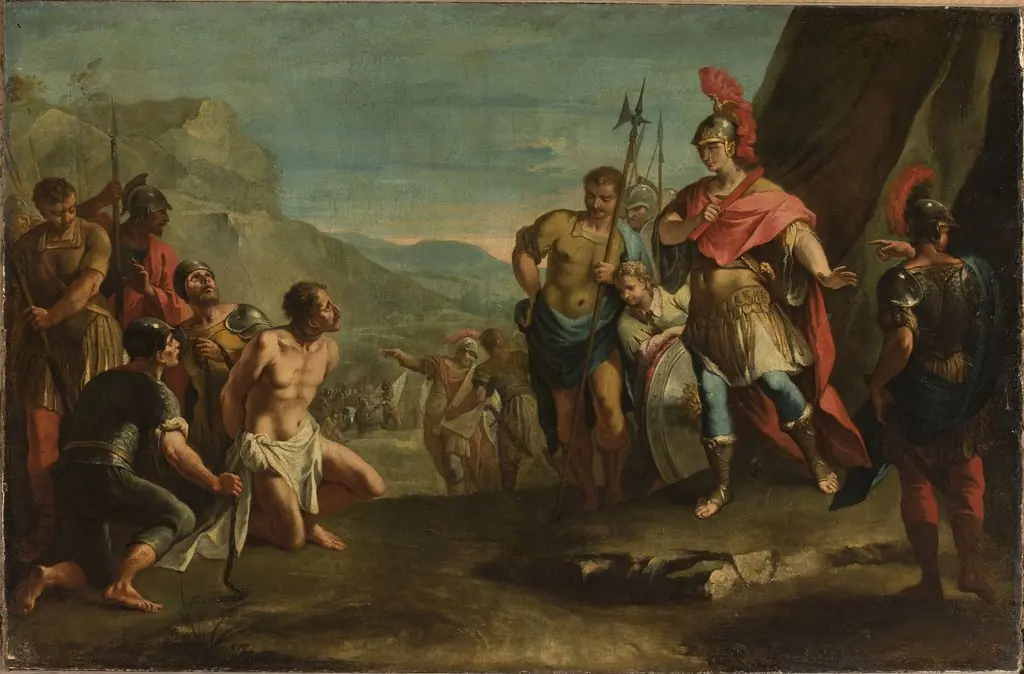 Killer of Darius before Alexander (King Porus and Alexander the Great)
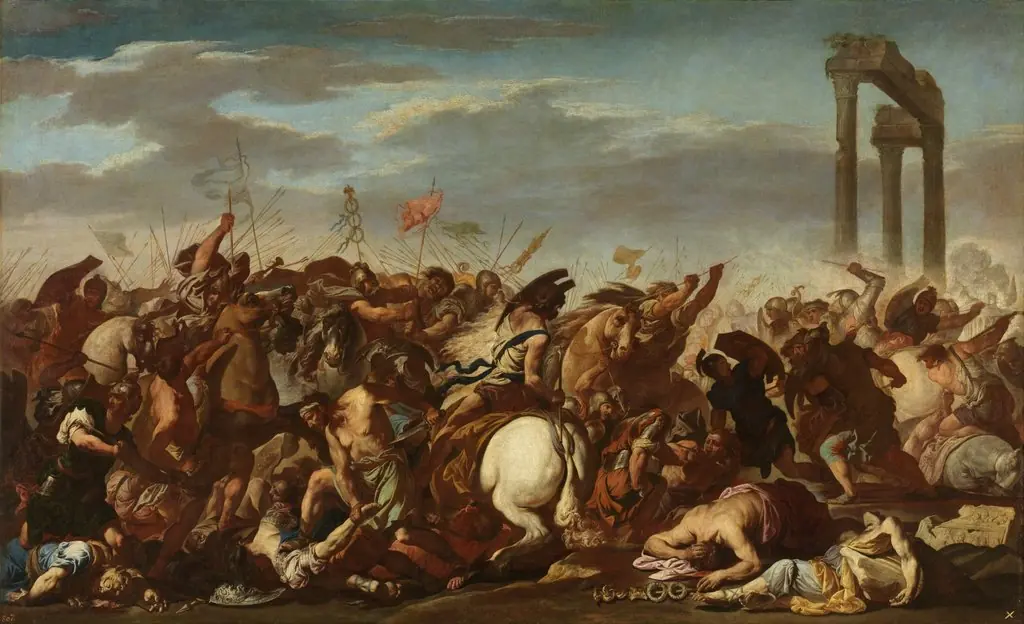 Batalla
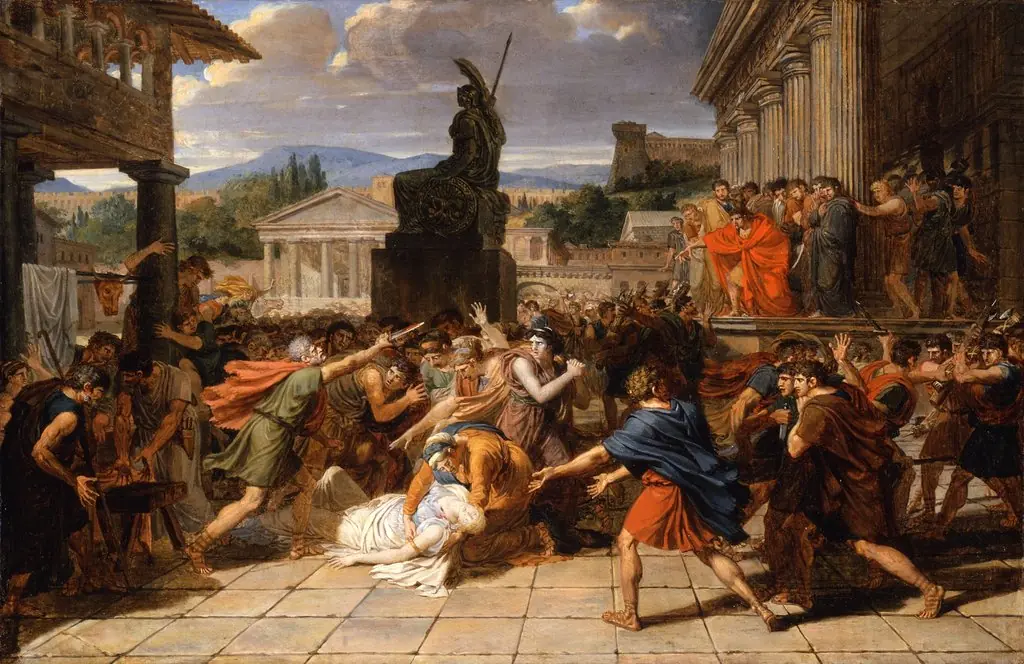 The Death of Virginia
 Massacre of the Innocents