Artwork
Bamboo and Plum
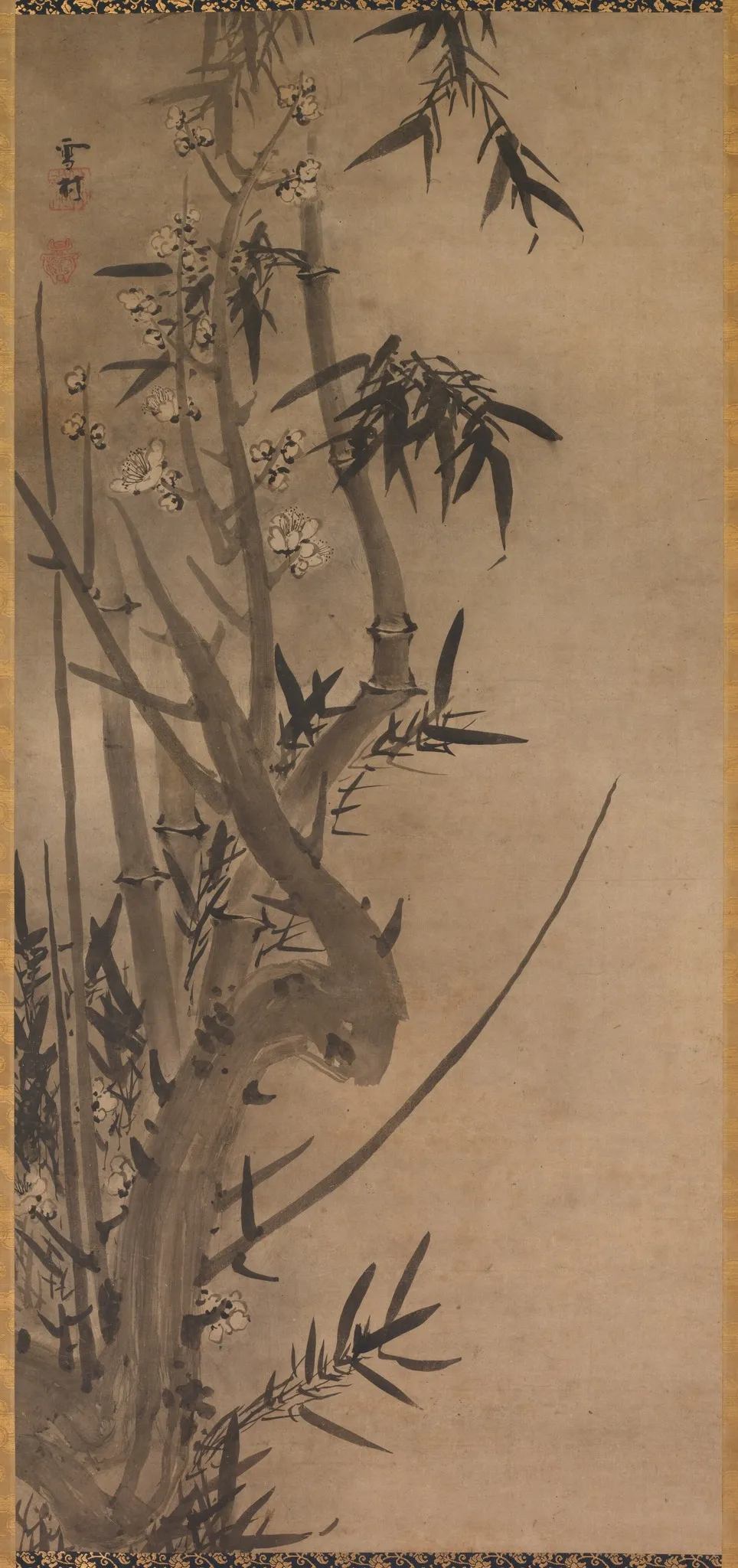
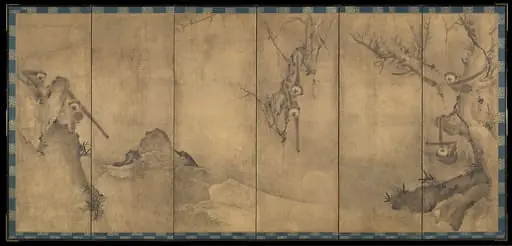
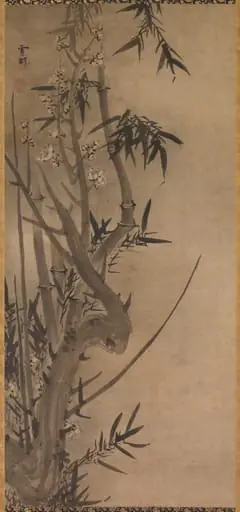
Bamboo and Plum is an unspecified painting by the Nanga artist Sesson Shūkei. It dates from 1546 and is held in the collection of the Cleveland Museum of Art.
About this work
History & Provenance
It originated in Japan and is currently held in the collection of the Cleveland Museum of Art, where it is cataloged under the accession number 2015.
The painting Bamboo and Plum was created by the Japanese artist Sesson Shūkei in 1546. It originated in Japan and is currently held in the collection of the Cleveland Museum of Art, where it is cataloged under the accession number 2015.503. The work dates specifically to the year 1546, marking it as a mid-sixteenth-century piece from the artist's active period.
The painting Bamboo and Plum, created by Sesson Shūkei in 1546, is held in the collection of the Cleveland Museum of Art in Cleveland, Ohio. The museum assigns the work the accession number 2015.503. While the artwork was produced in Japan, its current institutional home remains the Cleveland Museum of Art, where it is cataloged as a painting from the mid-16th century.
Overview
Created in 1546, Bamboo and Plum is a hanging scroll painted by Sesson Shūkei, a Japanese Zen monk active during the Muromachi period. The work exemplifies the literati-inspired nanga bunjinga tradition, focusing on natural subjects that convey both simplicity and scholarly elegance.
Subject & Meaning
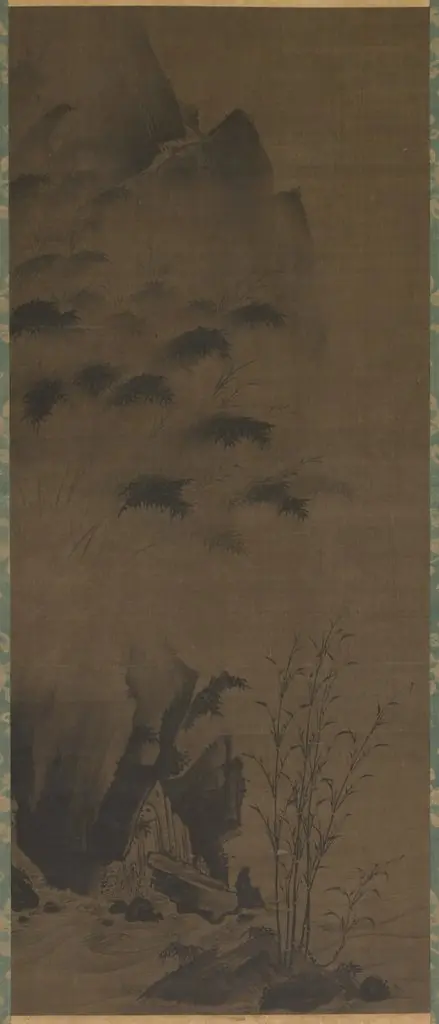
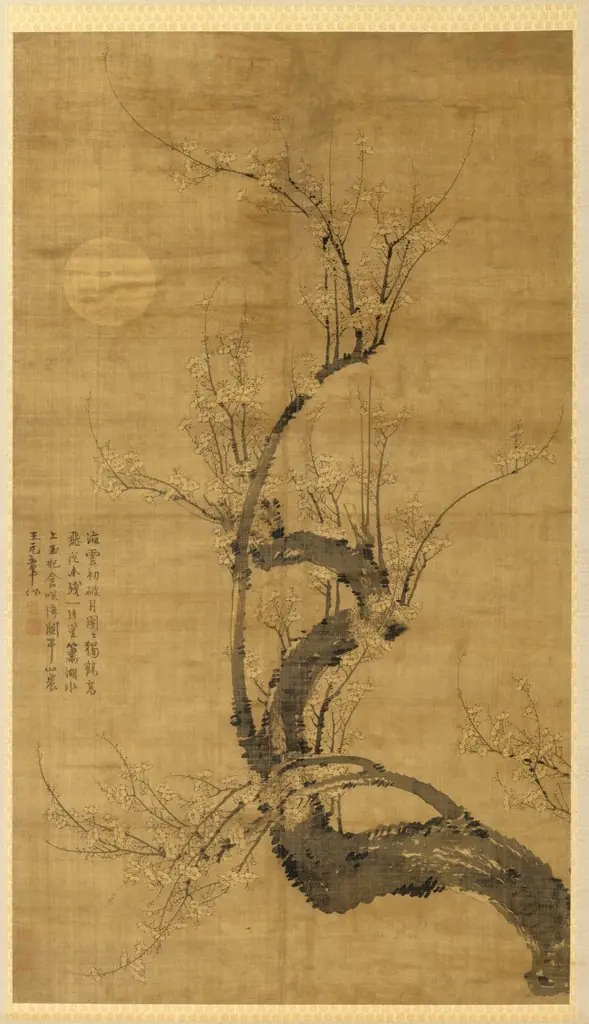
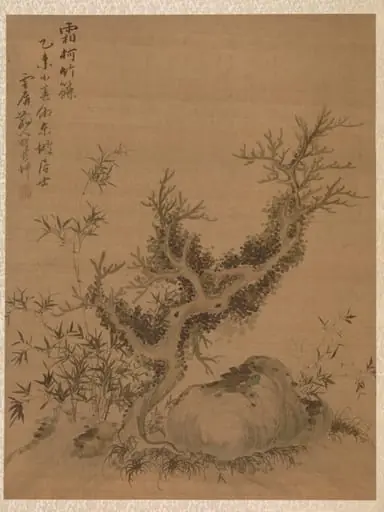
The composition pairs slender bamboo stalks with clusters of delicate plum blossoms, a pairing traditionally associated with resilience and renewal in East Asian symbolism. Bamboo’s straight, vertical lines suggest steadfastness, while the modest white flowers introduce a fleeting, seasonal quality.
Technique & Style
Executed primarily in ink, the piece combines brisk, expressive strokes for the bamboo with more controlled, refined lines for the plum blossoms. A muted, light wash serves as background, allowing the dark bamboo to stand out. The contrast between loose and precise brushwork reflects the artist’s mastery of texture and depth.
Context
During the mid‑16th century, Japanese ink painting was heavily influenced by Chinese literati ideals, emphasizing personal expression over realistic representation. Bamboo and Plum aligns with this trend, using botanical motifs to convey scholarly virtues favored by Zen practitioners and courtly amateurs alike.
Artist & collection