Artwork
雪村周継筆 山水図|Landscape with Rocky Precipice
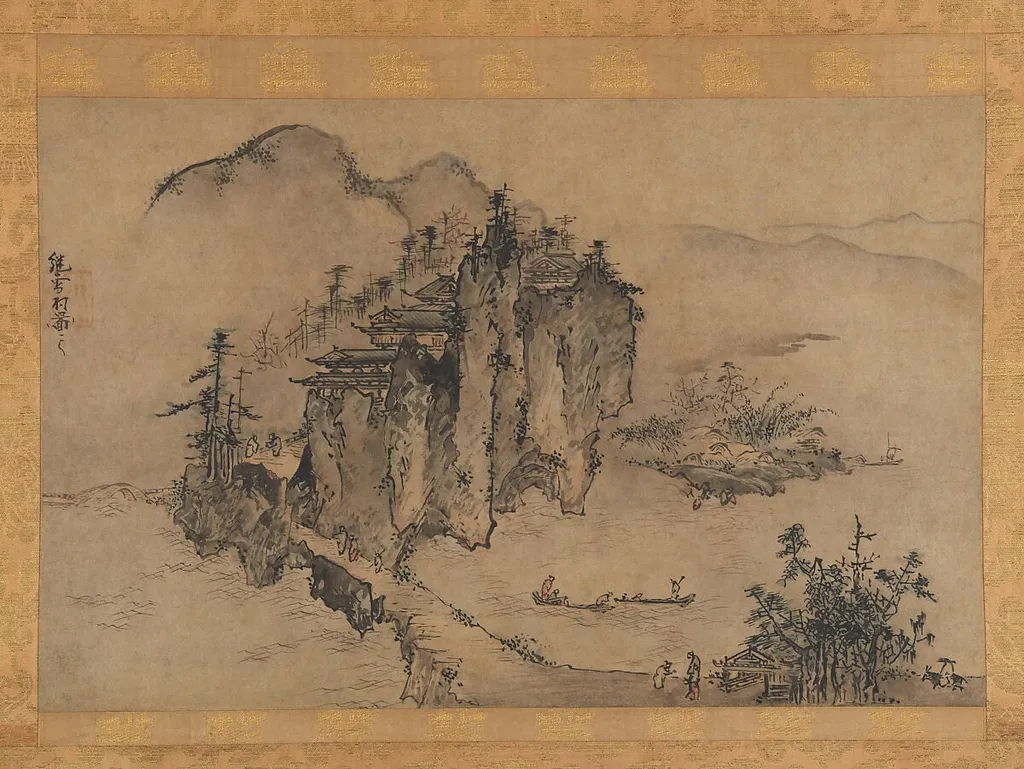
雪村周継筆 山水図|Landscape with Rocky Precipice is an ink painting by Sesson Shūkei. It dates from 1550 and is held in the collection of the Metropolitan Museum of Art.
About this work
Subject & Meaning
These elements, a boat, cliff, cloud, donkey, fisherman, mist, mountain, pagoda, and pine trees, are all recorded as depicted in the work.
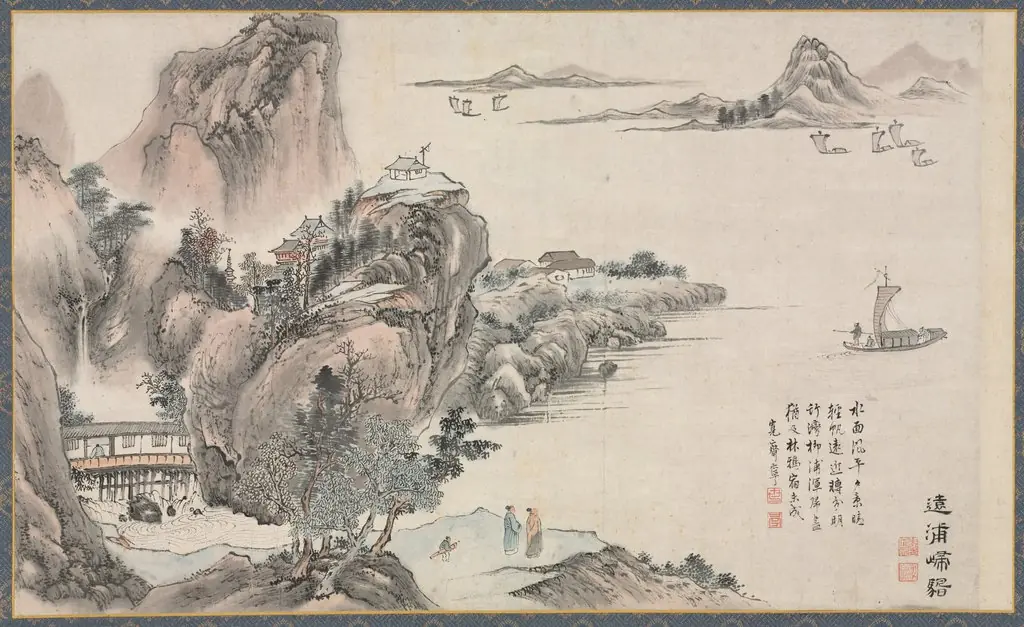
This hanging scroll depicts a mountain landscape featuring a rocky cliff, drifting mist and clouds, a pagoda, and pine trees. In the foreground, a fisherman sits in a small boat, and a donkey is present. These elements, a boat, cliff, cloud, donkey, fisherman, mist, mountain, pagoda, and pine trees, are all recorded as depicted in the work.
Together, they create a serene, idealized natural scene typical of 16th-century Japanese ink landscapes. The composition suggests harmony between human activity and the natural world, inviting contemplation without a specific narrative.
Technique & Style
This hanging scroll painting by Sesson Shūkei (1550) uses ink and color on paper, measuring 30.2 cm high by 46.7 cm wide. The composition features a rocky precipice, misty mountains, pine trees, a pagoda, a boat with fisher, and a donkey, elements that together create a layered, atmospheric landscape. The ink medium, applied on paper, allows for soft wash effects rendering clouds and mist, while color accents on the pagoda and foliage provide visual focus.
The vertical scroll format emphasizes the height of the cliff and the recession of space through mist, typical of Muromachi-period ink painting.
History & Provenance
Created in 1550 by the Japanese painter Sesson Shūkei, this hanging scroll (Landscape with Rocky Precipice) is now held in the collection of the Metropolitan Museum of Art. No details of its original commission or subsequent ownership chain are recorded in the available sources.
Overview
Sesson Shūkei, a Zen monk and painter of the Muromachi period, created this hanging scroll, Landscape with Rocky Precipice, in the sixteenth century. Executed in ink and color on paper, the work exemplifies his distinctive approach to ink painting. Sesson developed his individualistic style while active in eastern Japan, far from the cultural hub of Kyoto.
The painting, now held by the Metropolitan Museum of Art, showcases his mature hand and dramatic compositional choices.
Artist & collection

 Returning Sails off a Distant Shores, from Eight Views of Xiao-Xiang
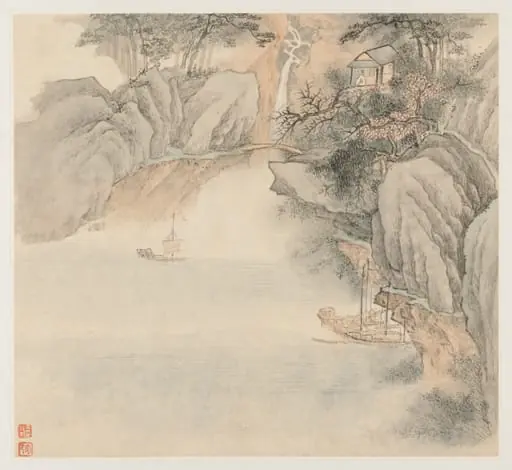 Album of Landscapes: Leaf 4
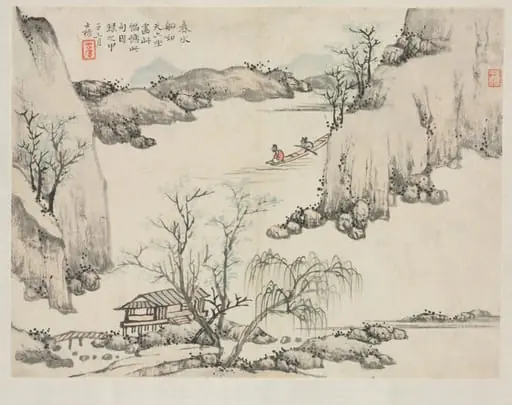 Landscape Album in Various Styles: Boating in Spring Water
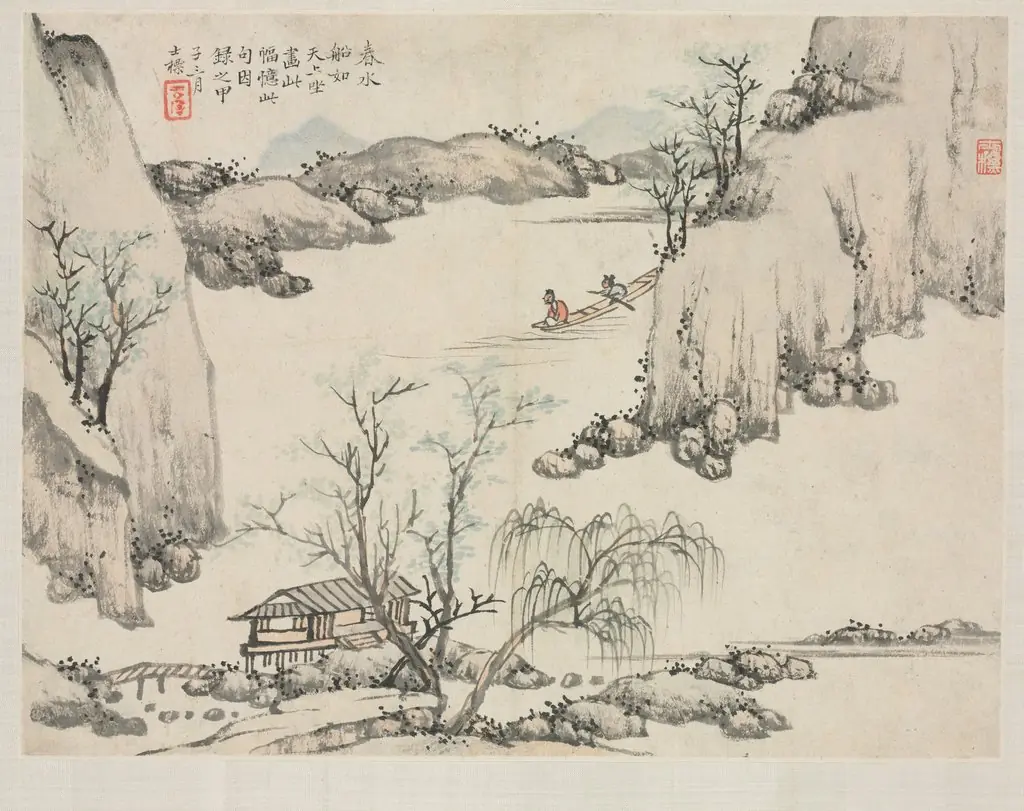 Landscape Album in Various Styles: Boating in Spring Water
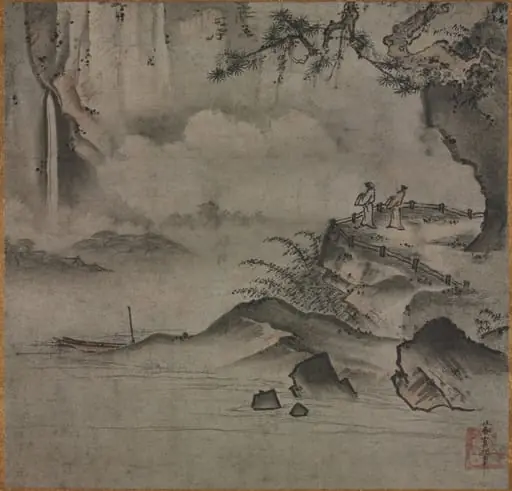 Gazing at a Waterfall
 Landscapes and Figures: Landscape
 Recluse Dwellings in the Autumn Mountains
 Untitled
 Untitled
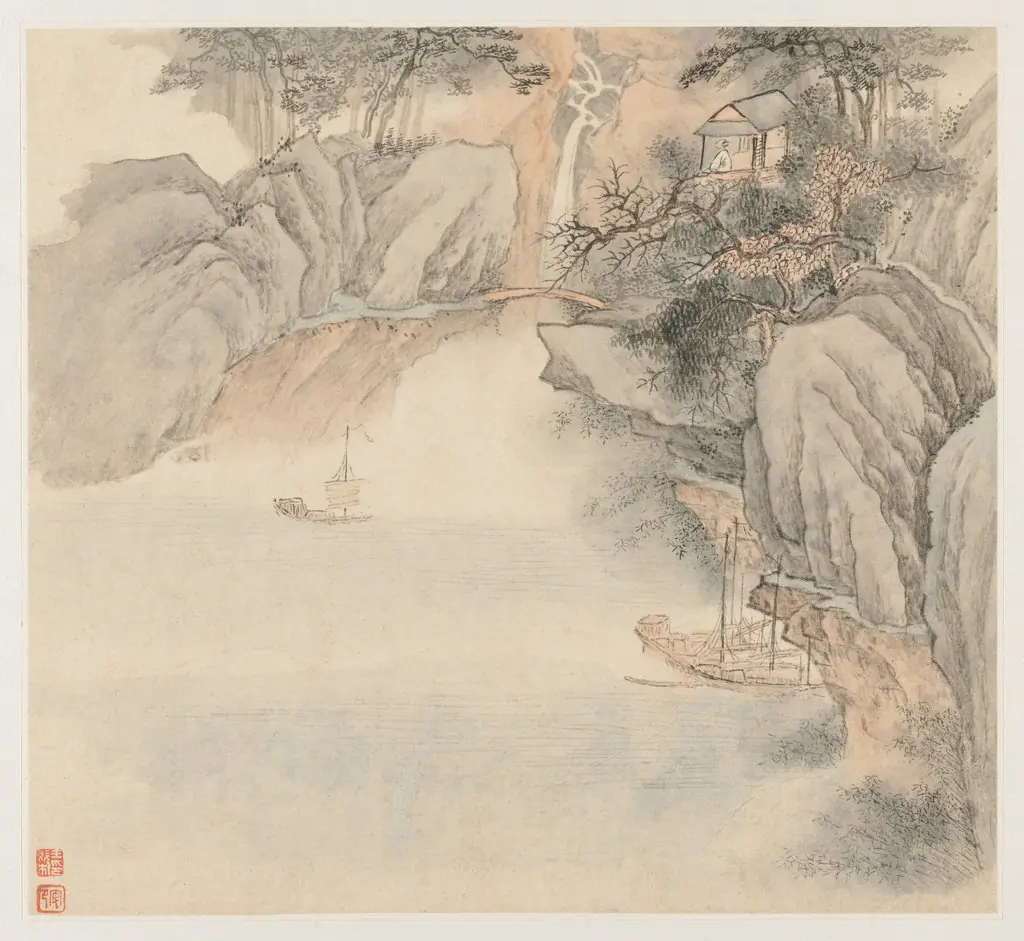 Album of Landscapes: Leaf 4