Artwork
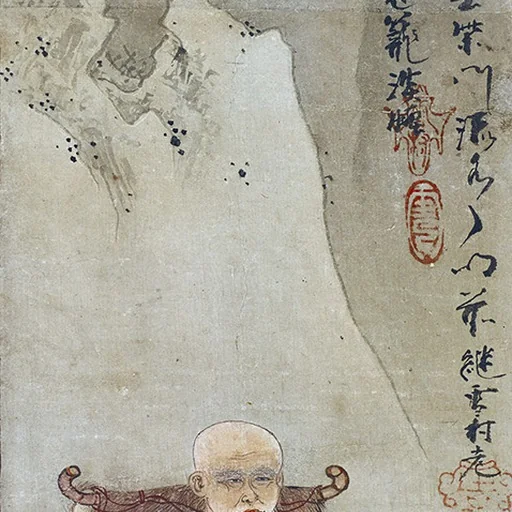
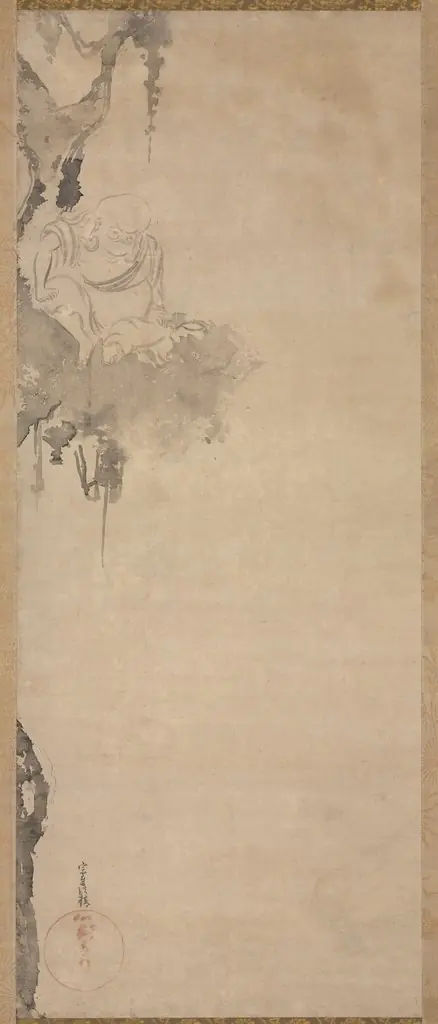
Daoist Master Fei Zhangfang with a Dragon
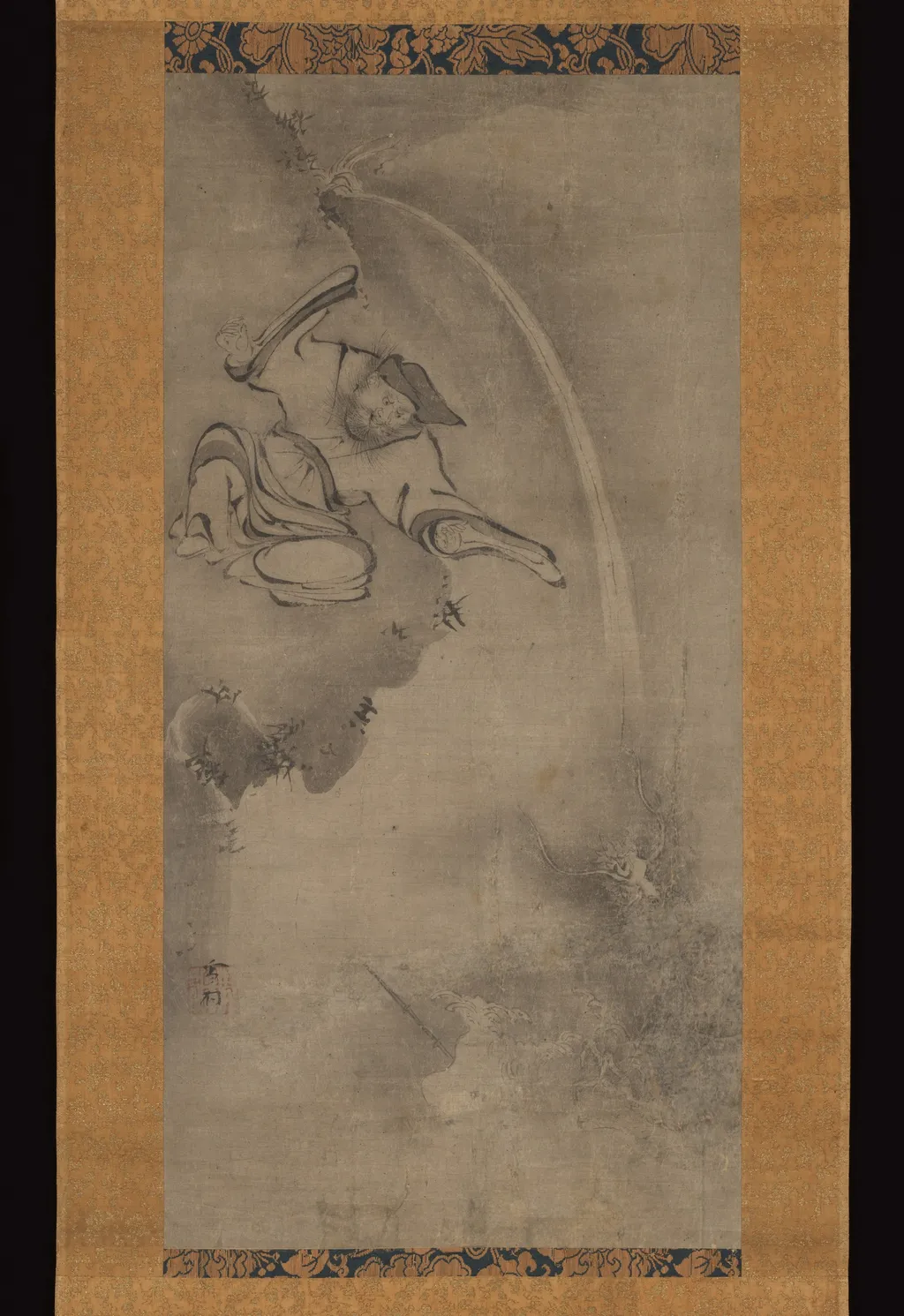
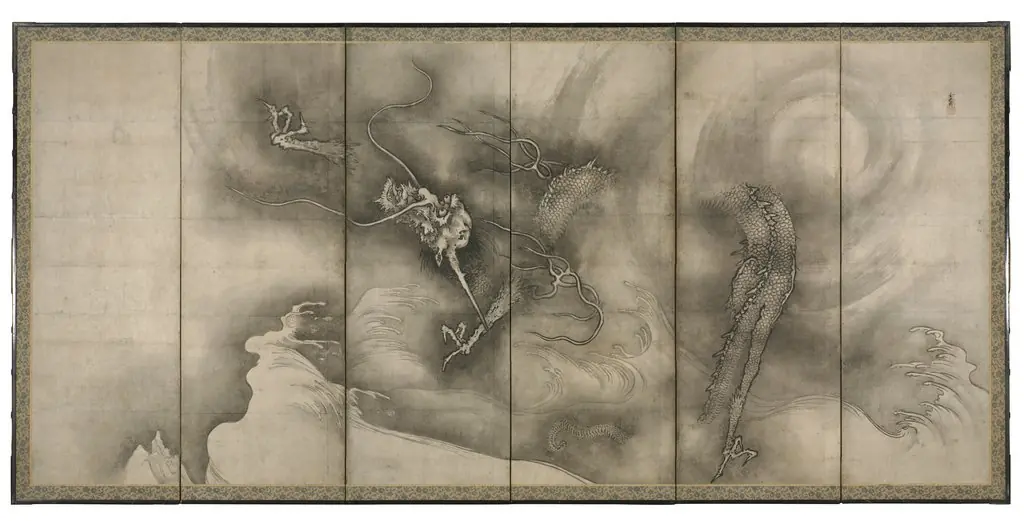
Daoist Master Fei Zhangfang with a Dragon is an unspecified painting by the Rinpa school artist Sesson Shūkei. It dates from 1558 and is held in the collection of the Metropolitan Museum of Art.
About this work
History & Provenance
While the specific commission details are not recorded in the available sources, the established date of inception for the piece is January 1, 1558.
Created in 1558, the painting Daoist Master Fei Zhangfang with a Dragon is attributed to the Japanese artist Sesson Shūkei. The work originated in Japan and is currently held in the collection of the Metropolitan Museum of Art. While the specific commission details are not recorded in the available sources, the established date of inception for the piece is January 1, 1558. The painting represents a significant example of 16th-century Japanese art preserved within a major public institution.
Legacy
The painting has been part of the Metropolitan Museum of Art's collection since its acquisition, where it is regularly displayed in galleries devoted to Japanese art. Its inclusion in major exhibitions of Sesson Shukei's work has reinforced scholarly appreciation for the artist's role in the Rinpa school and his influence on later Japanese painters. The artwork is frequently cited in studies of 16th-century Daoist imagery in East Asian art, underscoring its enduring reputation as a key example of supernatural themes rendered in ink and color.
Overview
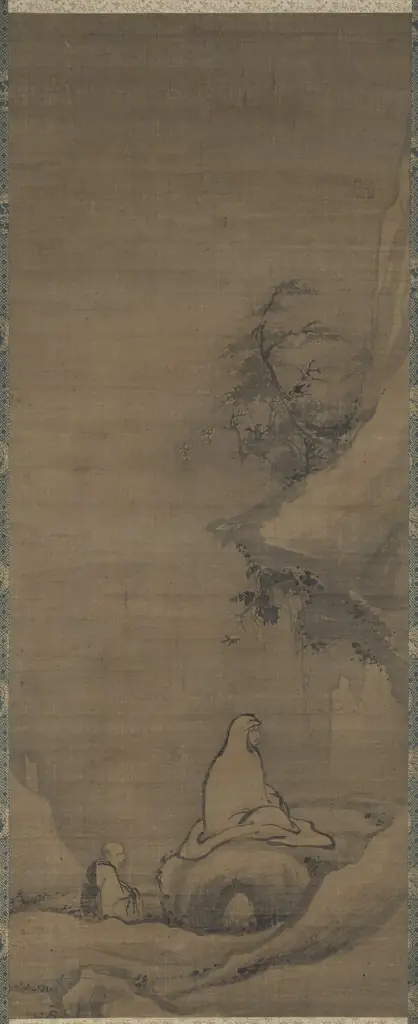
Created in 1558, this hanging scroll presents a solitary figure seated in a simple pose, his legs crossed and hands resting on a staff and a rounded object. A sinuous line winds around the composition, hinting at the presence of a dragon that emerges faintly from the lower edge. The restrained palette and delicate brushwork convey a quiet, meditative atmosphere.
Subject & Meaning
The central character is identified as Fei Zhangfang, a legendary Daoist master traditionally associated with the ability to command dragons. The juxtaposition of the sage and the mythical creature reflects Daoist themes of harmony between humanity and the natural world, suggesting the mastery of inner cultivation that can summon and tame elemental forces.
Technique & Style
Executed with the soft, muted pigments typical of the Rinpa aesthetic, the artist employs fine, flowing strokes to delineate the robes and the ethereal dragon line. The composition relies on minimal detail, allowing negative space to enhance the sense of stillness. The handling of brush and color aligns with the decorative yet contemplative approach of mid‑Muromachi painters.
Context
Produced during the Muromachi period, a time of flourishing ink and color painting in Japan, the piece reflects the cross‑cultural exchange between Chinese Daoist iconography and Japanese aesthetic sensibilities. Its serene mood and decorative elegance exemplify the Rinpa movement’s interest in classical subjects rendered with refined, ornamental technique.
Own this work as a print
Artist & collection