Artwork
源氏物語画帖|The Tale of Genji (Genji Monogatari)
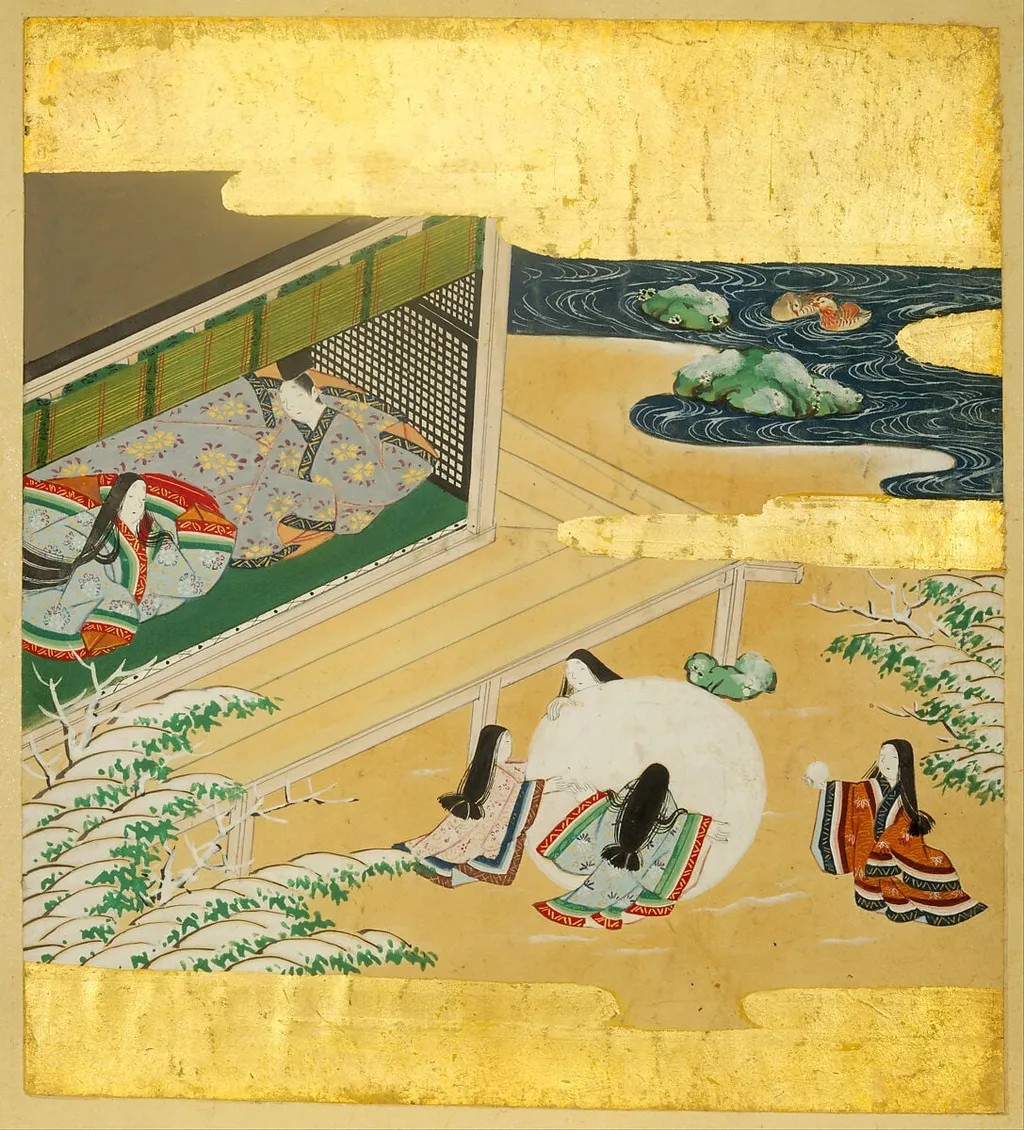
源氏物語画帖|The Tale of Genji (Genji Monogatari) is an ink painting by the Baroque artist Shōren'in Sonjun Shinnō. It dates from 1772 and is held in the collection of the Metropolitan Museum of Art.
About this work
Subject & Meaning
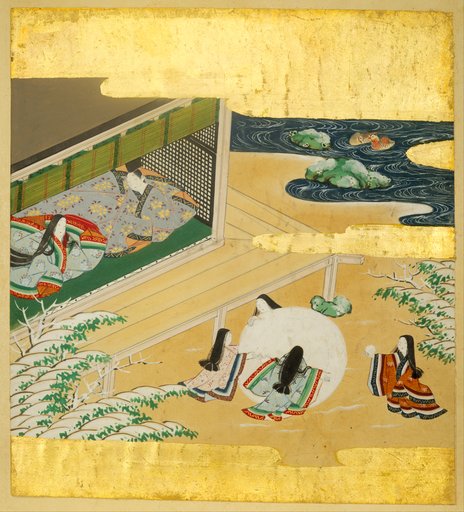
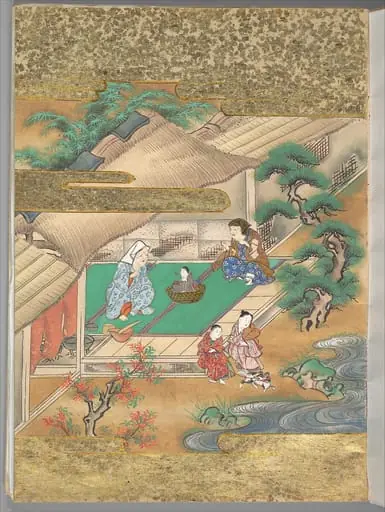
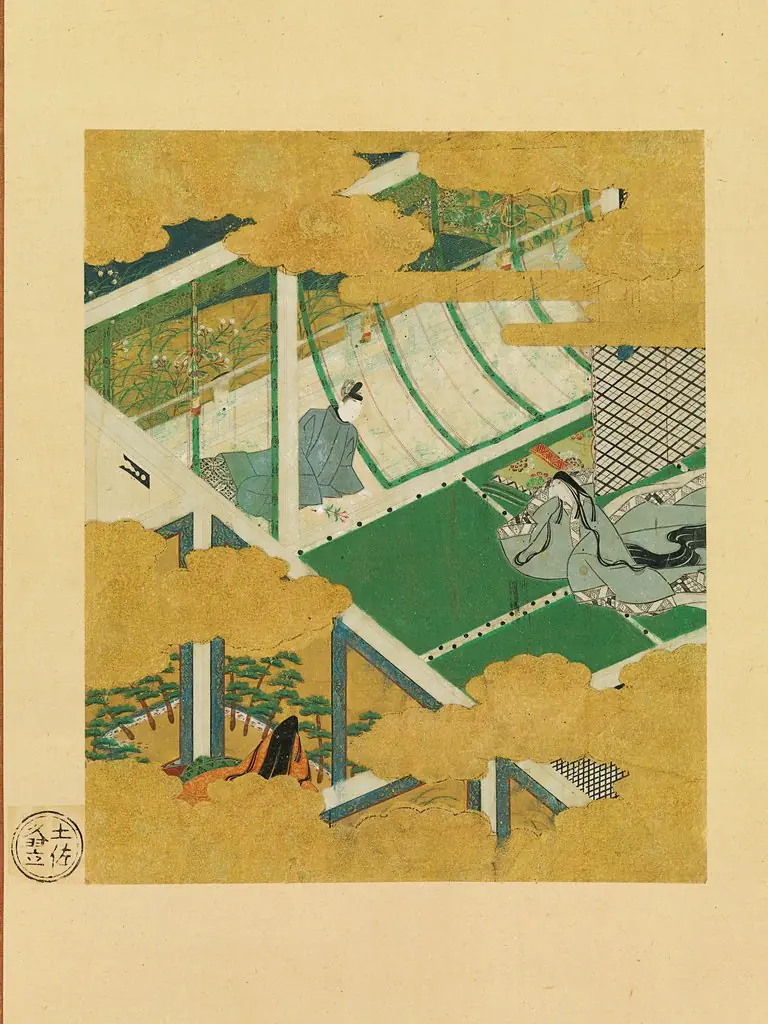
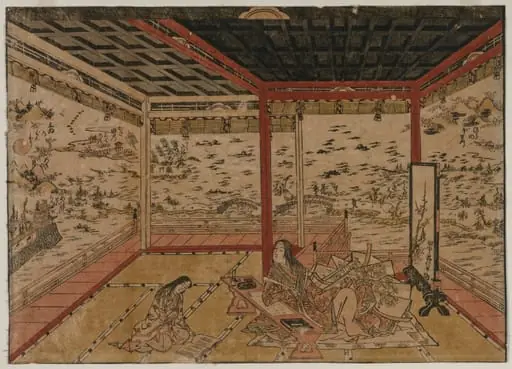
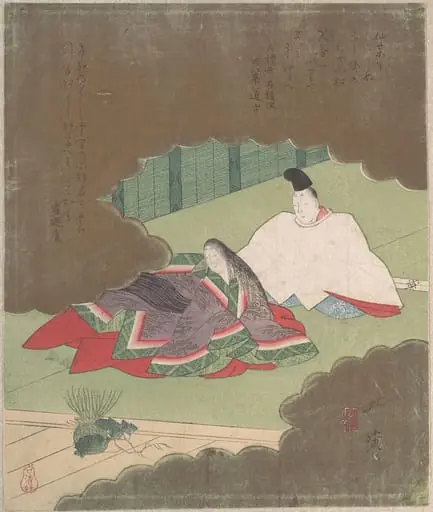
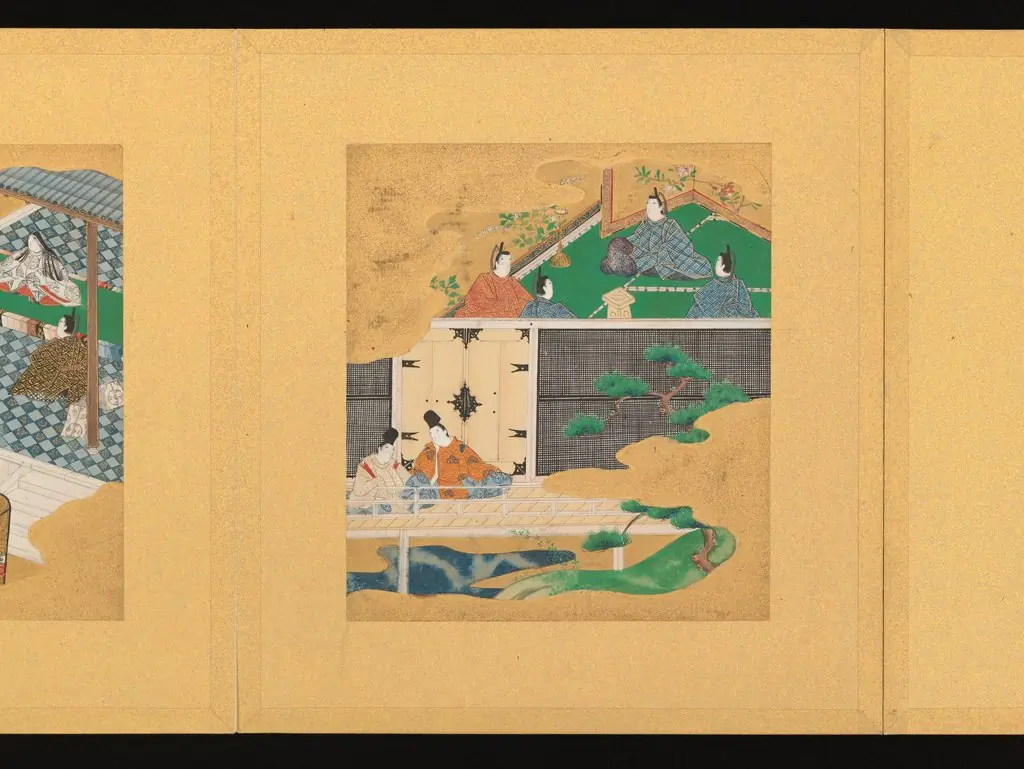
Created in 1772, this set of twenty-four album leaves by Tosa Mitsusada illustrates moments from The Tale of Genji, focusing on domestic interiors.
Created in 1772, this set of twenty-four album leaves by Tosa Mitsusada illustrates moments from The Tale of Genji, focusing on domestic interiors. Each leaf portrays a house, a man, and a woman, suggesting the narrative's emphasis on familial and courtly relationships. The composition uses ink, color, and gold on paper to highlight the Heian aristocratic setting, while the recurring figures underscore themes of love, duty, and social interaction within the story's world.
Technique & Style
The work belongs to the Tosa tradition of album painting and is executed on twenty-four leaves of paper using ink, color, and gold. Each leaf measures about 26.3 cm in height by 23.5 cm in width and was produced in Japan in 1772. The compositions portray houses, a man and a woman, illustrating narrative moments from the Genji story through delicate brushwork and gold-leaf accents that characterize Tosa-style album paintings.
History & Provenance
The album leaves of The Tale of Genji were executed in 1772 by Tosa Mitsusada (also known as Shōren'in Sonjun Shinnō). The set comprises twenty-four album leaves rendered in ink, color, and gold on paper, and is currently located at the Metropolitan Museum of Art, New York, with accession number 2006.268. Each leaf measures 26.3 × 23.5 cm. The work was made in Japan in 1772 and has no recorded exhibition history in the available sources.
Overview
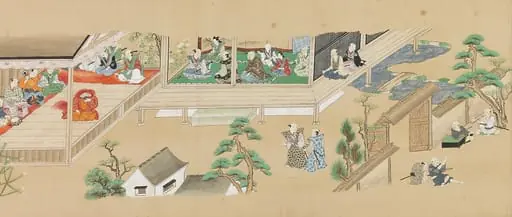
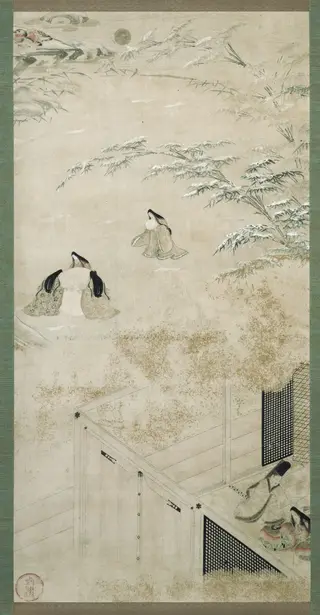
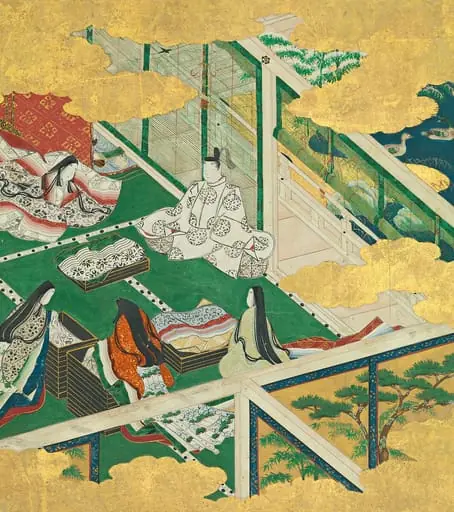
This artwork, titled The Tale of Genji (Genji Monogatari), is one of twenty-four album leaves created in 1772 by Shōren'in Sonjun Shinnō. Executed with ink, color, and gold on paper, these small paintings illustrate episodes from the classic Japanese narrative. Each leaf presents a distinct scene, designed to be held and viewed intimately, collectively forming a visual retelling of the ancient story.
Context
The Tale of Genji has inspired countless artistic interpretations across centuries, reflecting its enduring cultural significance in Japan. Shōren'in Sonjun Shinnō's album contributes to a long tradition of visual narratives based on Murasaki Shikibu's epic. Artists like Tosa Mitsusada also explored the story, offering diverse stylistic approaches to its rich literary content.
Artist & collection