Artwork
能楽風俗図絵巻|Six Noh Performances in Scenes from Daily Life
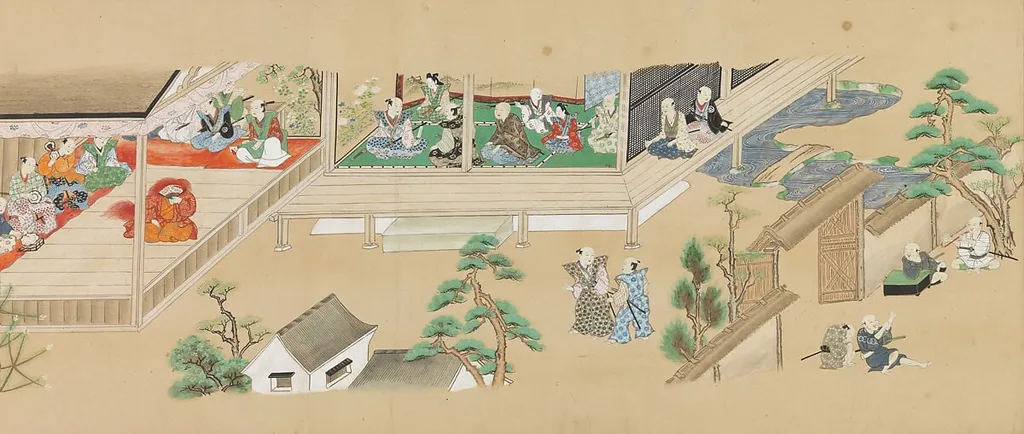
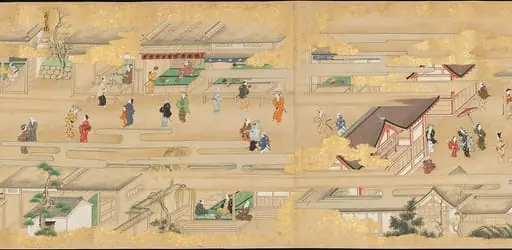
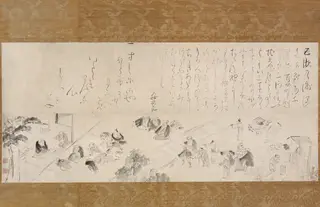
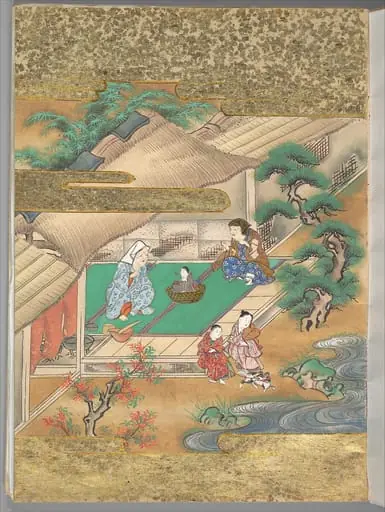
能楽風俗図絵巻|Six Noh Performances in Scenes from Daily Life is an ink painting. It dates from 1700 and is held in the collection of the Metropolitan Museum of Art. This handscroll, known as Six Noh Performances in Scenes from Daily Life, is a painting executed with ink, color, and gold on paper.
About this work
Subject & Meaning
By pairing performers with an onlooker, the composition suggests the permeable boundary between everyday activity and ritualized spectacle in early‑Edo culture.
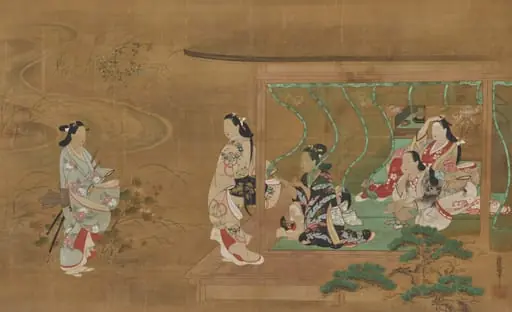
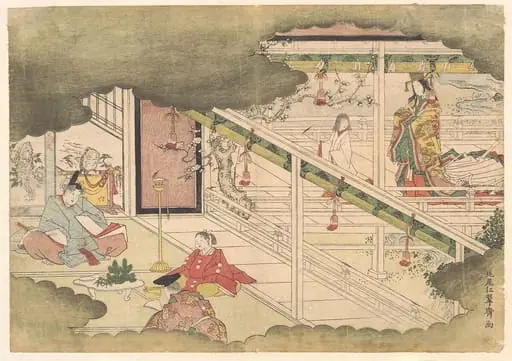
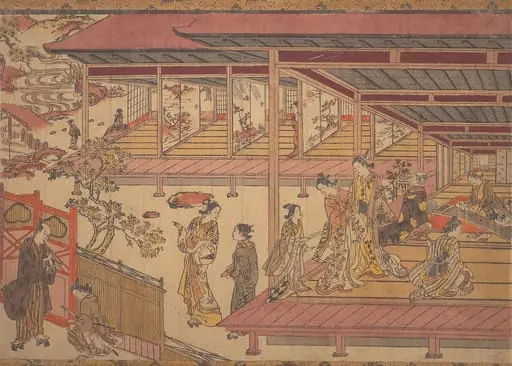
The handscroll presents a series of quotidian moments staged as Noh performances, featuring a male figure, a female figure, a spectator, and the theatrical act itself. By pairing performers with an onlooker, the composition suggests the permeable boundary between everyday activity and ritualized spectacle in early‑Edo culture. The inclusion of both genders and a viewer underscores social observation, while the Noh context imbues ordinary gestures with symbolic weight, reflecting contemporary attitudes toward performance as a lens for examining daily life.
The work thus functions as a visual commentary on the integration of theatrical tradition within the fabric of routine.
Technique & Style
The work is executed as a handscroll painted in ink and subtle color washes with accents of gold leaf applied to paper support. The anonymous artist employed traditional Japanese brush techniques to render figures in a genre scene that captures a Noh performance viewed by a man and a woman, emphasizing linear outlines and flattened spatial depth typical of early 18th‑century Edo painting. Gold detailing highlights decorative elements while the overall composition maintains a narrative sequence across the scroll’s length.
No documented restoration or damage is recorded, suggesting stable condition, though the fragile paper support requires careful handling.
History & Provenance
The handscroll titled 能楽風俗図絵巻 (Six Noh Performances in Scenes from Daily Life) was produced in Japan around 1700 by an anonymous painter. Executed in ink, color and gold on paper, the work belongs to the genre of everyday scenes and depicts figures engaged in Noh performance, a man, a spectator and a woman. It is classified as a painting and was created in the early 18th‑century Japanese artistic context.
The piece entered the collection of the Metropolitan Museum of Art, where it remains on view, and its provenance is documented only through the museum's cataloguing, which records its acquisition and current location.
The handscroll is held by the Metropolitan Museum of Art, New York, where it is recorded as part of the museum’s holdings; its accession number is 50.100.1. The scroll has been exhibited internationally, including in the 2019–2020 display "Celebrating the Arts of Japan: Japanese Decorative Arts from the Mary Griggs Burke Collection" at the Metropolitan Museum of Art, where it was shown alongside other Japanese genre paintings.
Overview
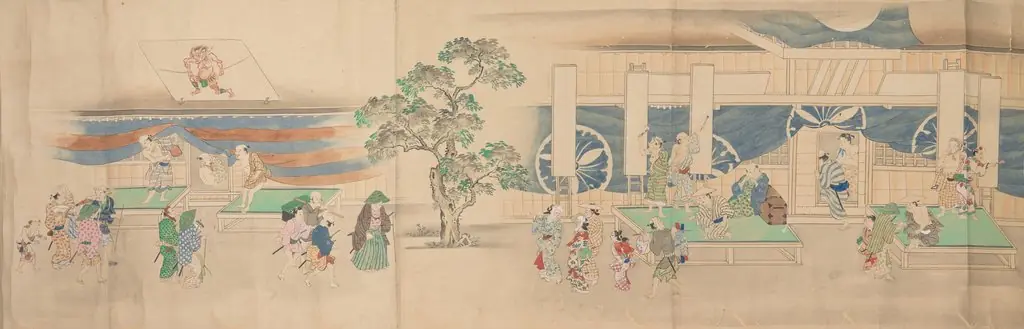
This handscroll, known as Six Noh Performances in Scenes from Daily Life, is a painting executed with ink, color, and gold on paper. It presents six distinct vignettes of Noh theater, each seamlessly integrated into scenes of daily life. The artwork unfolds horizontally, revealing performers in traditional masks on simple stages, observed by various spectators.
Artist & collection