Artwork
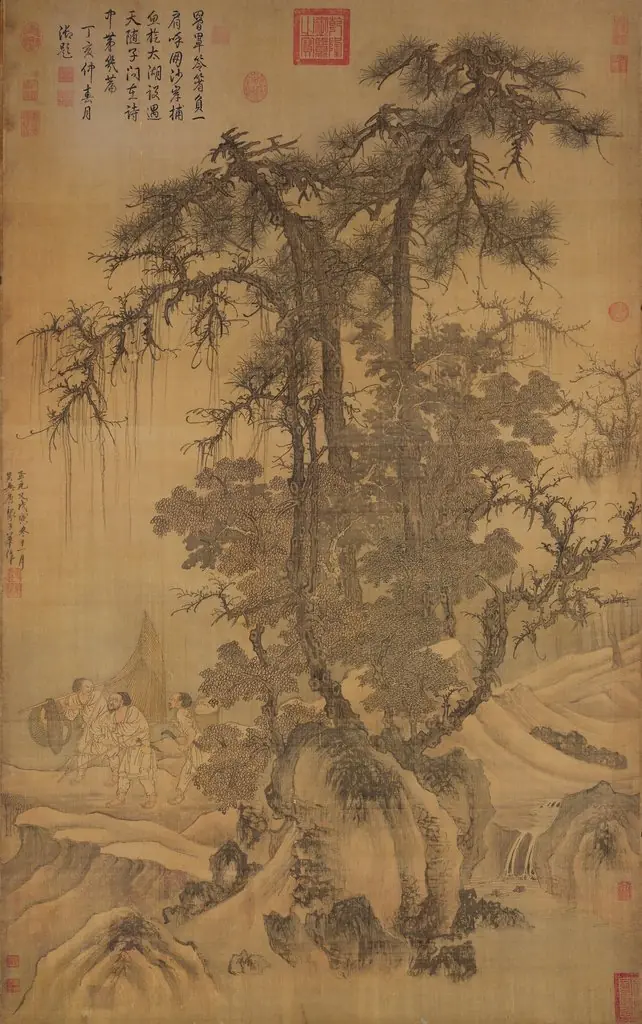
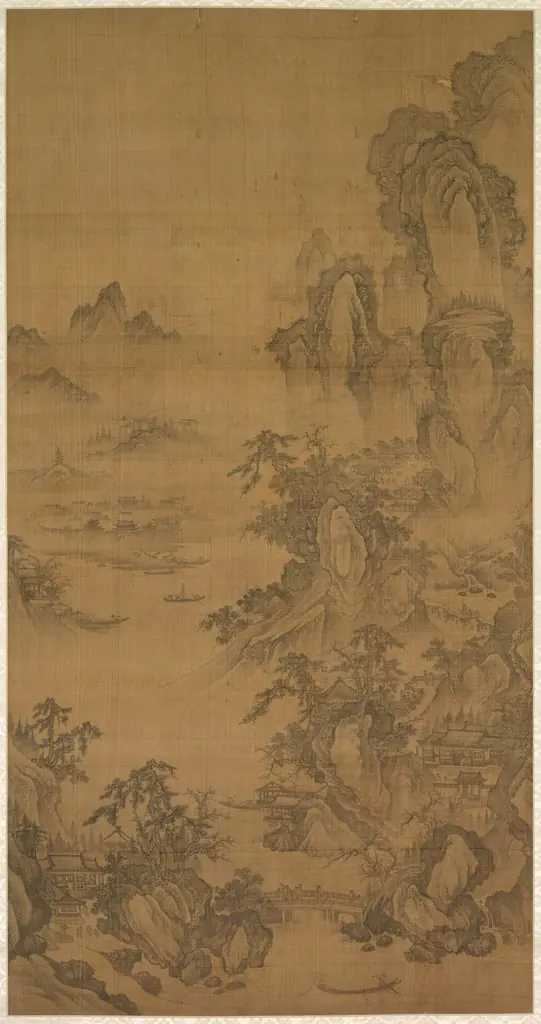
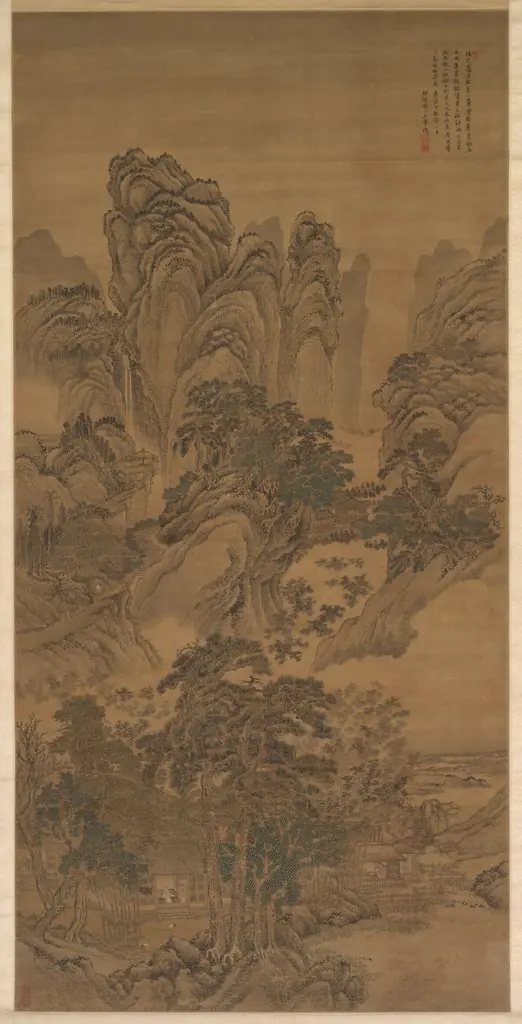
Fishing on an Autumn River
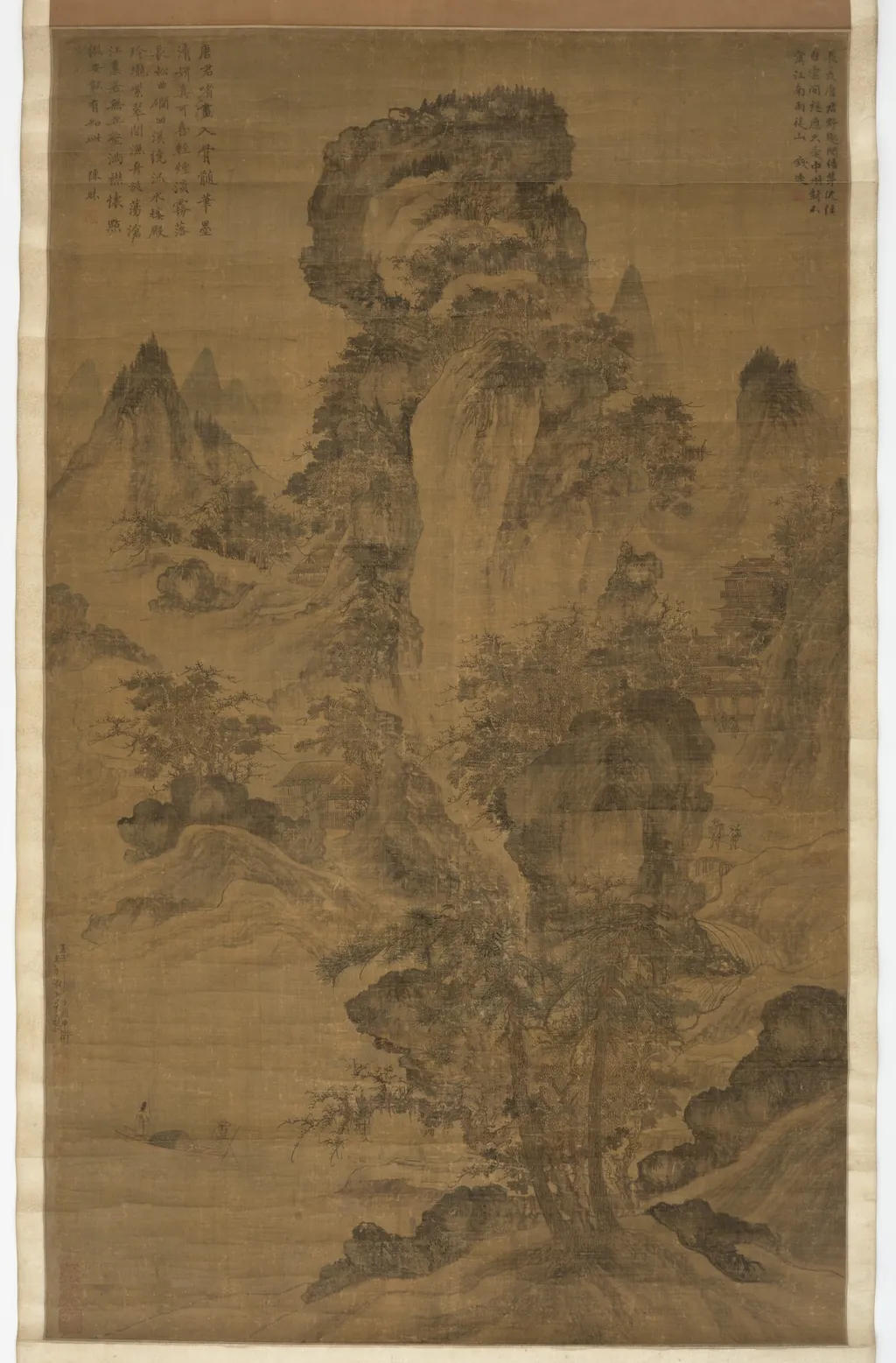
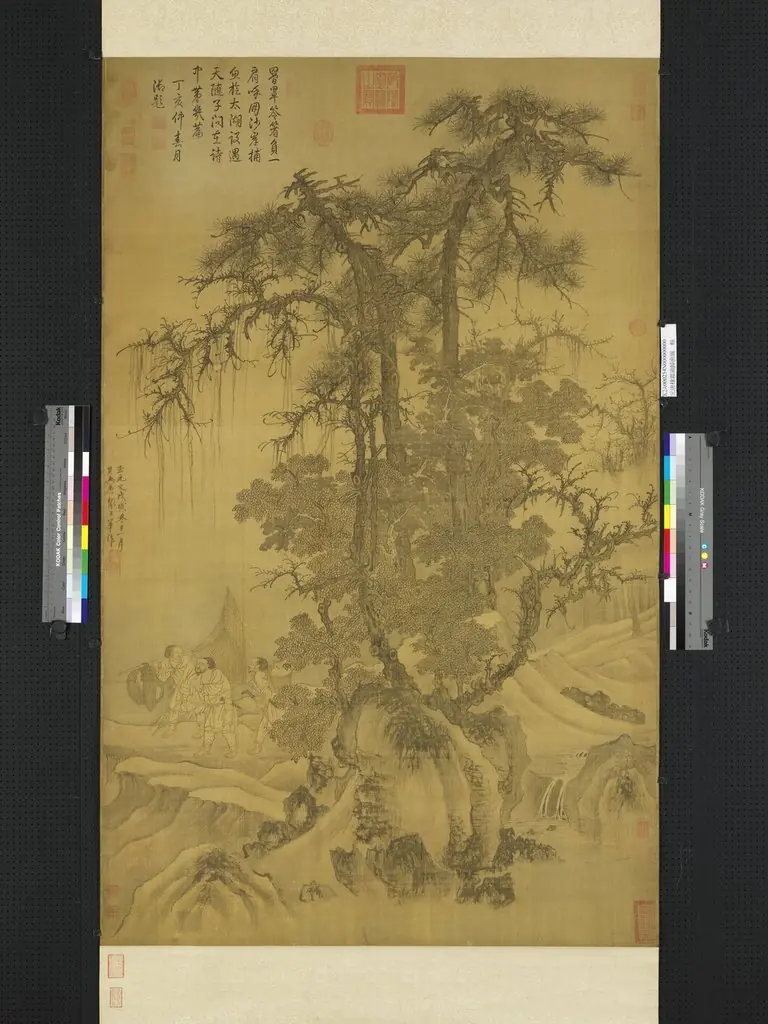
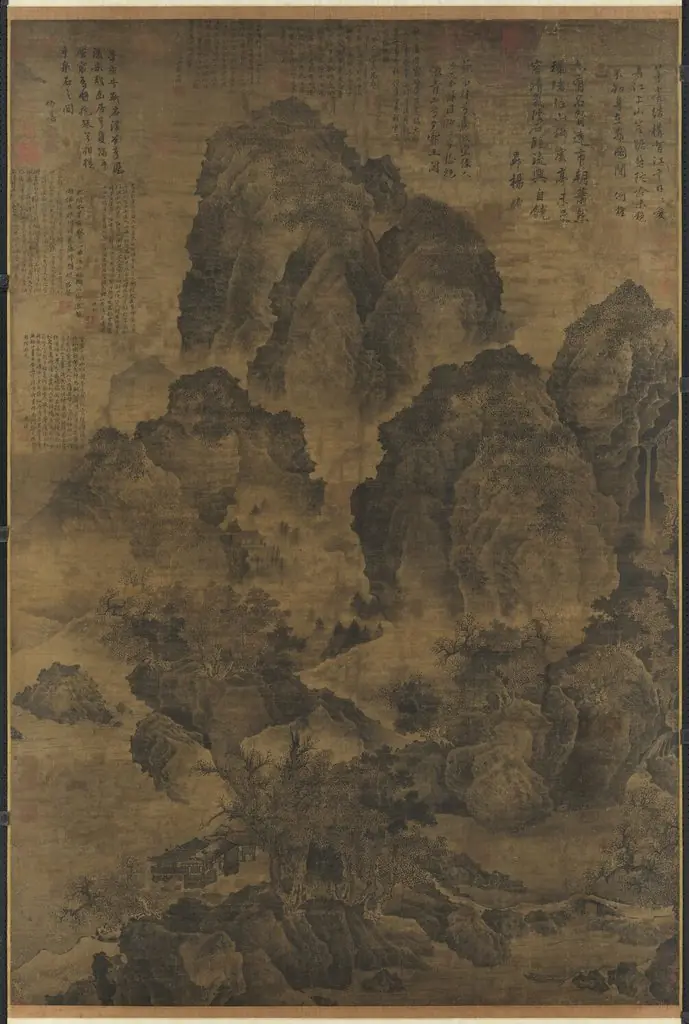
Fishing on an Autumn River is an unspecified painting by the Song dynasty landscape artist Tang Di. It dates from 1343 and is held in the collection of the Detroit Institute of Arts.
About this work
Overview
Painted in 1343 by Tang Di of Zhejiang, this work belongs to the Yuan Dynasty tradition of literati landscape painting. It captures a quiet riverside scene during autumn, emphasizing stillness and natural harmony. The composition follows earlier Song Dynasty models, particularly in its spatial depth and restrained palette, reflecting the scholarly taste of the period’s elite patrons.
Subject & Meaning
A solitary fisherman sits by the river, his presence subtle and unobtrusive, suggesting contemplation rather than labor. The winding water and distant mountains frame the figure within a vast, undisturbed landscape. This arrangement evokes Daoist ideals of withdrawal from worldly affairs, aligning the scene with the literati ideal of retreat into nature as a path to inner peace.
Technique & Style
Tang Di employed fine, varied brushwork to suggest rock textures, tree foliage, and water currents, avoiding bold outlines in favor of layered ink washes. The muted tones, soft grays, browns, and pale greens, enhance the autumnal mood. Subtle gradations of ink create atmospheric perspective, guiding the eye from foreground to distant peaks without artificial contrast or dramatic lighting.
History & Provenance
The painting was produced during a time when scholar-officials increasingly turned to painting as a personal expression, distinct from court-sponsored art.
The painting was produced during a time when scholar-officials increasingly turned to painting as a personal expression, distinct from court-sponsored art. While its early ownership is undocumented, its stylistic lineage connects it to Chao Mengfu and other Northern Song masters whose works were collected and emulated by Yuan literati. It entered the Detroit Institute of Arts’ collection in the 20th century.
Context
Under Mongol rule, many Han Chinese intellectuals withdrew from public service and cultivated private artistic practices. Landscape painting became a medium for expressing cultural continuity and moral integrity. Tang Di’s work reflects this shift, its quietude not merely decorative, but a quiet assertion of Han scholarly values amid foreign governance.
Legacy
Tang Di’s painting exemplifies how Yuan artists adapted Song traditions to convey personal and philosophical concerns. Though less widely known than contemporaries like Huang Gongwang, his work contributed to the enduring literati aesthetic that influenced later Ming and Qing painters. Its emphasis on restraint and natural rhythm remains a touchstone in East Asian landscape painting.
Own this work as a print
Artist & collection

Artist
Tang Di (Chinese: 唐棣; pinyin: Táng Dì; Wade–Giles: T'ang Ti; (c. 1287 – 1355)), style name as Zihua (子華), pseudonym as Dunzhai, was a Chinese landscape painter during the Yuan Dynasty (1279–1368). Tang Di was born in…