Artwork
Untitled
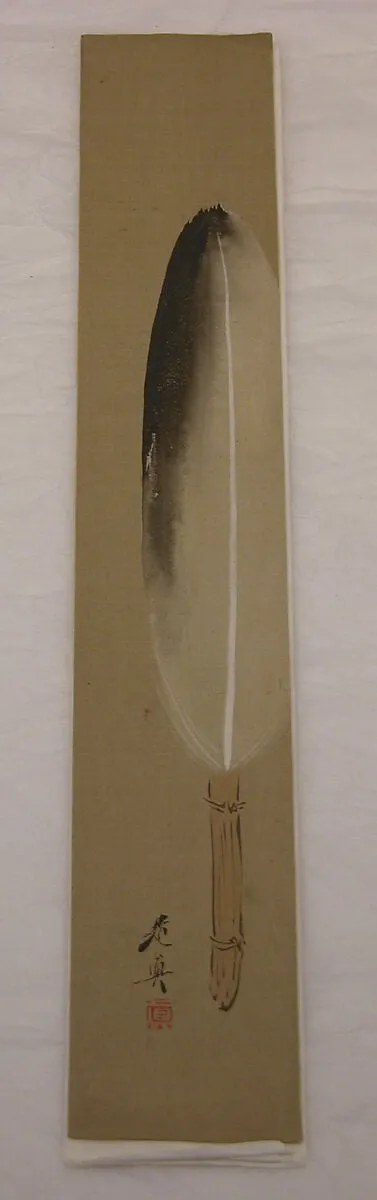
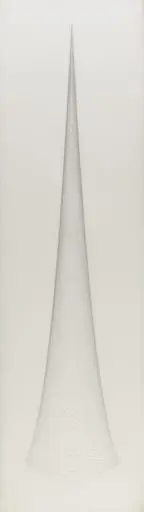
Untitled is an ink painting by the Romanticist artist Shibata Zeshin. It dates from 1849 and is held in the collection of the Metropolitan Museum of Art.
- Accession no.
- 56.124.1
- Credit line
- Funds from various donors, by exchange, 1956
About this work
Technique & Style
The work belongs to the still-life genre and portrays a single feather rendered with delicate brushstrokes that emphasize texture and translucency.
Untitled (1849) is executed in ink and color on a narrow paper strip known as a tanzaku, a format traditionally used for poetry and calligraphy. The work belongs to the still-life genre and portrays a single feather rendered with delicate brushstrokes that emphasize texture and translucency. Its modest dimensions, 37.5 cm in height and 5.7 cm in width, reflect the intimate scale of Japanese paper paintings.
The piece was created in Japan and is housed in the Metropolitan Museum of Art, where it is catalogued as a painting.
History & Provenance
The work is held in the collection of the Metropolitan Museum of Art in New York. Created in 1849, this ink and color painting on paper measures 37.5 cm in height and 5.7 cm in width. The available sources confirm its location and physical dimensions but do not list a specific inventory or accession number, nor do they detail any past exhibitions.
Overview
Created in 1849, this untitled work by Shibata Zeshin is a modest still‑life executed on a tanzaku, a narrow paper strip traditionally used for poetry. The composition consists of a solitary black feather set against a muted gray field, the simplicity of the image emphasizing the delicate materiality of the paper itself.
Subject & Meaning
The lone feather, rendered with restrained detail, suggests transience and lightness, echoing themes common in Edo‑period aesthetics where everyday objects become symbols of impermanence. Its isolation on the page invites contemplation of the fleeting nature of both the object and the moment captured.
Context
In the mid‑nineteenth century, Japanese artists often used tanzaku for brief visual statements, pairing poetry with minimal imagery. Zeshin’s choice of this format aligns with the practice of integrating visual and literary arts, while his refined line work reflects the broader shift toward subtle realism in Edo‑period painting.
Artist & collection


- Untitled
 Untitled
 Bottom cover, from a Manuscript of the Perfection of Wisdom in Eight Thousand Lines (Ashtasahasrika Prajnaparamita-sutra)
 Compoziție cu ruine și păsări
 Untitled
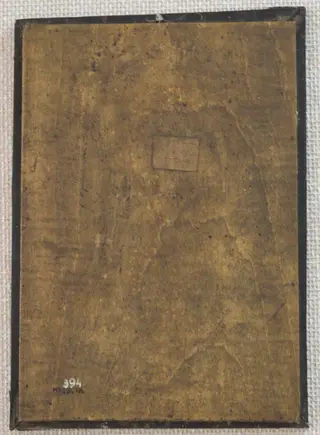 Icoana de factură catolică îl reprezintă pe sfântul Teodor Tiron (306 d. Hr) sărbătorit pe 17 februarie.Sf. Teodor înveșmântat ca oștean: coif cu pene, armura și mantie roșie. În dreapta ține un coif cu stânga sulița. În planul doi o biserică catolică. Pe fondul alb, de o parte și alta a sfântului câte tulpină cu o floare roșie. Cromatica: predomină roșul(inclusiv ca desen) albastru, bleu, negru, maro, auriu, verde deschis, verde închis, fond alb.Ramă îngustă, patru stinghiii îmbinate oblic la colțuri.
 Untitled
 Compoziție VII
 Folio 1 (recto), from a Manuscript of the Perfection of Wisdom in Eight Thousand Lines (Ashtasahasrika Prajnaparamita-sutra)
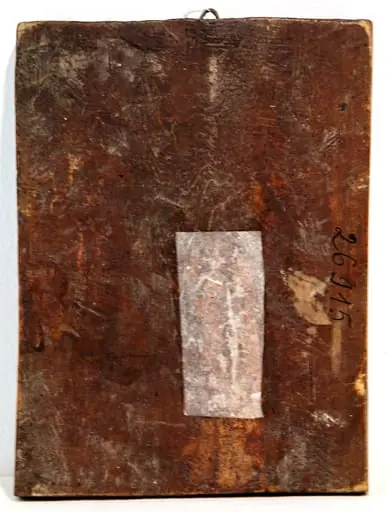 Icoana reprezintă un sfânt militar, din comparațiile efectuate s-a ajuns la concluzia că ar fi vorba de sf. Mare mucenic Teodor Stratilat, un mare general care cârmuia cetatea Heracleea, pe vremea împăratului Licinius(308-321). Sfântul este pictat din semiprofil,în picioare, până deasupra genunchilor. Este înveșmântat în costum de oștean medieval, cu armură și mantie lungă, roșie, prinsă pe umărul drept. În mâna dreaptă ține o cruce mică iar cu stânga, pe care o are lăsată în jos, sprijină un scut pe care se observă o figură antropomorfă în relief. Capul este descoperit, părul și barba scurte, luminate de razele aureolei. Trăsăturile bărbătești, ferme, sunt redate într-o manieră cu influențe academice, la fel ca și realizarea faldurilor. Proporțiile sunt respectate. În dreapta sfântului, în colțul de sus se distinge capul și aureola din raze ale unui înger. La momentul executării fotografiei, icoana era destul de deteriorată, statul pictral exfoliat grundul și suportul de lemn prezentau crăpături în partea de jos.
 Ten Bamboo Studio Painting and Calligraphy Handbook (Shizhuzhai shuhua pu): Orchids
 Portret de femeie