Artwork
清 石濤(朱若極) 黃山三十六峰意圖 軸|Thirty-six Peaks of Mount Huang Recollected
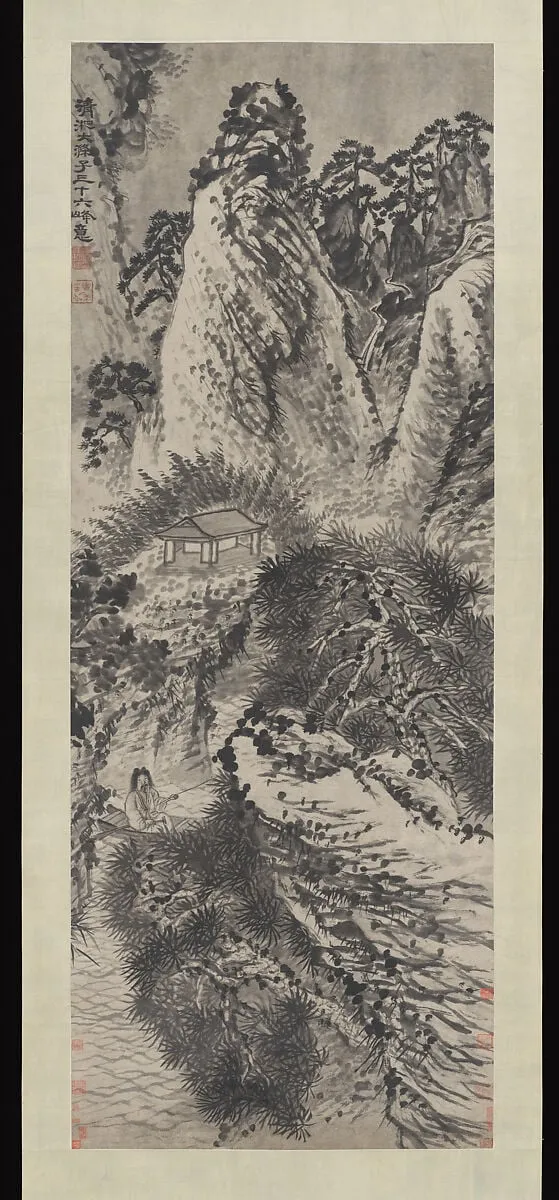
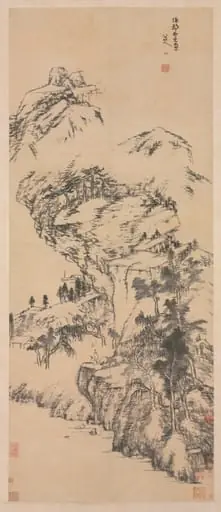
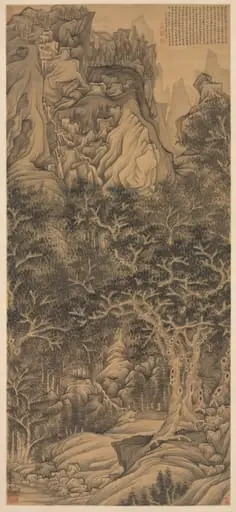
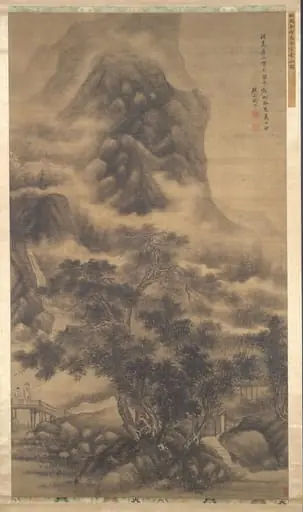
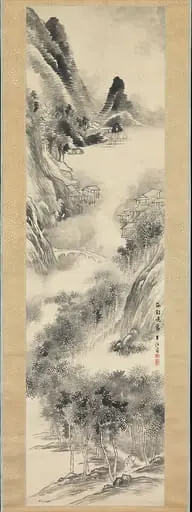
清 石濤(朱若極) 黃山三十六峰意圖 軸|Thirty-six Peaks of Mount Huang Recollected is an ink painting by the Baroque artist Shitao. It dates from 1705 and is held in the collection of the Metropolitan Museum of Art.
About this work
Technique & Style
The work is currently held within the collection of the Metropolitan Museum of Art, where it is classified as a painting from China.
Created in 1705, this work is executed as a hanging scroll using ink on paper. The piece functions as a landscape painting that depicts mountain scenery, specifically the thirty-six peaks of Mount Huang. As a paper-based medium, the support allows for the fluid ink application characteristic of the artist's style.
The formal qualities align with the landscape genre, focusing on the representation of natural mountain forms. The work is currently held within the collection of the Metropolitan Museum of Art, where it is classified as a painting from China. The medium of ink on paper supports the traditional handling methods associated with Chinese scroll painting from the Qing dynasty.
History & Provenance
The hanging scroll "Thirty-six Peaks of Mount Huang Recollected" was painted in 1705 in China by the Qing dynasty artist Shitao (Zhu Ruoji). It is an ink-on-paper landscape that forms part of the Metropolitan Museum of Art's collection. The work is a recollected depiction of the thirty-six peaks of Mount Huang, reflecting Shitao's engagement with landscape subjects drawn from memory.
No specific commissioning patron is recorded; the painting is held among the museum's broader collection of Chinese art. The provided records do not specify a particular accession number or detail any past or current exhibition history for this specific piece.
Legacy
The painting titled Thirty‑six Peaks of Mount Huang Recollected was executed by Shitao (Zhu Ruoji) in 1705 as a hanging scroll in ink on paper. It depicts a mountain landscape within the Qing dynasty landscape genre. The work is held in the Metropolitan Museum of Art's collection, a circumstance that underscores its presence in the study of Chinese art. Its inclusion in a major museum's holdings contributes to the ongoing appreciation of Shitao’s artistic legacy.
Overview
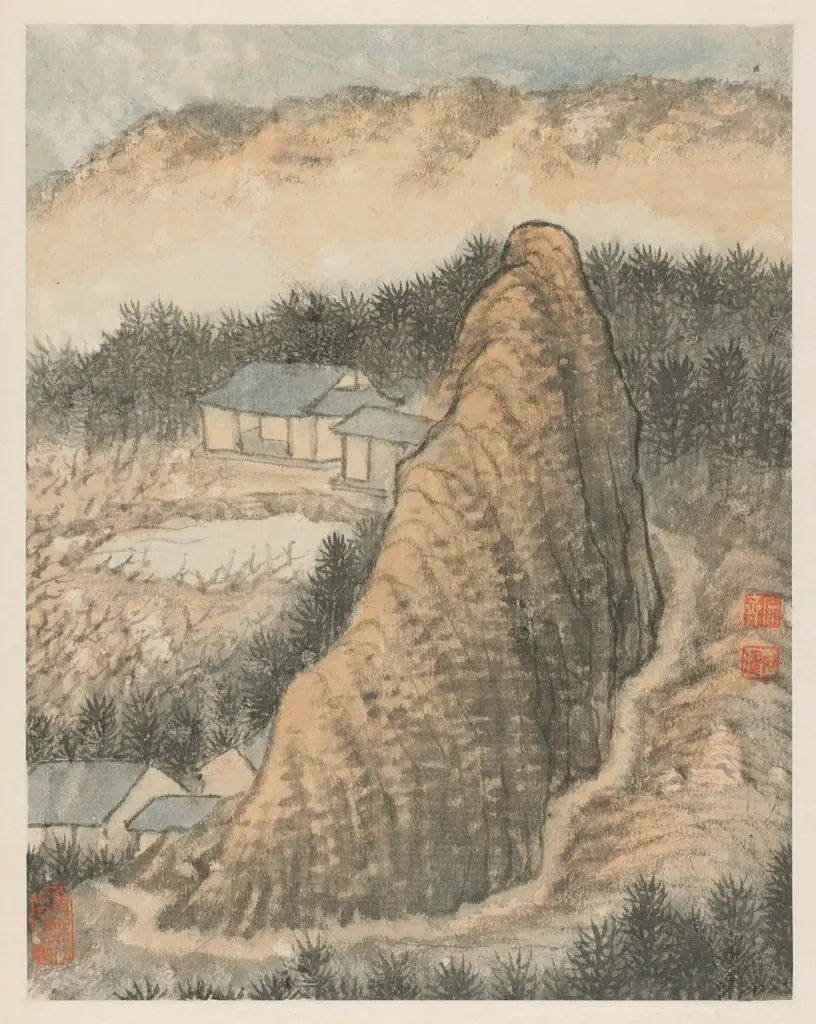
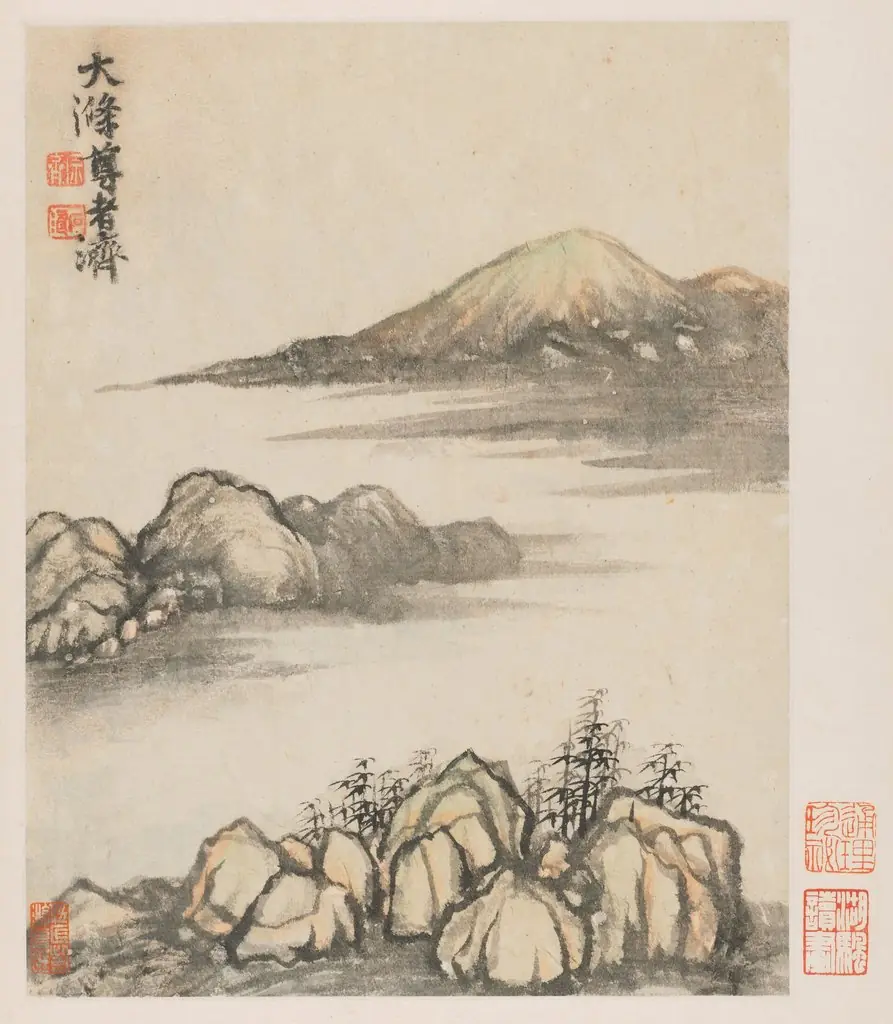
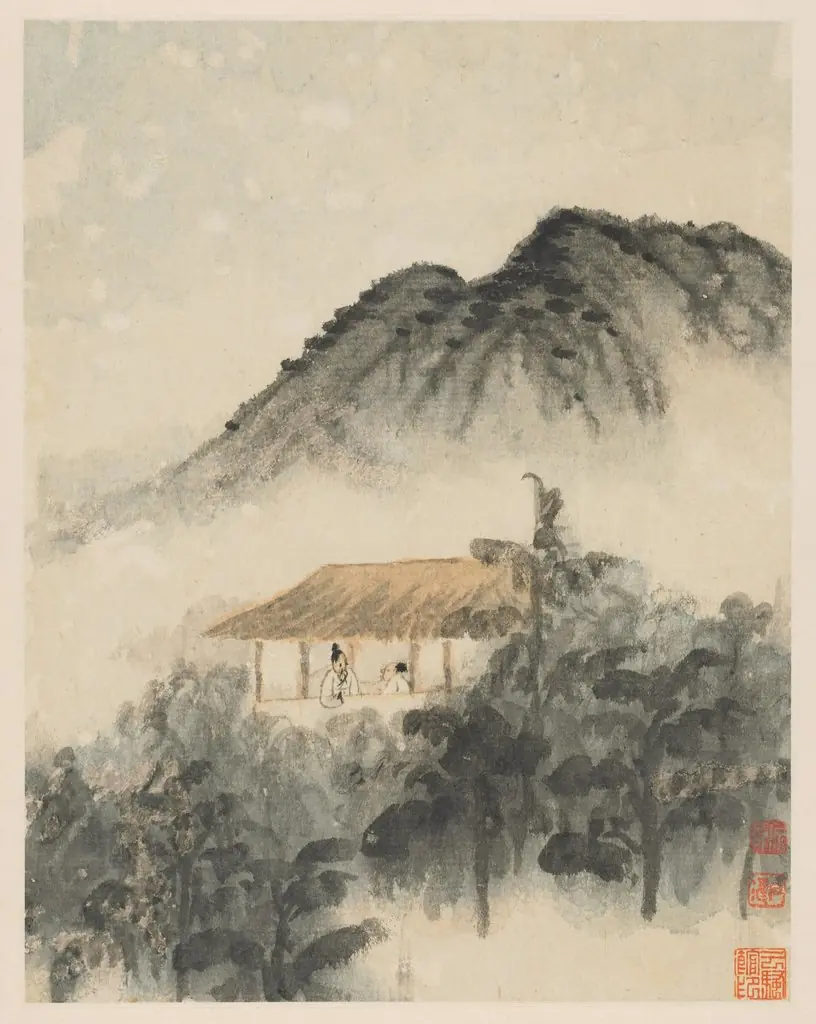
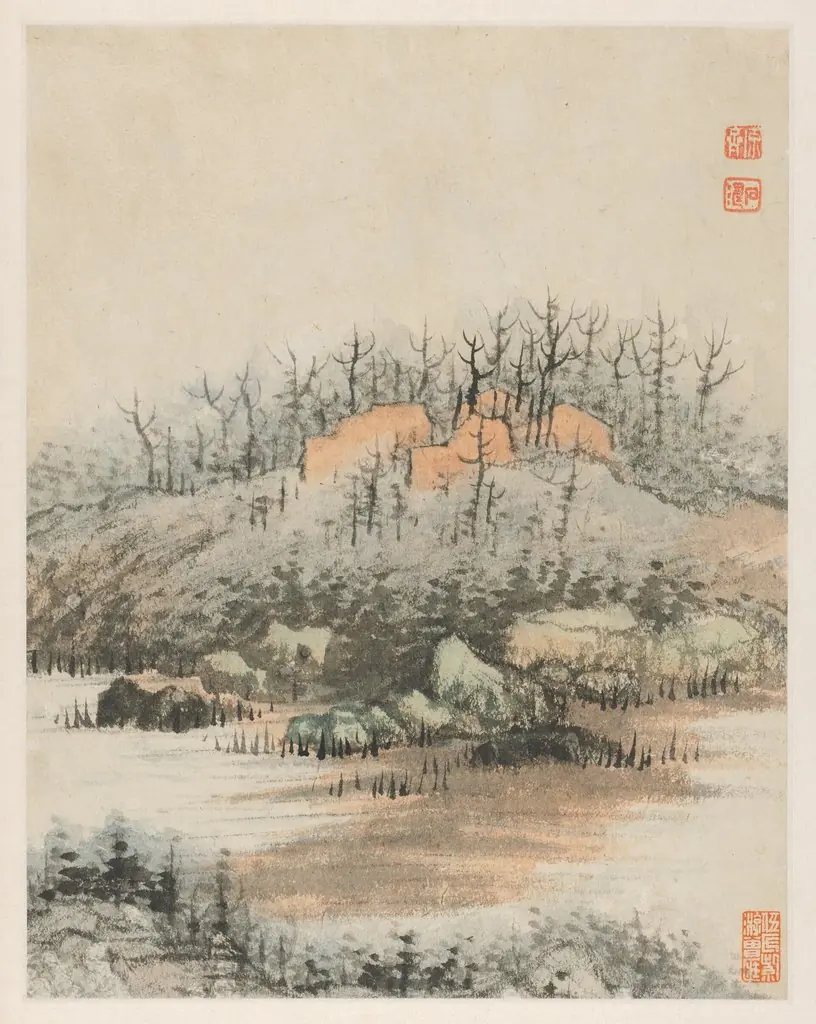
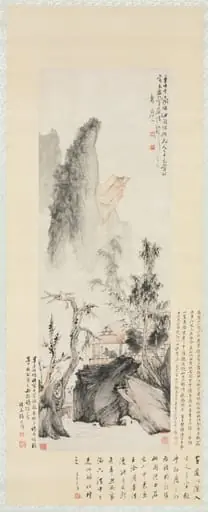
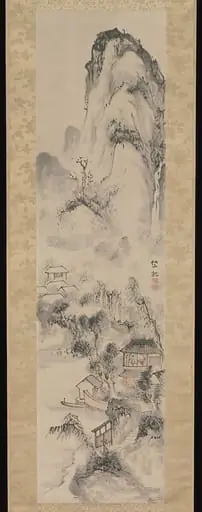
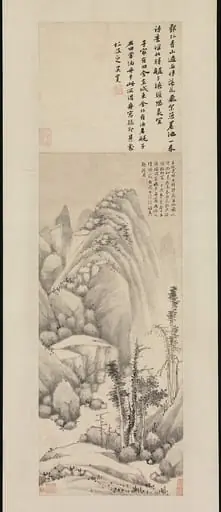
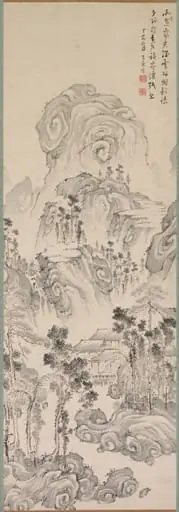
Created in 1705, Thirty-six Peaks of Mount Huang Recollected is a hanging scroll executed in ink on paper by the Qing dynasty master Shitao. The work depicts the dramatic topography of Mount Huang, characterized by jagged, tooth-like peaks that rise vertically against a void of negative space. Shitao organizes the composition to emphasize the mountain's verticality, with swirling clouds and mist curling between the summits to create a sense of atmospheric depth and movement.
Tiny figures are rendered along a winding path, providing a sense of scale and human presence within the vast natural landscape. Unlike a direct topographical record, this painting was created from memory years after the artist's actual ascent of the mountain, reflecting his theoretical emphasis on capturing the spiritual essence or 'idea' of a place rather than its literal appearance. The brushwork is loose and expressive, utilizing varied ink tones to suggest texture and form without rigid delineation.
This piece stands as a significant example of Shitao's mature style, illustrating his departure from orthodox imitation of past masters in favor of a highly individualistic approach that prioritizes personal expression and the dynamic energy of nature.
Subject & Meaning
This scroll portrays the dramatic terrain of Mount Huang, a subject Shitao revisited years after his personal ascent. Rather than a topographical rendering, the artist conveys his subjective experience and the mountain's spirit from memory. Jagged peaks emerge from swirling clouds, while minute figures traverse a winding path, emphasizing the vastness of nature compared to human presence.
Artist & collection