Artwork
清 石濤(朱若極) 遊張公洞圖 卷|Outing to Zhang Gong's Grotto
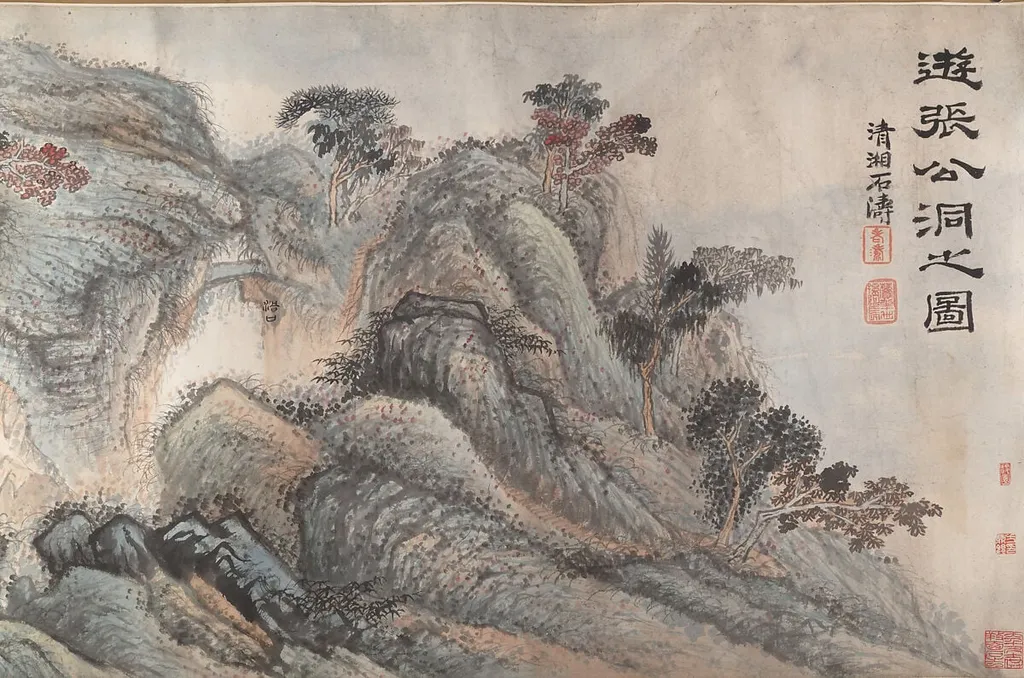
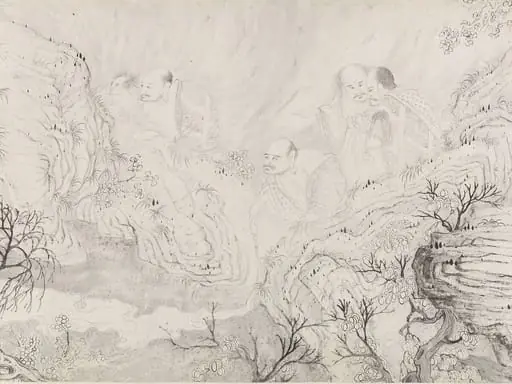
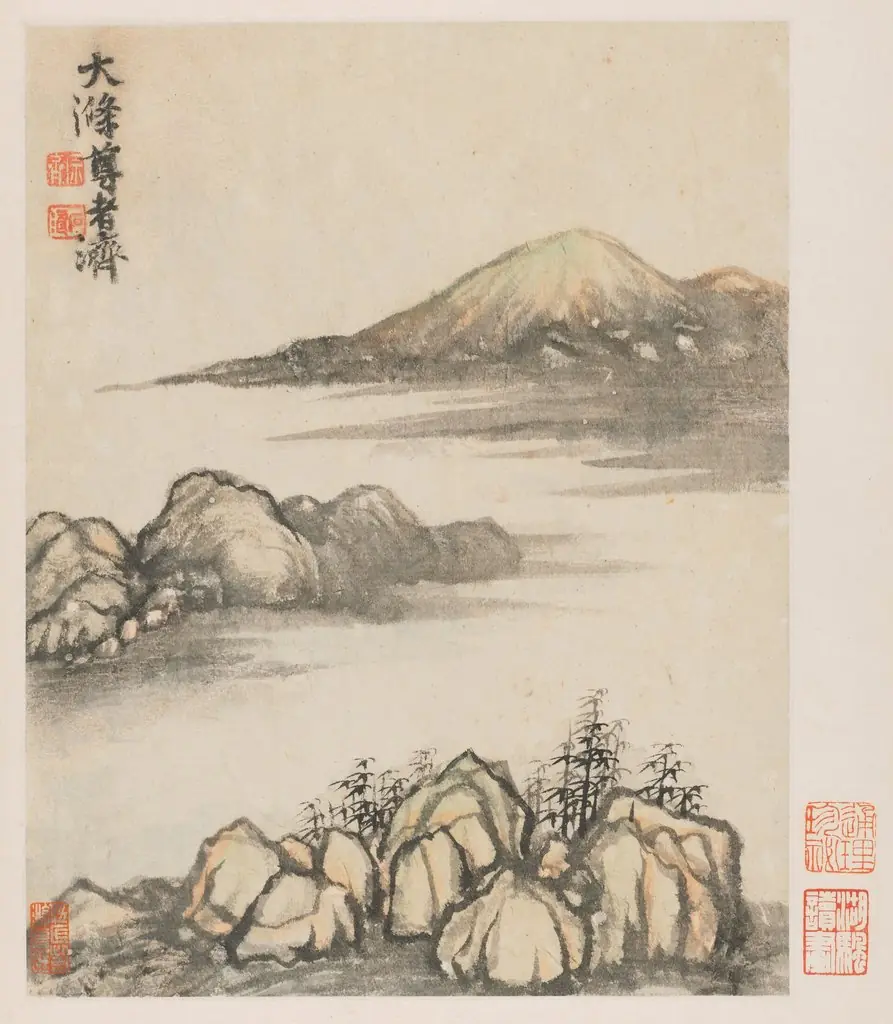
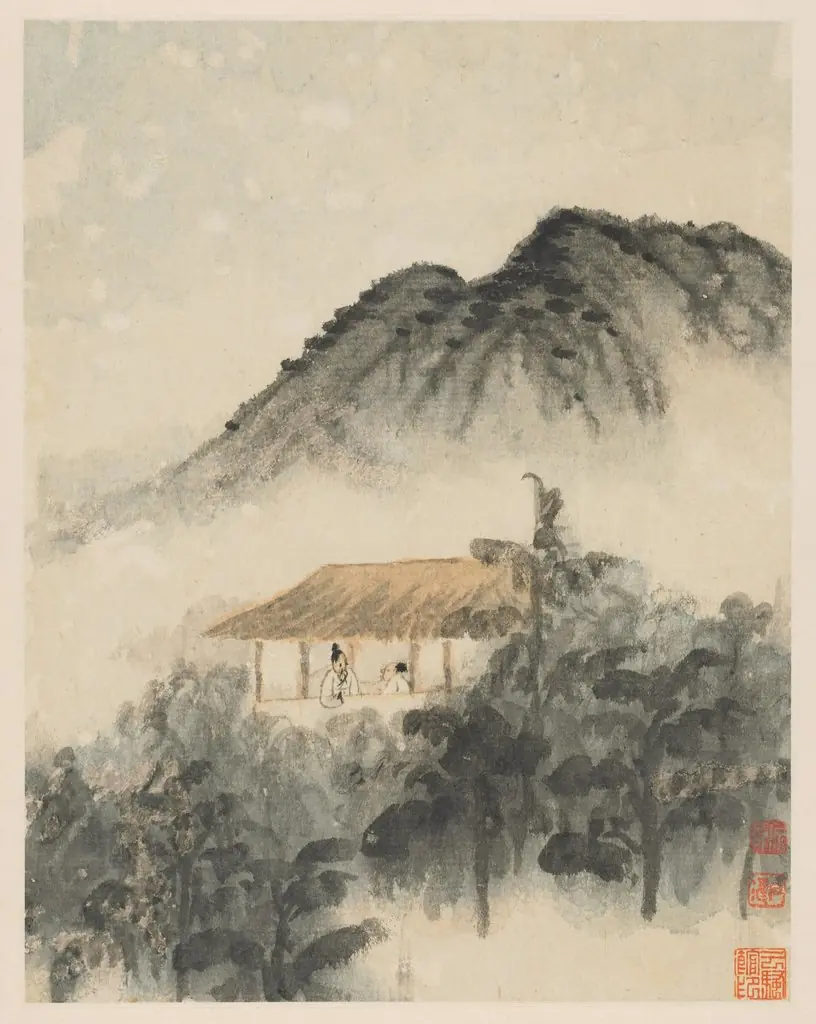
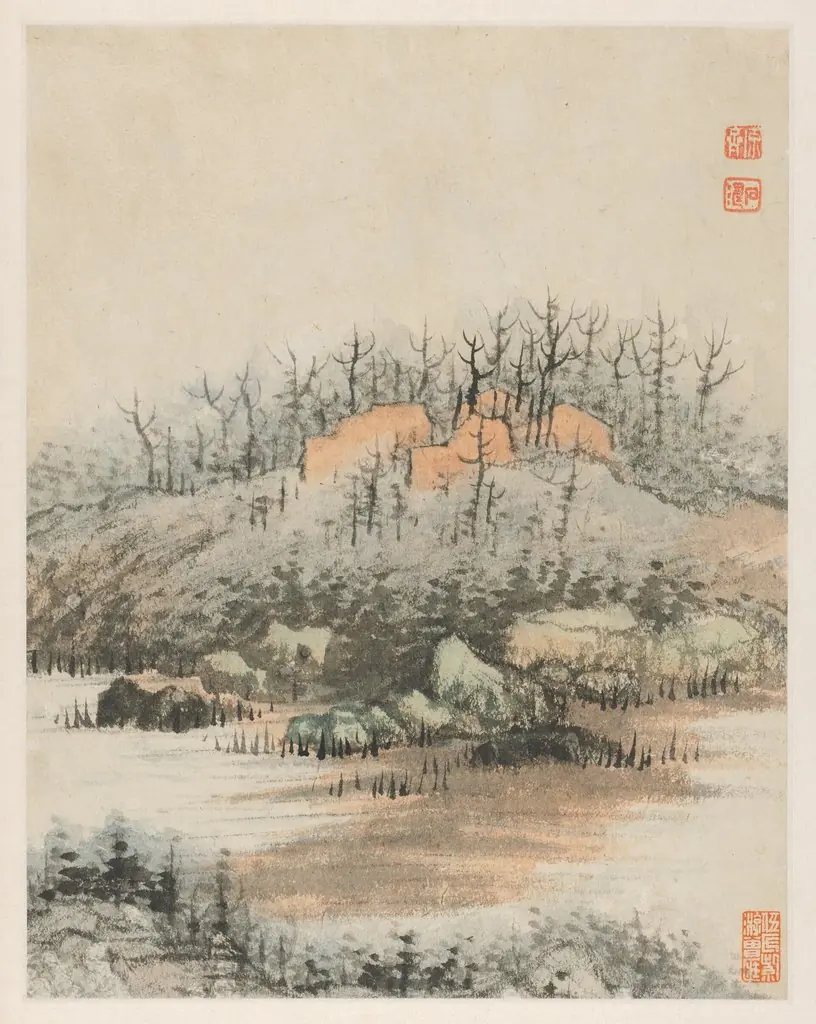
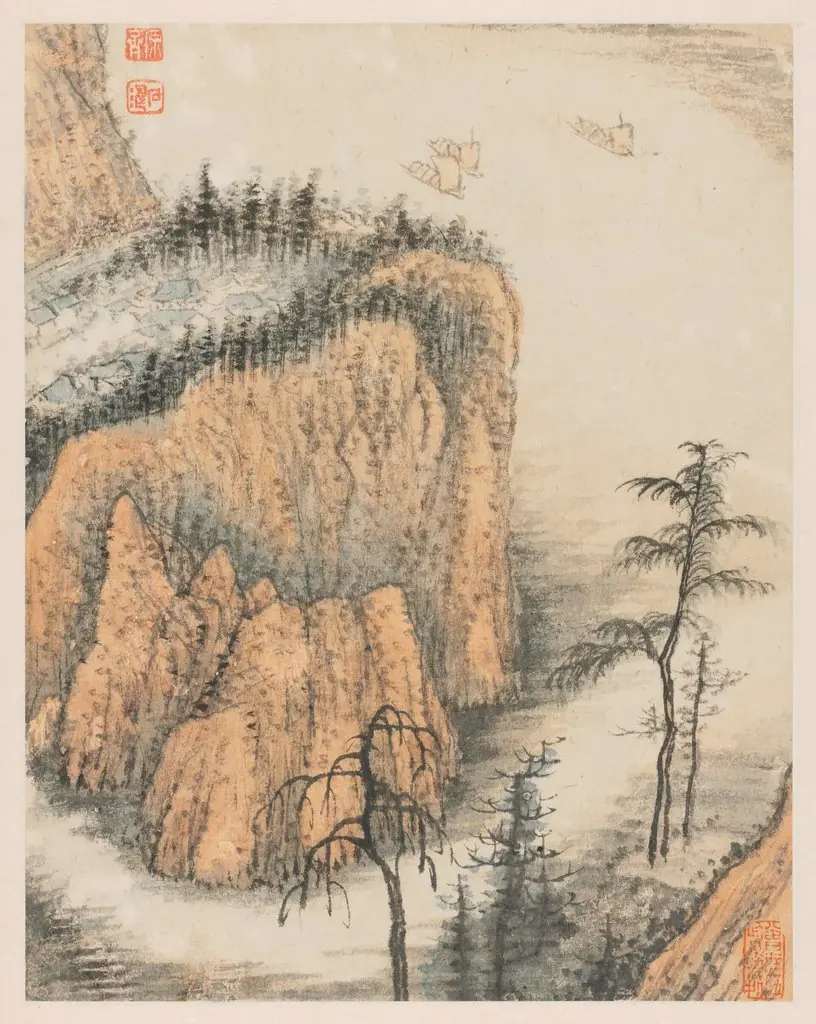
清 石濤(朱若極) 遊張公洞圖 卷|Outing to Zhang Gong's Grotto is an ink painting by the Baroque artist Shitao. It dates from 1700 and is held in the collection of the Metropolitan Museum of Art.
About this work
Overview
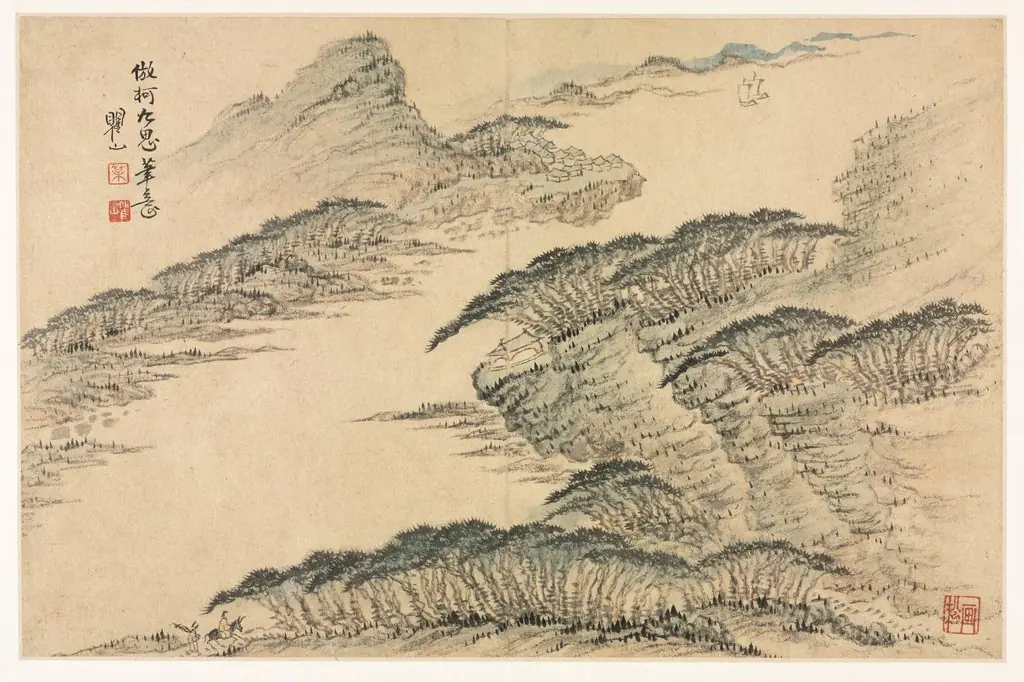
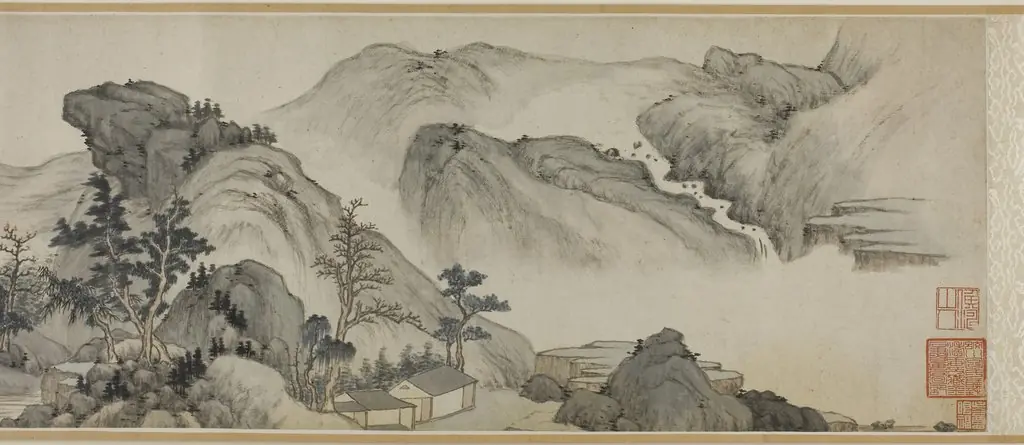
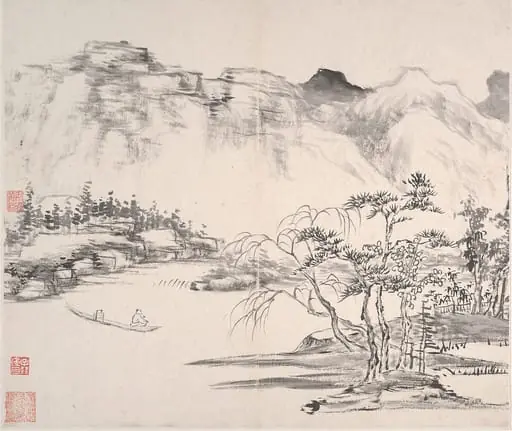
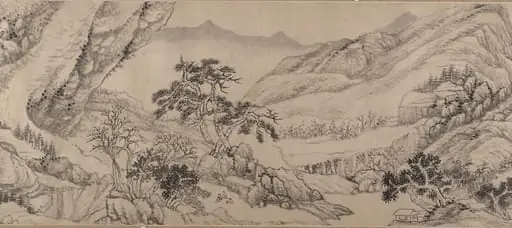
Small figures are depicted navigating a path, embarking on a journey through a dramatic natural environment that encapsulates the artist's distinctive vision.
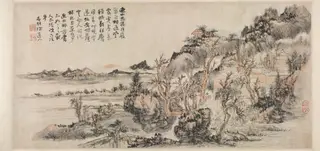
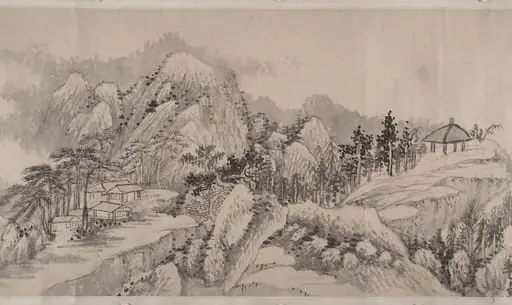
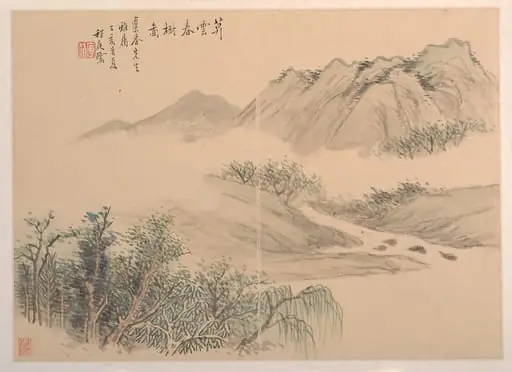
Shitao's "Outing to Zhang Gong's Grotto," a handscroll from approximately 1700, is rendered in ink and light color on paper. This painting unfolds a dynamic landscape, guiding the viewer through a winding river, past jagged cliffs, and towards a prominent cave. Small figures are depicted navigating a path, embarking on a journey through a dramatic natural environment that encapsulates the artist's distinctive vision.
Subject & Meaning
The handscroll depicts a journey through a formidable natural setting, culminating in the titular Zhang Gong's Grotto. The composition guides the eye along a winding river and towering rock formations, where tiny travelers are seen ascending a path. This exploration of a specific grotto, often associated with spiritual retreats or mythical tales, invites contemplation on the human interaction with nature and the pursuit of enlightenment or discovery within its depths.
Technique & Style
Shitao's characteristic brushwork in this piece is notably loose and expressive, almost calligraphic in its execution. Each stroke contributes to a sense of organic vitality, making the depicted rocks and trees appear as if they are actively growing and shifting. The subtle application of ink and color on paper creates an atmospheric quality, where the ink itself seems to convey a living, breathing energy, reflecting the artist's innovative approach to landscape painting.
Context
Painted in the early 18th century, this work emerged during a significant period in Shitao's life following his departure from the fallen Ming court and his subsequent embrace of Buddhist monasticism. This personal history profoundly shaped his artistic perspective, fostering an introspective and unconventional style. The painting reflects a departure from traditional academic approaches, embodying the artist's unique spiritual and aesthetic journey during a time of political and personal transition.
Artist & collection