Artwork
Le Colisée de Rome
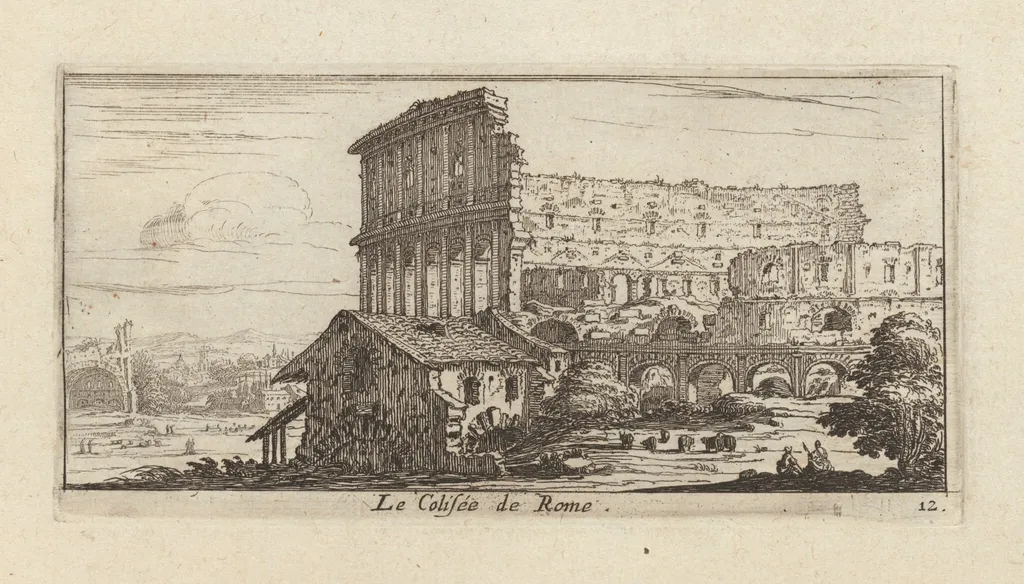
Le Colisée de Rome is an ink print by the Baroque artist Israël Silvestre. It dates from 1650 and is held in the collection of the National Gallery of Art.
- Inscription
- Inscribed:In plate at bottom: Le Colisée de Rome. 12
About this work
Overview
Le Colisée de Rome is a 1650 etching on laid paper by French artist Israel Silvestre, depicting the Colosseum in Rome with meticulous architectural detail.
Subject & Meaning
The print focuses on the Colosseum, emphasizing its structural grandeur through detailed arches, tiers, and surrounding landscape elements like trees, a bridge, and figures of people.
Technique & Style
Silvestre employed etching to achieve sharp, crisp lines and a textured appearance, characteristic of the medium's capacity for fine detail and expressive depth.
History & Provenance
Created during Silvestre's prolific period, this etching was sold individually and as part of series, contributing to his 17th-century reputation as a topographical print specialist.
Context
Reflecting Silvestre's travels and training under his etcher uncle (associated with Jacques Callot), the work combines personal experience with technical lineage.
Artist & collection
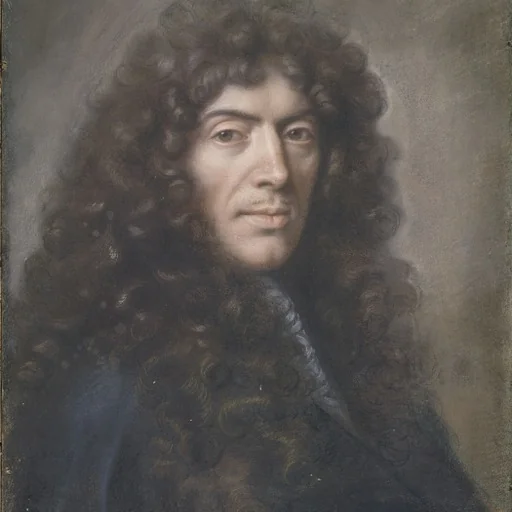
Artist
Israel Silvestre (13 August 1621 in Nancy – 11 October 1691 in Paris), called the Younger to distinguish him from his father, was a prolific French draftsman, etcher and print dealer who specialized in topographical views and perspectives…

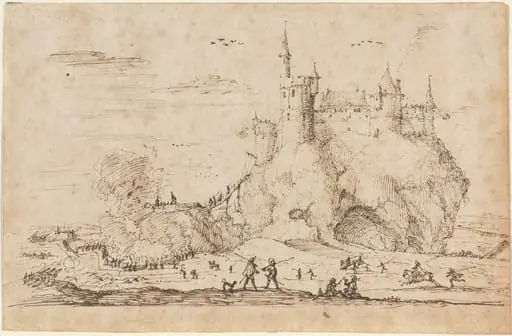 Castle under Siege
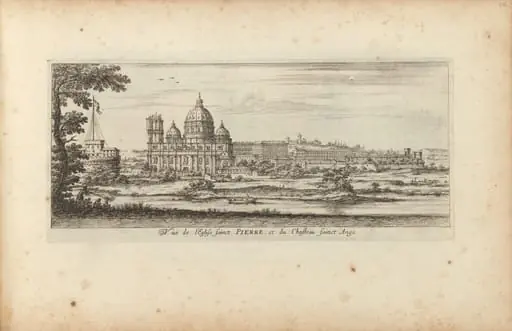 Vuë de l'Eglise sainct Pierre, et du Chasteau Sainct Ange
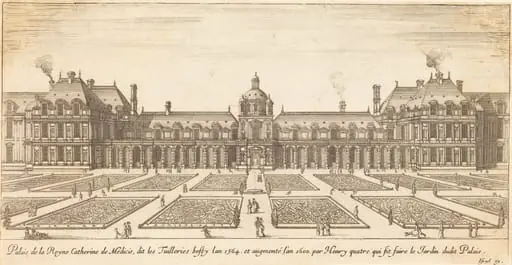 Palais de la Reyne Catherine de Medicis
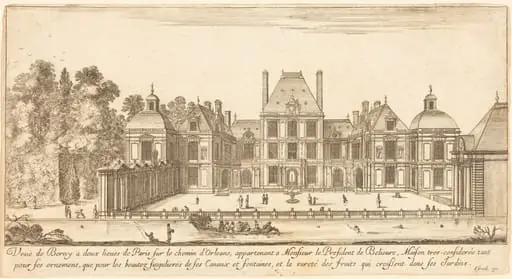 Veue de Berny a deux lieues de Paris sur le chemin d'Orléans
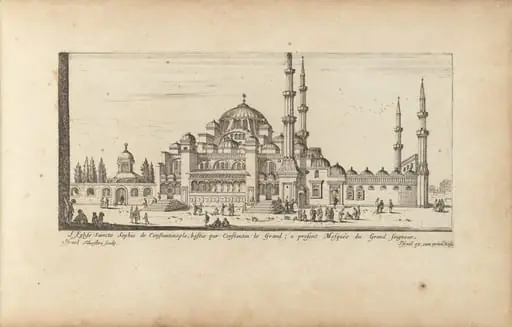 L'Eglise Saincte Sophie de Constantinople, bastie par Constantin le Grand; a present Mosquée du Grand seigneur
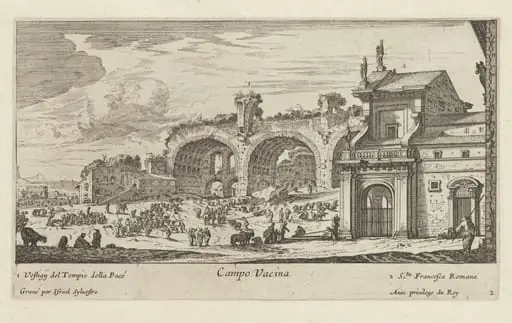 Campo Vacina
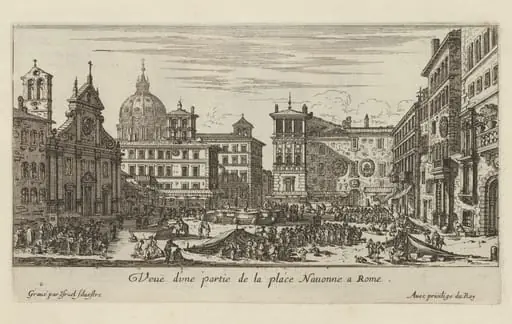 Veuë d'une partie de la place Navonne a Rome
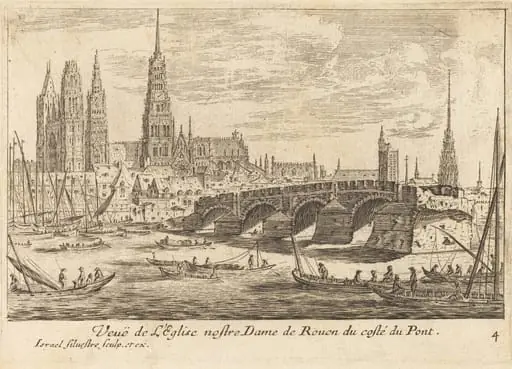 Veue de l'Eglise nostre Dame de Rouen