Artwork
The Immaculate Conception
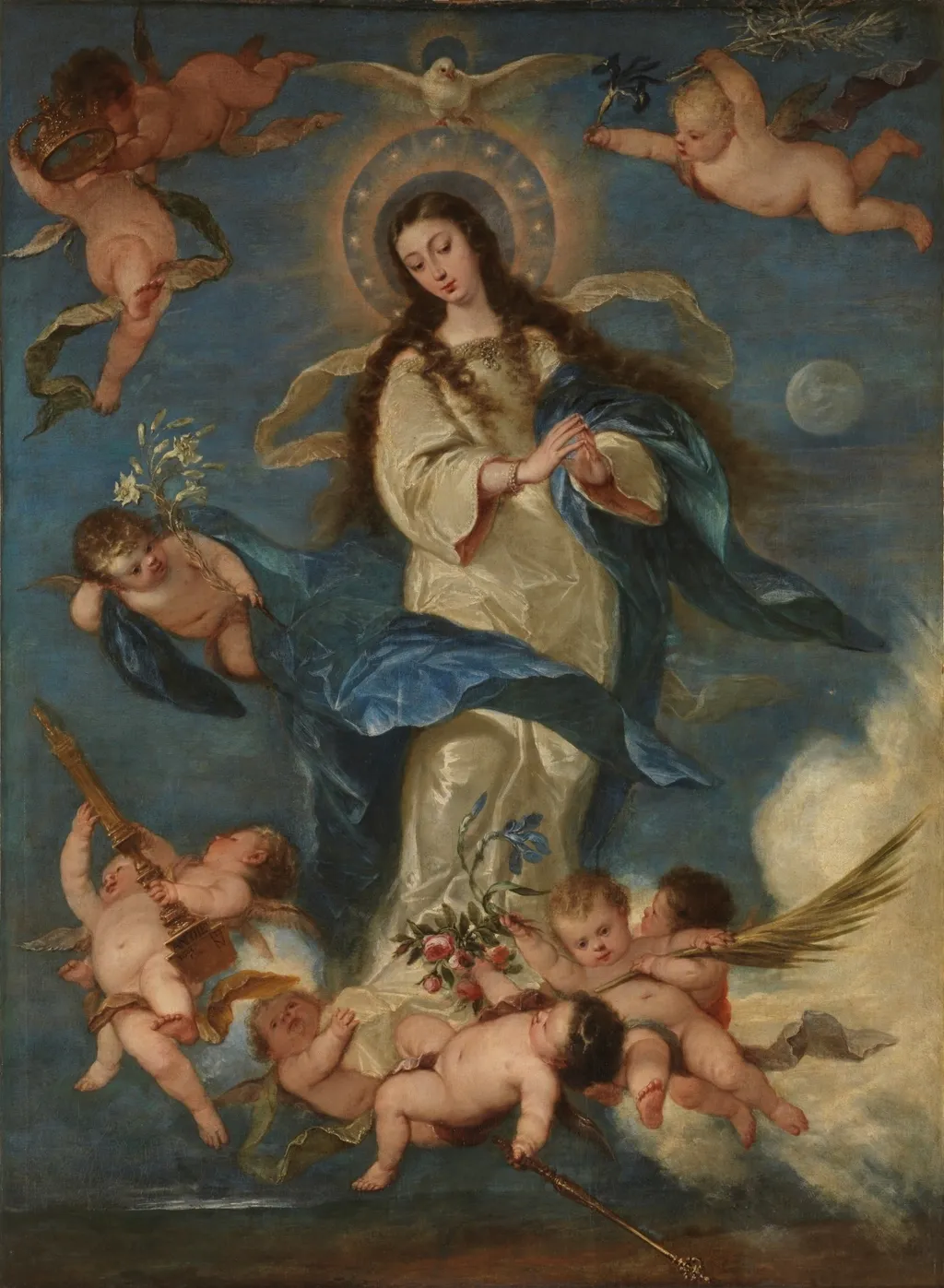
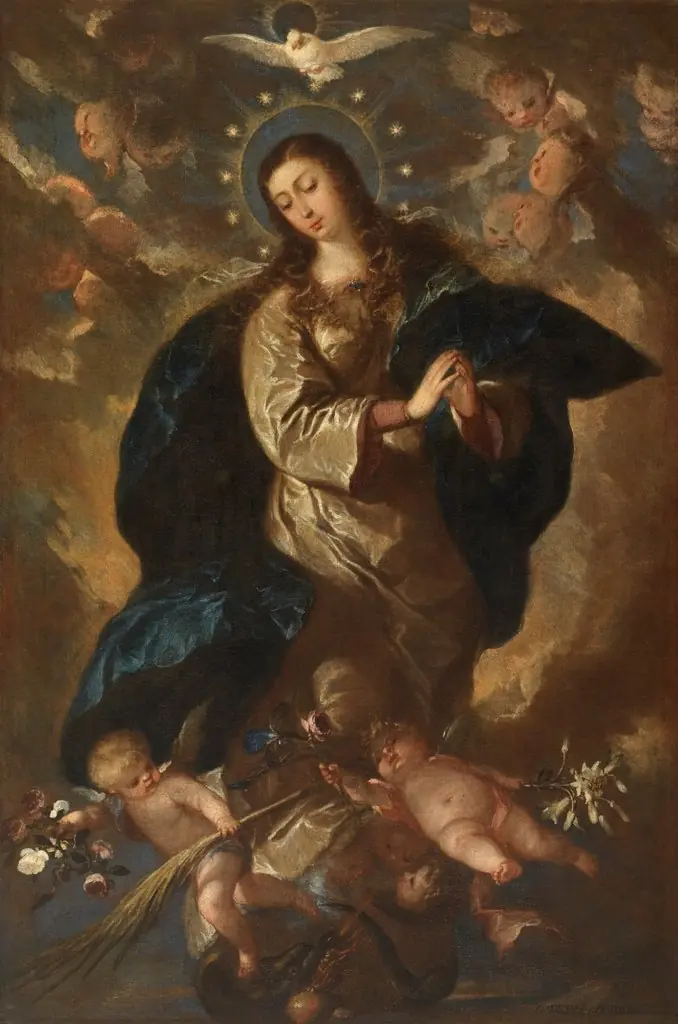
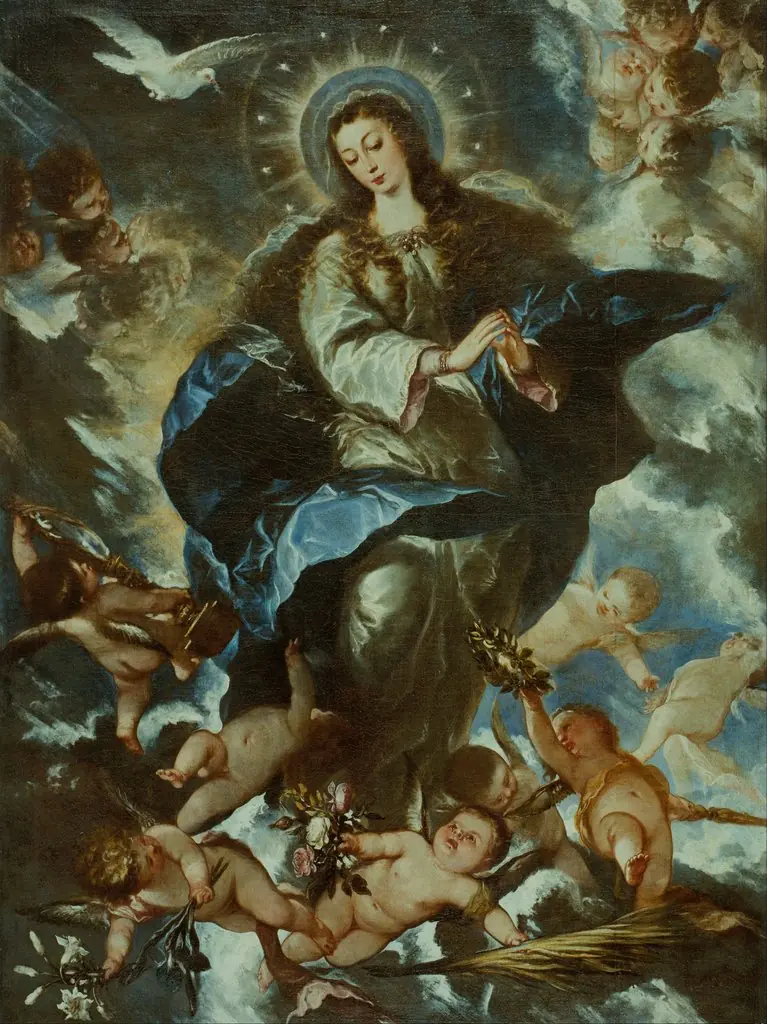
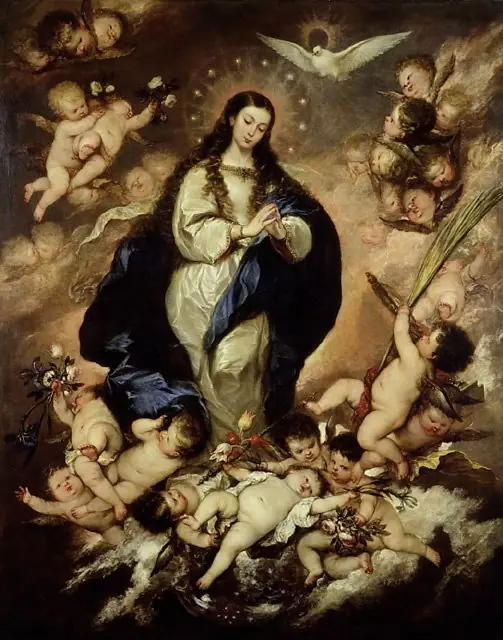
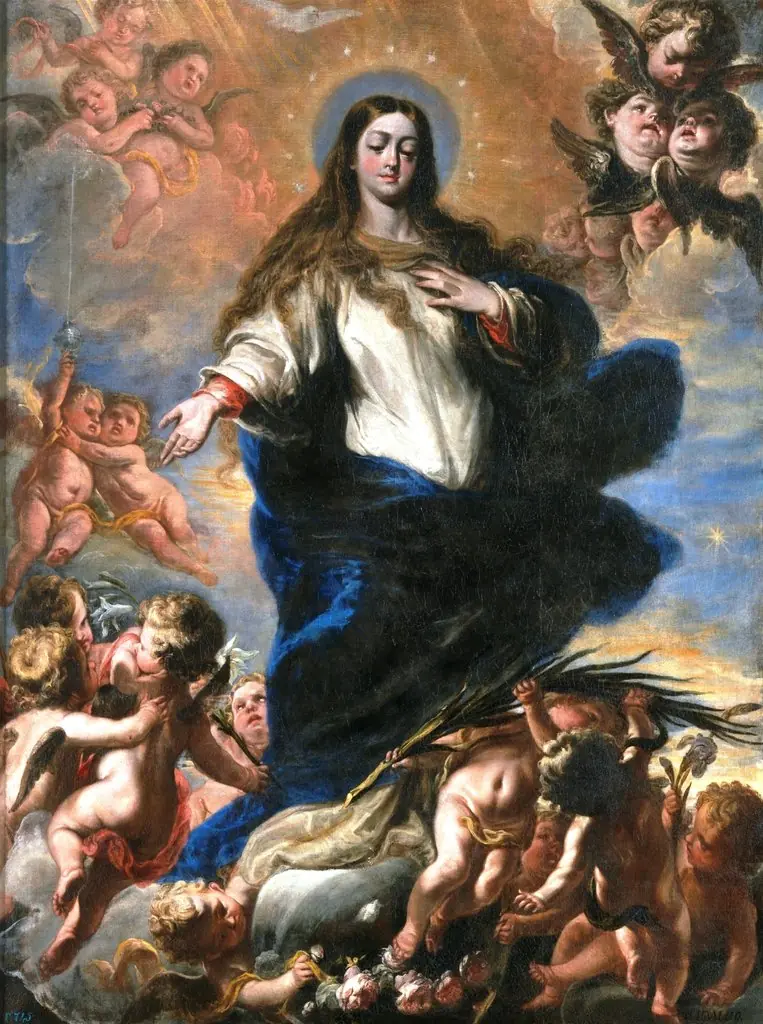
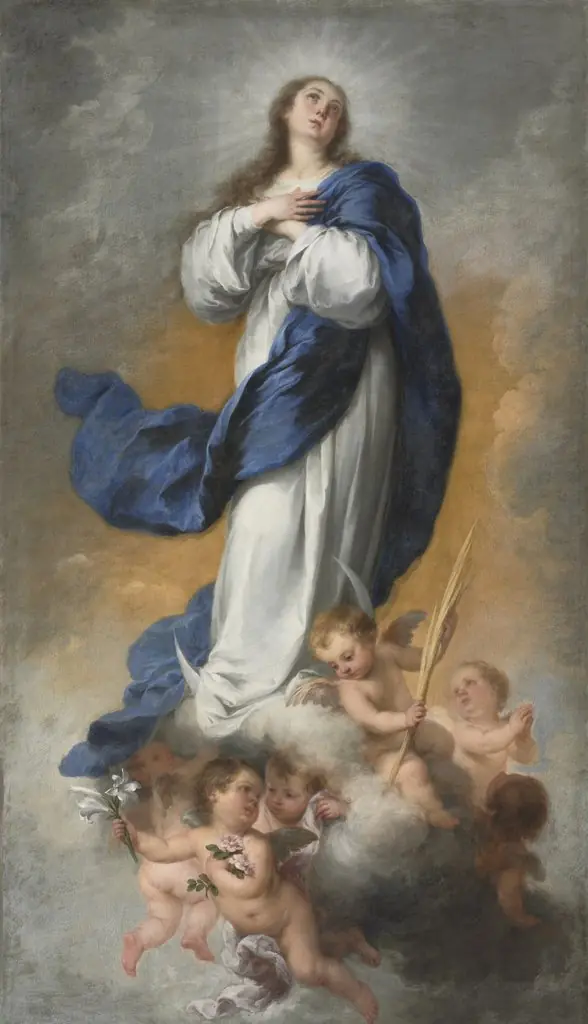
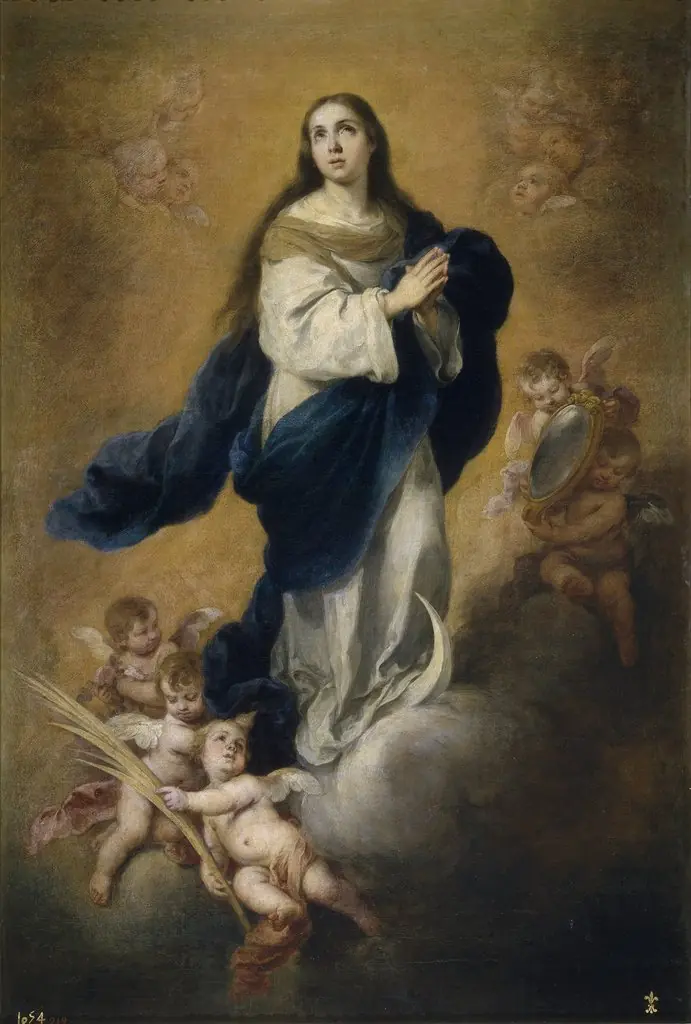
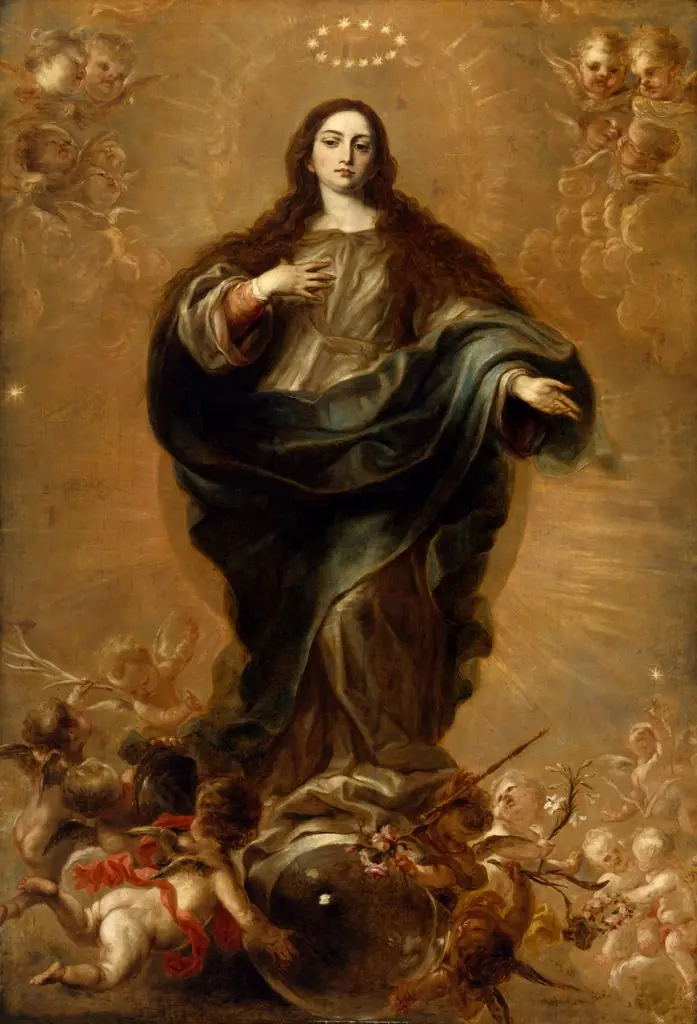
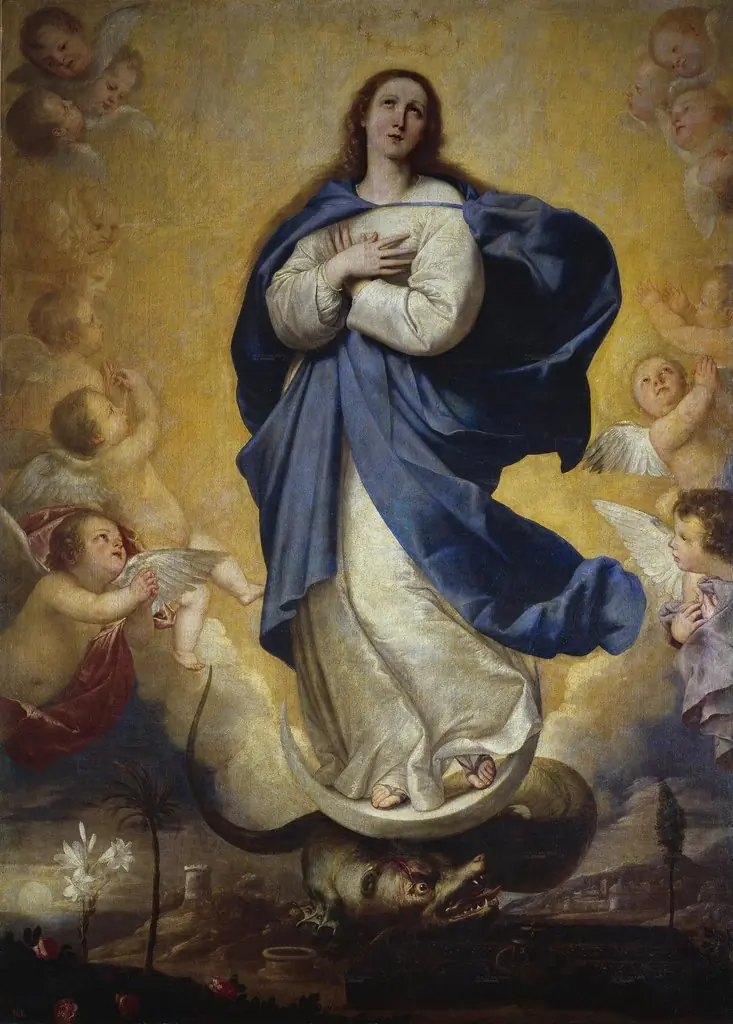
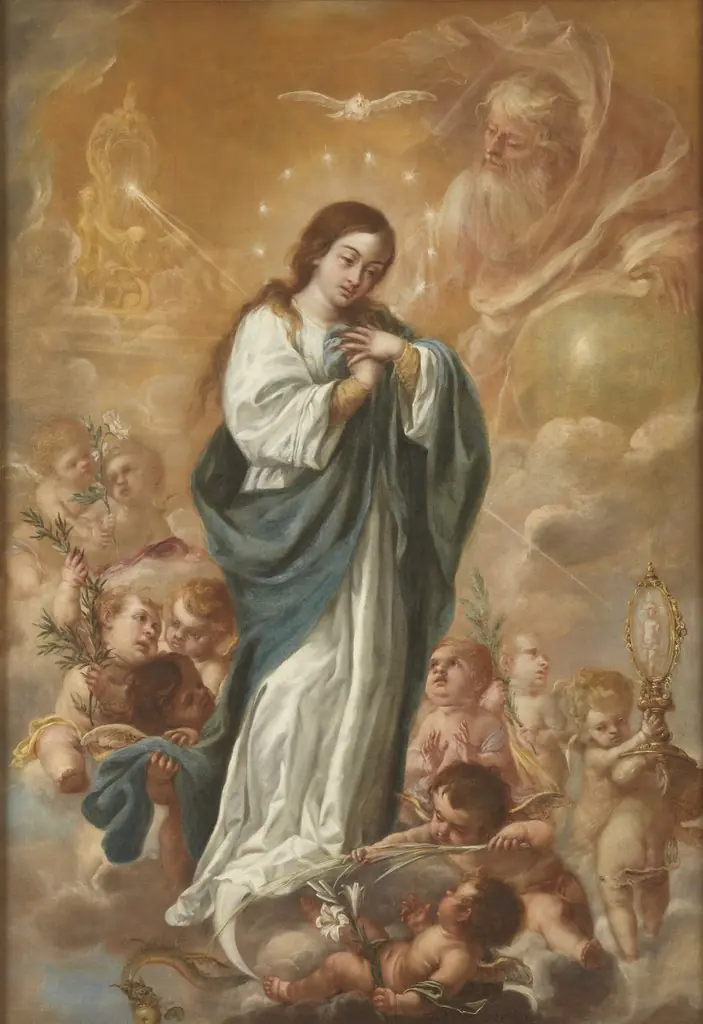
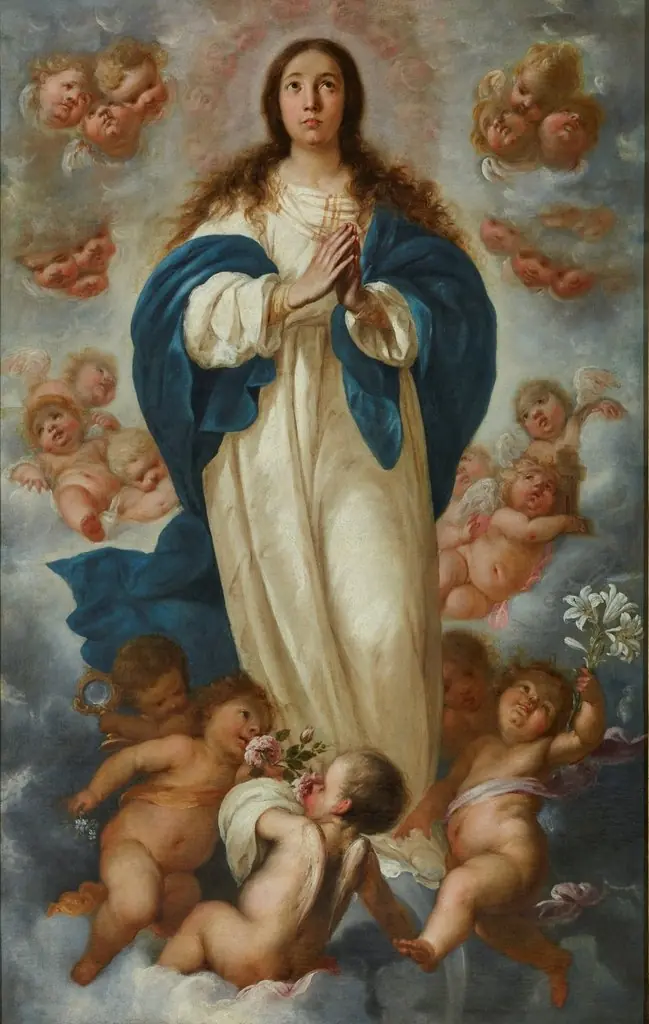
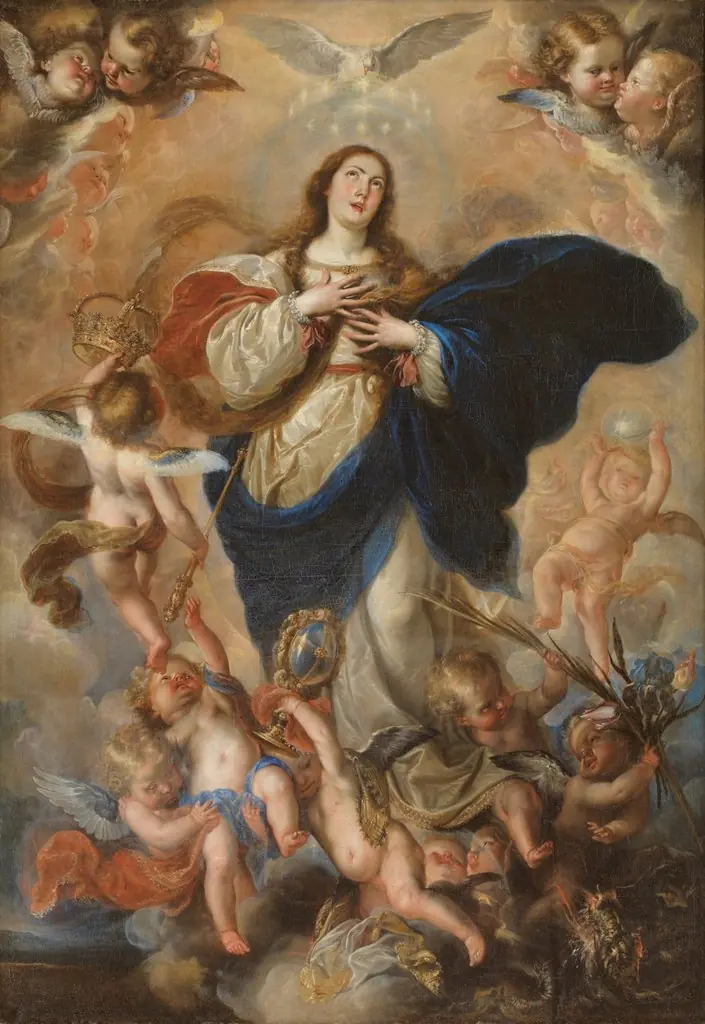
The Immaculate Conception is an oil painting by the Early Baroque Italian artist José Antolínez. It dates from 1665 and is held in the collection of the Museo del Prado.
About this work
Subject & Meaning
As a work of religious art, the composition focuses entirely on this specific moment of divine grace, serving as a visual representation of Marian purity.
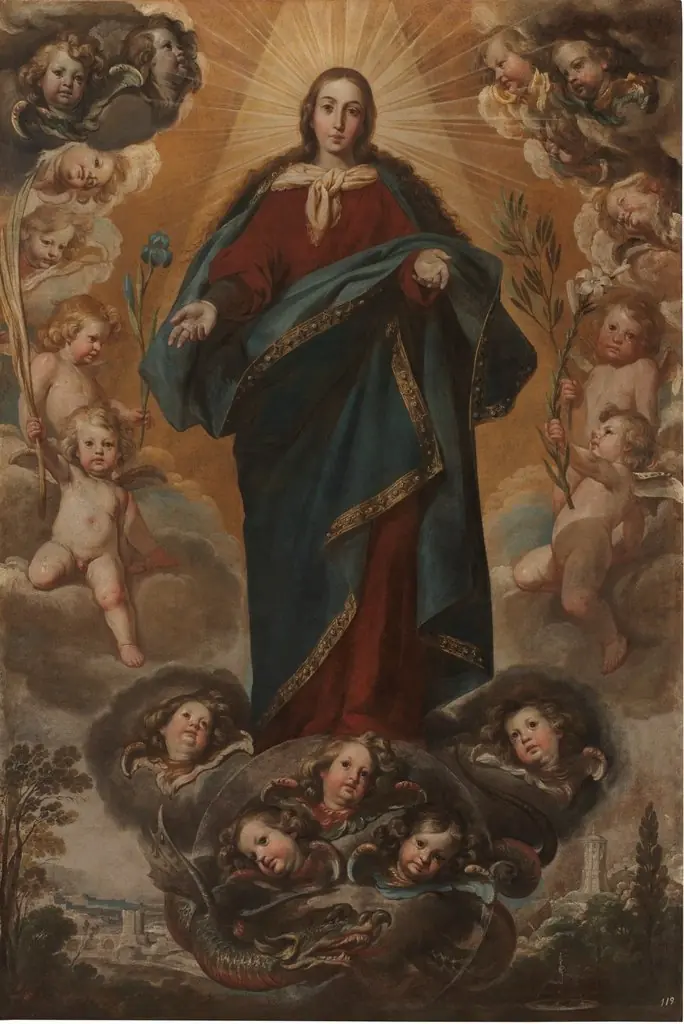
José Antolínez's 1665 oil painting depicts the Immaculate Conception of the Virgin Mary, a central doctrine in Catholic theology asserting that Mary was conceived without original sin. As a work of religious art, the composition focuses entirely on this specific moment of divine grace, serving as a visual representation of Marian purity. The imagery aligns with traditional iconography associated with the subject, presenting Mary as the primary figure of veneration within the narrative of her conception.
Technique & Style
José Antolínez’s The Immaculate Conception (1665) is executed in oil paint on canvas, a standard medium for seventeenth-century Spanish religious works. The support measures 216 × 159 cm, providing a vertical format that emphasizes the celestial ascent of the Virgin Mary.
The handling is characteristic of Antolínez’s mature style: fluid, luminous brushwork builds volumetric drapery folds and soft facial features, while thin glazes create atmospheric depth around the figure. Stylistically, the composition adheres to Counter-Reformation iconography, with the Virgin standing on a crescent moon, surrounded by putti and symbolic elements like the mirror and fountain. The palette is dominated by cool blues and whites, contrasted with warm golden highlights in the robes and clouds, enhancing the divine radiance central to the subject.
History & Provenance
The Immaculate Conception is an oil-on-canvas painting created by José Antolínez in 1665. This religious work, measuring 216 cm in height and 159 cm in width, depicts the Immaculate Conception of Mary. The piece is currently held in the collection of the Museo del Prado in Madrid, where it is cataloged under the inventory number P02443. The artwork remains a significant example of Antolínez's religious output from the mid-17th century.
Overview
The Immaculate Conception is a 1665 oil painting by José Antolínez, depicting the Catholic doctrine of the same name. It features the Virgin Mary in a celestial setting, surrounded by cherubs, with a prominent use of light effects.
Context
Painted during the Spanish Baroque period, the work reflects the era's religious themes and artistic innovations, including the dramatic use of light characteristic of Baroque painting.
Legacy
While specific influence or notable exhibitions are not highlighted in available information, its presence in the Museo del Prado suggests it contributes to the broader understanding and appreciation of 17th-century Spanish religious art.
Own this work as a print
Artist & collection