Artwork
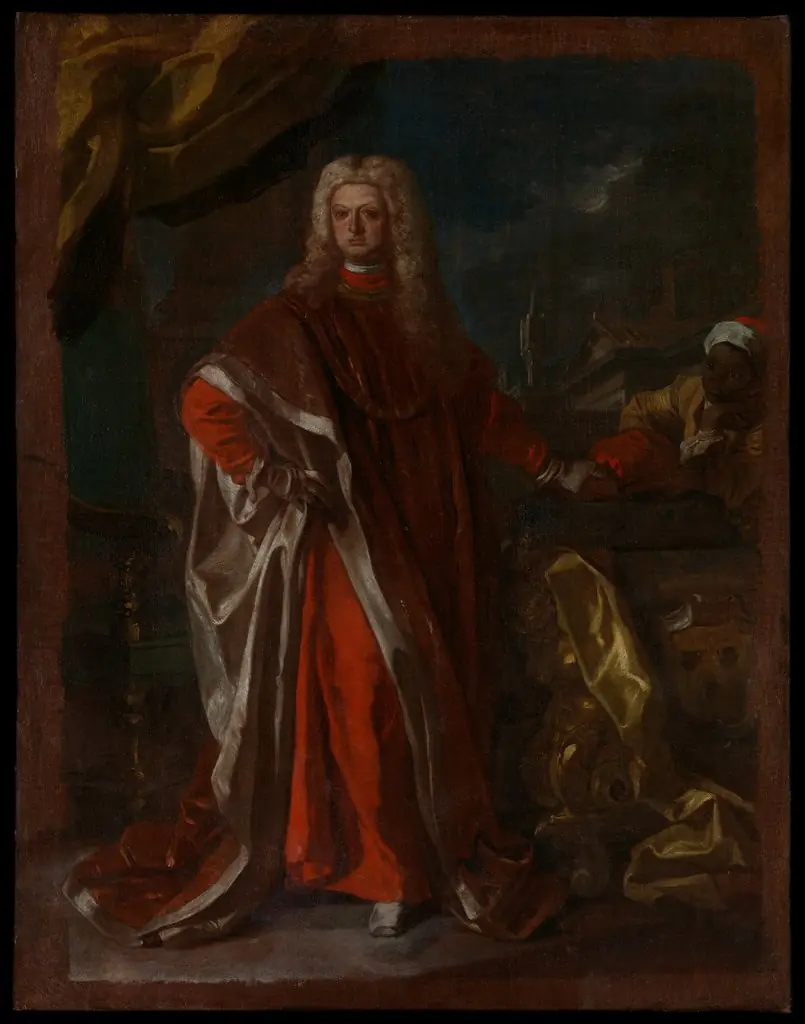
Portretul lui Luigi al II-lea Sanseverino, Principe de Bisignano
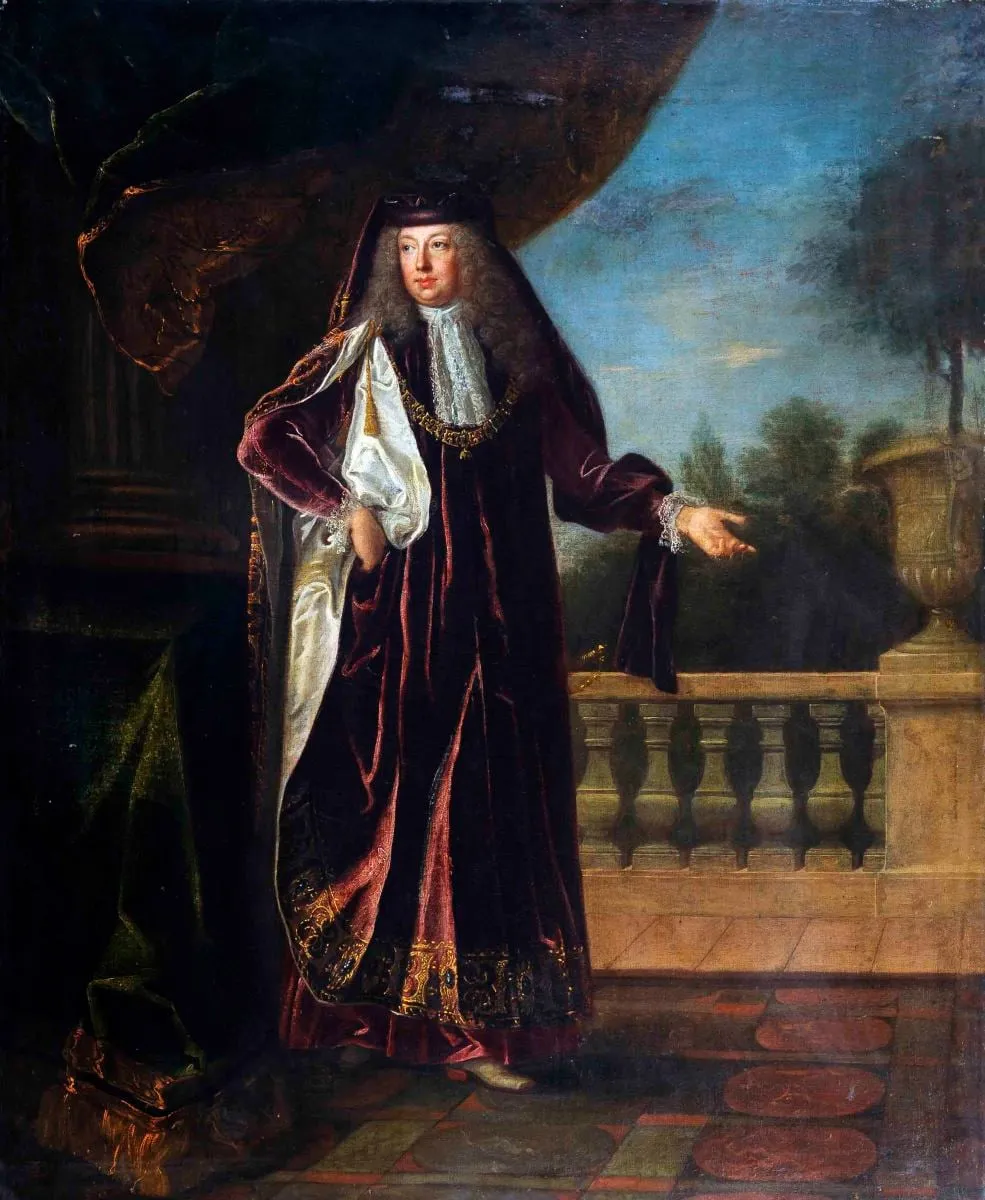
Portretul lui Luigi al II-lea Sanseverino, Principe de Bisignano is a print by the Baroque artist Francesco Solimena. It dates from 1707 and is held in the collection of the National Museum of Art of Romania.
About this work
Overview
Painted around 1707 by Francesco Solimena, this portrait captures Luigi II Sanseverino, Prince of Bisignano, a nobleman of southern Italy.
Painted around 1707 by Francesco Solimena, this portrait captures Luigi II Sanseverino, Prince of Bisignano, a nobleman of southern Italy. Solimena, a leading figure in Neapolitan art, combined the dynamism of Baroque tradition with emerging classical restraint. The work reflects his mature style, shaped by earlier influences like Luca Giordano and Mattia Preti, yet moving toward greater compositional clarity and controlled elegance.
Subject & Meaning
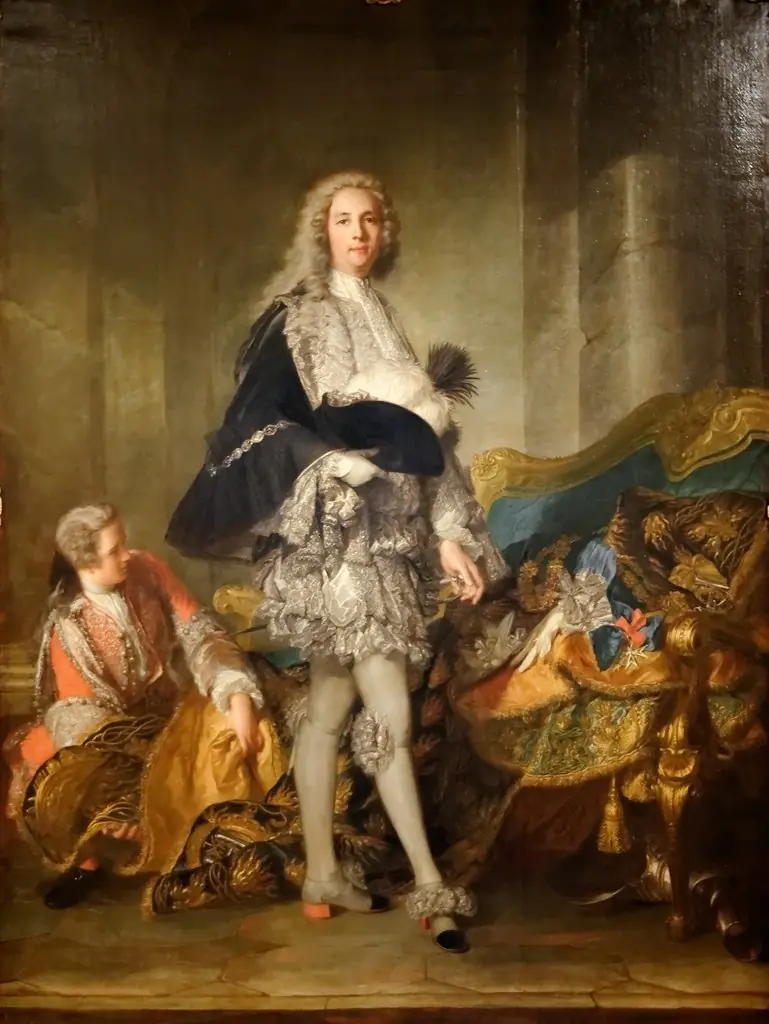
Luigi II Sanseverino is depicted seated in a richly furnished interior, his posture formal and expression solemn, conveying authority and dignity. His attire, elaborate fabric, lace, and dark tones, signals aristocratic status, while the room’s opulent details, including drapery and architectural elements, reinforce his social rank. The portrait functions not as a personal likeness alone, but as a statement of lineage and power within the Neapolitan elite.
Technique & Style
Solimena employs subtle chiaroscuro to model the prince’s face and garments, lending volume without theatricality. Brushwork is precise yet fluid, particularly in the rendering of silk and lace, where texture is suggested rather than over-described. The background recedes into muted tones, focusing attention on the figure while avoiding the exuberance of earlier Baroque conventions, signaling a shift toward classical poise.
History & Provenance
The portrait was likely commissioned during Sanseverino’s lifetime as a statement of familial prestige. It remained within the Sanseverino collection in southern Italy for generations before entering public hands. Its survival in relatively intact condition offers rare insight into aristocratic portraiture in early 18th-century Naples, a region where artistic patronage was closely tied to noble identity.
Context
In early 1700s Naples, portraiture served as both personal record and political instrument. Solimena dominated the local scene, training a generation of artists who adapted his blend of emotional gravity and formal discipline. This portrait aligns with broader trends among European nobility, who used imagery to assert continuity and legitimacy amid shifting political landscapes in the post-Spanish Habsburg era.
Legacy
The portrait exemplifies Solimena’s transition from Baroque exuberance to a more restrained aesthetic that influenced Neapolitan painting well into the 18th century. While not widely exhibited outside regional collections, it remains a key reference for understanding how aristocratic identity was visually constructed in southern Italy, bridging the theatricality of the Baroque and the order of emerging Neoclassicism.
Artist & collection
Artist
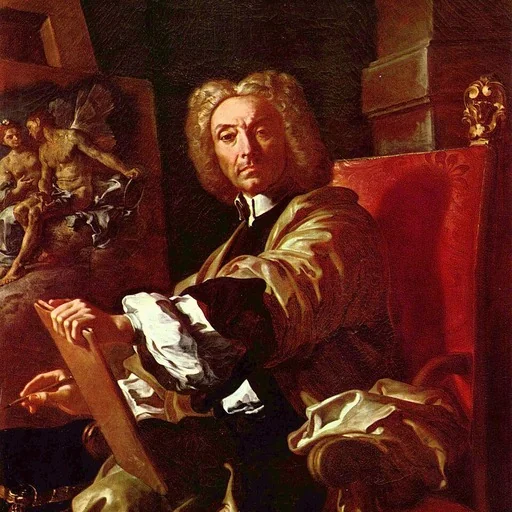
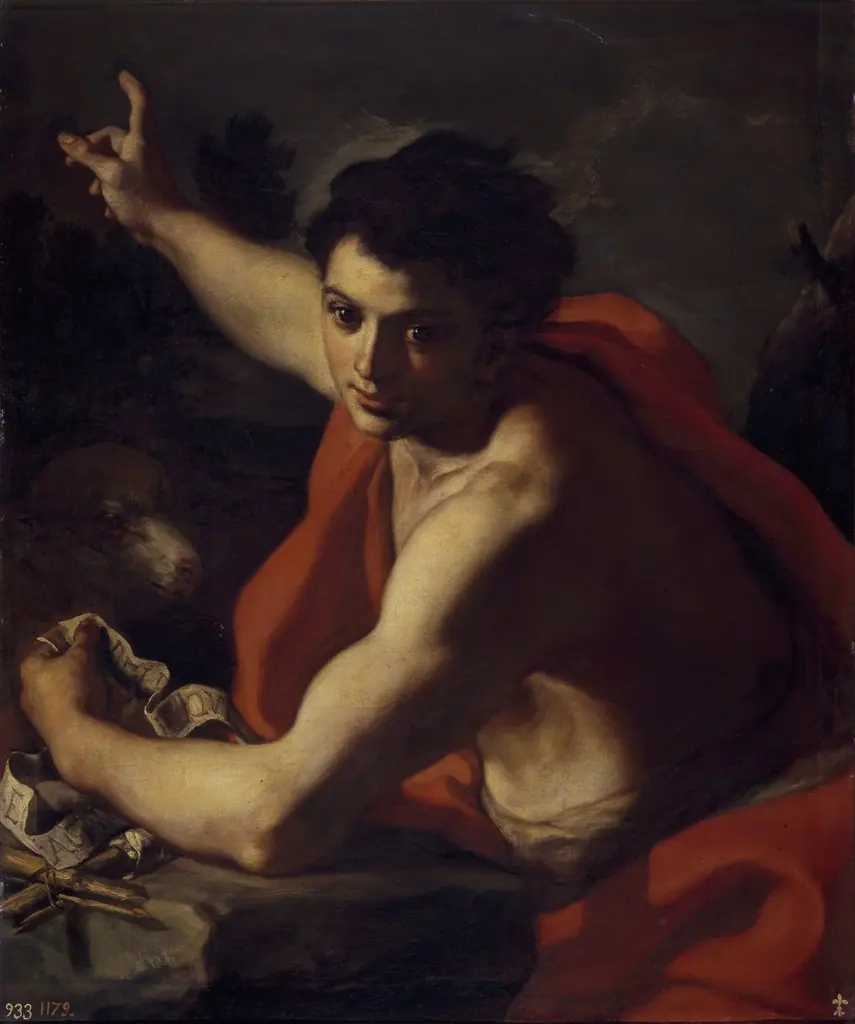
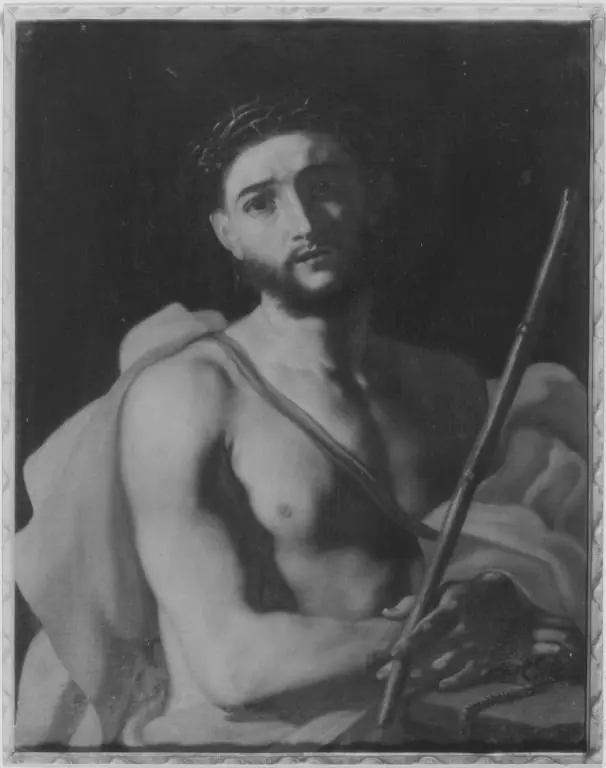
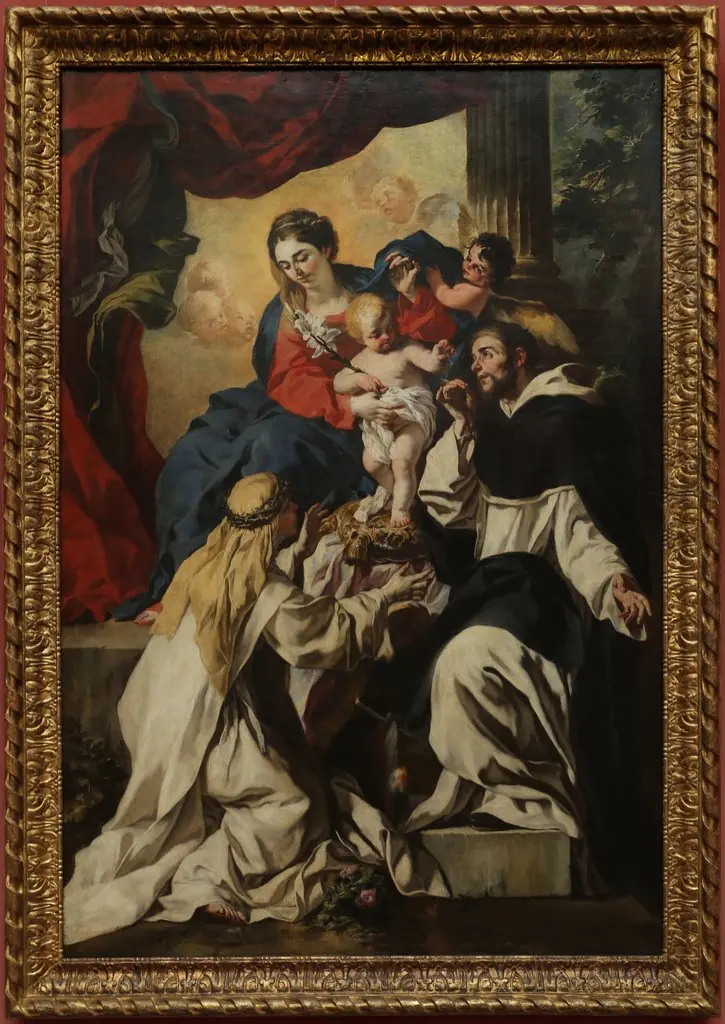
Francesco Solimena (4 October 1657 – 3 April 1747) was a prolific Italian Baroque painter, one of an established family of painters and draughtsmen.

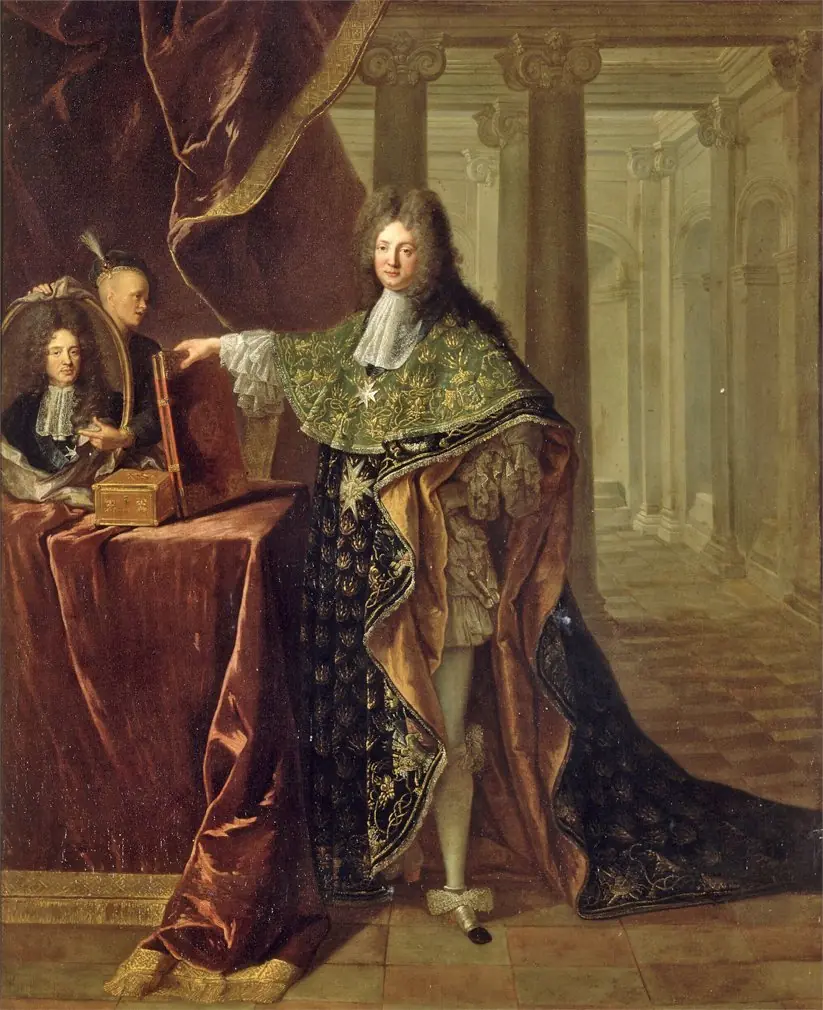
- Jean-Baptiste Colbert, marquis de Torcy (1655-1746)
 Portrait of the Duke of Richelieu
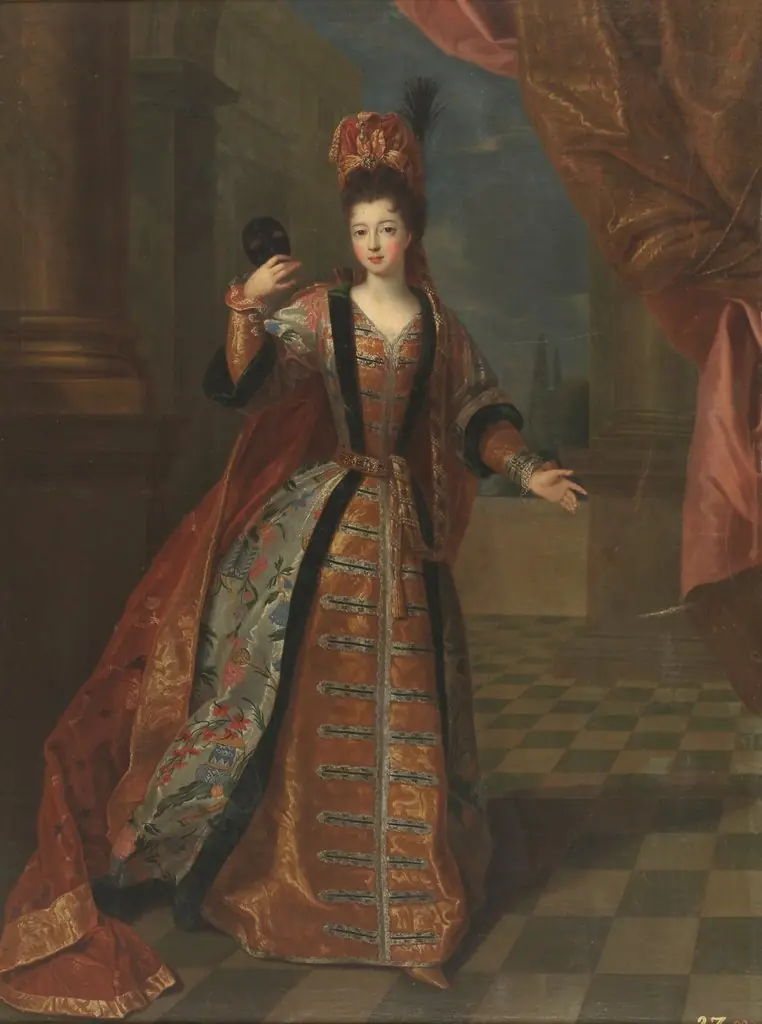 Marie Louise Élisabeth d'Orléans Duchess of Berry
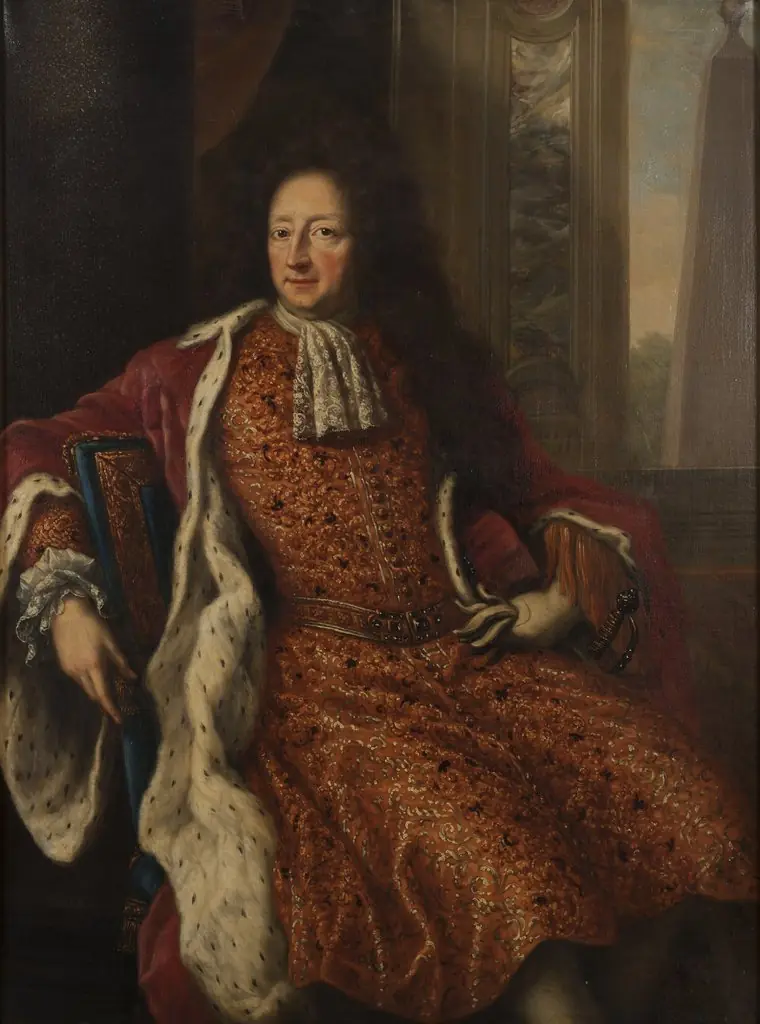 Hans Wachtmeister af Johannishus, 1641-1714
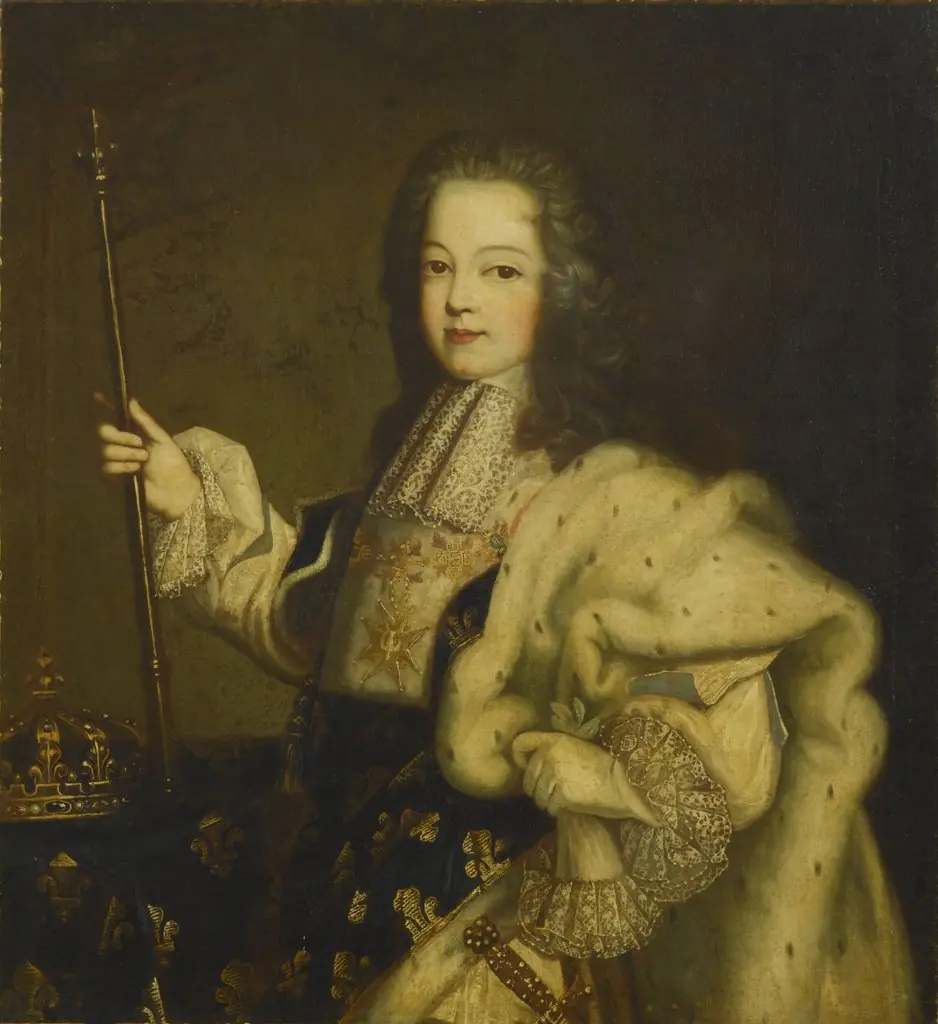 Louis XV, roi de France (1710-1774)
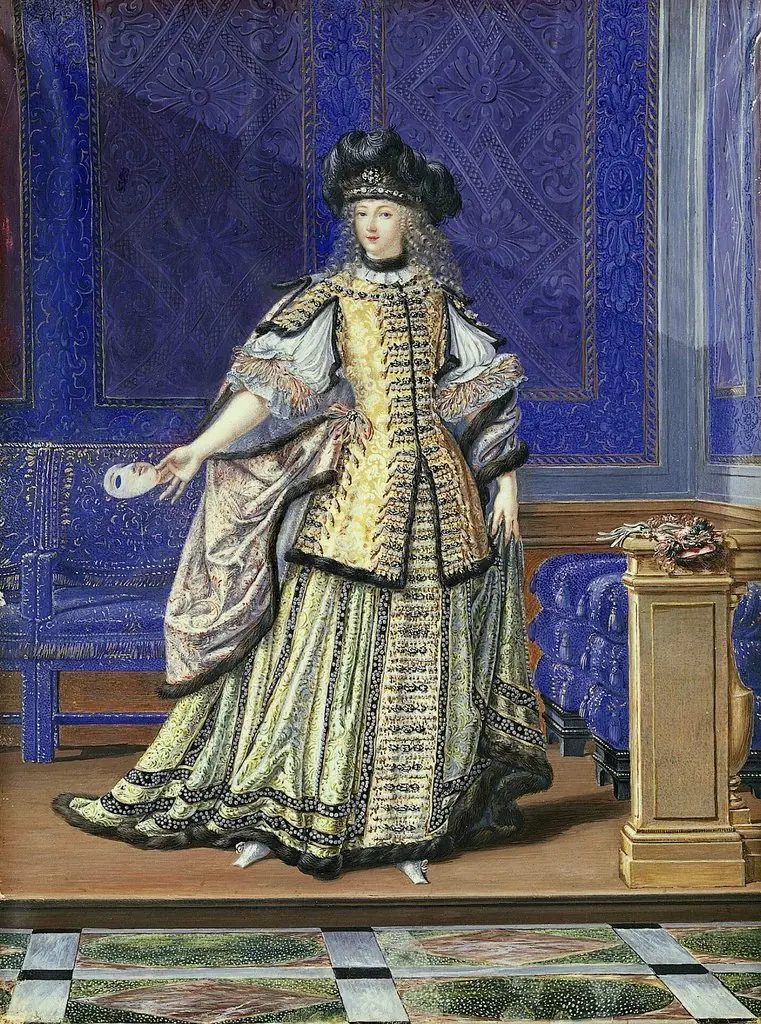 Mlle. de la Valliere in Costume
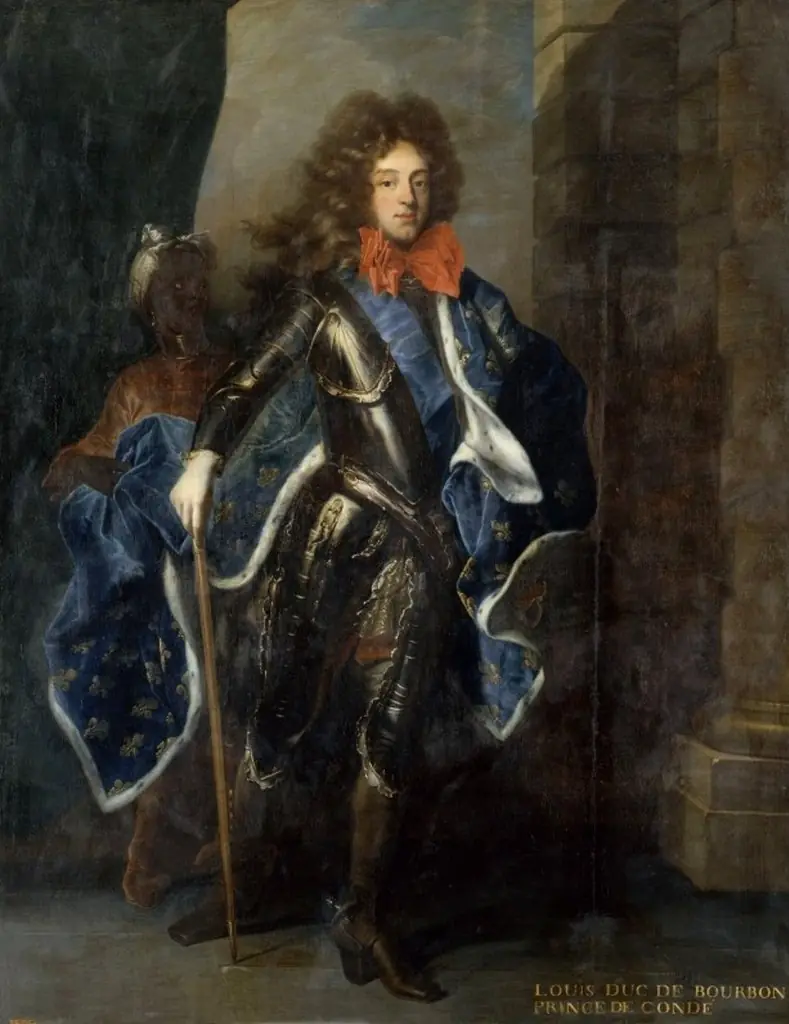 Portrait de Louis III. de Bourbon, prince de Condé (1668–1710)
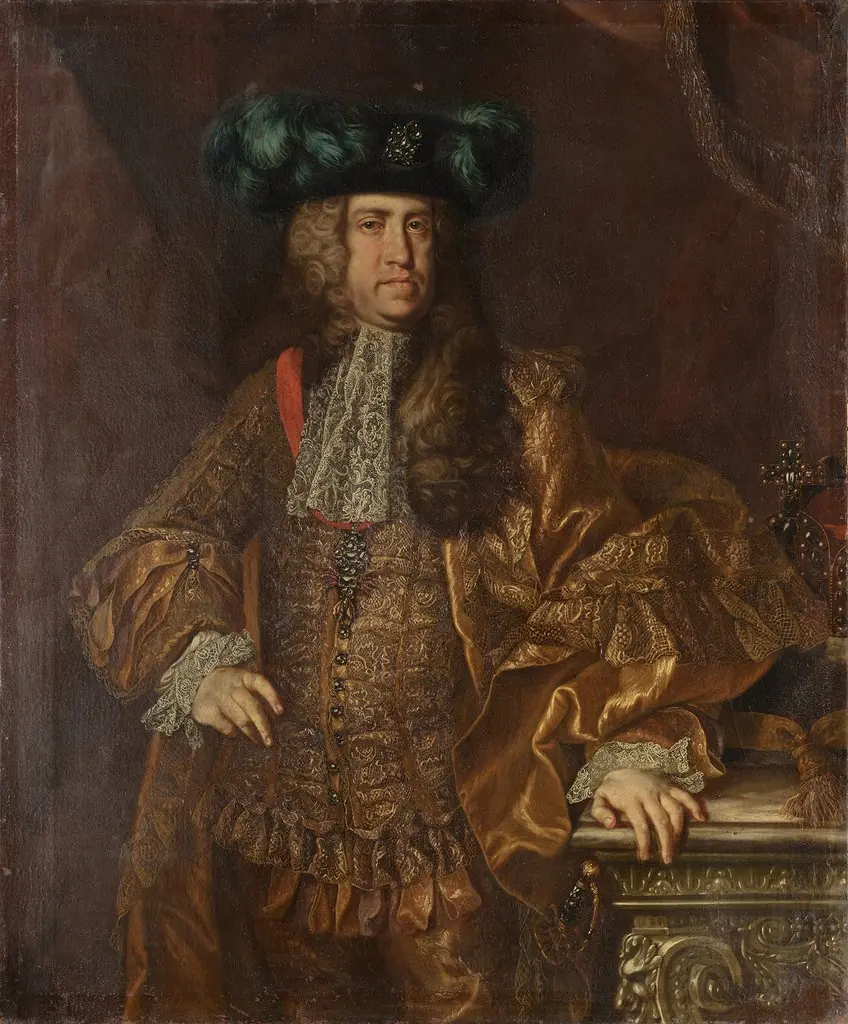 Emperor Karl VI.
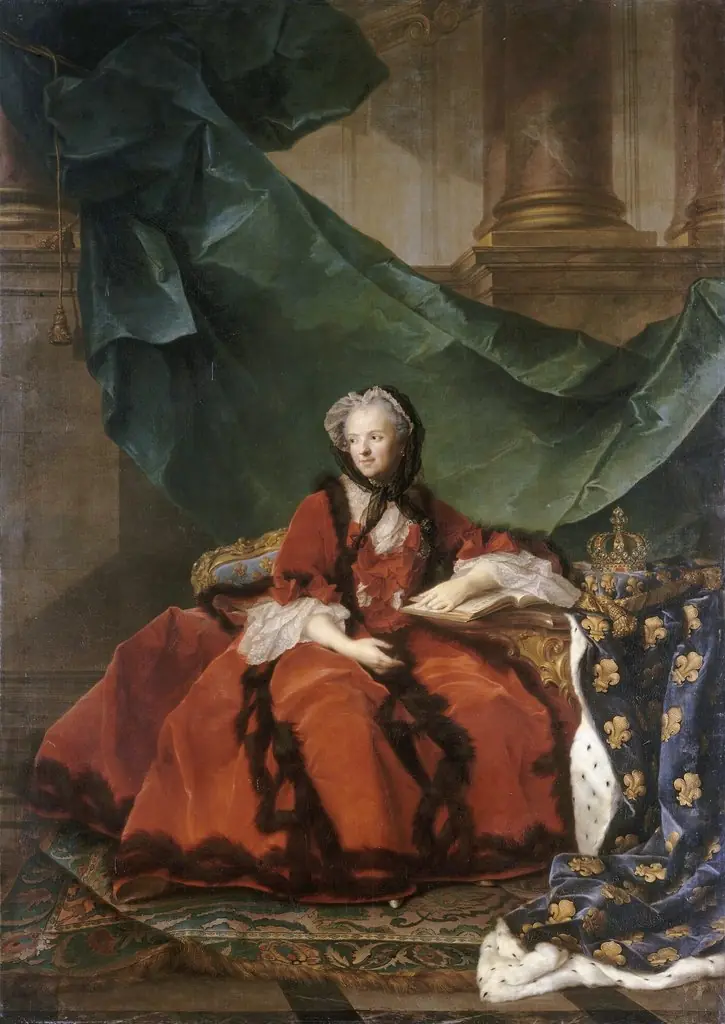 Marie Leszczyńska, Queen of France (1703–1768)
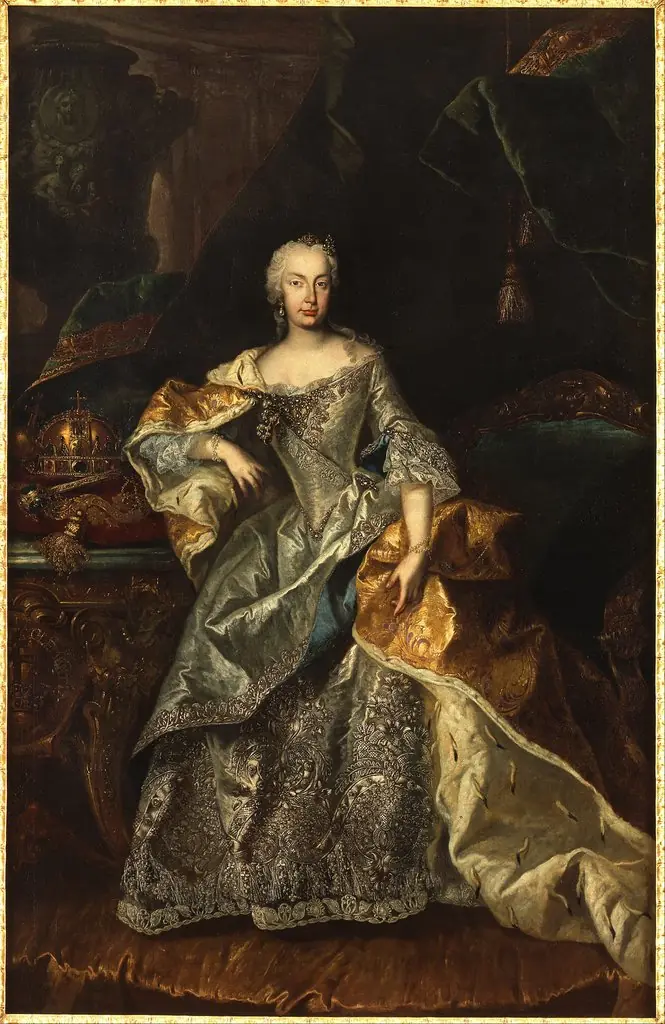 Maria Theresa as Queen of Hungary
 Juan II de Castilla
 Louis I, Prince of Asturias