Artwork
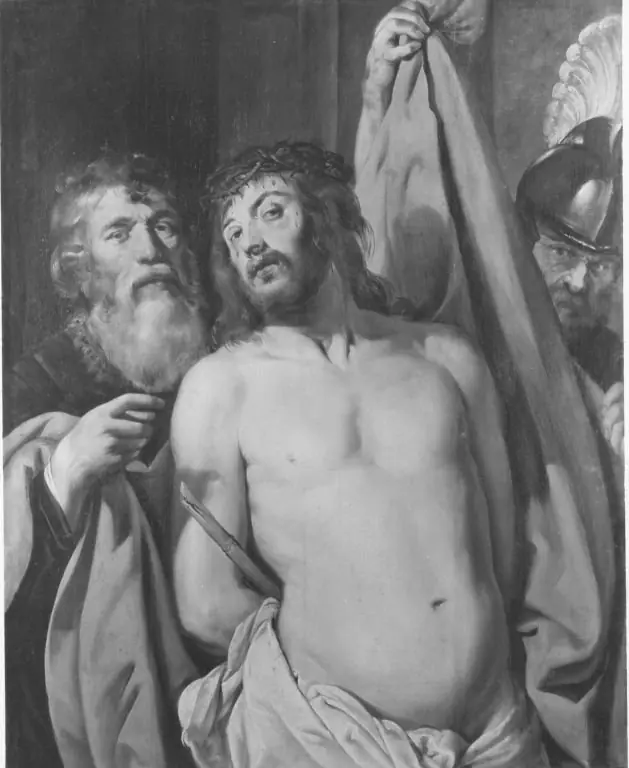
Ecce homo
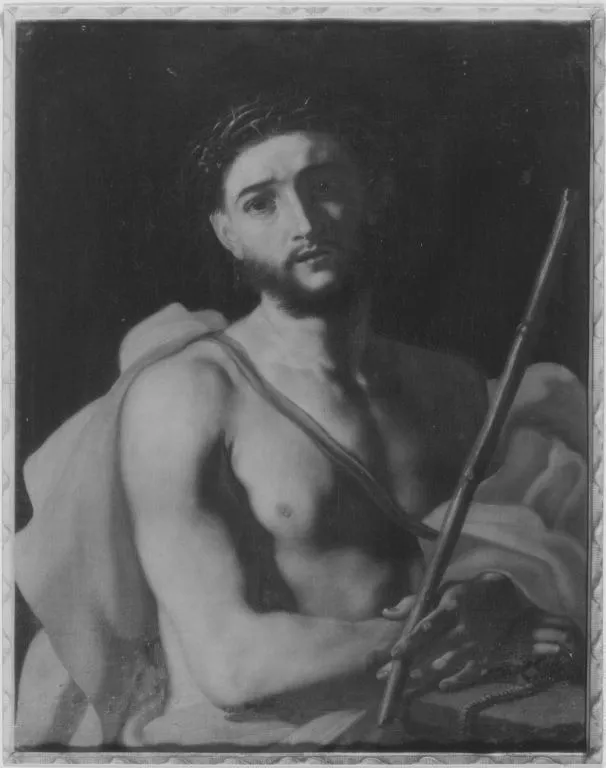
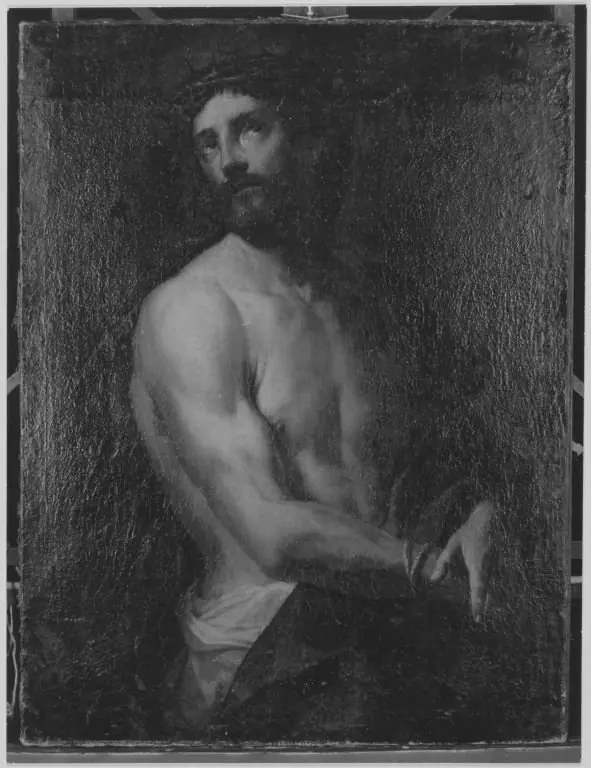
Ecce homo is an unspecified painting by the High Baroque Italian artist Francesco Solimena. It dates from 1702 and is held in the collection of the Bavarian State Painting Collections.
About this work
Subject & Meaning
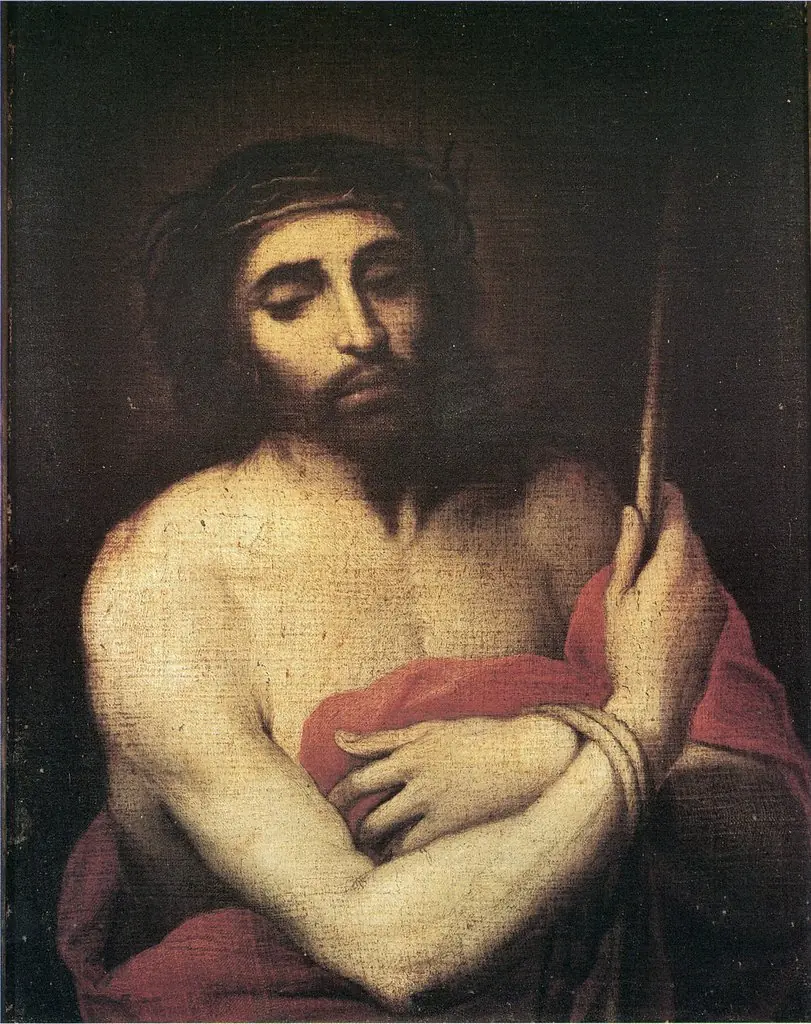
Francesco Solimena's 1702 painting, titled Ecce homo, is a religious work depicting Jesus Christ as its main subject.
Francesco Solimena's 1702 painting, titled Ecce homo, is a religious work depicting Jesus Christ as its main subject. The title and iconography directly reference the biblical moment when Pontius Pilate presents the scourged and crowned Christ to the crowd, declaring "Behold the man." As a piece of religious art, the composition focuses on the figure of Christ to evoke themes of suffering, humility, and the theological significance of his Passion.
The work serves as a visual meditation on the humanity and sacrifice of Jesus, central to Christian theology.
History & Provenance
The Ecce Homo painting by Francesco Solimena was created in 1702 and is classified as a religious artwork. It depicts Jesus Christ and measures 74.6 centimeters in height by 59.3 centimeters in width. The work belongs to the religious art genre and was produced during the early 18th century.
Its creation history is tied to its commission, though specific patronage details are not provided in the sources. The painting is part of the Bavarian State Painting Collections and is housed in the Alte Pinakothek in Munich.
The painting has been part of the Bavarian State Painting Collections, where it is held at the Alte Pinakothek in Munich. Its recorded dimensions are 74.6 cm in height by 59.3 cm in width. No specific inventory or accession number is documented in the available sources, nor is any prior or subsequent exhibition history recorded beyond its current placement in the Bavarian state collection.
Context
The Baroque painting Ecce Homo by Francesco Solimena, completed in 1702, portrays Christ in a moment of profound spiritual anguish following his flagellation, a subject drawn from the Gospel narrative of Christ's condemnation by Pontius Pilate. This work exemplifies Solimena's mastery of devotional religious art, characterized by intense emotional realism and dramatic chiaroscuro that heightened the viewer's contemplative engagement with the Passion narrative. Its presence in the Bavarian State Painting Collections at the Alte Pinakothek in Munich underscores its enduring significance within ecclesiastical artistic traditions, where it continues to be studied as a pivotal example of early 18th-century Italian religious painting that bridged Counter-Reformation devotional practices with evolving Baroque aesthetics.
Overview
Ecce homo is a 1702 painting by Francesco Solimena, a prominent Italian Baroque artist. The work is characteristic of the High Baroque style and is now held in the Alte Pinakothek.
Technique & Style
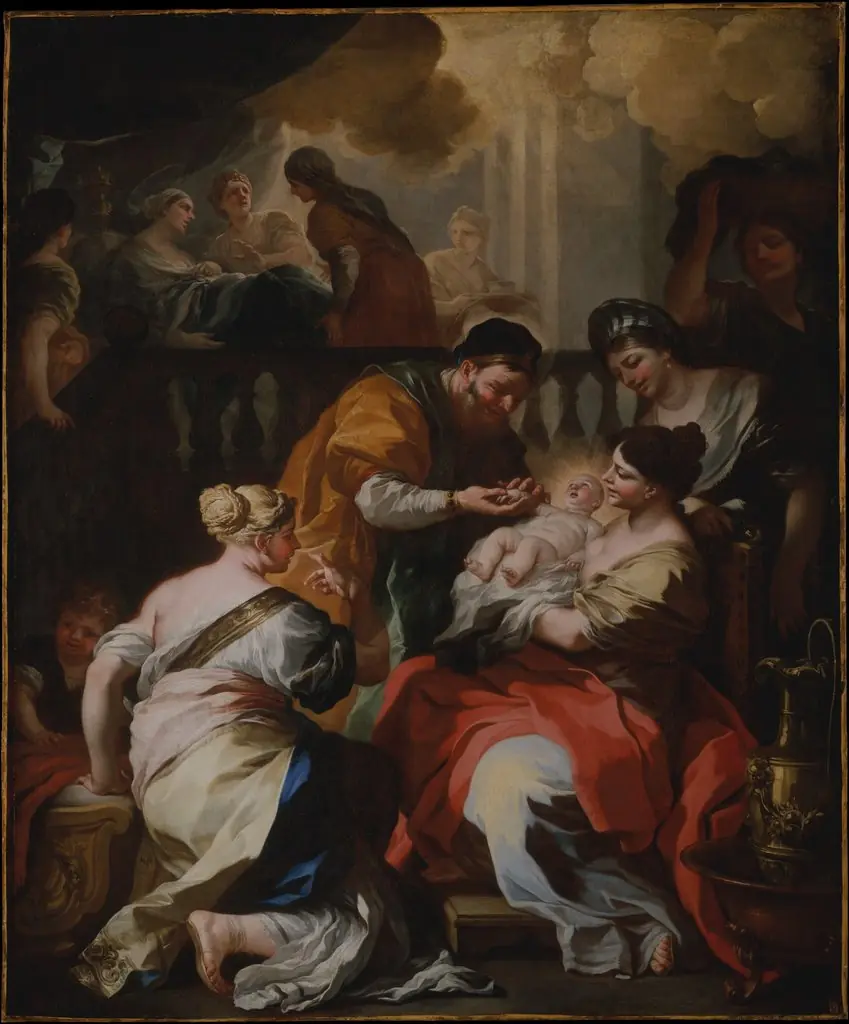
Solimena's use of chiaroscuro creates a dramatic effect, with strong contrasts between light and dark. This technique, influenced by earlier artists like Luca Giordano and Mattia Preti, adds to the emotional intensity of the scene.
Artist & collection
Artist
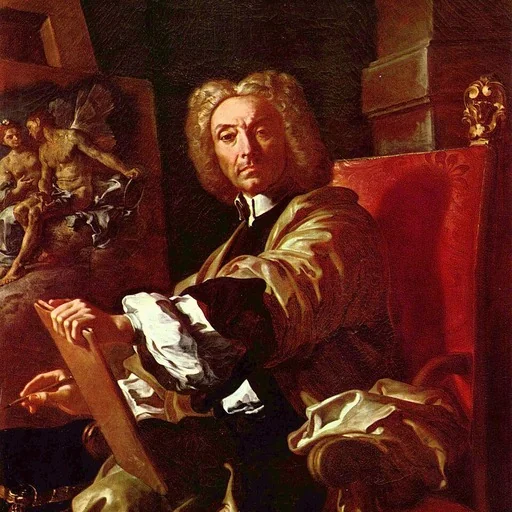
Francesco Solimena (4 October 1657 – 3 April 1747) was a prolific Italian Baroque painter, one of an established family of painters and draughtsmen.