Artwork
清 松年 山水 手卷|Landscape
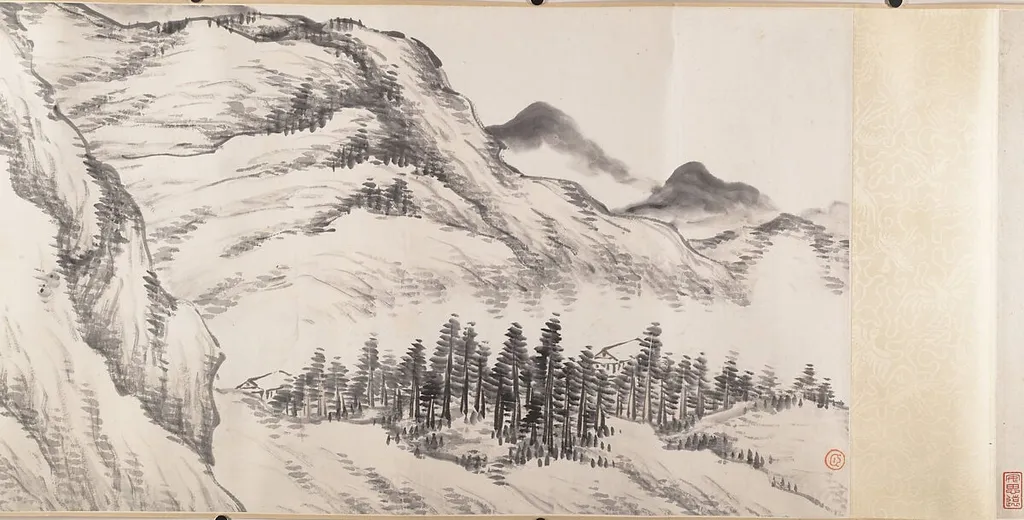
清 松年 山水 手卷|Landscape is an ink painting by the Impressionist artist Song Nian. It dates from 1898 and is held in the collection of the Metropolitan Museum of Art.
About this work
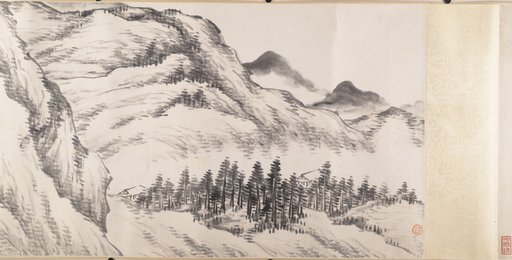
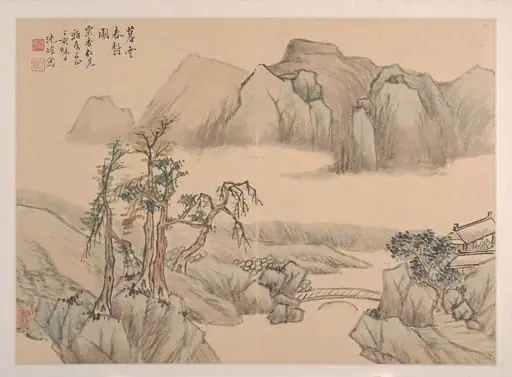
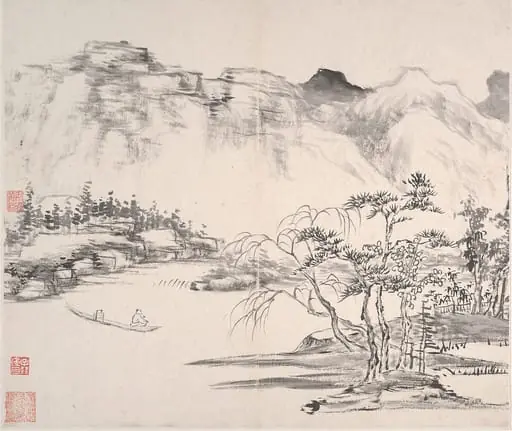
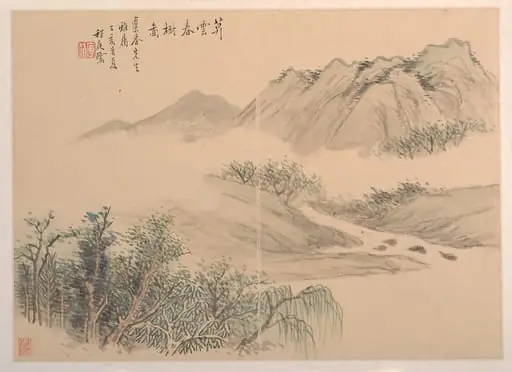
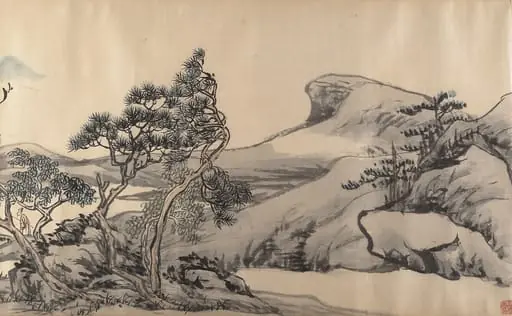
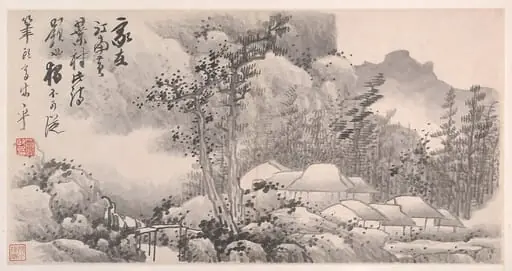
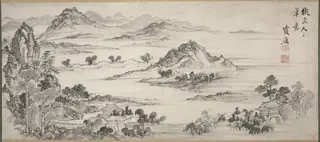
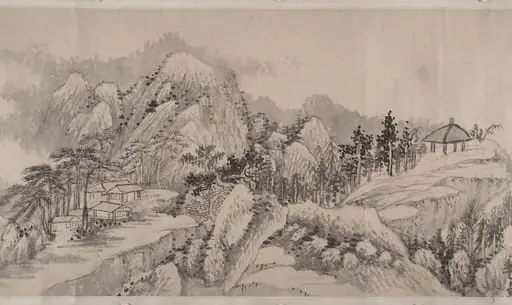
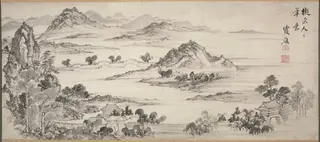
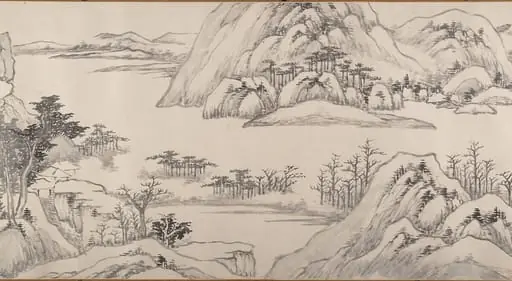
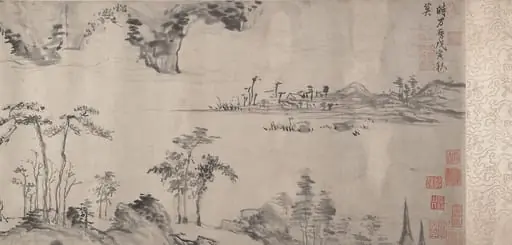
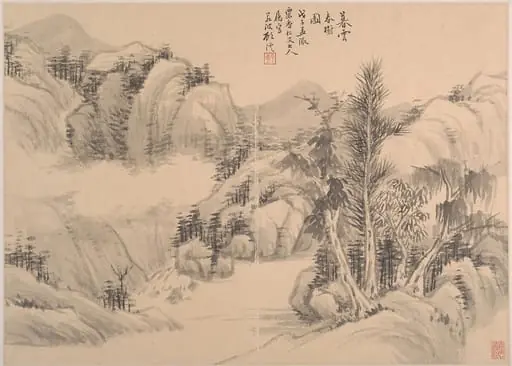
A long, narrow handscroll in ink and soft color on paper: misty mountains, winding rivers, and tiny pavilions tucked between cliffs. Song Nian painted it in 1898, near the end of China's last dynasty. The brushwork is light, almost as if the scene were dissolving into fog. Quiet, never dramatic.
Subject & Meaning
The handscroll by Song Nian, dated 1898, is categorized as a landscape painting that depicts a mountain, according to its classification and Wikidata entry.
The handscroll by Song Nian, dated 1898, is categorized as a landscape painting that depicts a mountain, according to its classification and Wikidata entry. As a work of the landscape genre, it presents a natural scene dominated by a mountain, a common subject in Chinese art that emphasizes the grandeur and enduring qualities of the natural world. The piece is part of the Metropolitan Museum of Art’s collection and was created in China, reflecting the artistic tradition of rendering mountainous terrain in ink and color on paper.
History & Provenance
The handscroll landscape by Song Nian was created in 1898 in China. Executed in ink and color on paper, the work consists of six sections depicting mountains and broader landscape scenes. It is currently held in the collection of the Metropolitan Museum of Art.
The available records establish the date of inception as 1898 and confirm the artist as Song Nian, but they do not provide details regarding the original commission, the specific chain of ownership prior to the museum, or the full provenance history leading to its acquisition.
The handscroll landscape painted by Song Nian in 1898 is held in the collection of the Metropolitan Museum of Art. Located at the museum, this work on paper featuring mountainous scenery is classified within the institution's paintings department. While the artwork's presence in the museum's holdings is established, the provided records do not specify a unique accession or inventory number, nor do they list any past or current exhibitions where the scroll has been displayed.
Overview
Song Nian's Landscape (清 松年 山水 手卷), created in 1898, is a handscroll rendered with ink and subtle color on paper. This painting presents a serene vision of nature, characterized by its long, horizontal format. It invites viewers to explore a continuous panorama of mist-shrouded peaks and flowing waterways, a common and revered subject within Chinese artistic traditions.
Technique & Style
Executed in ink and delicate washes of color on paper, this handscroll demonstrates a refined approach to landscape painting. Song Nian employed light, almost ethereal brushwork, which contributes to the depiction of a scene seemingly dissolving into fog. This technique creates a sense of depth and atmosphere, allowing the forms to emerge softly from the background and enhancing the painting's tranquil mood.
Context
Created in 1898, Landscape dates from the final years of China's Qing Dynasty, a period of significant cultural and political transition. The work reflects the enduring legacy of traditional Chinese landscape painting, a genre deeply rooted in philosophical and aesthetic principles that emphasized the spiritual connection to nature. Song Nian's painting stands as an example of this rich artistic heritage, even as the imperial era drew to a close.
Artist & collection