Artwork
清 張賜寧 設色山水 卷|Landscape
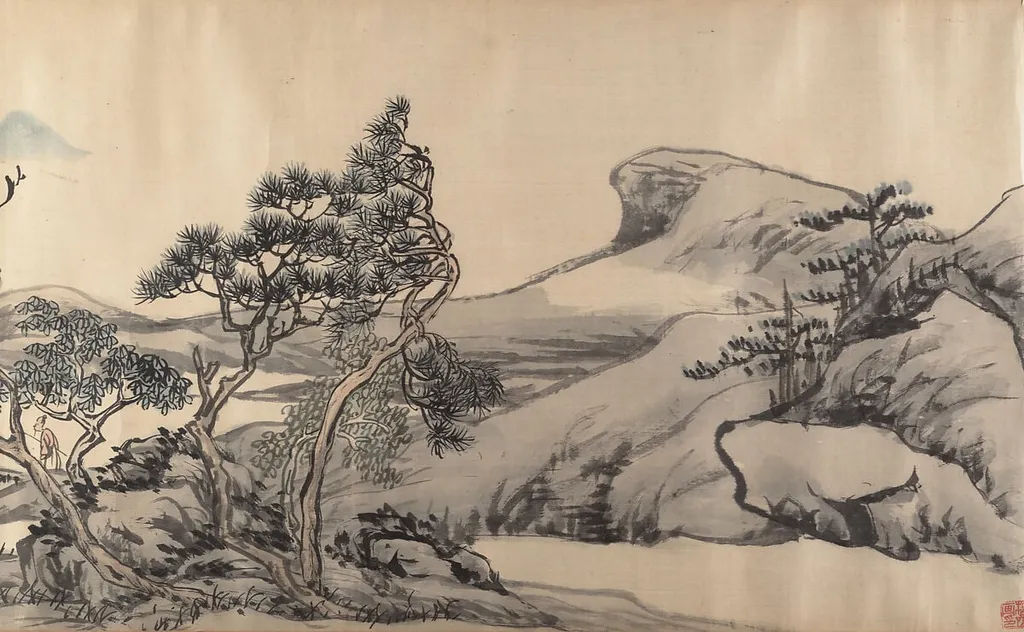
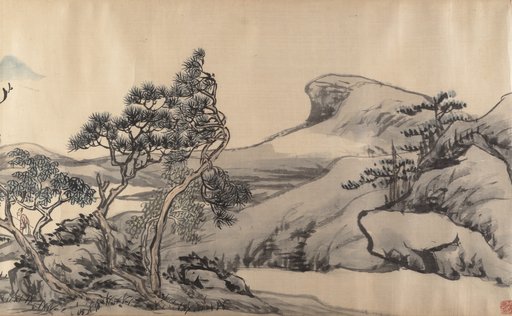
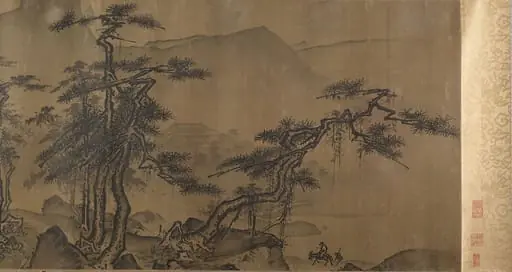
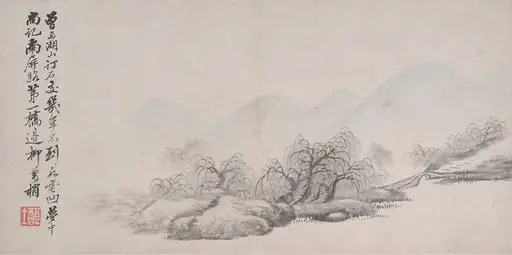
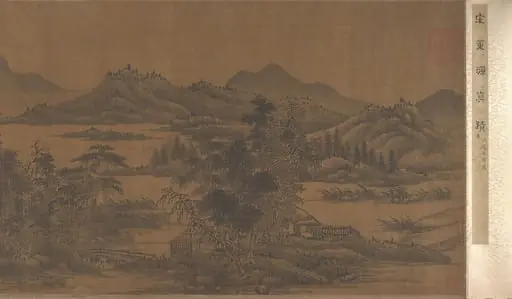
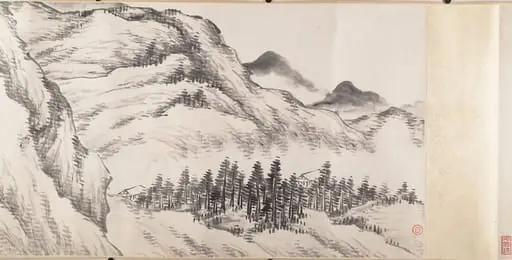
清 張賜寧 設色山水 卷|Landscape is an ink painting by the Qing dynasty painting artist Zhang Cining. It dates from 1807 and is held in the collection of the Metropolitan Museum of Art.
- Accession no.
- 57.100
- Credit line
- Rogers Fund, 1957
About this work
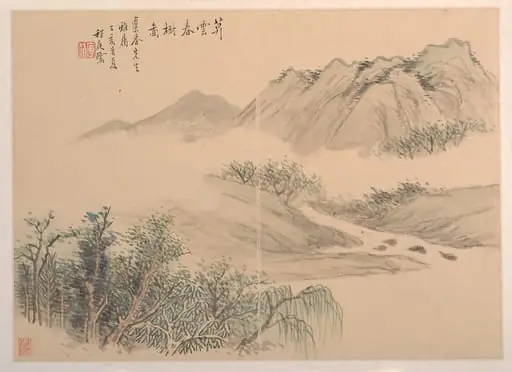
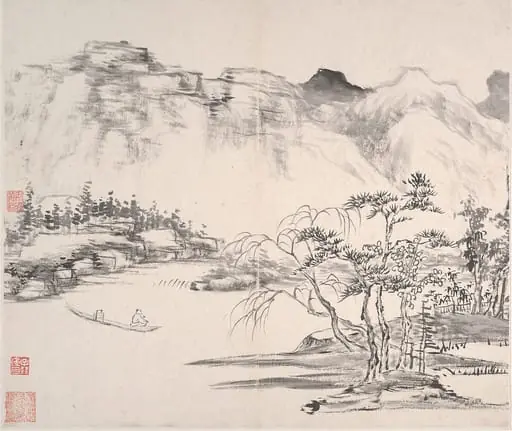
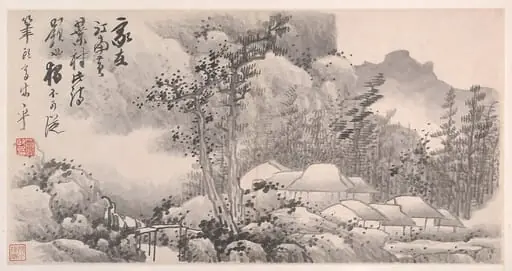
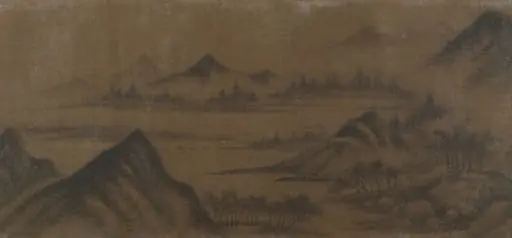
A long handscroll in ink and soft color on silk: rolling hills, tiny trees, and mist blurring the edges. Unsigned, but the Met matched the brushwork to Zhang Cining, who painted it in 1807. Where many artists then copied old masters, he left open space for the eye to rest.
Subject & Meaning
As a landscape painting, the work represents a continuation of classical scenic depiction, emphasizing the arrangement of geological forms and vegetation.
Executed in 1905, this handscroll presents a traditional Chinese landscape composed of hills and trees rendered in ink and color on silk. The iconography adheres to established genre conventions, focusing on natural topography rather than narrative figures or specific historical events. As a landscape painting, the work represents a continuation of classical scenic depiction, emphasizing the arrangement of geological forms and vegetation.
The composition utilizes the horizontal format of the scroll to unfold a continuous view of the terrain, inviting the viewer to traverse the painted environment sequentially. While the specific symbolic intent of individual elements is not explicitly detailed in available records, the collective imagery serves as a representation of the natural world consistent with early twentieth-century Chinese artistic practices.
Technique & Style
Executed in 1905, this landscape handscroll by Zhang Cining utilizes ink and color applied on a silk support. The work measures 41.3 centimeters in height and extends 274 centimeters in width. Stylistically, the composition depicts a continuous natural environment featuring hills and trees, consistent with the landscape genre.
The application of color alongside ink on the delicate silk surface characterizes the material handling of the piece, which originates from China.
Overview
Created in 1807, this handscroll by Zhang Cining (1743–1817) presents a landscape rendered in ink and color on silk. The composition unfolds horizontally, depicting rolling hills, diminutive trees, and atmospheric mist that softens the boundaries between land and sky. Although the work lacks a signature, the Metropolitan Museum of Art attributes it to Zhang based on distinctive brushwork characteristics.
Painted during a period when many Chinese artists adhered strictly to the imitation of ancient masters, this piece reflects Zhang's individual approach to the landscape tradition. The artist, known for his versatility and occasional departure from orthodox styles, employs a palette of soft colors to enhance the ethereal quality of the scene. The scroll format invites a sequential viewing experience, guiding the observer through a continuous, mist-laden terrain.
This work stands as a testament to Zhang Cining's ability to balance traditional landscape elements with a personal, expressive touch, distinguishing his output from the more rigid academic styles prevalent in early 19th-century China.
History & Provenance
Although this handscroll lacks a signature from the artist, its distinctive brushwork has been identified by the Metropolitan Museum of Art as consistent with the style of Zhang Cining. This attribution places its creation in 1807. Such scholarly analysis is crucial for establishing the authorship of unsigned works from this period, linking the painting to a specific artistic practice within early 19th-century China and ensuring its place in art historical records.
Context
In 1807, when this landscape was painted, many Chinese artists were primarily engaged in emulating the styles of revered old masters. Zhang Cining, however, pursued a more understated aesthetic. His work distinguishes itself by prioritizing open compositions and a sense of calm, diverging from the prevailing trend of direct imitation. This approach offered a quieter, more personal interpretation of traditional landscape themes, providing visual respite.
Artist & collection