Artwork
West Lake
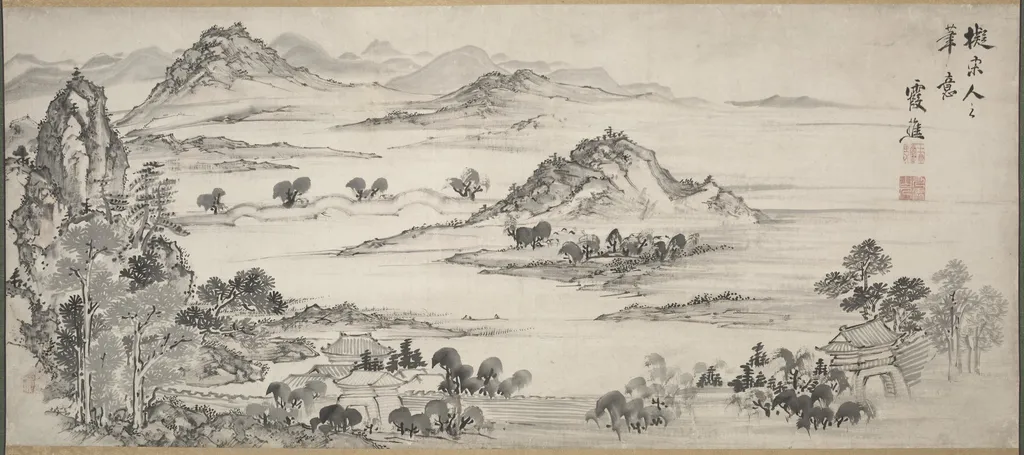
West Lake is an unspecified painting by the Rococo painting artist Ike Taiga. It dates from 1758 and is held in the collection of the Cleveland Museum of Art.
About this work
Subject & Meaning
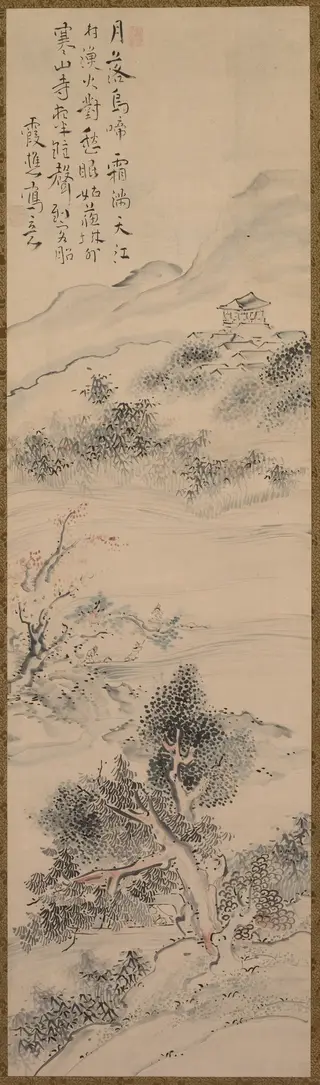
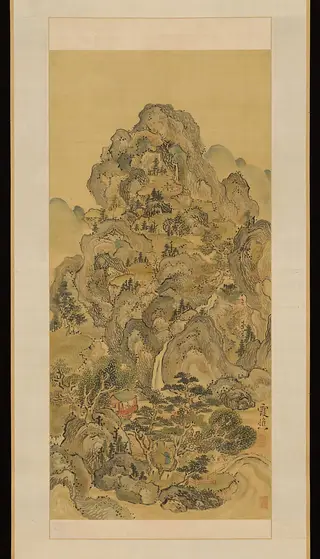
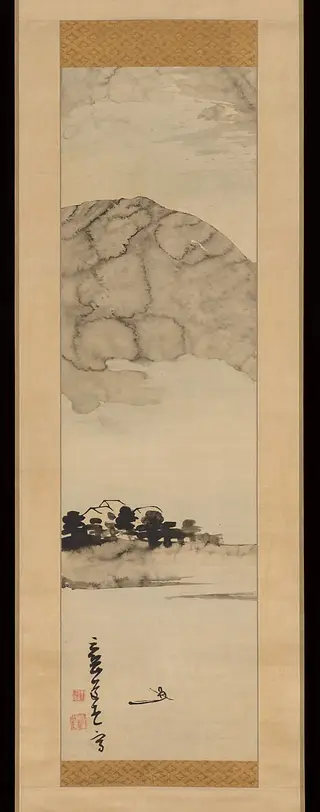
The painting titled West Lake, executed by Ike no Taiga in 1758, portrays the iconic Chinese landscape of West Lake as rendered through a Japanese artistic lens. According to the documented description, the composition includes a mountain and a tree, elements that evoke the serene natural scenery associated with the lake and its cultural symbolism of tranquility and poetic inspiration. Created in Japan and now housed in the Cleveland Museum of Art, the work reflects the transregional appreciation of this celebrated site, using its characteristic topography to convey themes of natural beauty and contemplative stillness.
History & Provenance
The painting West Lake by Ike no Taiga, created in 1758, is held in the collection of the Cleveland Museum of Art in Cleveland, United States.
West Lake is dated to 1758 and attributed to Ike no Taiga, a Japanese painter active in the mid-eighteenth century. The painting entered the collection of the Cleveland Museum of Art in Cleveland, Ohio, where it remains located. Its creation history situates the work within a broader oeuvre of landscape paintings produced by the artist during the late 1750s.
No documented commission or early ownership details prior to its acquisition by the museum are recorded in available records.
The painting West Lake by Ike no Taiga, created in 1758, is held in the collection of the Cleveland Museum of Art in Cleveland, United States. The work is cataloged under the accession number 1970.69. While the sources confirm its current location and inventory details within the museum's holdings, no specific exhibition history or past display records are provided in the available documentation.
The artwork, classified as a painting depicting mountains and trees, remains part of the permanent collection at the Cleveland Museum of Art.
Overview
Ike no Taiga, a Japanese painter and calligrapher, completed "West Lake" in 1758 during the Edo period. This painting is a notable example of the bunjinga (or nanga) genre, which integrated classical Chinese artistic traditions with Japanese sensibilities. The artwork depicts a serene landscape featuring mountains, trees, and water, conveying a sense of tranquility. It is presently held in the collection of The Cleveland Museum of Art.
Technique & Style
Rendered in a monochromatic scheme, "West Lake" employs a range of gray and white tones to articulate its forms and mood. Ike no Taiga utilized delicate brushstrokes to suggest the soft textures of the trees and the ethereal quality of mist enveloping the distant mountains. This nuanced approach, characteristic of the bunjinga style, contributes to the artwork's refined aesthetic and serene overall effect.
Context
As a leading exponent of bunjinga, Ike no Taiga played a crucial role in its development during the 18th century. This genre, often referred to as literati painting, emphasized personal expression and a deep connection to nature, drawing heavily from Chinese models while adapting them to a Japanese context. Taiga's work, including "West Lake," reflects this blend of traditional influence and innovative interpretation.
Artist & collection

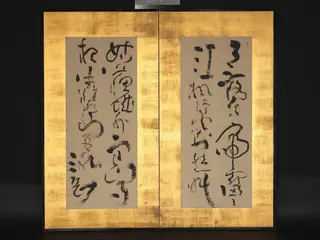
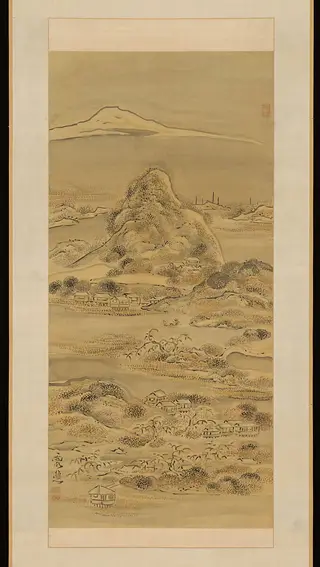
- West Lake
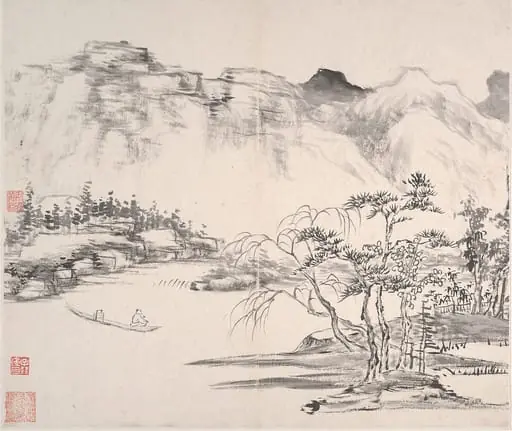 清 伊秉綬 山水 冊|Landscapes
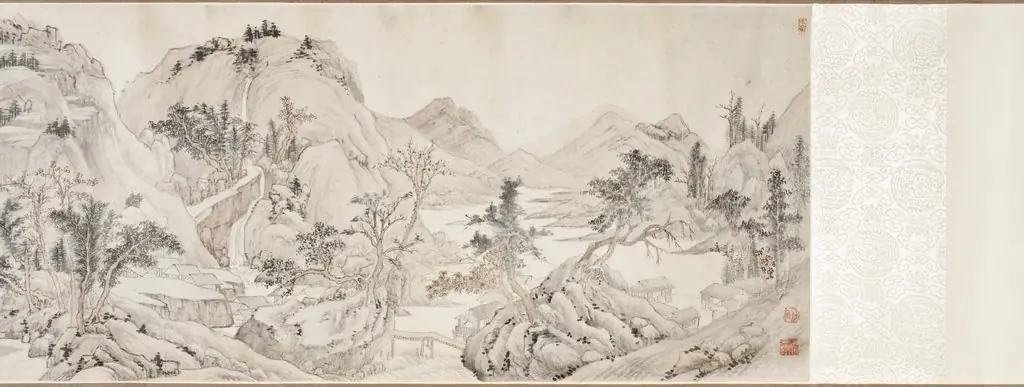 Dream Journey among Rivers and Mountains, Number 150
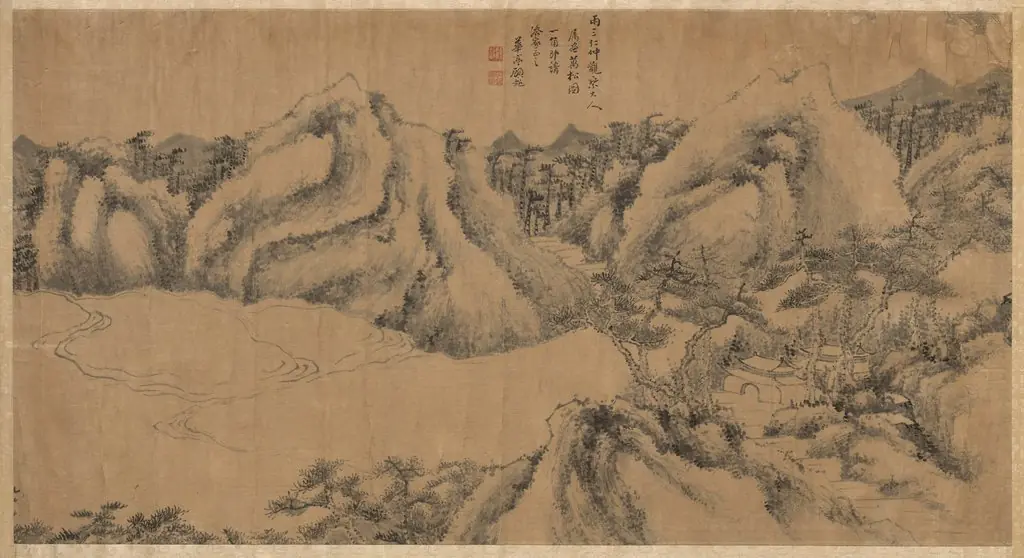 Pine-shaded Monastery on a Cloudy Mountain
 Pine-shaded Monastery on a Cloudy Mountain
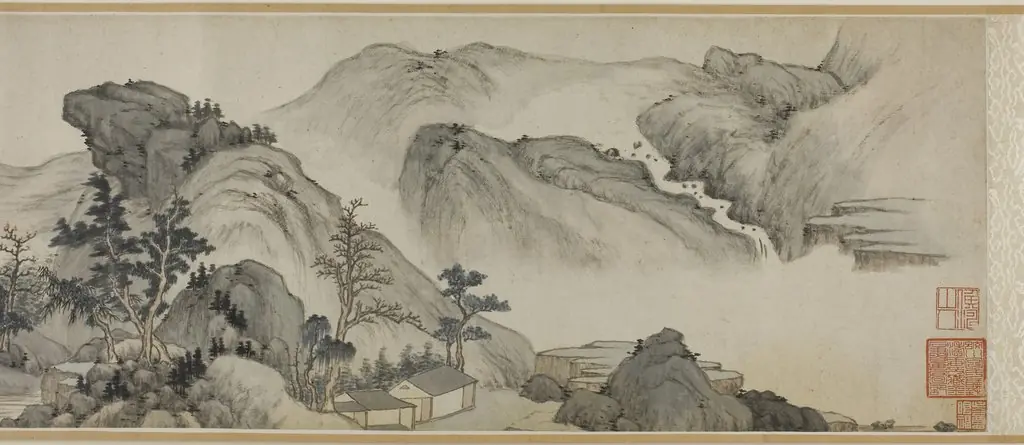 Recluse Dwellings in the Autumn Mountains
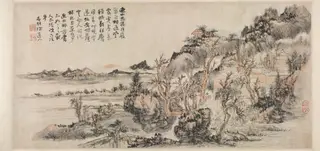 Spring Landscape
 Baoyang Lake
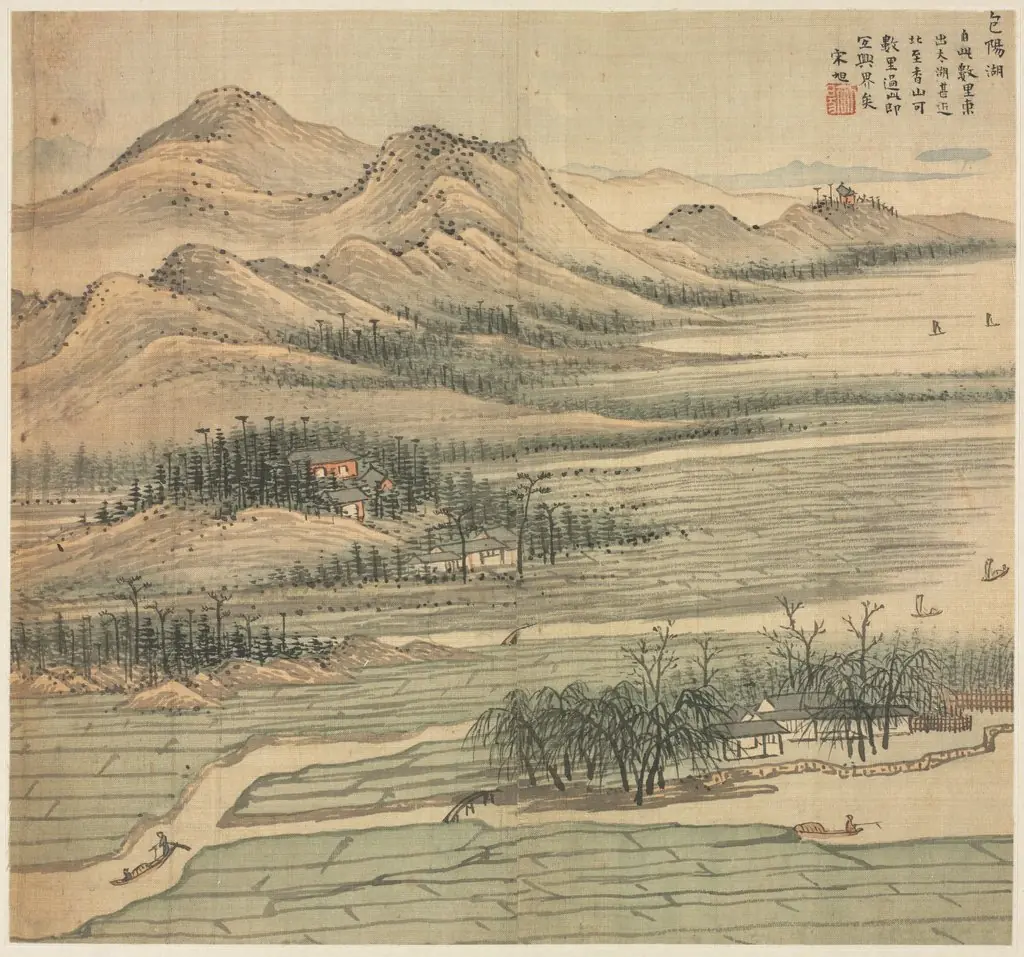 Baoyang Lake
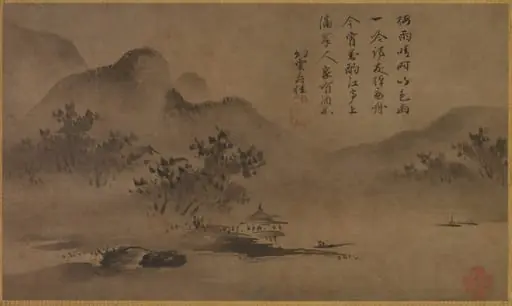 Landscape
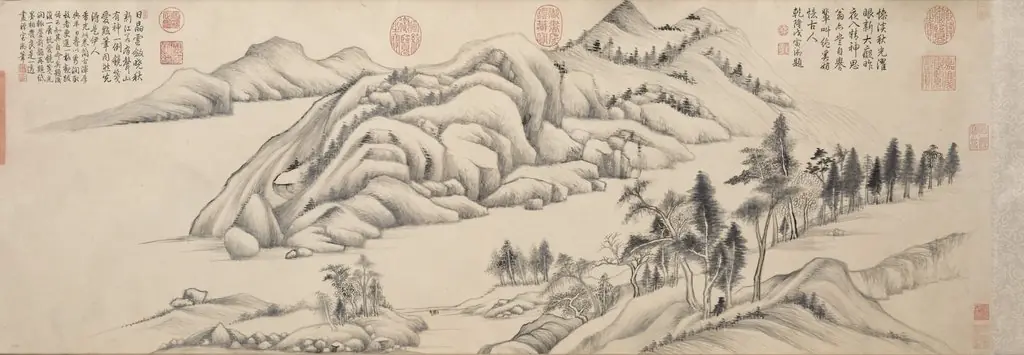 River and Mountains on a Clear Autumn Day
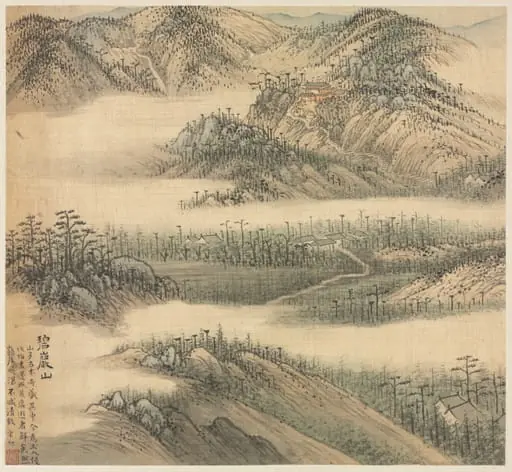 Mt. Biyan (Green Cliff)