Artwork
Fay Compton (possibly as Crawford in <i>This Woman Business</i> by Benn W. Levy)
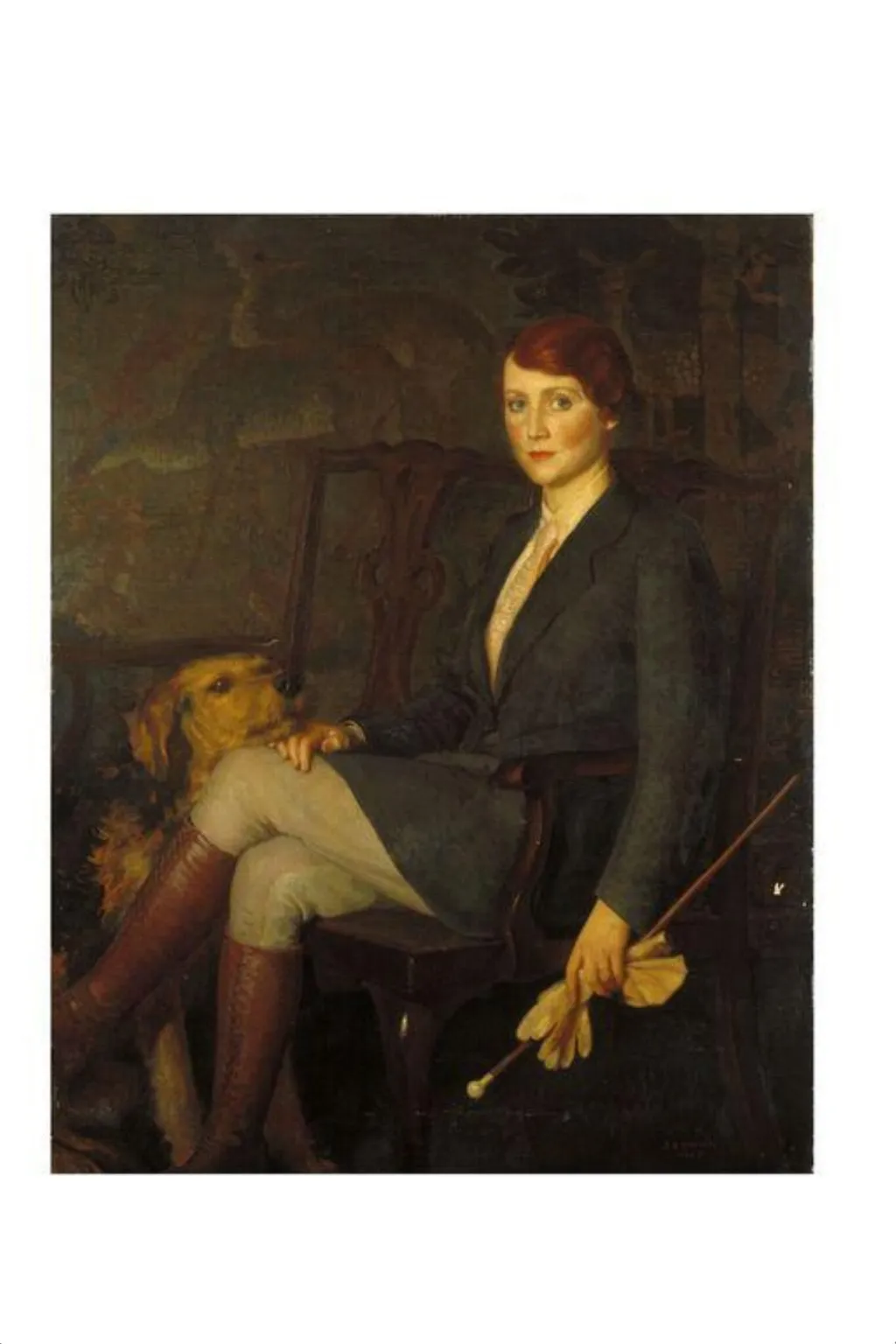
Fay Compton (possibly as Crawford in <i>This Woman Business</i> by Benn W. Levy) is a paint painting by the Art Brut artist John Bulloch Souter. It dates from 1927 and is held in the collection of the Victoria and Albert Museum. An oil painting from 1927 portrays Fay Compton in a seated, three-quarter view, facing the viewer with direct eye contact.
About this work
The painting looks like it was made around 1927, but no one’s sure who the woman is exactly.
A woman sits on a wooden chair, dressed in a dark suit with a white collar peeking out. Her short red hair is neatly styled, and she holds a riding crop in one hand. A brown dog lies relaxed beside her, its head resting on her lap. The background is dark and blurry, focusing all attention on her.
The painting looks like it was made around 1927, but no one’s sure who the woman is exactly. The artist focused on her confident pose and the simple details of her outfit.
Check out the Victoria and Albert Museum to see this painting in person.
Overview
An oil painting from 1927 portrays Fay Compton in a seated, three-quarter view, facing the viewer with direct eye contact. She is rendered against a deep, indistinct background that isolates her figure and emphasizes her composed posture. The work captures her in equestrian attire, suggesting a blend of elegance and practicality, with subtle attention to texture and form.
Subject & Meaning
Fay Compton, a noted British stage actress, is depicted not in theatrical costume but in riding gear, signaling a private, offstage identity. The presence of a dog at her knees and the held riding crop convey quiet authority and familiarity with equestrian life. The image resists dramatic flourish, instead presenting her as self-possessed and grounded, reflecting a modern femininity of the interwar period.
Technique & Style
The artist employs loose, confident brushwork to define fabric and form, with the grey jacket and white collar rendered in muted tones that contrast against the dark background. The dog’s fur is suggested with soft strokes, while the gloves and crop are rendered with precise detail. Lighting is even and subtle, avoiding theatrical shadows to maintain an intimate, observational tone.
History & Provenance
The painting was donated to the British Theatre Museum Association in 1970, likely as part of an effort to document theatrical figures beyond the stage. Its origins prior to this donation are undocumented, though its subject’s prominence in 1920s theatre suggests it was commissioned or created by a contemporary artist familiar with Compton’s public persona.
Context
In the late 1920s, British actresses like Compton were increasingly visible as independent figures, both on stage and in public life. Depictions of them in leisure attire, such as riding clothes, reflected broader cultural shifts toward women’s autonomy and active lifestyles. This portrait aligns with a trend of portraying female performers with dignity outside the confines of their roles.
Legacy
The painting remains a quiet testament to Compton’s presence beyond the spotlight. Held in the collection of what is now the Victoria and Albert Museum, it contributes to the visual record of early 20th-century theatre personalities, offering insight into how performers were seen in their personal moments, not merely as characters.
Artist & collection
Artist
Scottish painter John Bulloch Souter made portraits of people in the 1920s. Try his 1927 painting Fay Compton (possibly as Crawford in This Woman Business by Benn W. Levy), it shows a woman in stylish 1920s clothing,…

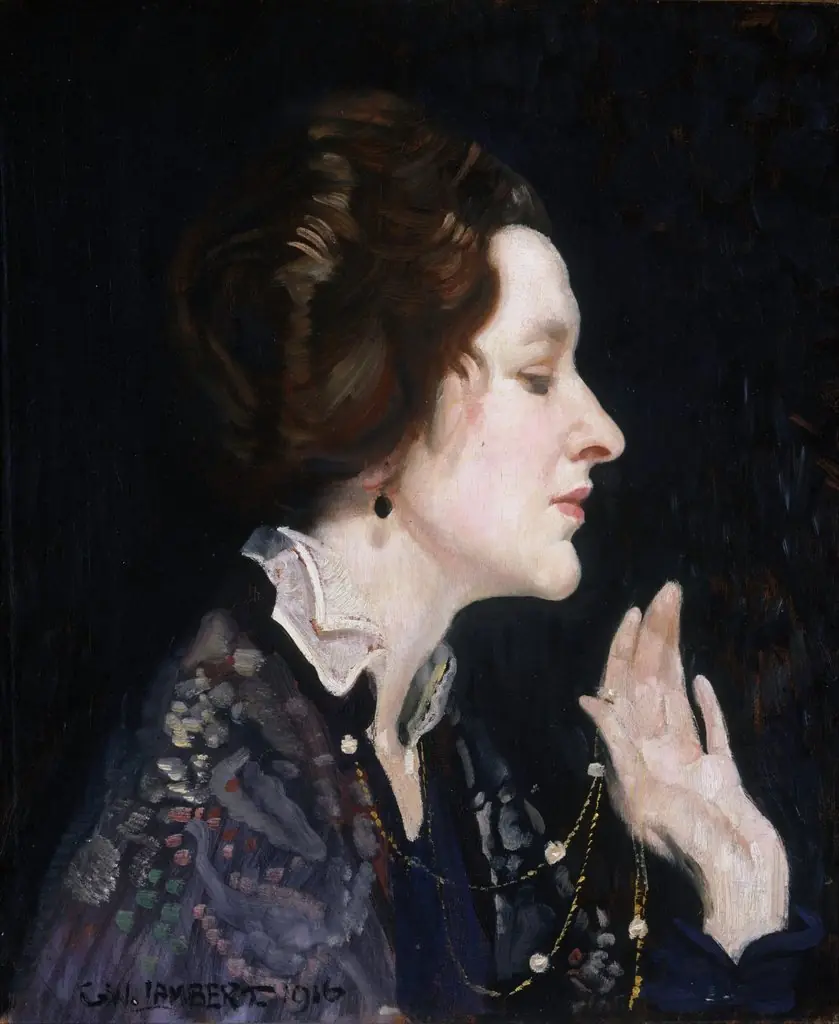 Portrait of a lady (Thea Proctor)
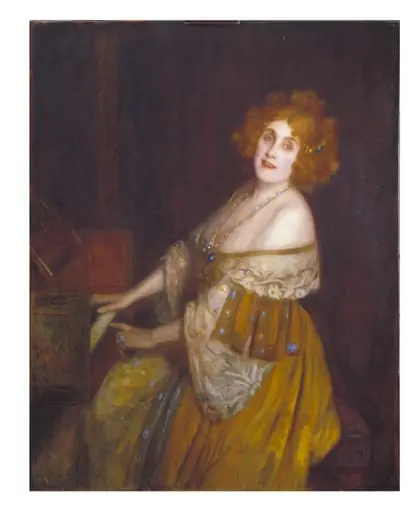 Julia Neilson as Nell Gwyn in <i>Sweet Nell of Old Drury</i> by Paul Kester
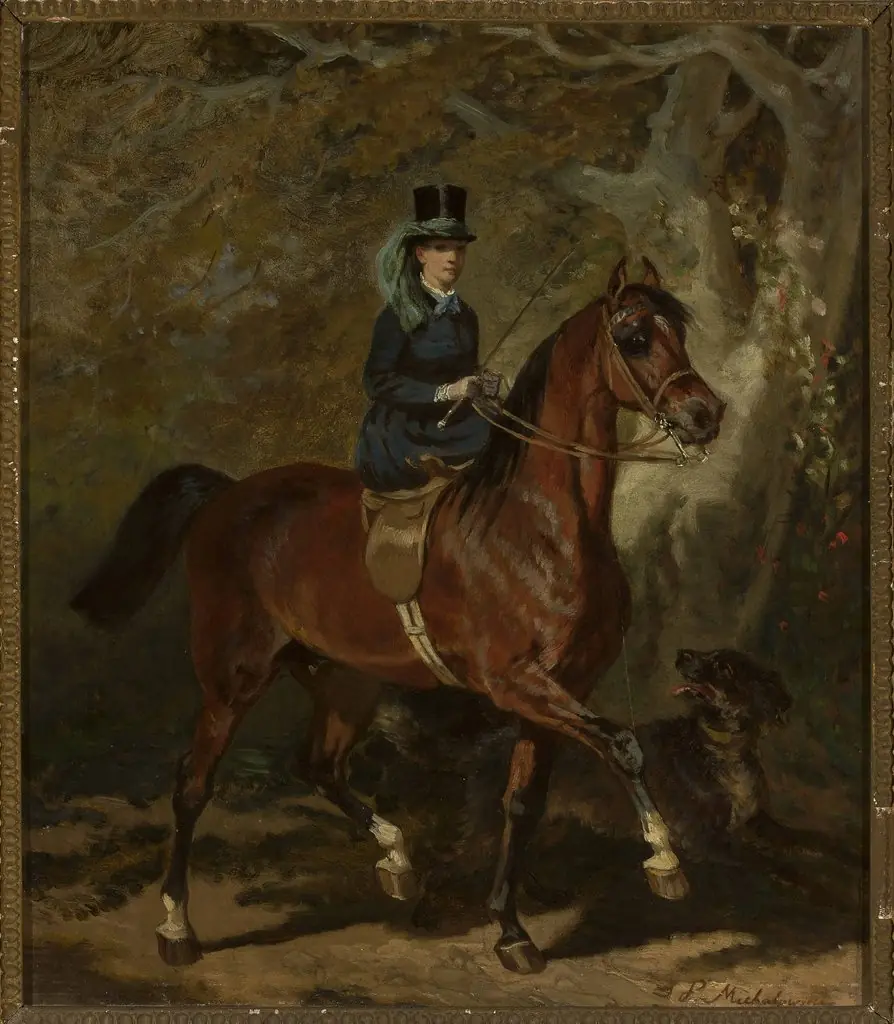 Amazon woman
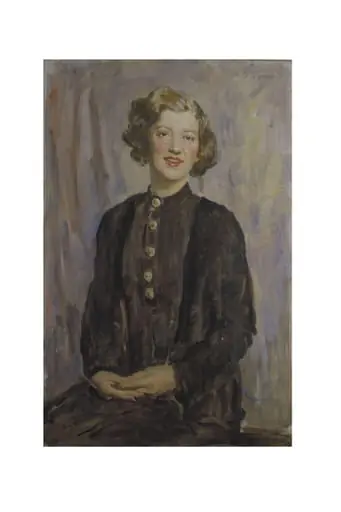 Lucille Lisle
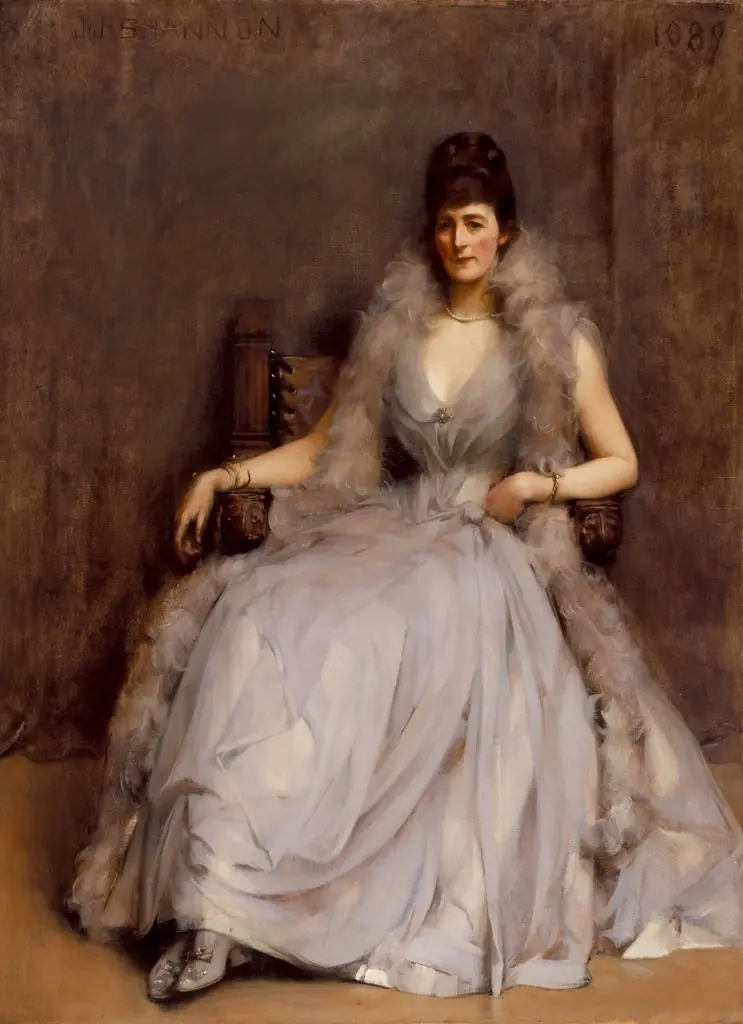 Portrait of Cecilia Tower
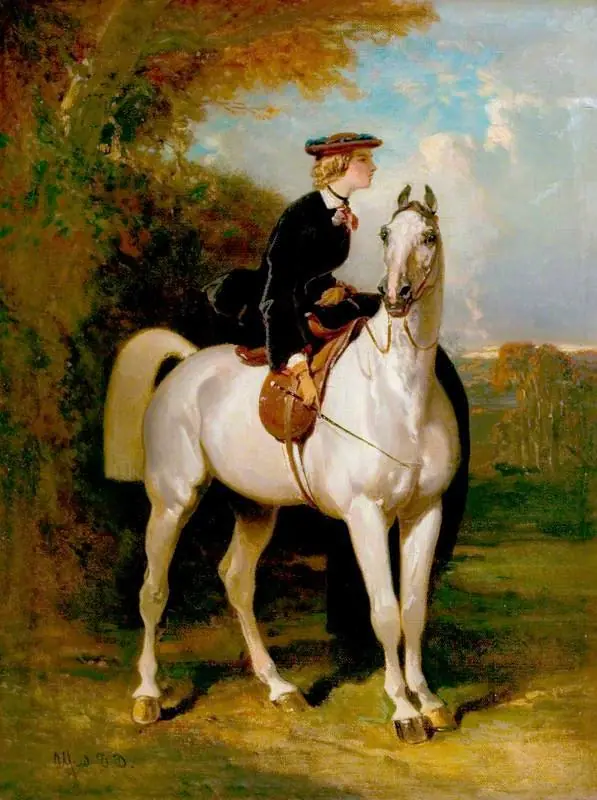 A Fair Equestrian
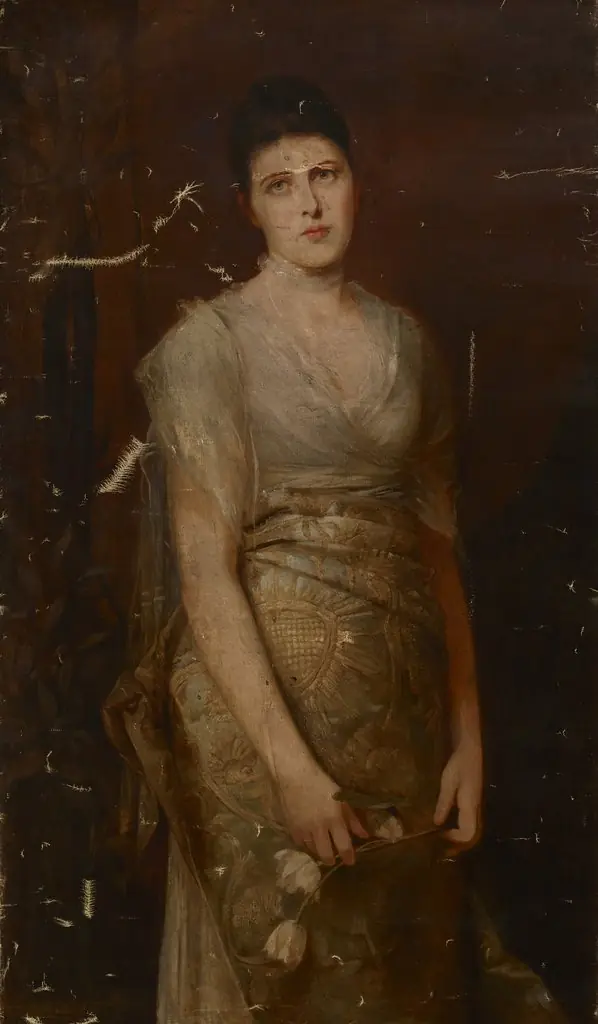 Portrait of Alicja Worms
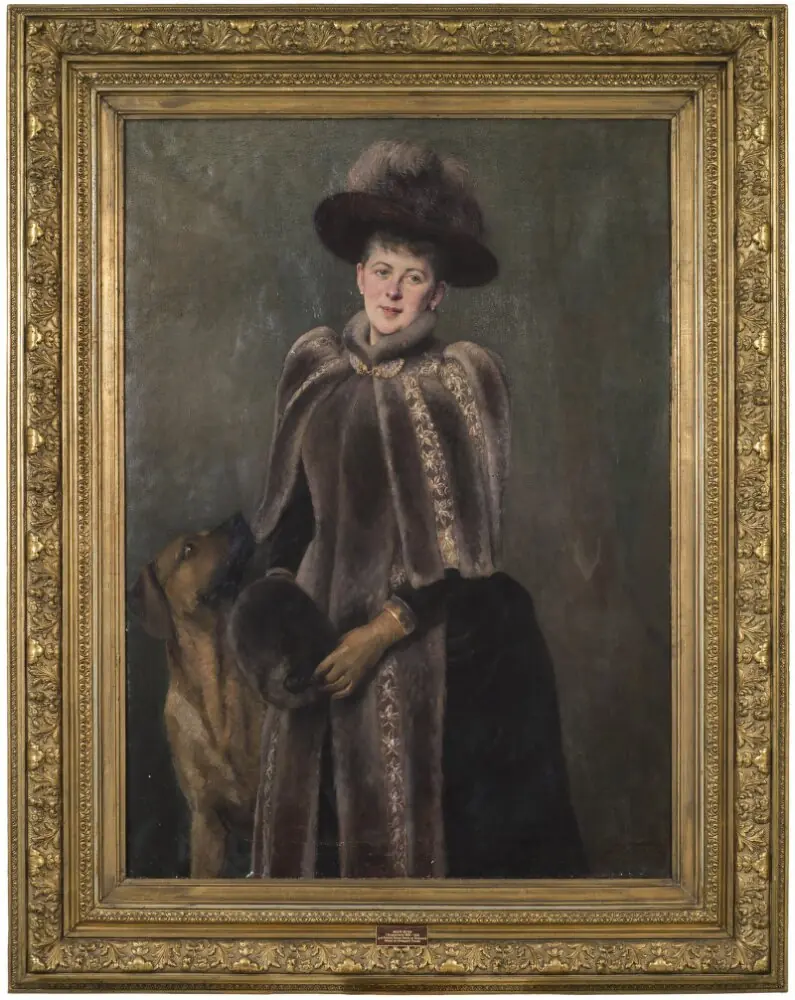 Beate Rosencrantz (1855-1925), g.m. Patrick Baron Seton
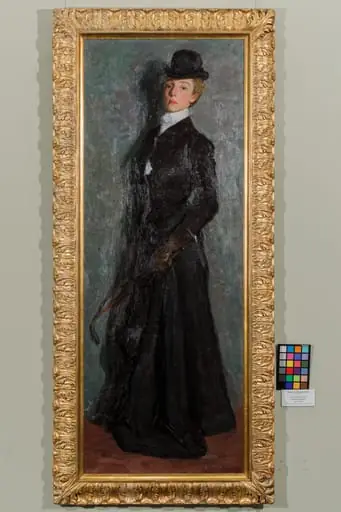 Femeie în costum de călărie
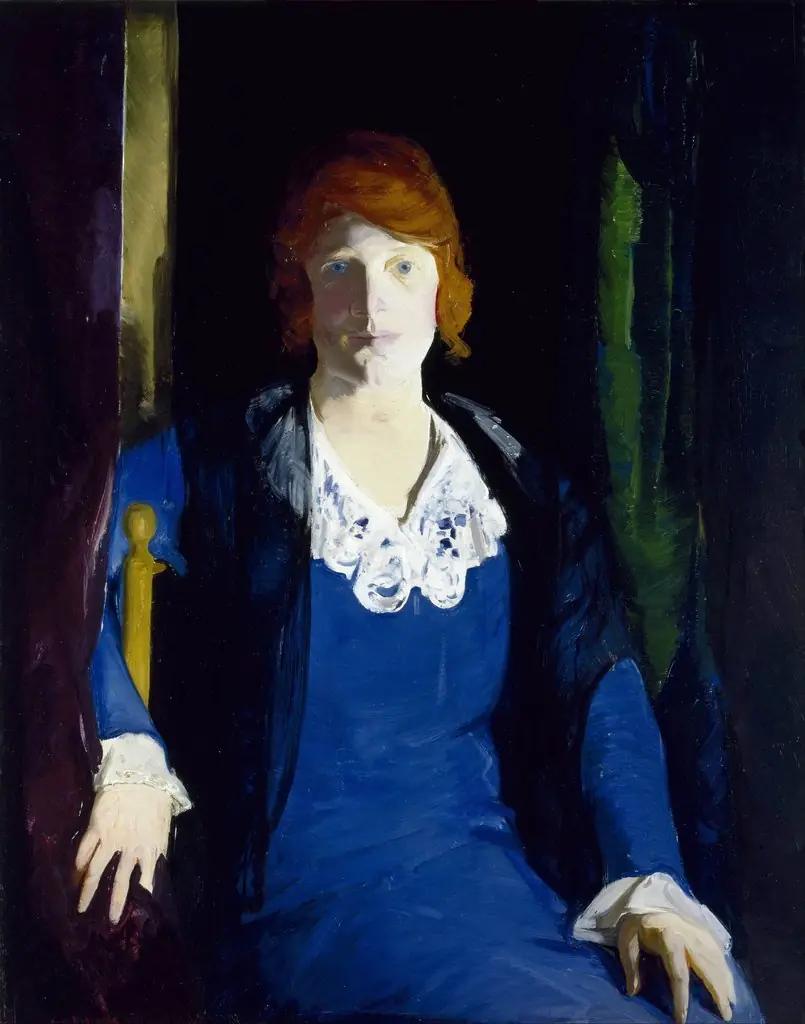 Portrait of Florence Pierce
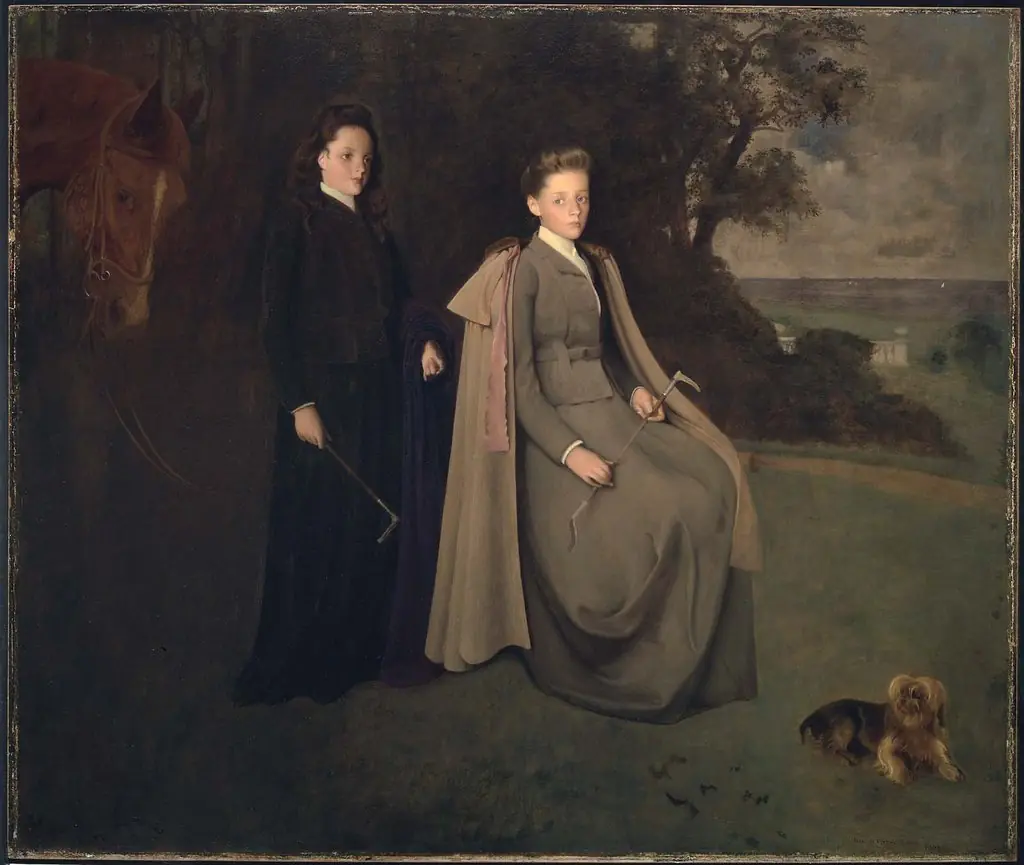 The Thomas Sisters (Margaret Thomas Gardiner and Helen Thomas Warren)
- Ethel Irving as Lady Frederick Berolles in <i>Lady Frederick</i> by William Somerset Maugham