Artwork
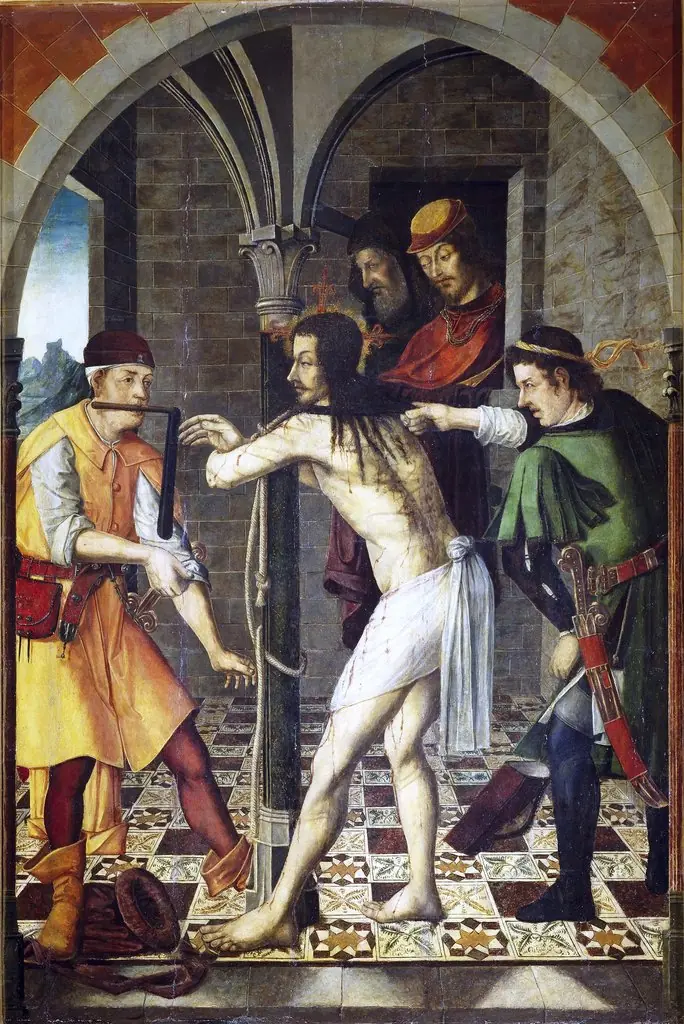
The Flagellation
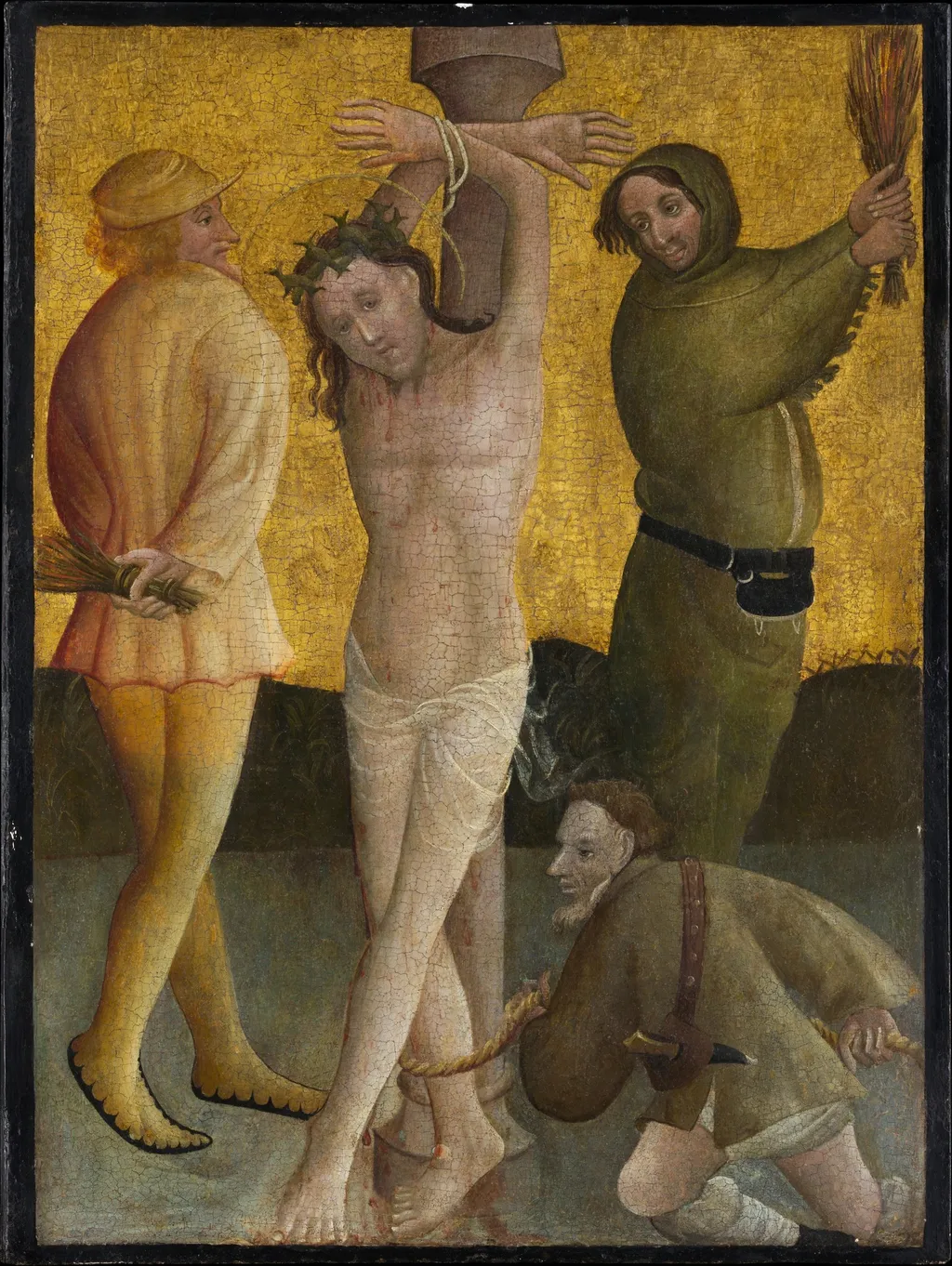
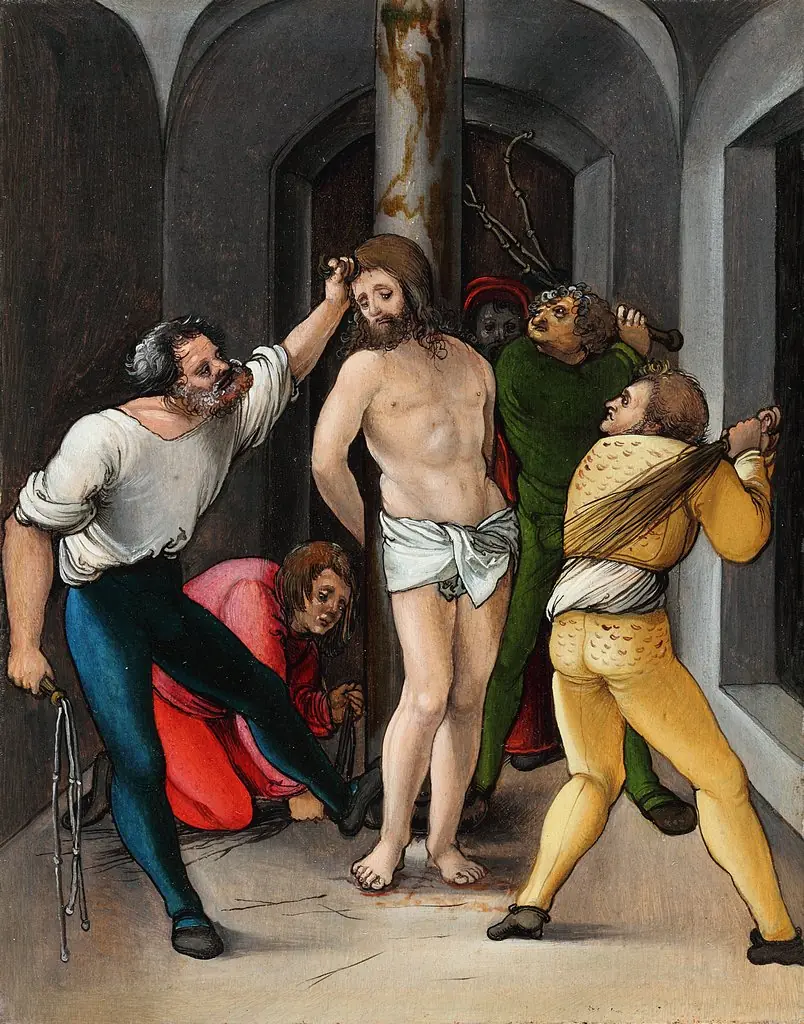
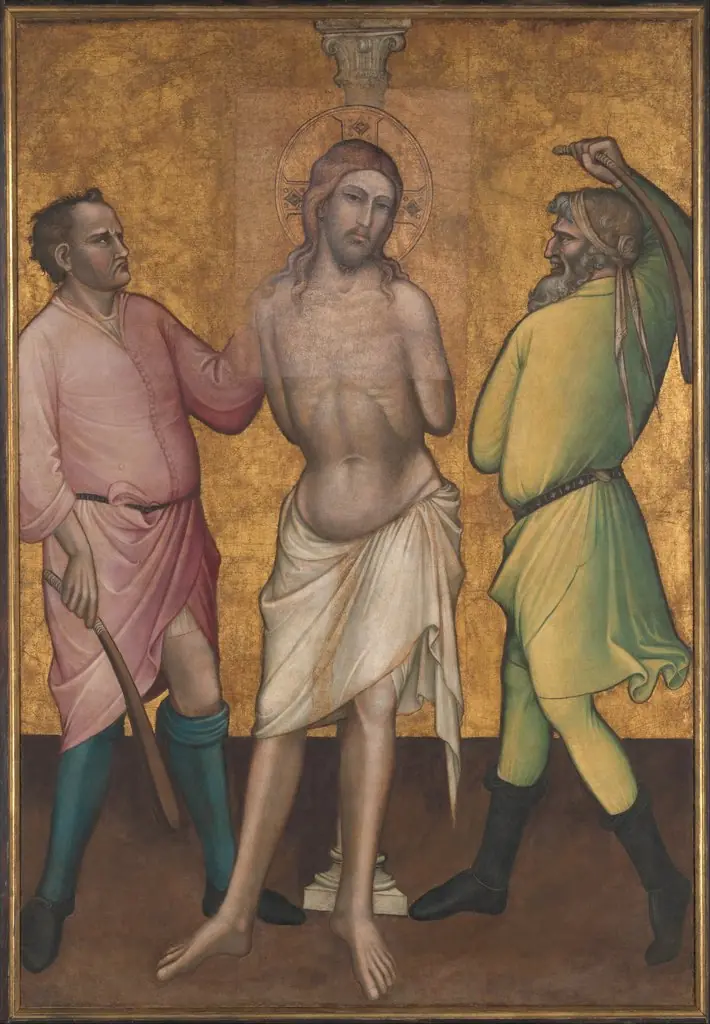
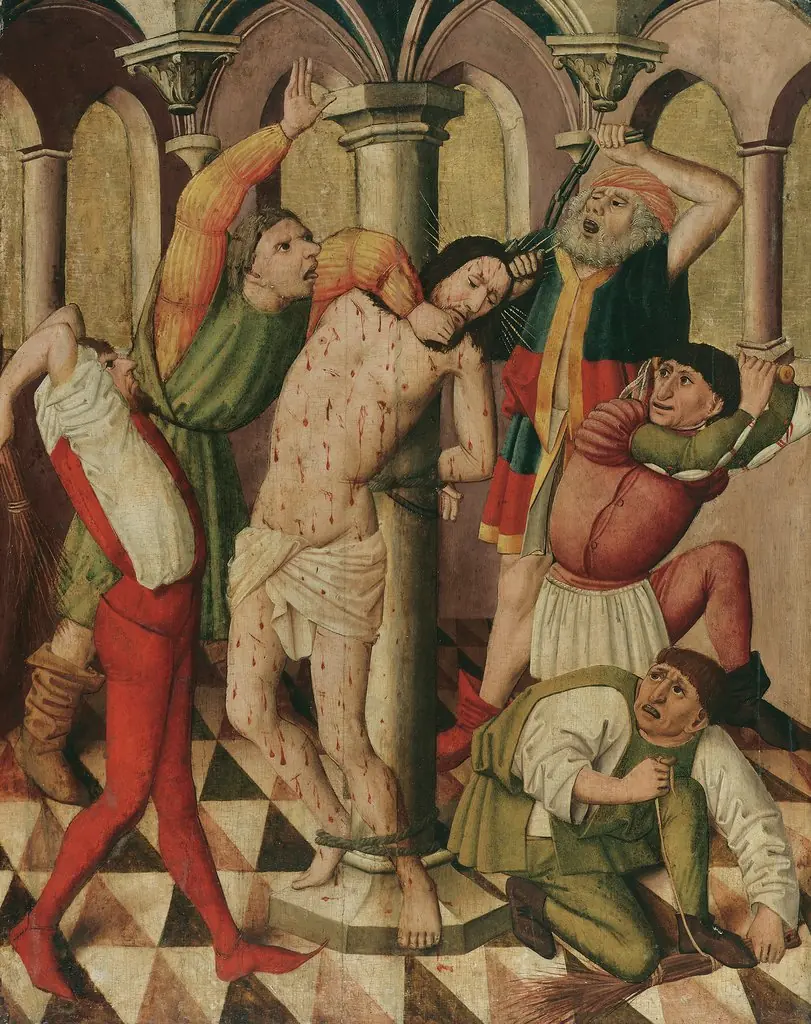
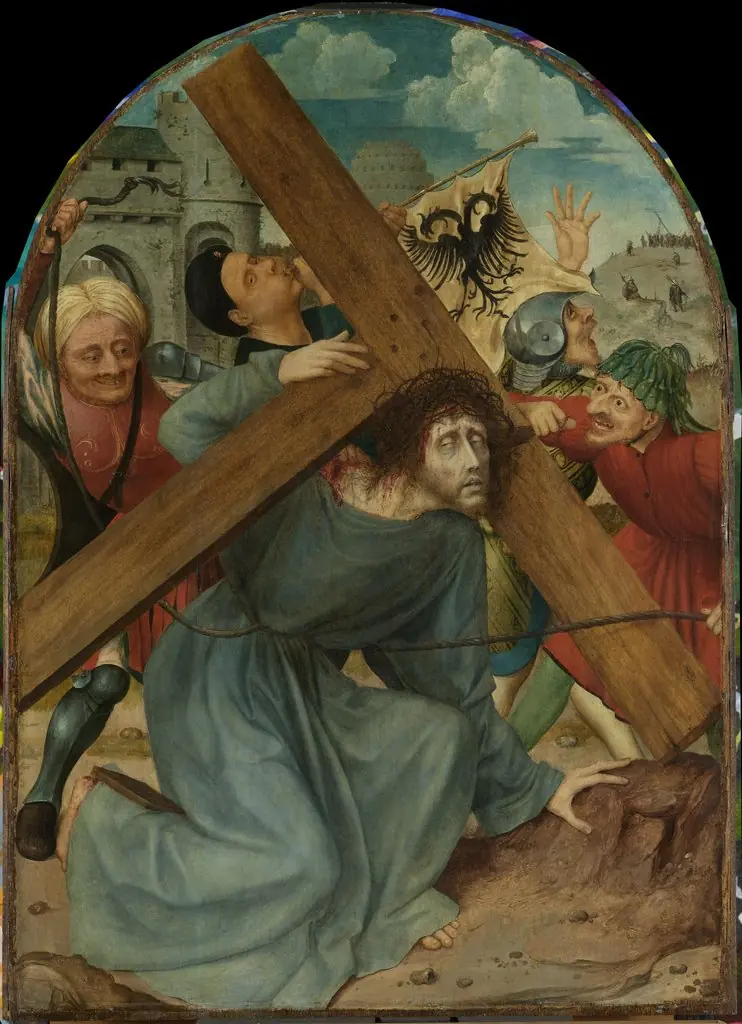
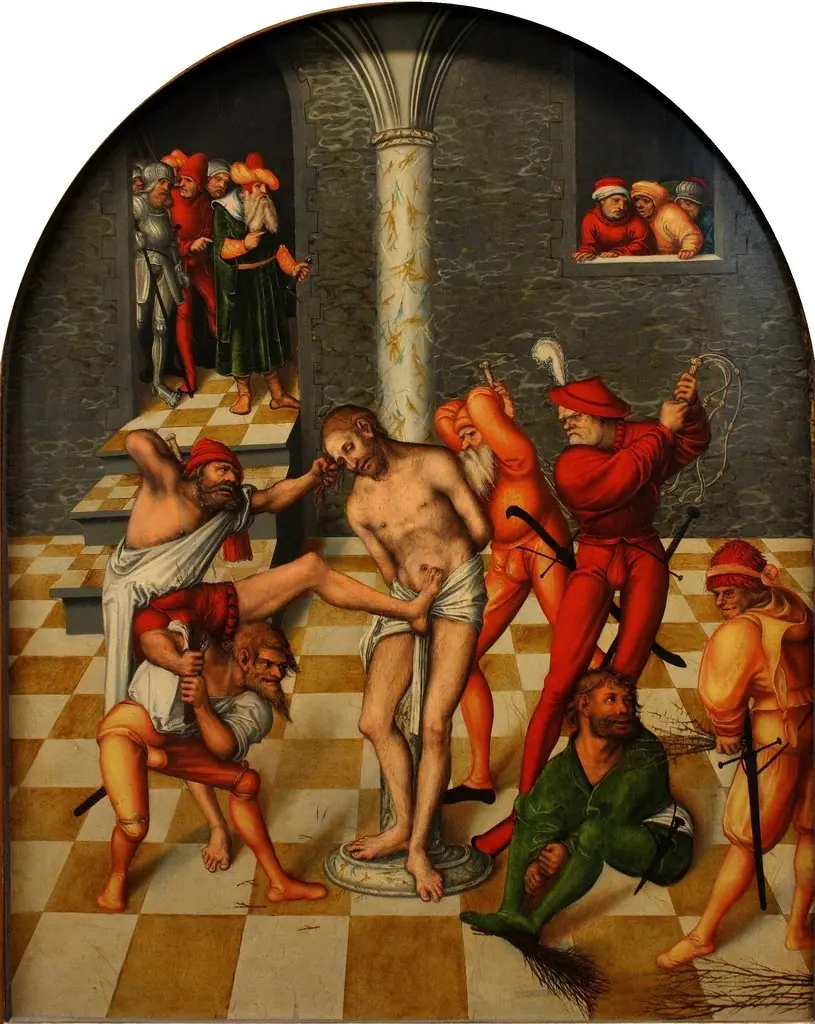
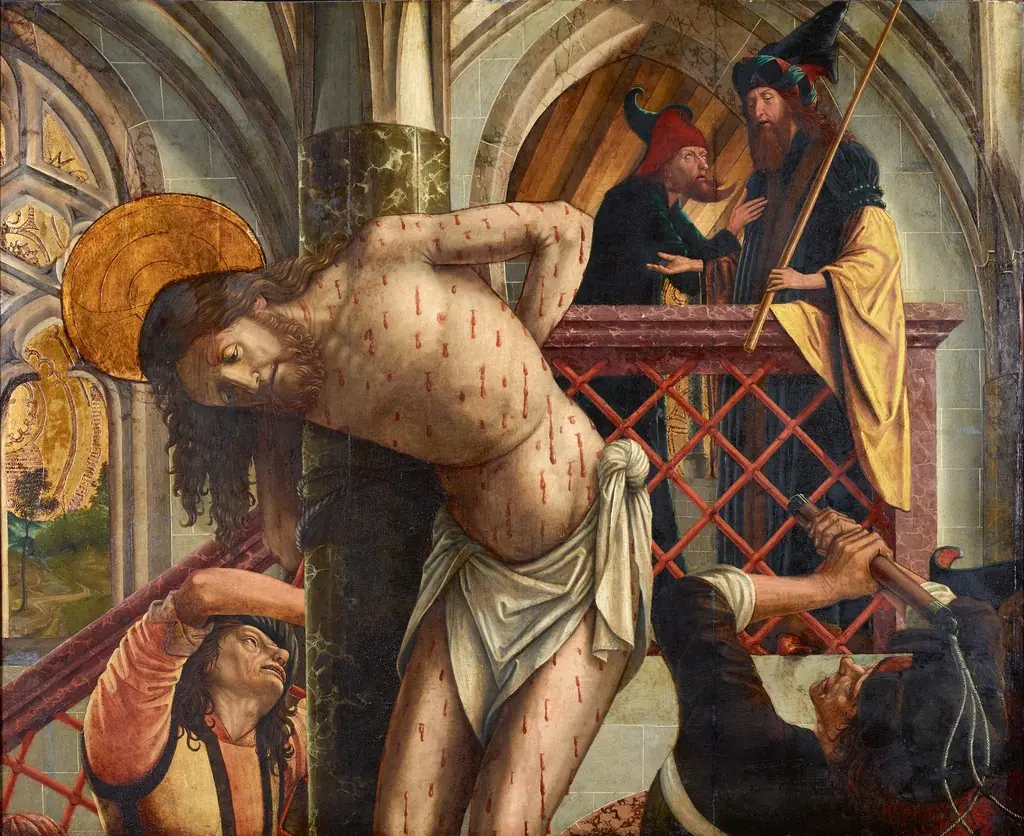
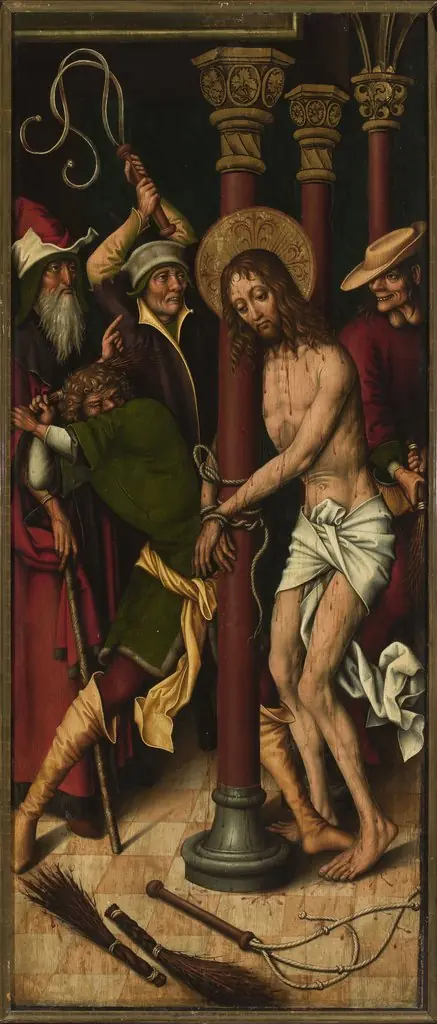
The Flagellation is an oil painting by the Northern Renaissance artist Master of the Berswordt Altar. It dates from 1400 and is held in the collection of the Fitzwilliam Museum.
About this work
Subject & Meaning
The work's primary iconography focuses on the physical suffering of Jesus Christ, depicting him alongside other male figures in a scene of religious devotion.
Created around 1400 by the Master of the Berswordt Altar, this tempera painting illustrates the Flagellation of Christ, a pivotal event in Christian Passion narratives. The work's primary iconography focuses on the physical suffering of Jesus Christ, depicting him alongside other male figures in a scene of religious devotion. As a piece of religious art, the image serves as a visual meditation on the torment endured by the central figure prior to his crucifixion.
The composition utilizes traditional elements of the period to convey the gravity of the biblical account, emphasizing the human and divine aspects of the suffering depicted.
Technique & Style
The work is a small rectangular panel measuring 57.8 cm by 42.9 cm, painted in tempera on plywood and embellished with gold leaf. Its surface bears the characteristic flatness and linear emphasis of International Gothic religious imagery, focusing on the flagellation of Christ. The composition is tightly framed, with a restrained palette that heightens the emotional intensity of the scene.
Formal analysis notes the careful handling of space and the stylized rendering of figures, typical of early 15th‑century Central European painting.
The technique combines tempera pigment with delicate gold leaf application, creating a luminous effect across the wooden support. The work’s condition reflects careful preservation, maintaining original surface details despite its age.
History & Provenance
The Flagellation is held in the collection of the Metropolitan Museum of Art, New York, where it is recorded under the accession number 47.101. The painting entered the museum in 1947 as a gift of George and Hertha Katz.
It was previously exhibited in the Exhibition of British Primitive Paintings, which documented its display in a British context before its acquisition by the museum.
Context
Created around 1400, The Flagellation is attributed to the Master of the Berswordt Altar, an anonymous painter active in the late Gothic period. The work is executed in tempera and oil paint on plywood, often incorporating gold leaf, and depicts the Flagellation of Christ within the tradition of religious art. Its historical significance is underscored by its inclusion in the Exhibition of British Primitive Paintings, a show that helped define the category of early Northern European panel painting for modern audiences.
The painting's provenance includes ownership by collectors such as George and Hertha Katz before entering major institutions like the Metropolitan Museum of Art and the National Gallery. As a representative example of early 15th-century devotional imagery, it illustrates the stylistic conventions of its creator while contributing to the broader understanding of religious art production in that era.
Overview
The Flagellation is a tempera panel painted circa 1400, attributed to the anonymous Master of the Berswordt Altar, an active painter in the Dortmund area during the transition from the 14th to the 15th century. The work portrays the biblical episode of Christ’s scourging and is part of the collection of the Fitzwilliam Museum.
Own this work as a print
Artist & collection
Artist
The Master of the Berswordt Altar (sometimes called the Master of the Crucifixion in the Marienkirche at Dortmund) was a German painter active in the area around Dortmund during the 14th and 15th centuries.