Artwork
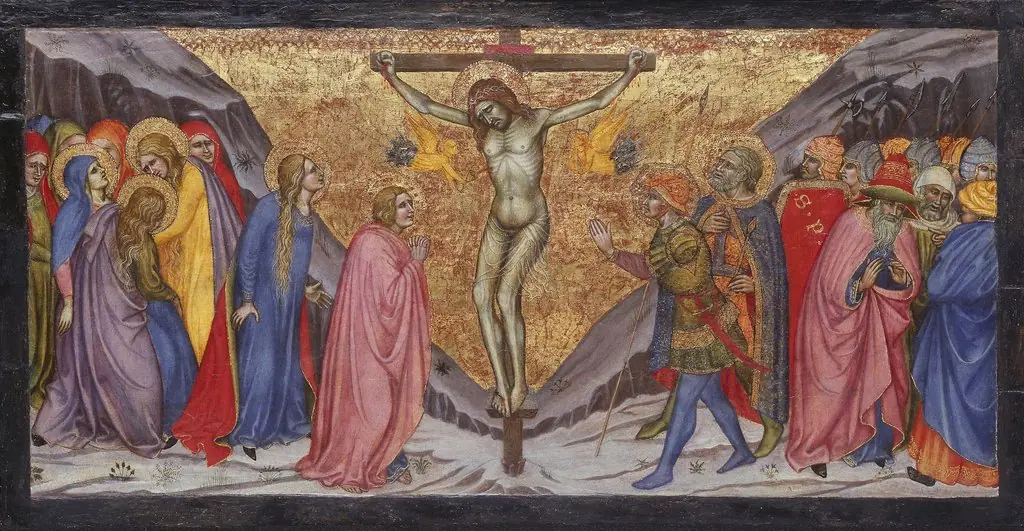
The Crucifixion
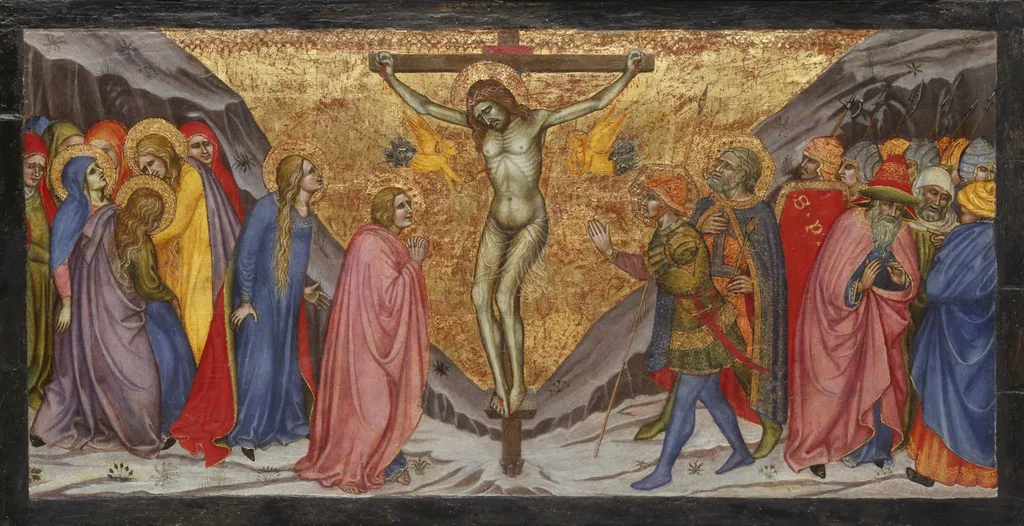
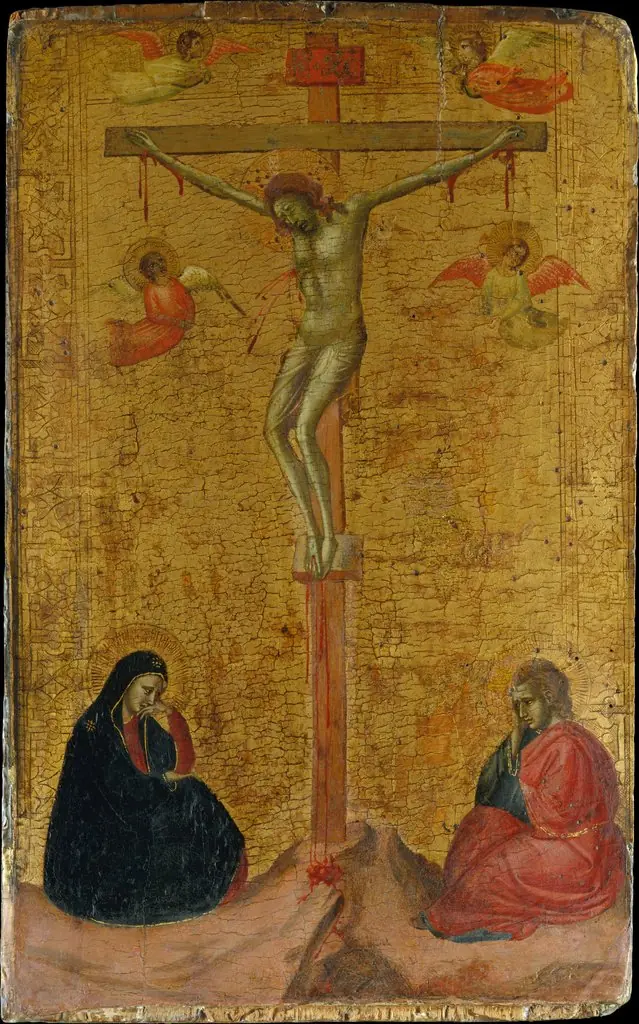
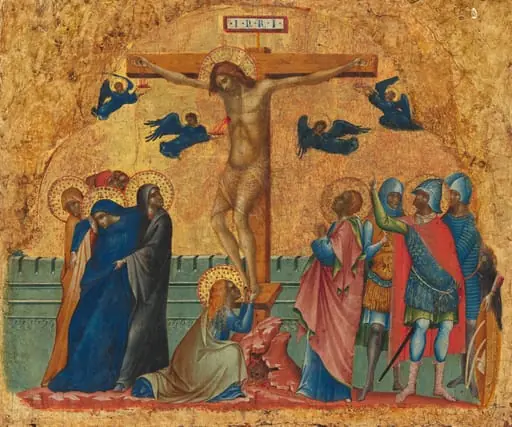
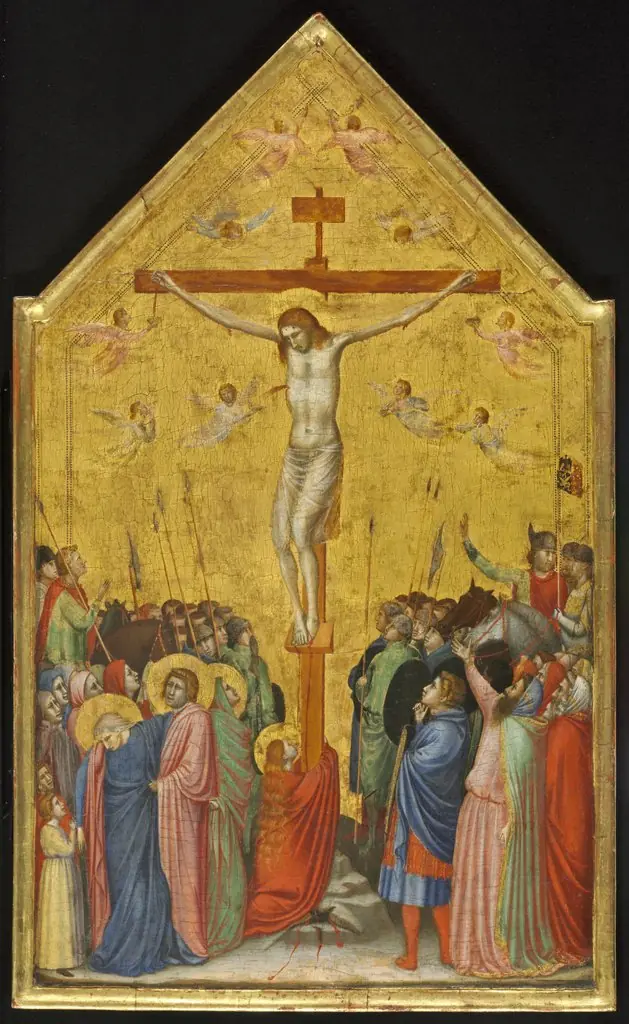
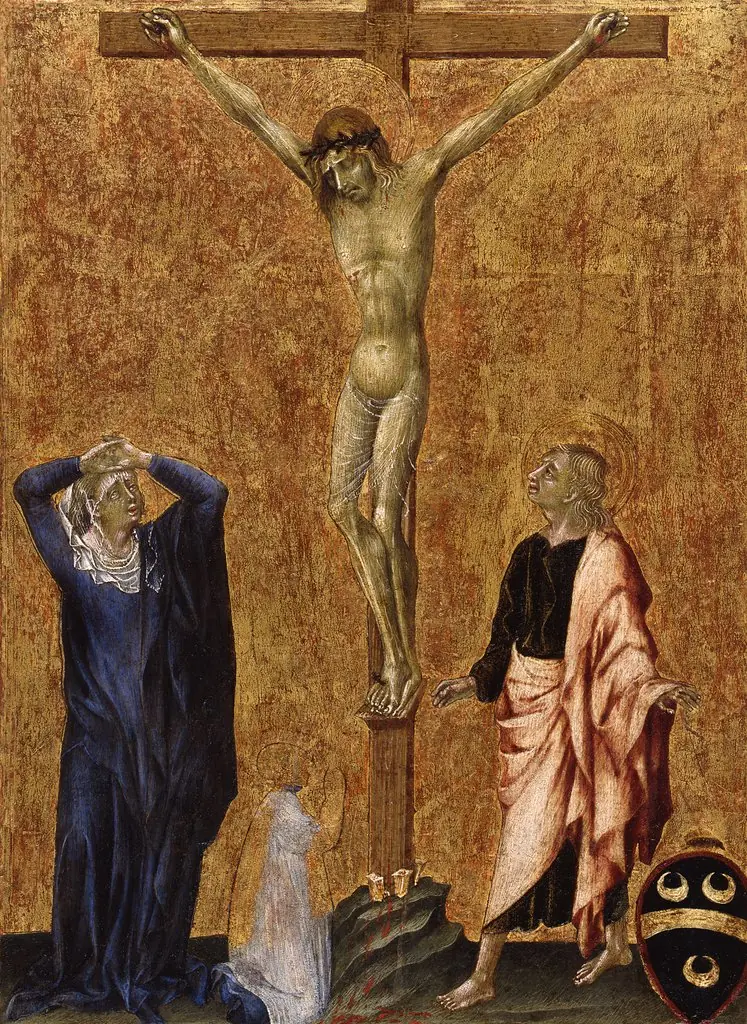
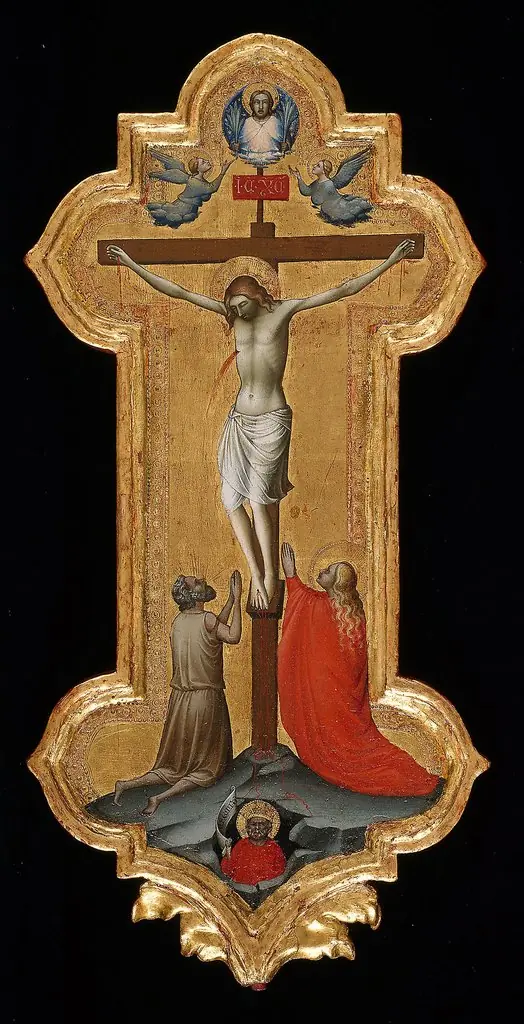
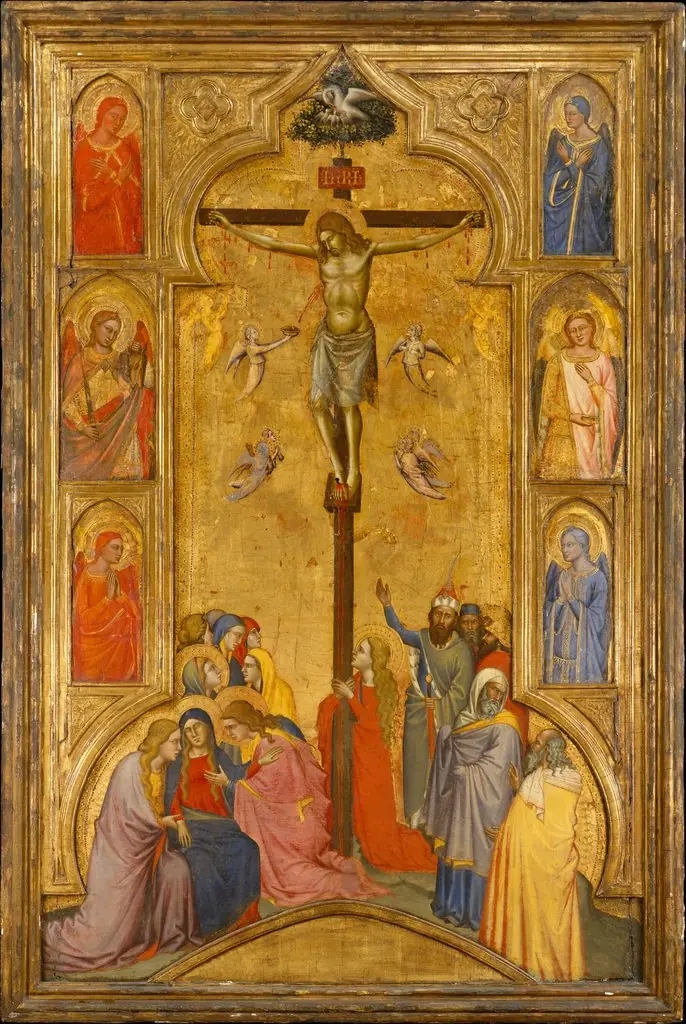
The Crucifixion is a tempera painting by the Early Renaissance artist Taddeo di Bartolo. It dates from 1402 and is held in the collection of the Art Institute of Chicago.
- Accession no.
- 16234
- Credit line
- Mr. and Mrs. Martin A. Ryerson Collection
About this work
Overview
The Crucifixion is a tempera on panel painting created by Taddeo di Bartolo in 1402. It is a representative work of the Sienese School during the early Renaissance.
Subject & Meaning
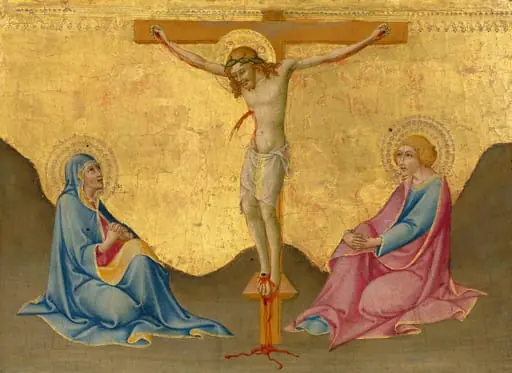
The painting depicts the crucifixion of Christ, surrounded by mourners and soldiers, conveying a somber and reverent atmosphere. The scene is set against a backdrop that emphasizes the emotional weight of the event.
Technique & Style
The artwork showcases the use of tempera, a medium made from powdered pigments mixed with egg yolk, applied to a panel. The style is characterized by the use of bright colors, including deep reds, blues, and gold, which were intended to be illuminated by candlelight.
History & Provenance
The painting was originally created for a small church altar. It is now part of the collection at the Art Institute of Chicago.
Context
The Crucifixion reflects the artistic and devotional practices of its time, with its design and colors intended to engage worshippers in a religious setting.
Artist & collection
Artist
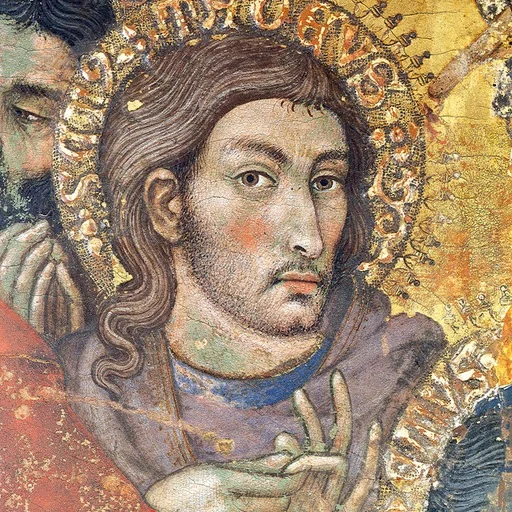
Taddeo di Bartolo (c. 1363 – 26 August 1422), also known as Taddeo Bartoli, was an Italian painter of the Sienese School during the early Renaissance. His biography appears in the Vite of Giorgio Vasari, who claims that…