Artwork
Death of the Doe
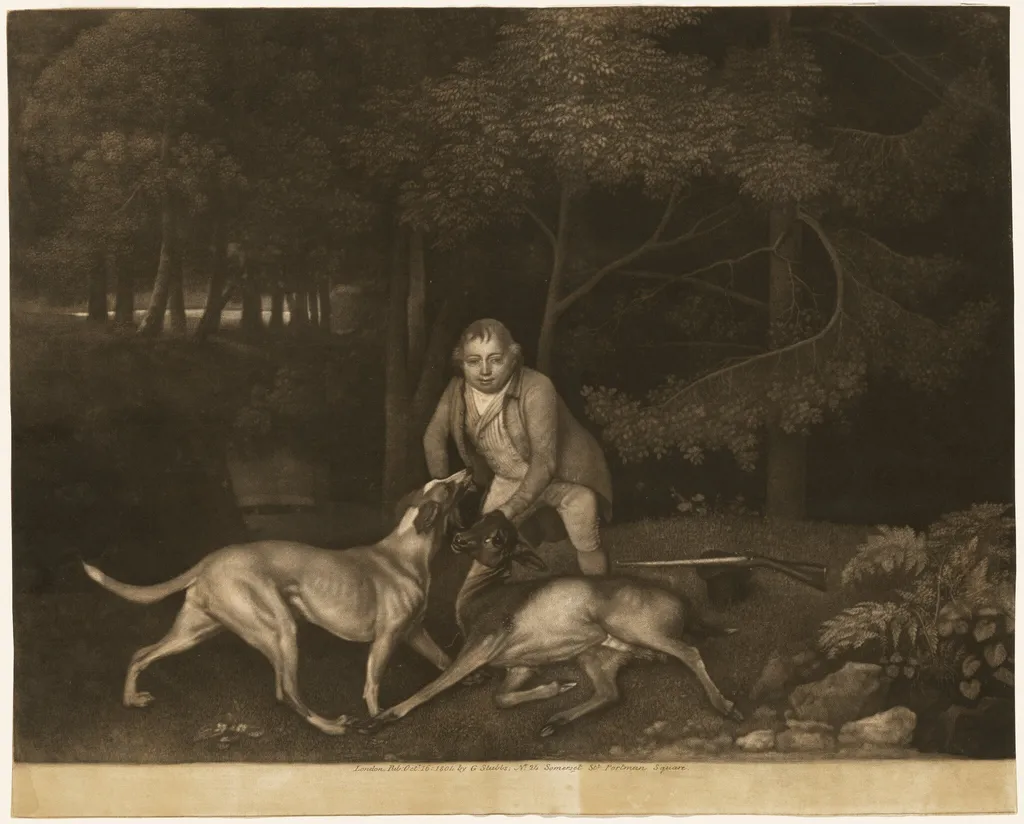
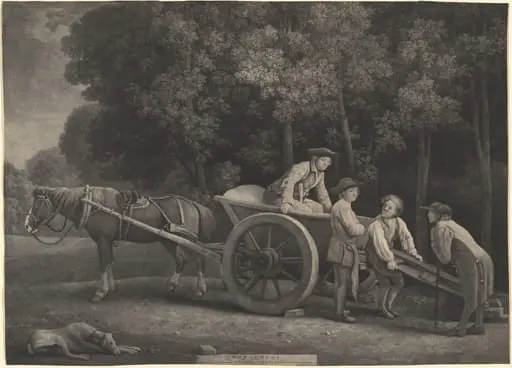
Death of the Doe is an ink print by the Romanticist artist George Stubbs. It dates from 1804 and is held in the collection of the National Gallery of Art.
About this work
Overview
It exists as a proof before the application of colour, representing an early stage in the plate’s production.
Created in 1804, Death of the Doe is a mezzotint print executed on wove paper. It exists as a proof before the application of colour, representing an early stage in the plate’s production. The image portrays a solitary figure in period dress, kneeling amid a dark woodland, rifle in hand, accompanied by two hunting hounds, one standing and the other recumbent, with a faint structure visible in the background.
Subject & Meaning
The composition captures a moment after a hunt, suggesting the culmination of a chase through the presence of the rifle, the dogs, and the somber forest setting. The title implies that a doe has been killed, though the animal itself is not shown; the focus rests on the hunter’s posture and the surrounding environment, evoking themes of mortality and the ritual of hunting within a Romantic sensibility.
Technique & Style
Stubby’s mezzotint employs delicate gradations of tone to render the figures against the deep shadows of the trees, allowing the man and his dogs to emerge with clear modeling. The proof stage reveals the artist’s handling of light and texture before any colour was added, demonstrating his skill in manipulating the copper plate to achieve subtle atmospheric effects.
History & Provenance
The print was produced by George Stubbs, an English artist noted for his anatomical precision in animal subjects. Working independently of the mainstream art institutions of his era, Stubbs relied on personal observation and study. This particular proof, lacking the later colour layers, offers insight into his printmaking process and has been preserved as an example of his early 19th‑century output.
Context
Death of the Doe follows Stubbs’s earlier series depicting dramatic encounters between animals, such as lions attacking horses, reflecting his ongoing interest in the Romantic fascination with nature’s violence. The work aligns with the period’s broader cultural engagement with hunting as both sport and symbolic narrative.
Own this work as a print
Artist & collection
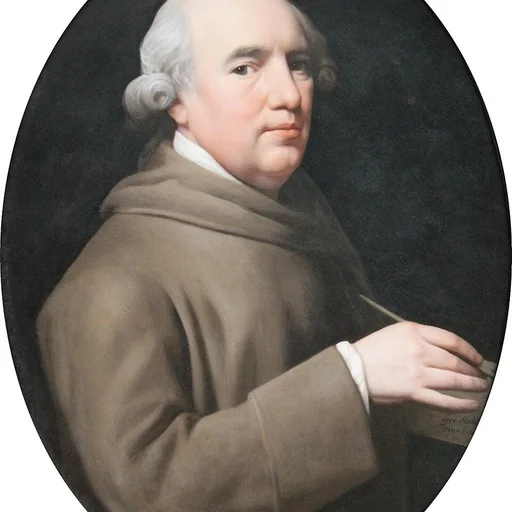
Artist
George Stubbs (25 August 1724 – 10 July 1806) was an English painter, best known for his paintings of horses.

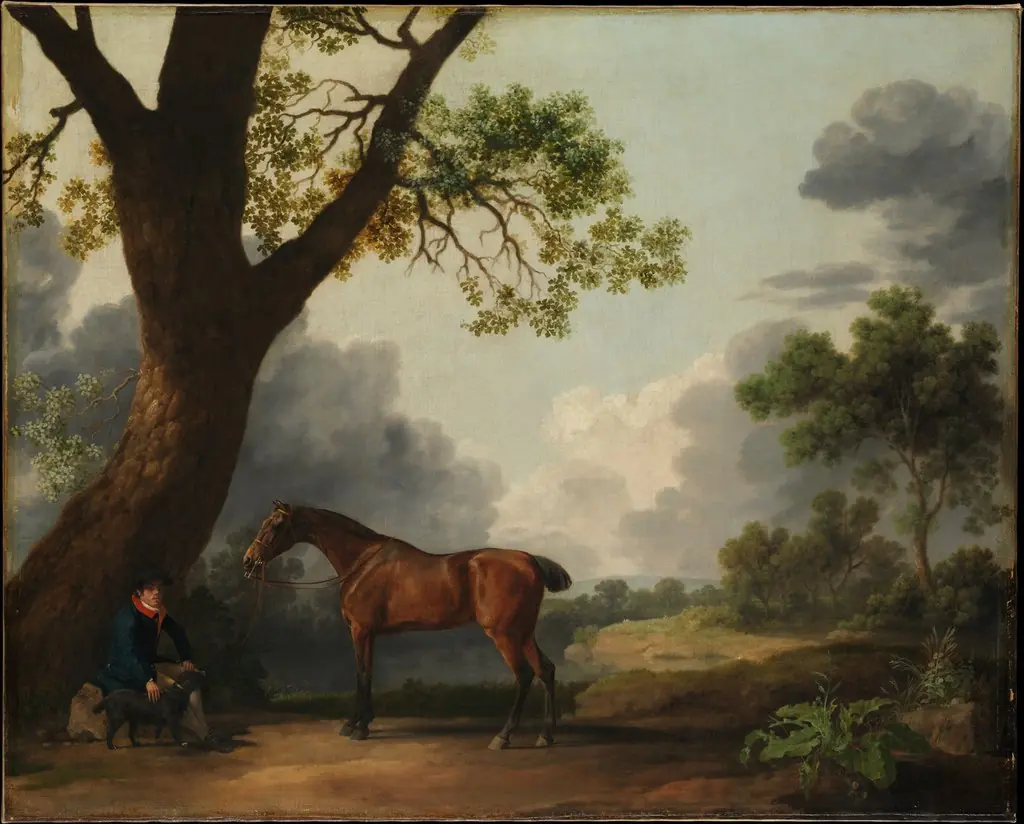 The Third Duke of Dorset's Hunter with a Groom and a Dog
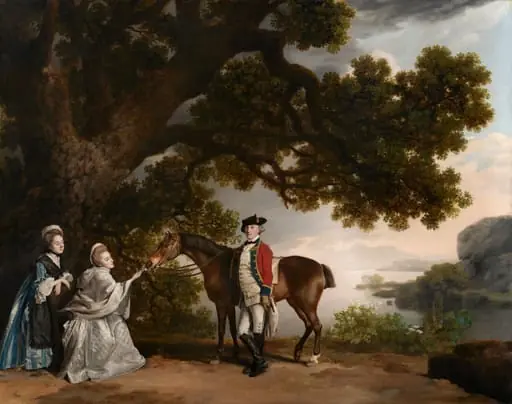 Captain Samuel Sharpe Pocklington with His Wife, Pleasance, and possibly His Sister, Frances
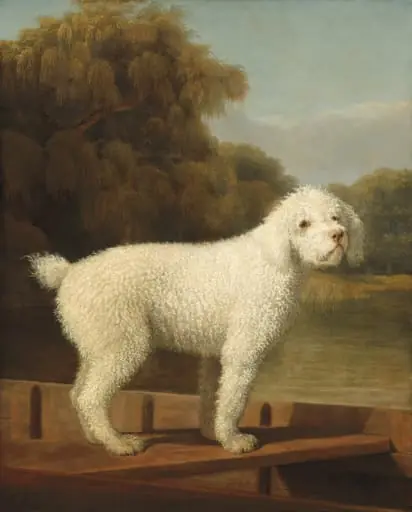 White Poodle in a Punt
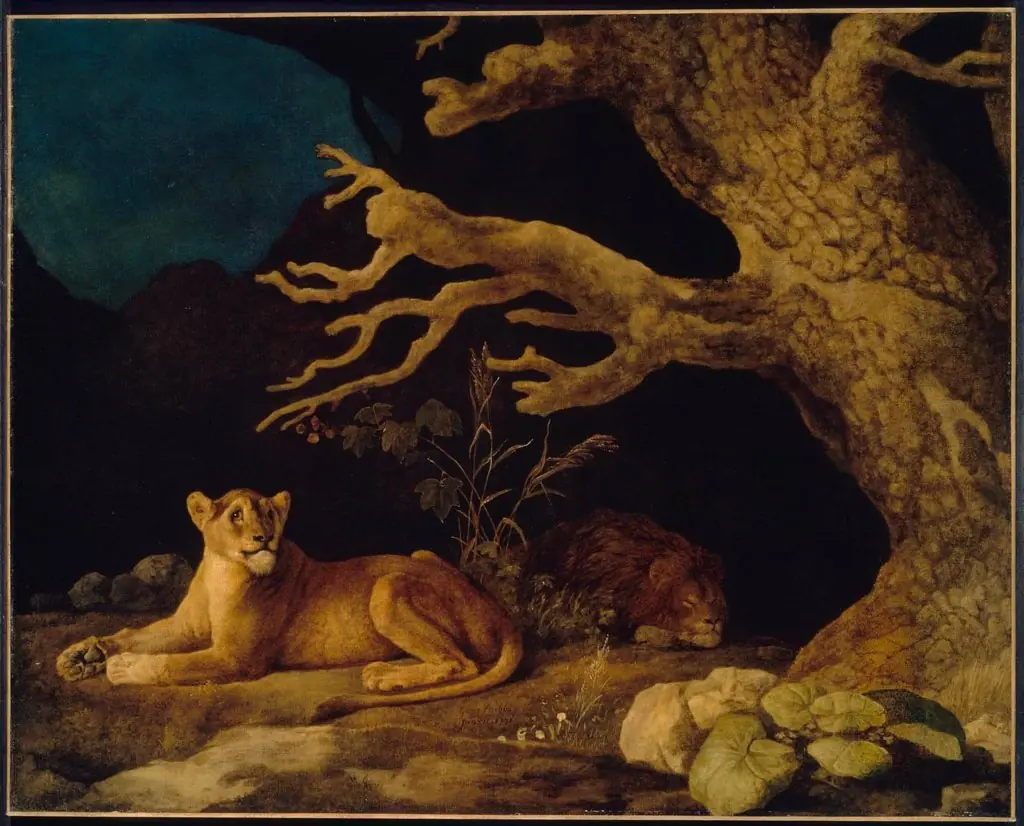 Lion and Lioness
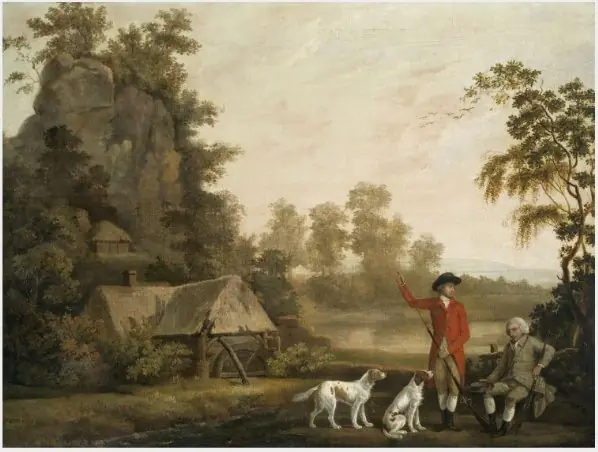 Sportsmen at Rest
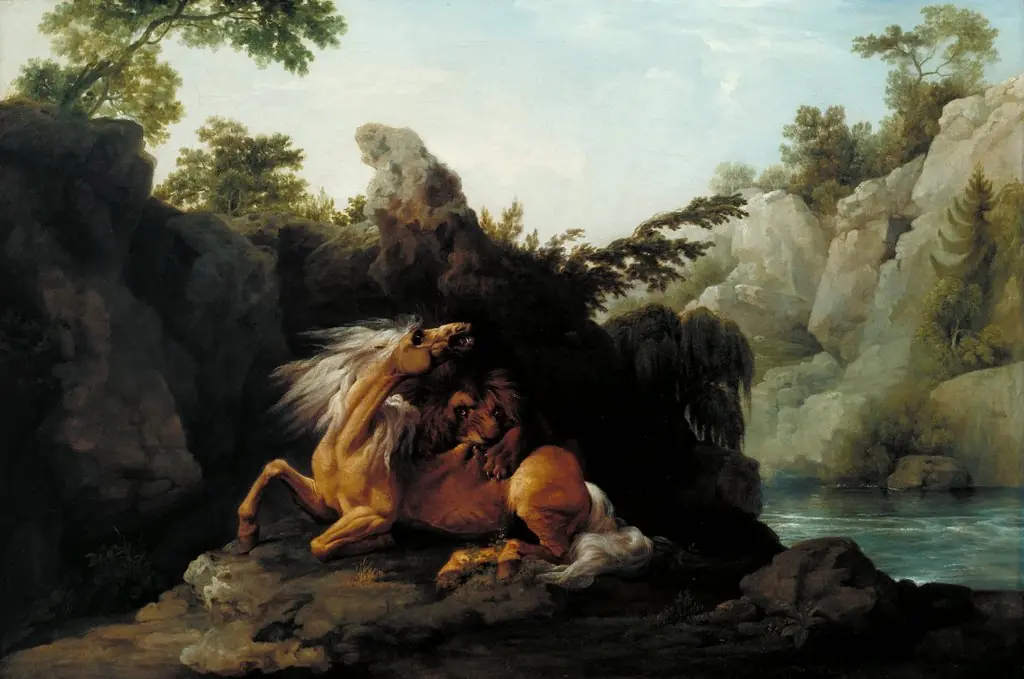 Horse Devoured by a Lion
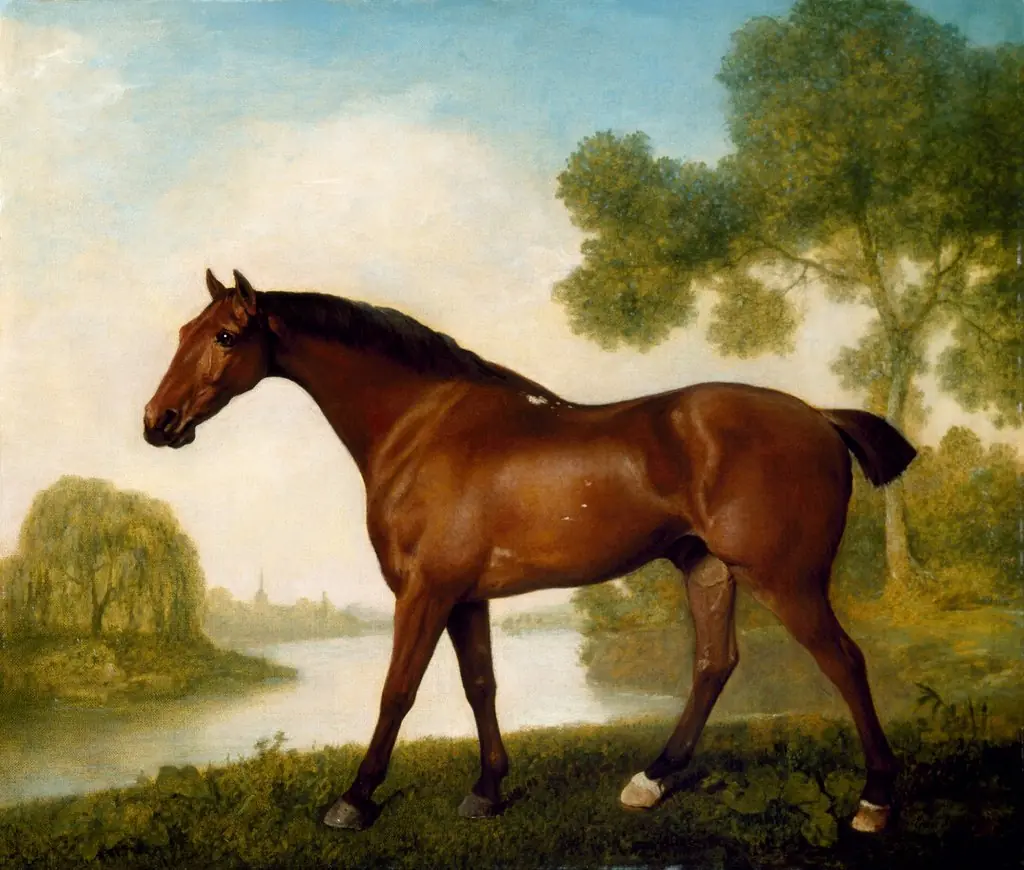 Truss, A Hunter
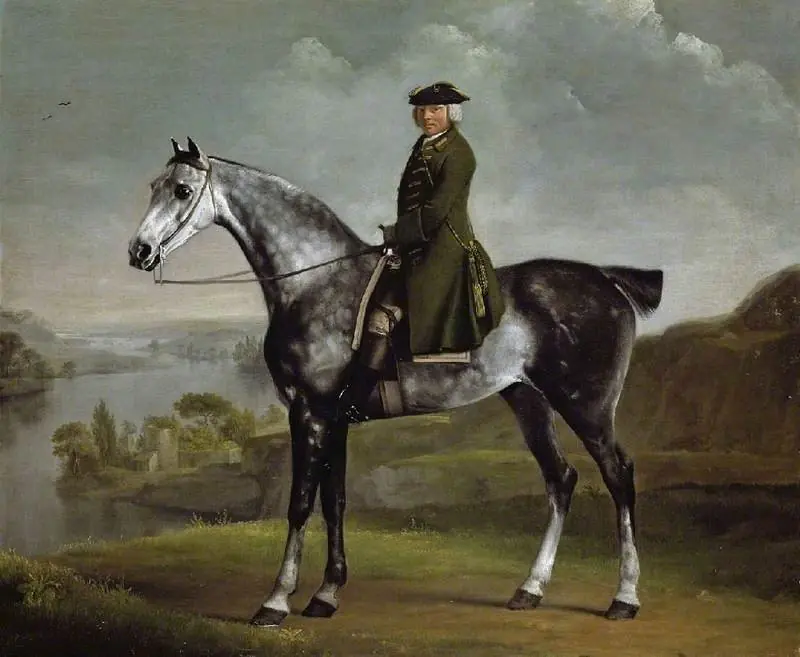 Joseph Smyth Esq, Lieutenant of Whittlebury Forest, Northamptonshire, on a dapple grey horse