Artwork
Charles Carnan Ridgely
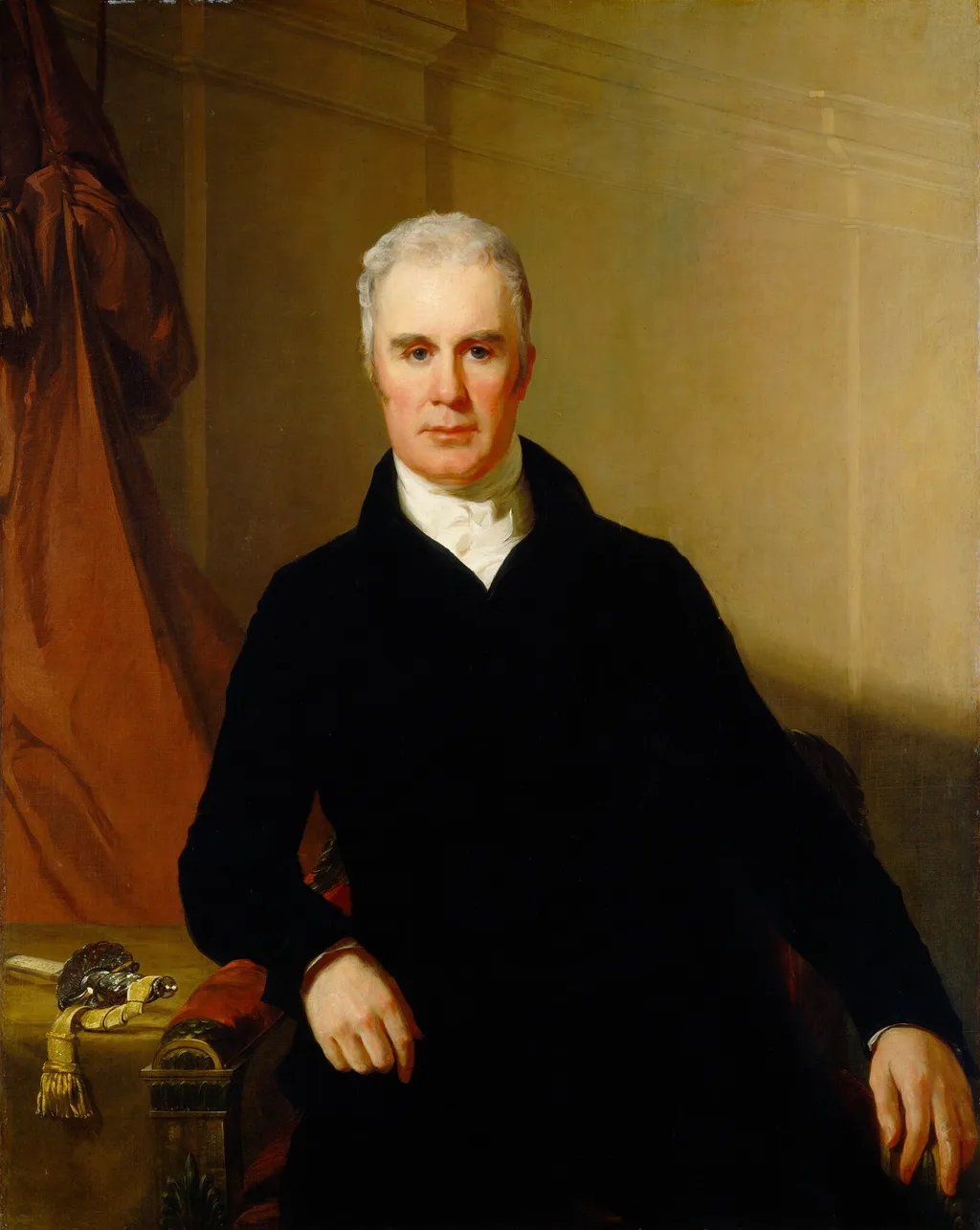
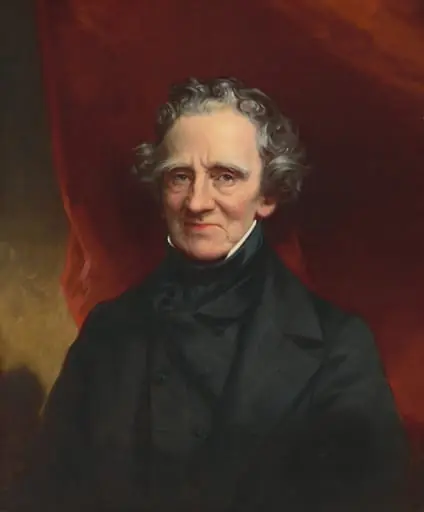
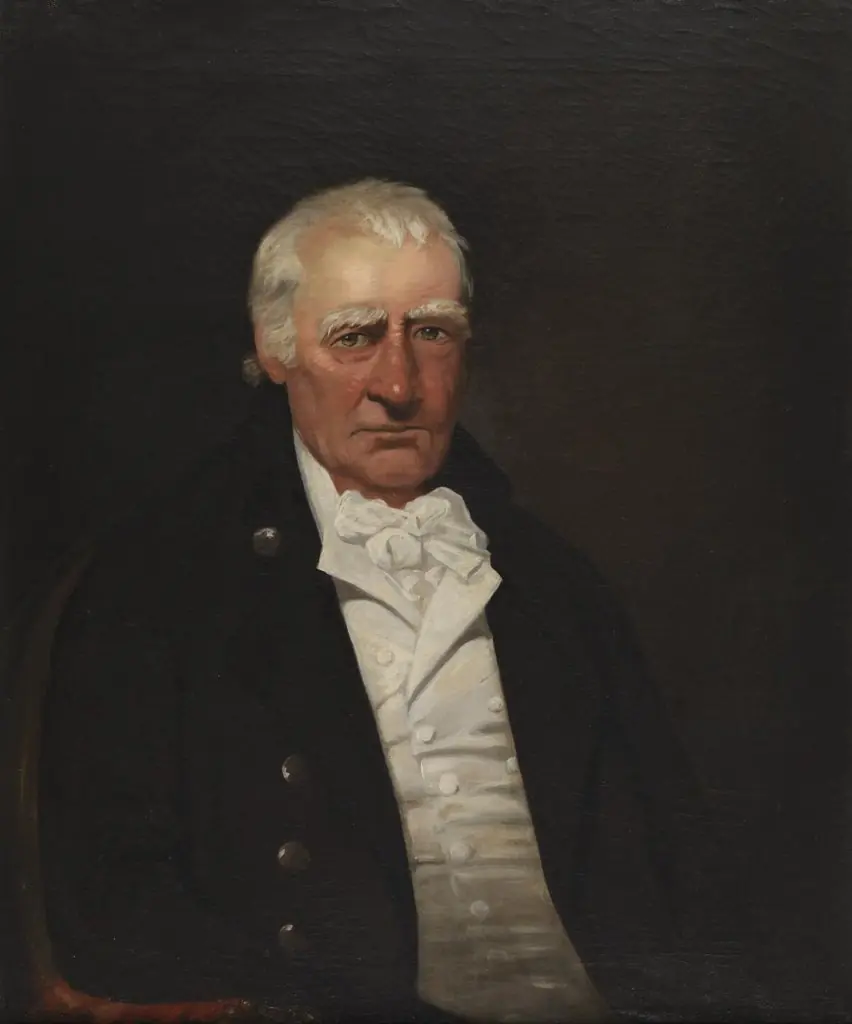
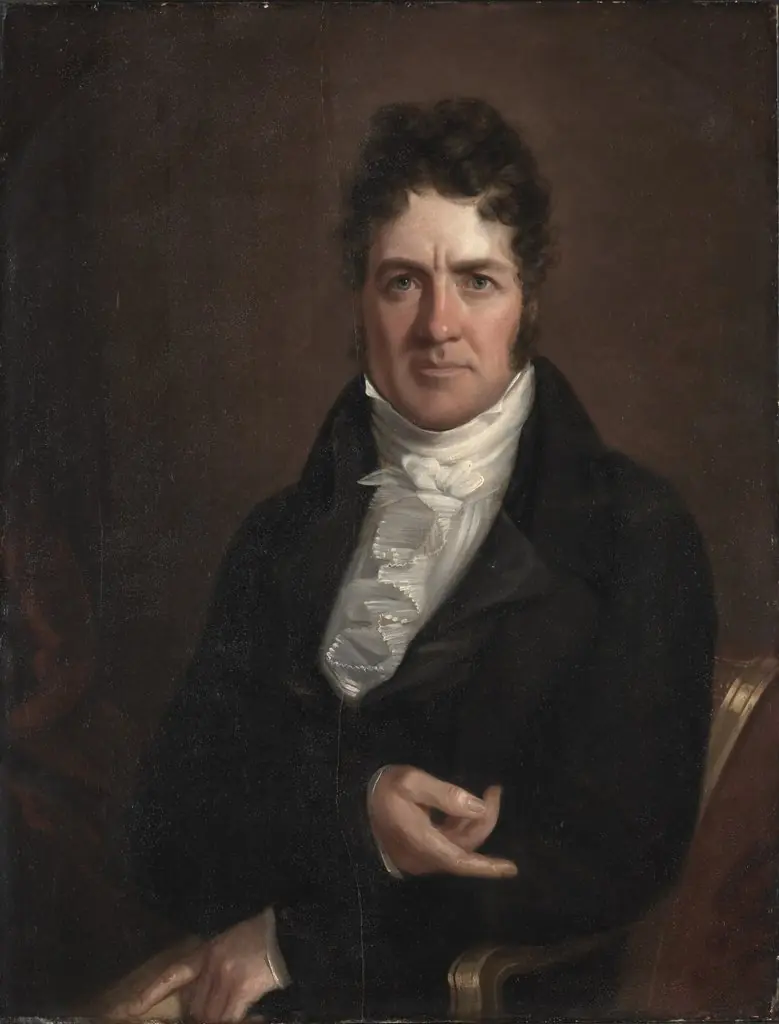
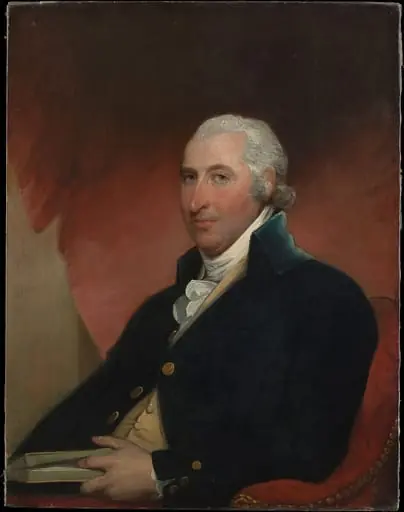
Charles Carnan Ridgely is an oil painting by the American Impressionist artist Thomas Sully. It dates from 1820 and is held in the collection of the National Gallery of Art.
- Inscription
- Inscribed:lower left: TS (in monogram) 1820
About this work
Technique & Style
The portrait of Charles Carnan Ridgely by Thomas Sully is executed in oil on canvas, a standard medium for early nineteenth-century American portraiture.
The portrait of Charles Carnan Ridgely by Thomas Sully is executed in oil on canvas, a standard medium for early nineteenth-century American portraiture. The handling reflects Sully's characteristically smooth, polished technique, with precise yet fluid brushwork that renders facial features and the textures of dress with care. The composition emphasizes the subject's dignified presence through controlled lighting and a restrained palette dominated by earth tones and subdued highlights. The available sources do not provide a detailed condition report for the work.
History & Provenance
The portrait of Charles Carnan Ridgely was painted by Thomas Sully in 1820 in oil on canvas. Following its creation, the work descended within the Ridgely family of Hampton, in Towson, Maryland, passing first to the sitter's son, John Carnan Ridgely (1790–1867), then to his son Charles Ridgely (1830–1872), then to Captain John Ridgely (1851–1938), and then to John Ridgely, Jr. (1882–1959). In 1945, John Ridgely, Jr. gave the painting to the National Gallery of Art, Washington, D.C., where it remains.
No specific accession number is provided in the available records, though the work's provenance is documented across four generations of family ownership prior to the 1945 gift.
Overview
This oil on canvas painting, titled Charles Carnan Ridgely, was completed by Thomas Sully in 1820. It presents a formal depiction of its namesake, Charles Carnan Ridgely. The work serves as a representative example of portraiture from the early 19th century, capturing the likeness of an individual through the medium of paint.
Subject & Meaning
The portrait features Charles Carnan Ridgely seated, dressed in period attire that suggests a degree of affluence. The act of commissioning a formal portrait during this era often indicated social standing or personal significance. Sully's work provides insight into the appearance and societal context of prominent individuals in the early American republic, reflecting a common practice among the wealthy.
Own this work as a print
Artist & collection

Artist
Thomas Sully was an English-American portrait painter. He was born in England, became a naturalized American citizen in 1809, and lived most of his life in Philadelphia, Pennsylvania, including in the Thomas Sully…