Artwork
Les plaisir de l'ete
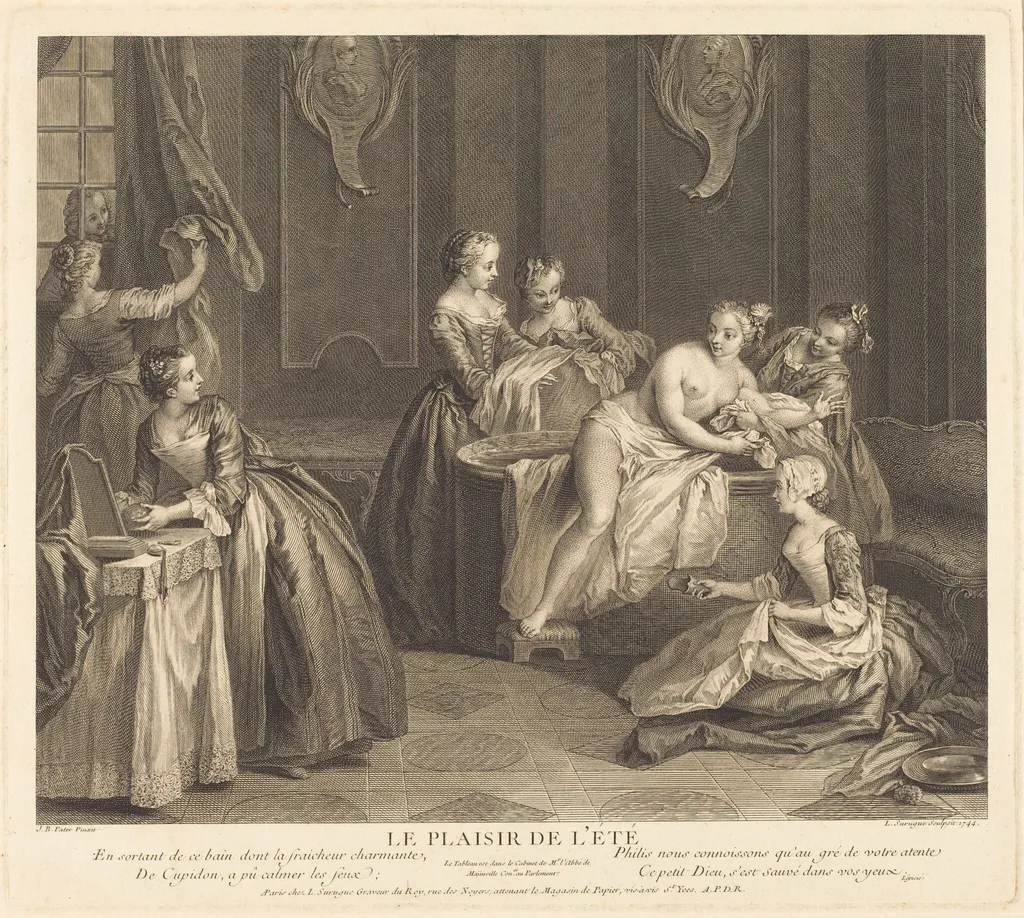
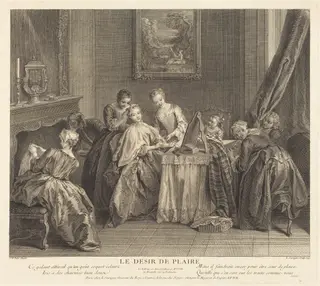
Les plaisir de l'ete is an ink print by the Baroque artist Louis de Surugue de Surgis. It dates from 1744 and is held in the collection of the National Gallery of Art.
About this work
Overview
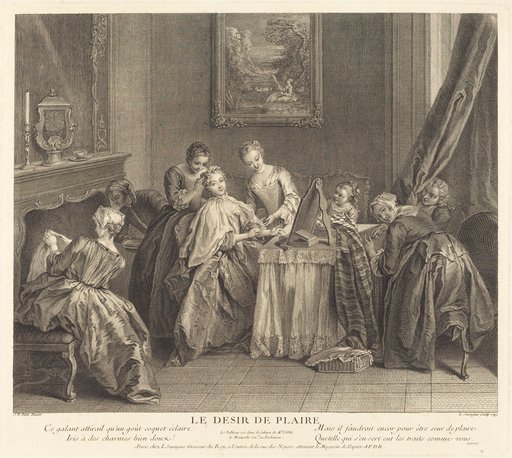
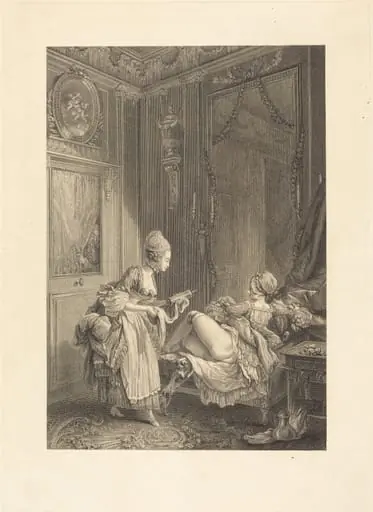
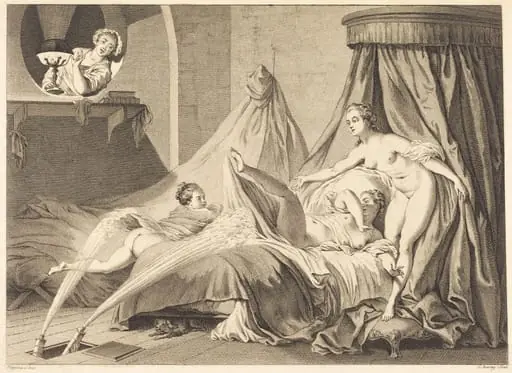
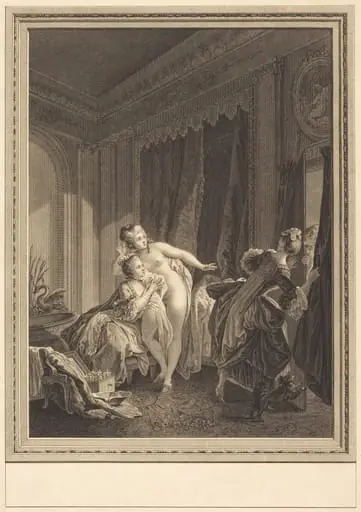
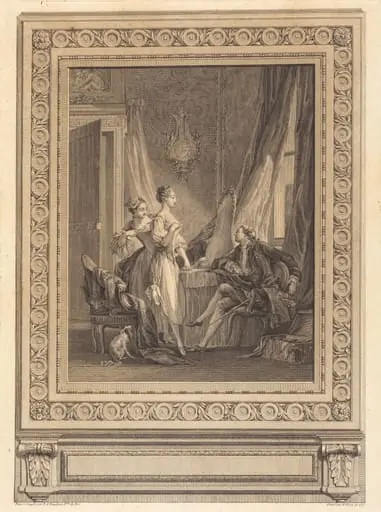
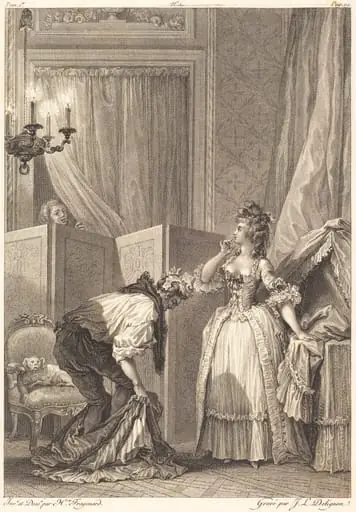
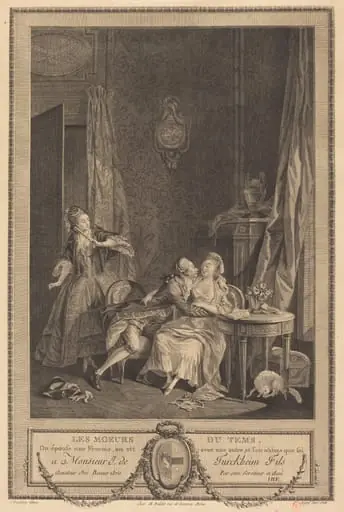
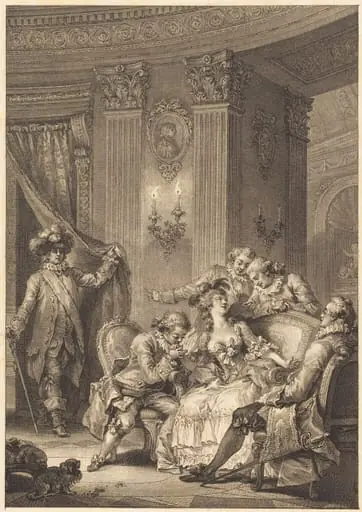
Created in 1744, Les plaisirs de l’été is a black‑and‑white print produced by the French engraver Louis de Surugue de Surgis. Executed as an engraving, the work presents an interior scene populated by several figures, some clothed and one nude, arranged around a low stool. The composition is framed by draped curtains and a window with shutters, lending a sense of domestic space.
Subject & Meaning
The central figure is a naked woman seated on a stool, cradling a bird, while two children and two other women surround her in various poses, one holding a fan, another leaning on a pillar, and a child reaching toward the nude figure. The title suggests an association with the leisurely activities of summer, and the juxtaposition of clothed and unclothed bodies reflects a common 18th‑century motif linking nature, innocence, and sensuality.
Technique & Style
Surugue de Surgis employed engraving, a printmaking method that involves incising lines into a metal plate with a burin.
Surugue de Surgis employed engraving, a printmaking method that involves incising lines into a metal plate with a burin. The technique allows for fine, controlled line work, evident in the delicate rendering of fabrics, the texture of the curtains, and the nuanced modeling of the figures’ forms. The monochrome palette emphasizes contrast and chiaroscuro, typical of French printmaking in the mid‑1700s.
History & Provenance
The print was issued in 1744, during a period when French engravers frequently reproduced genre scenes for the burgeoning market of collectors and connoisseurs. While specific ownership records are scarce, the work appears in several 18th‑century catalogues of prints, indicating it was circulated among the educated elite who favored depictions of pastoral and domestic pleasures.
Context
In the mid‑18th century, French art often explored themes of leisure and the idyllic countryside, aligning with the Rococo’s lighthearted aesthetic. Les plaisirs de l’été fits within this trend, echoing the era’s fascination with the interplay of nature, childhood, and erotic undertones, while also reflecting the period’s taste for intimate, narrative-driven prints.
Own this work as a print
Artist & collection