Artwork
Untitled
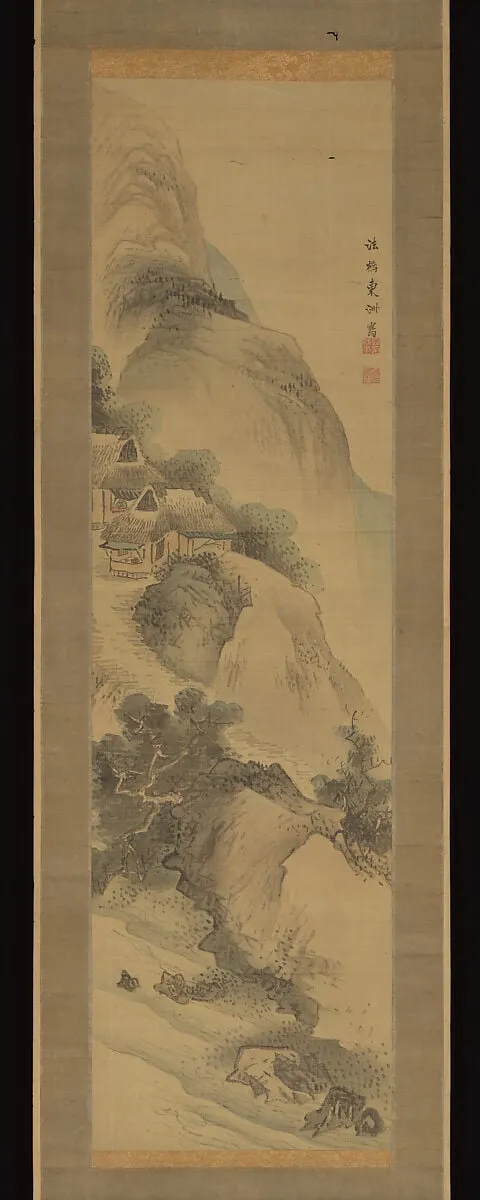
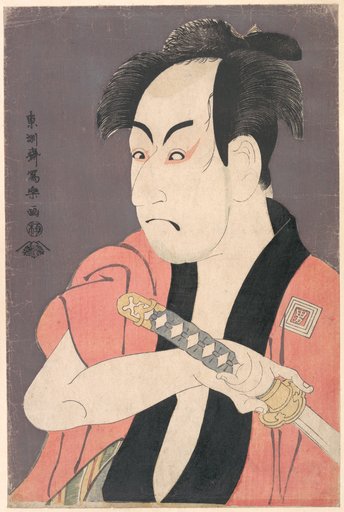
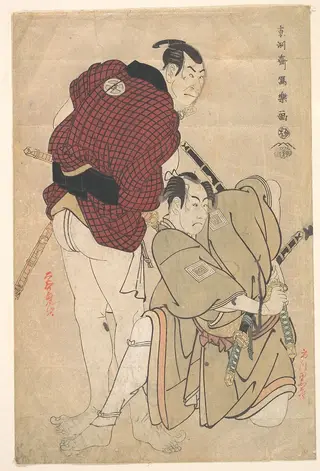
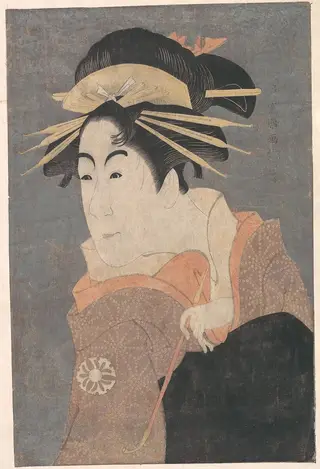
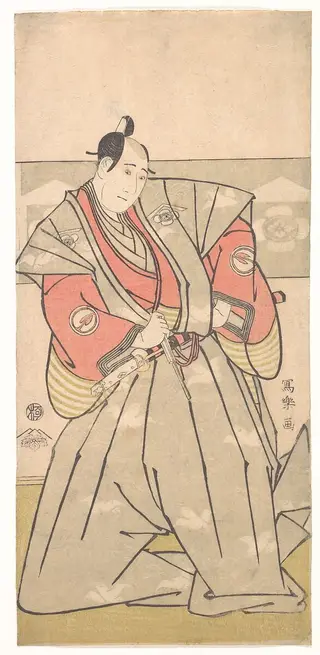
Untitled is an ink painting by the Romanticist artist Tōshūsai Sharaku. It is held in the collection of the Metropolitan Museum of Art.
About this work
Subject & Meaning
The work belongs to the broader tradition of Japanese landscape art, where natural terrain serves as both visual motif and cultural emblem.
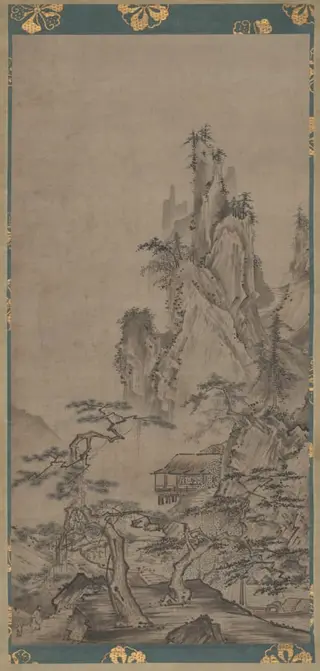
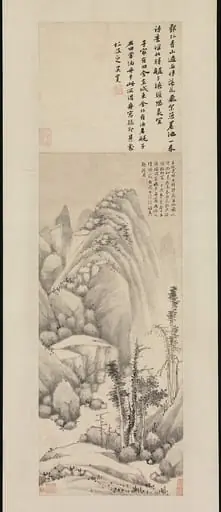
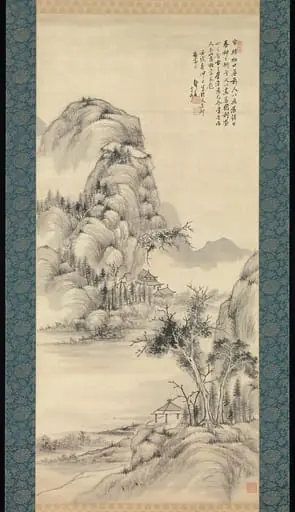
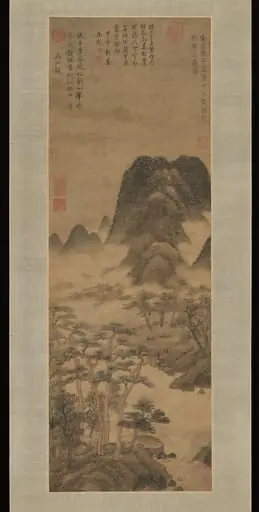
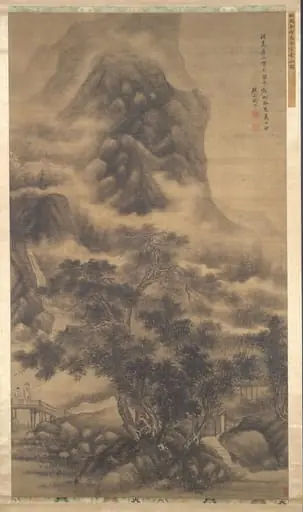
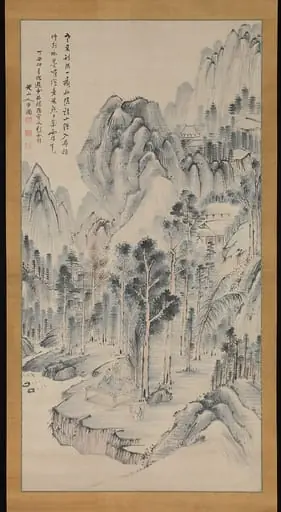
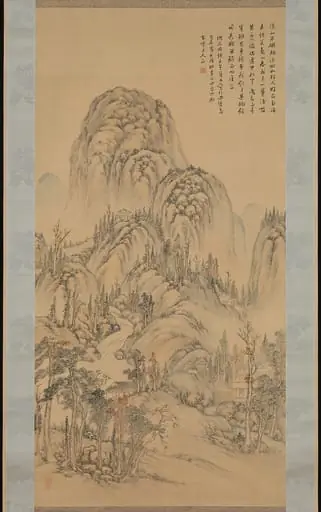
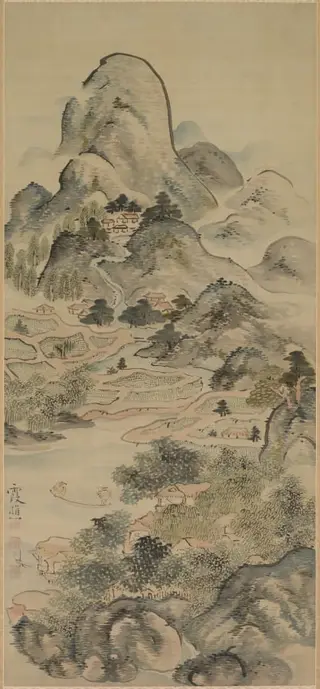
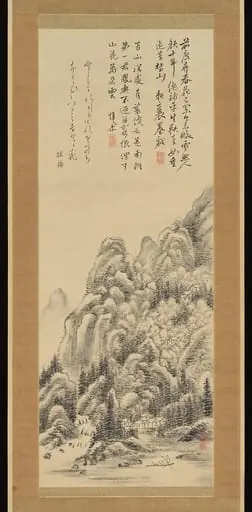
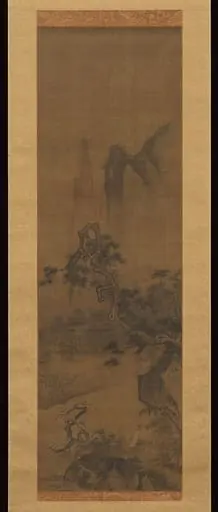
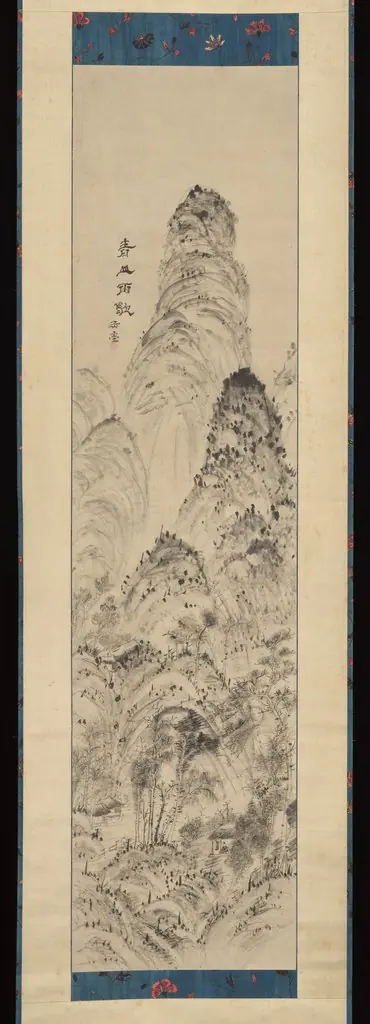
Untitled (1816) is a hanging scroll by Tōshū rendered in ink and color on silk. Classified as a landscape painting, it portrays a solitary mountain, the central subject of the composition. The work belongs to the broader tradition of Japanese landscape art, where natural terrain serves as both visual motif and cultural emblem.
Its creation in Japan and inclusion in the Metropolitan Museum of Art's collection underscore its historical and artistic significance.
Technique & Style
The work titled Untitled is a hanging scroll painted in ink and polychrome on silk, a format typical of early-19th-century Japanese landscape painting. Tōshū employed the medium of ink washes combined with subtle pigments to render a solitary mountain, emphasizing atmospheric depth and fluid brushwork. As a landscape genre piece, the composition balances minimalistic detail with expansive negative space, reflecting the formal conventions of the period.
History & Provenance
The hanging scroll, executed in ink and color on silk, was created in 1816 by the artist Tōshū, originating in Japan. The scroll subsequently entered the holdings of the Metropolitan Museum of Art, where it is currently held as part of the institution's paintings collection. The available records do not provide further details regarding an early ownership chain, commission history, or intermediate provenance prior to the museum's accession.
Overview
This untitled work by Tōshū, created in 1816, is a Japanese landscape painting rendered with ink and color on silk. Presented as a hanging scroll, it features a solitary mountain emerging from a veil of mist. The composition suggests an ethereal natural scene, characteristic of the period's contemplative approach to landscape art.
Context
During the early nineteenth century, Japanese painters frequently operated from private studios, often engaging with and reinterpreting established artistic traditions rather than pursuing radical innovation. Tōshū's landscape exemplifies this period's inclination towards introspective and refined artistic expression, where the focus was often on perfecting existing styles and themes within a contemplative setting.
Artist & collection