Artwork
元 唐棣 松溪歸漁圖 軸|Returning Fishermen
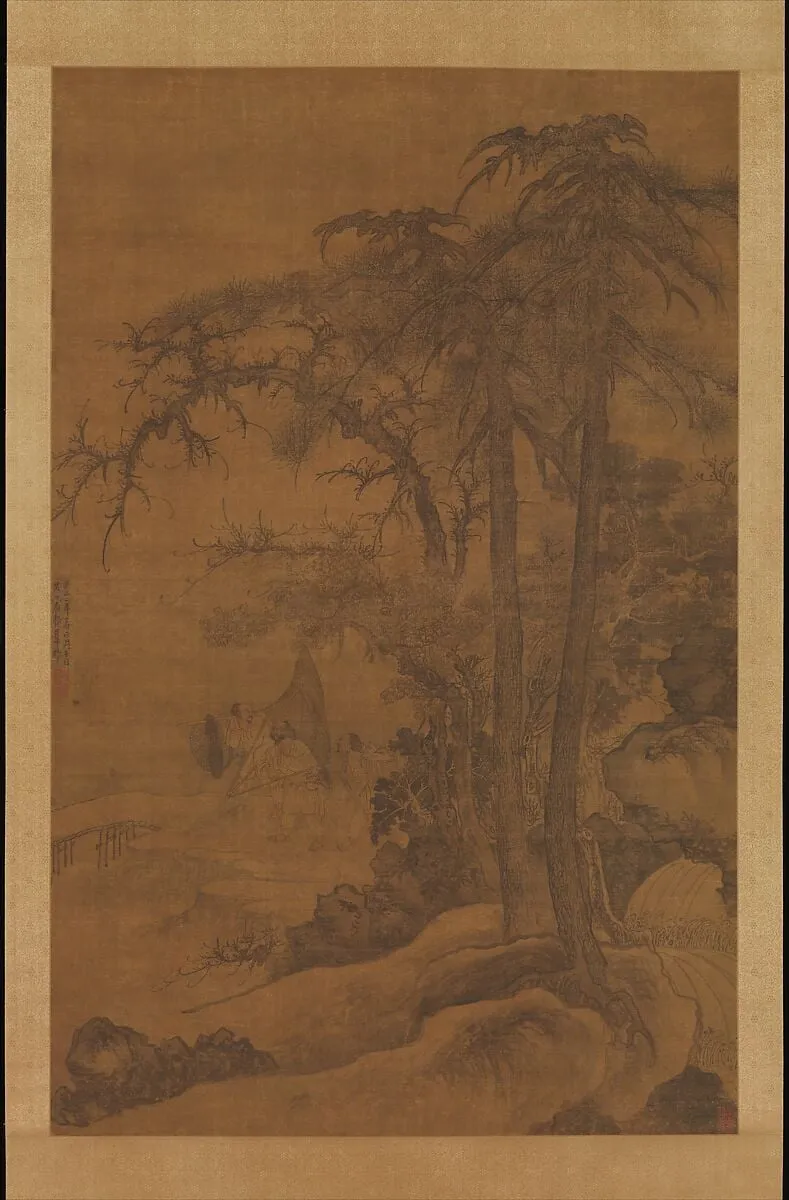
元 唐棣 松溪歸漁圖 軸|Returning Fishermen is an ink painting by the Song dynasty painting artist Tang Di. It dates from 1342 and is held in the collection of the Metropolitan Museum of Art.
About this work
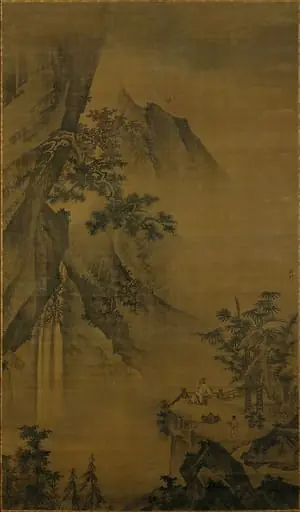
You see a tall silk scroll: a river winds between steep, ink-washed cliffs, and three tiny fishermen pole their rafts home at dusk.
You see a tall silk scroll: a river winds between steep, ink-washed cliffs, and three tiny fishermen pole their rafts home at dusk.
Tang Di painted this in 1342, when most artists in China were still copying ancient models. Here, the trees feel alive, their branches twist like real pine needles, not stiff brushstrokes. That quiet realism was new for the time.
Look up other works in the subject: trees.
Technique & Style
Returning Fishermen is a hanging scroll executed in ink and color on silk, a traditional East Asian painting format that combines brushwork with pigmented washes on a finely woven support. The work depicts a landscape populated by figures and trees, consistent with the conventions of Yuan-dynasty ink-and-color painting on silk, where layered washes and calligraphic brushstrokes define both natural features and human subjects. As a hanging scroll, the painting is designed to be mounted and viewed vertically, allowing the composition to unfold in registers from foreground to distance.
History & Provenance
Created in 1342 by the Yuan-dynasty artist Tang Di, this hanging scroll titled Returning Fishermen was executed in ink and color on silk and depicts a landscape with trees and figures. It is held in the collection of the Metropolitan Museum of Art, New York, as part of the museum's holdings of Chinese art. No specific accession number or exhibition history is provided in the available records.
Overview
Tang Di, a landscape painter active in Zhejiang province during the Yuan Dynasty, created Returning Fishermen in 1342. This hanging scroll, rendered with ink and color on silk, captures a tranquil natural setting. The work demonstrates the artist's engagement with established artistic traditions while subtly introducing a fresh approach to depicting the natural world, characteristic of his individual style.
Subject & Meaning
The painting depicts a winding river flowing between steep, ink-washed cliffs as dusk settles. Three small figures in rafts navigate the water, making their way homeward. This composition evokes a sense of quiet contemplation and the harmonious relationship between humanity and the vastness of nature, a recurring theme in classical Chinese landscape art.
Context
Created in 1342, Returning Fishermen emerged during a period when many Chinese artists closely adhered to ancient models. Tang Di's innovative approach, particularly in rendering organic forms with a quiet realism, marked a significant development. His ability to imbue natural elements with vitality, moving beyond formulaic representations, offered a new perspective within the landscape genre of the Yuan Dynasty.
Artist & collection

Artist
Tang Di (Chinese: 唐棣; pinyin: Táng Dì; Wade–Giles: T'ang Ti; (c. 1287 – 1355)), style name as Zihua (子華), pseudonym as Dunzhai, was a Chinese landscape painter during the Yuan Dynasty (1279–1368). Tang Di was born in…

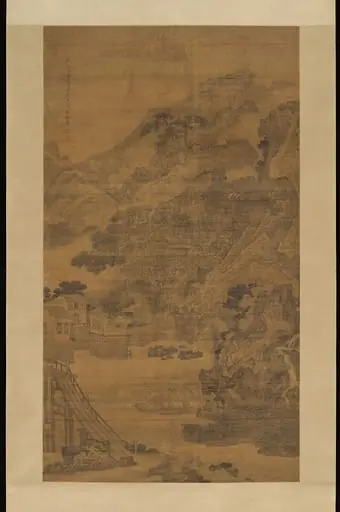 Untitled
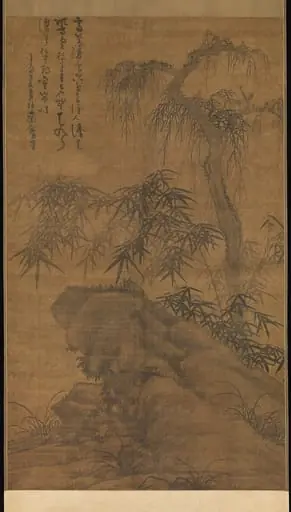 元 吳鎮 高節凌雲圖 軸|Bamboo, old tree, and rock
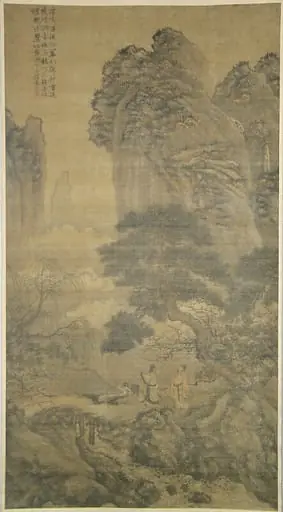 明 謝時臣 谿山春曉圖 軸|Spring Morning in the Mountains
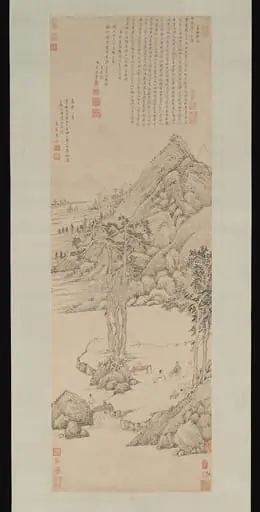 明 文嘉 為項元汴作山水圖 軸|Landscape dedicated to Xiang Yuanbian
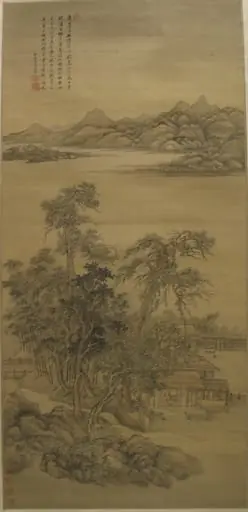 清 佚名 倣王翬 倣李公麟草堂圖 軸|Landscape in the Style of Li Gonglin
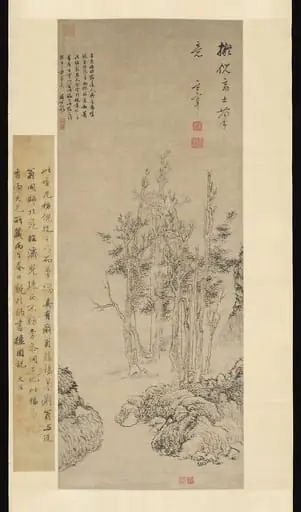 明 董其昌 倣倪瓚山水圖 軸|Landscape with Trees in the Manner of Ni Zan (1301–1374)
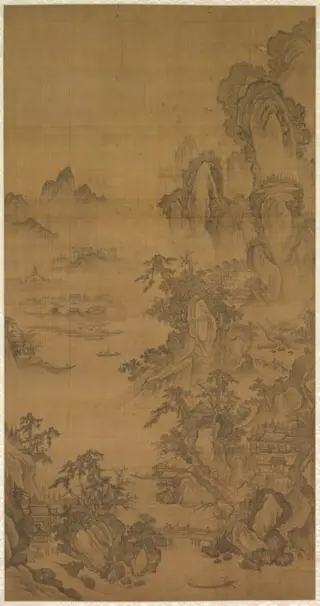 Mountain Market, Clear with Rising Mist
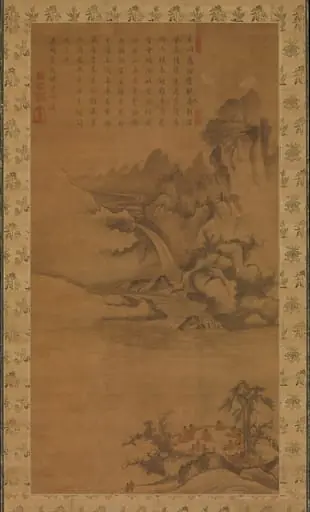 같은 해에 태어난 관리들의 친목 모임 조선|同庚契會圖 朝鮮|Gathering of government officials
 明 鍾禮 觀瀑圖 軸|Li Bai gazing at the waterfall on Mount Lu
- 明 藍瑛 春江漁隱圖 軸|Hermit-Fisherman on a Spring River