Artwork
Timpul
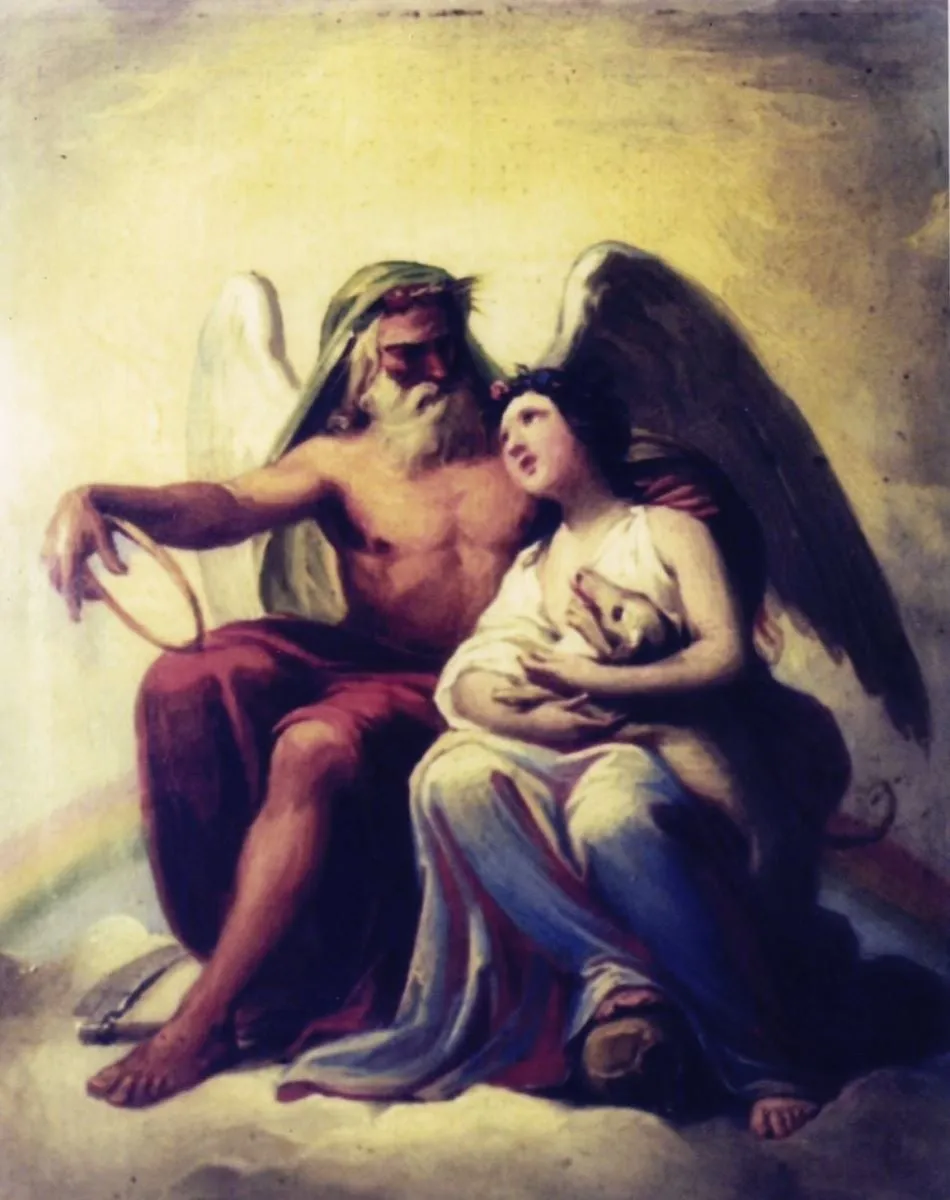
Timpul is an unspecified painting by the Biedermeier artist Gheorghe Tattarescu. It dates from 1867 and is held in the collection of the Bucharest Municipality Museum.
About this work
Overview
Timpul, created by Gheorghe Tattarescu around 1867, is a neoclassical genre scene held in the Museum of Ethnography. The painting depicts two closely seated figures against a faded yellow background.
Subject & Meaning
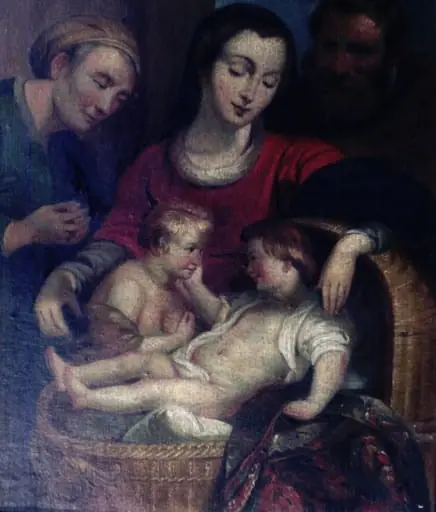
The subject features two contrasting figures: one shirtless, wearing a red skirt and holding an indistinct round object, with blurred facial features and draped in green; the other, winged, in a white dress with a red sash, cradling a baby. The juxtaposition may symbolize temporal or existential themes, hinted at by the title 'Timpul' (Time).
Technique & Style
Tattarescu employed chiaroscuro to achieve a three-dimensional effect, notably on the faces and wings. The interplay of shadows and light is particularly pronounced on the baby’s face, enhancing the overall depth and realism.
History & Provenance
Created circa 1867 as part of the Biedermeier movement, Timpul is an early example of neoclassicism in Romanian modern art. It is currently part of the Museum of Ethnography's collection.
Context
As a Biedermeier piece, Timpul reflects the movement’s emphasis on intimate, domestic scenes, though its mythological or allegorical elements (wings, blurred figure) suggest a deeper thematic complexity beyond typical genre scenes.
Legacy
While specific influence or widespread recognition of Timpul is not detailed, it contributes to the understanding of neoclassicism’s adoption in Romania during the late 19th century through Tattarescu’s pioneering work.
Artist & collection
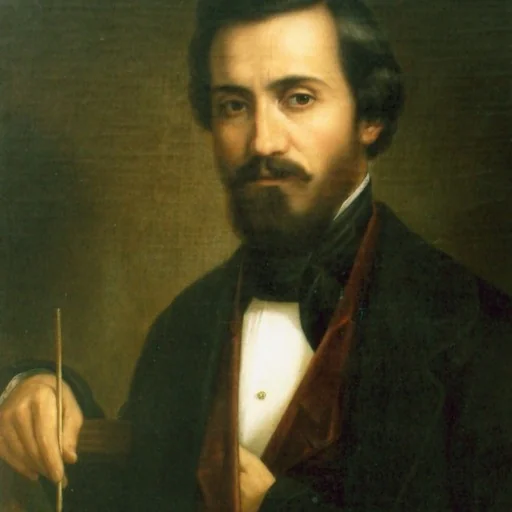
Artist
Gheorghe Tattarescu (Romanian pronunciation:; October 1818 – October 24, 1894) was a Romanian painter and a pioneer of neoclassicism in his country's modern painting.
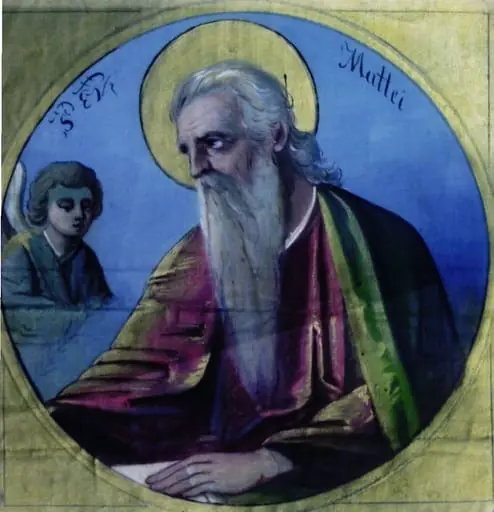
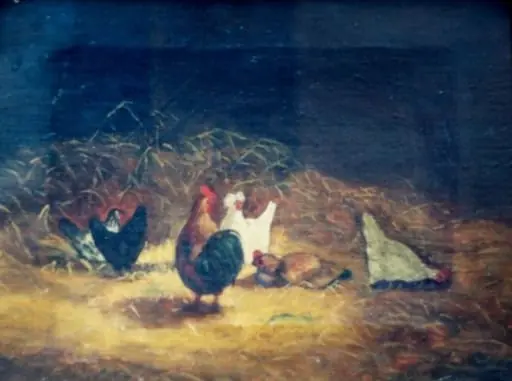
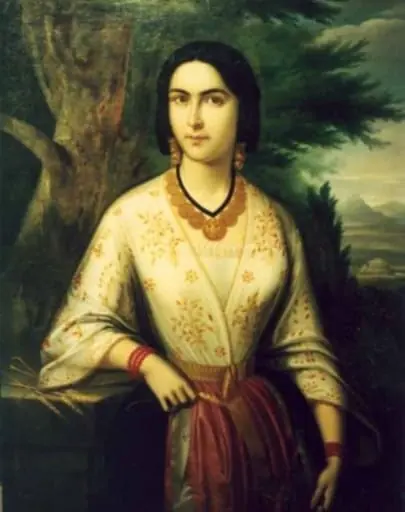
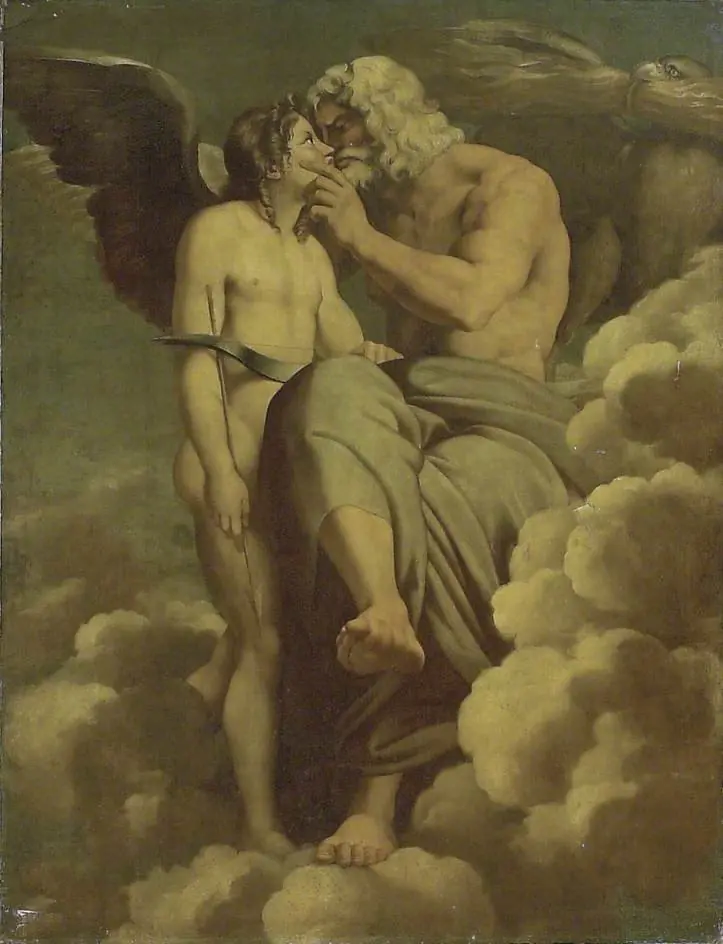
- Jupiter and Cupid
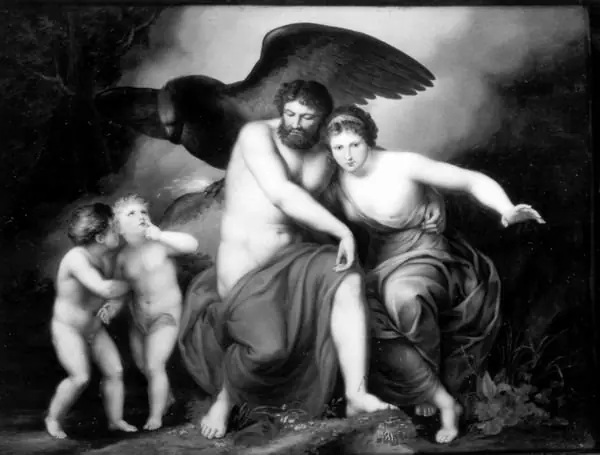 Jupiter and Io
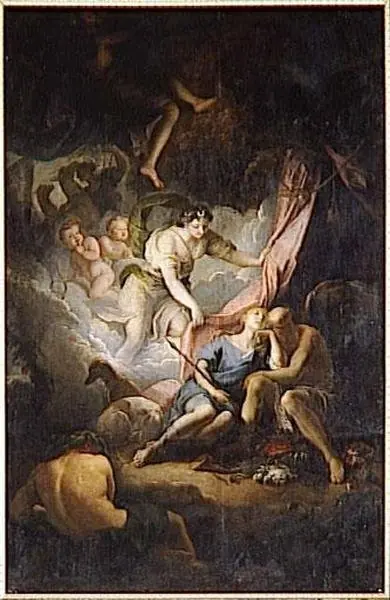 Diane et Endymion
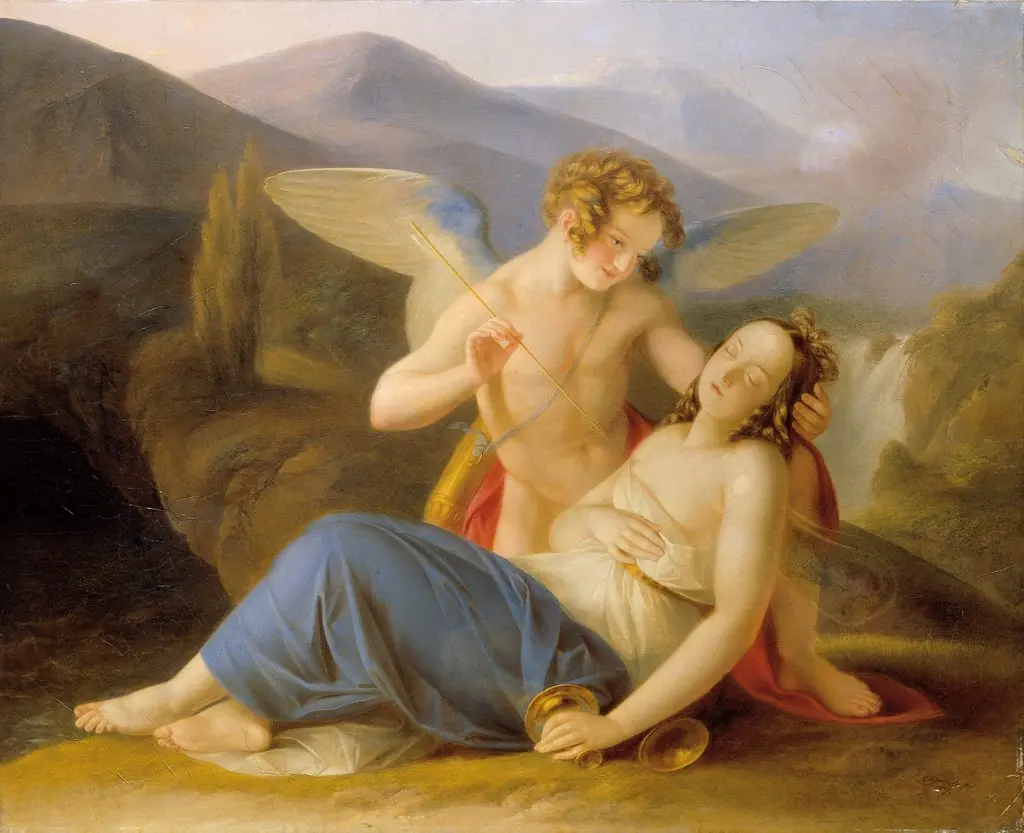 Psyche is awakened from fainting by Cupid's arrow
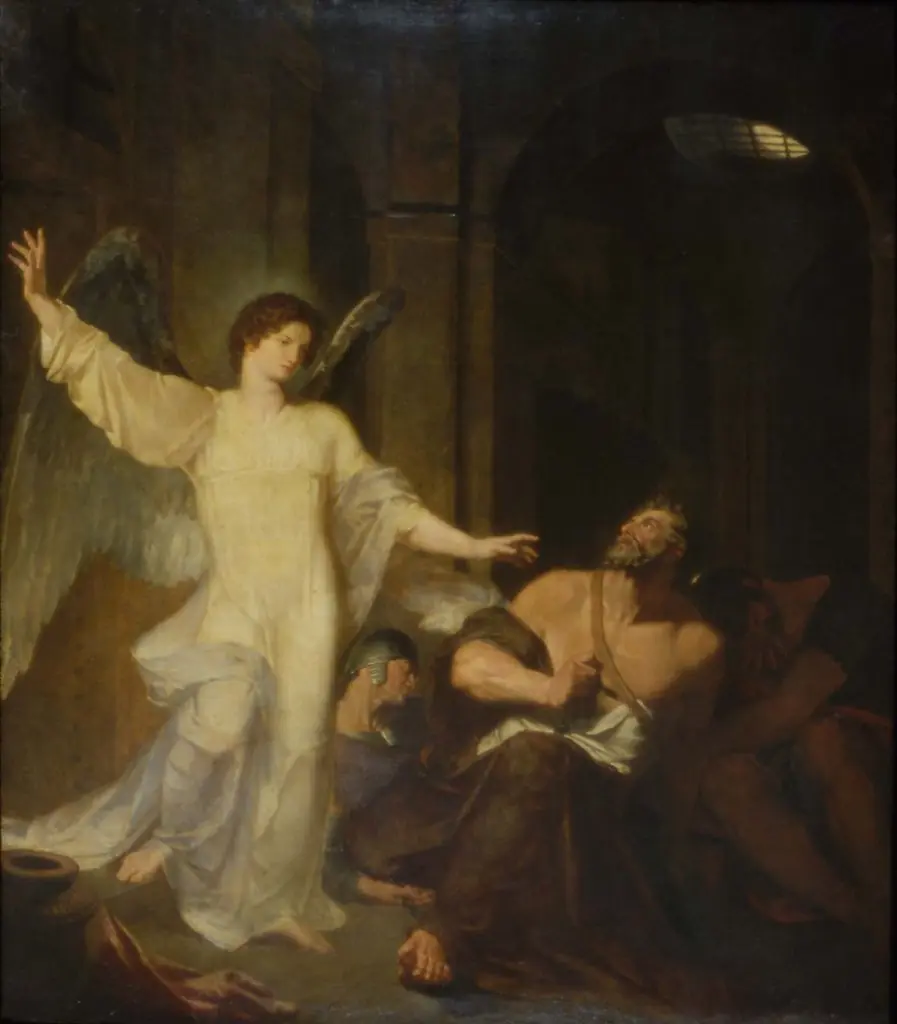 The Angel Releasing St. Peter from Prison
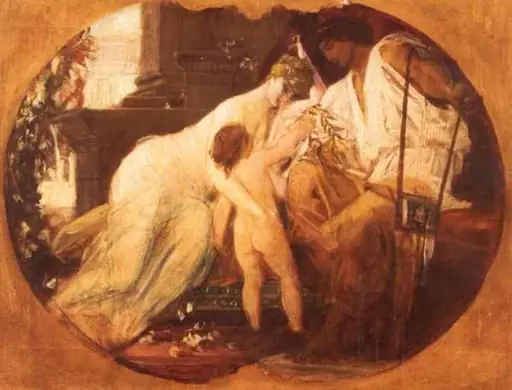 Scenă mitologică
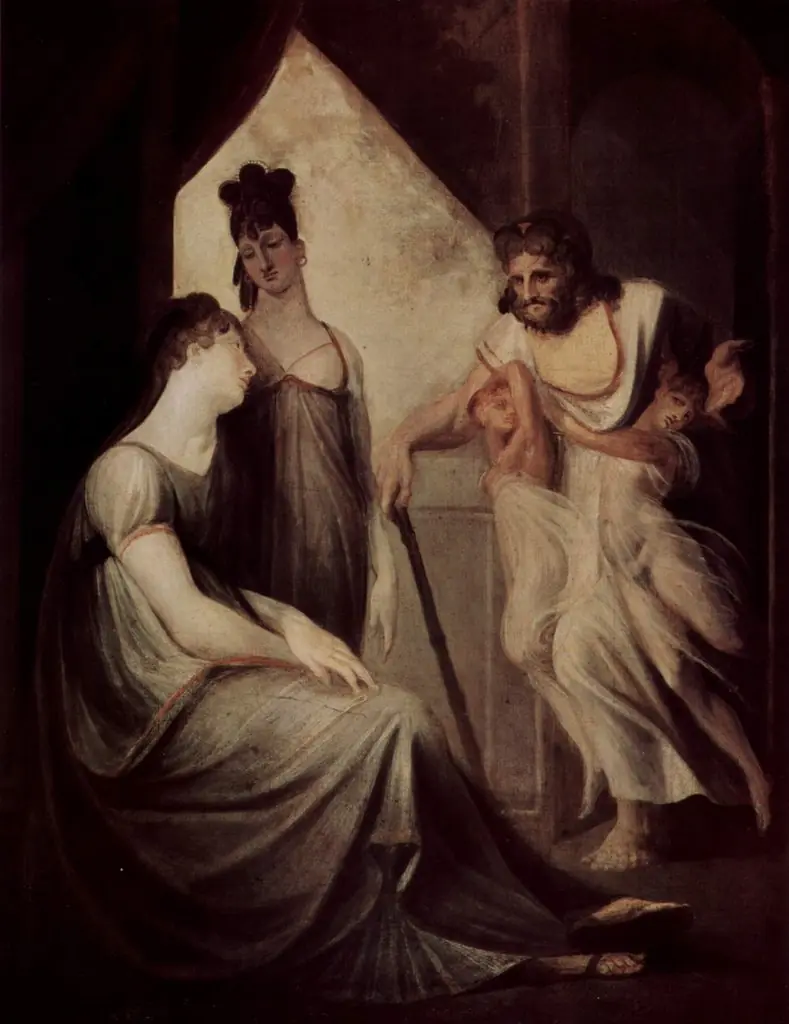 Thetis bittet Hephaistos, für ihren Sohn Achilleus eine Rüstung zu schmieden
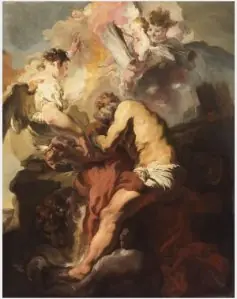 The Vision of Saint Jerome
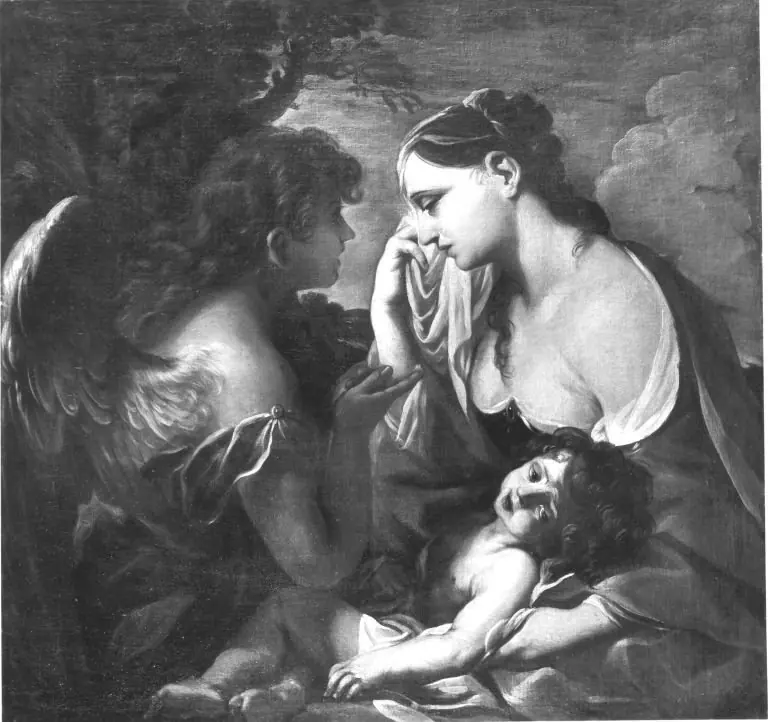 Hagar und Ismael (?)
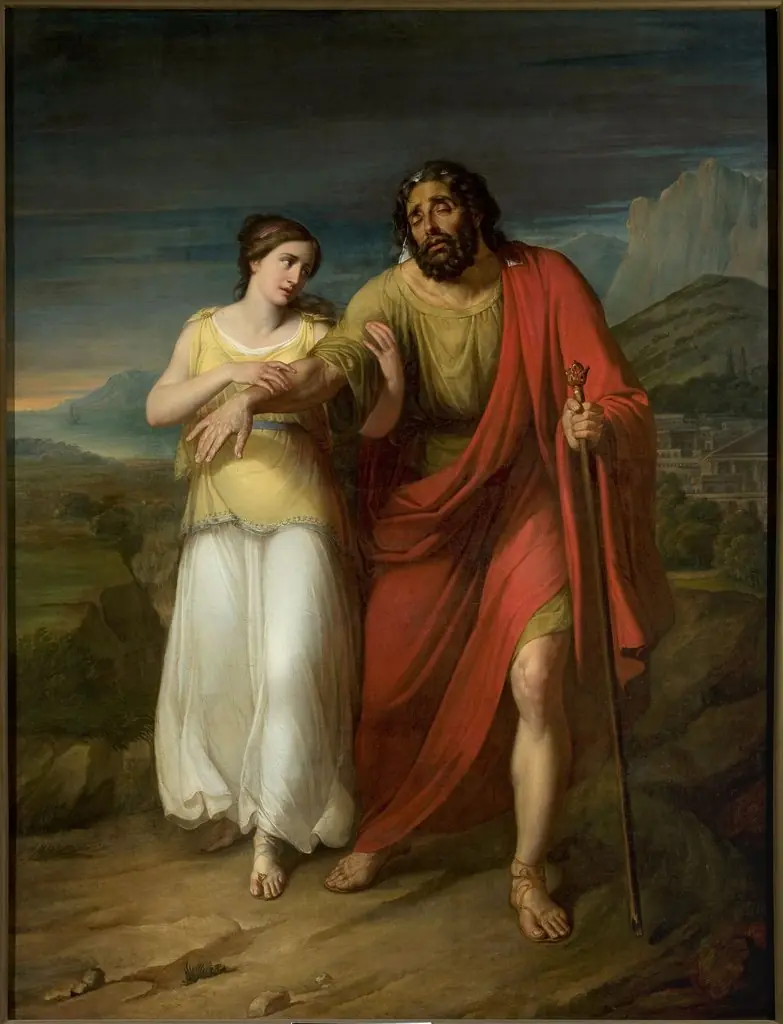 Oedipus and Antigone
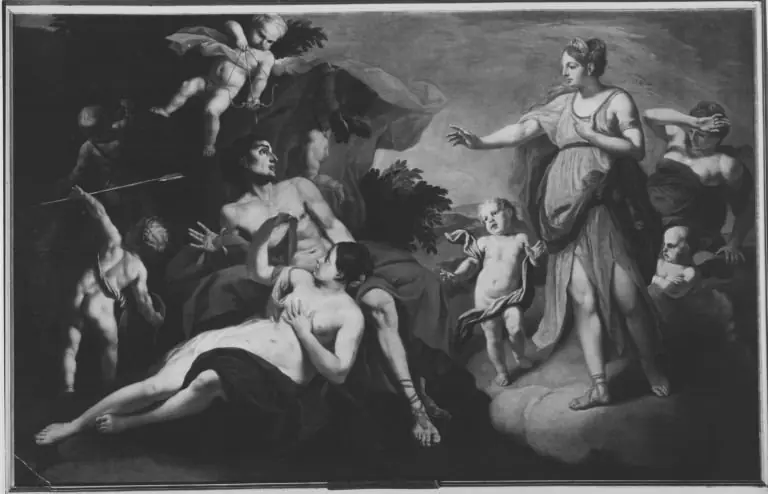 Fehltritt der Kallisto
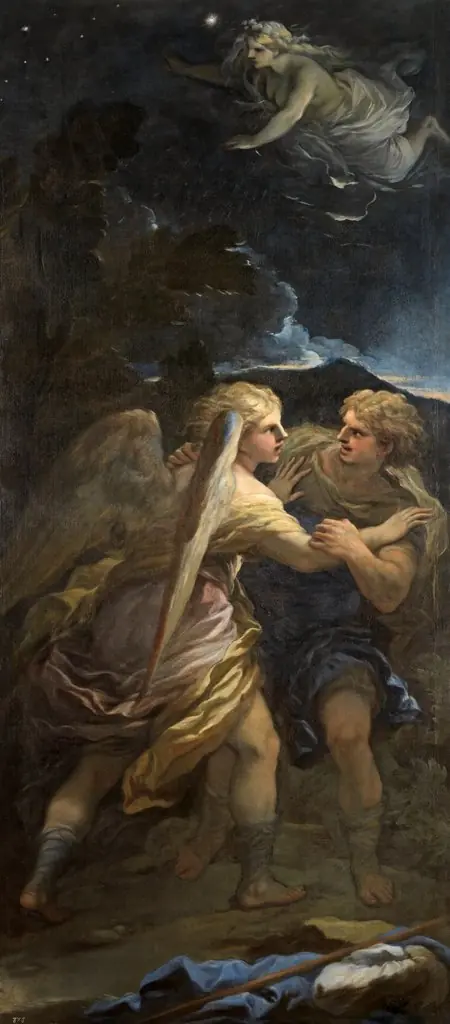 Lucha de Jacob con el ángel