Artwork
The Triumph of David over Goliath
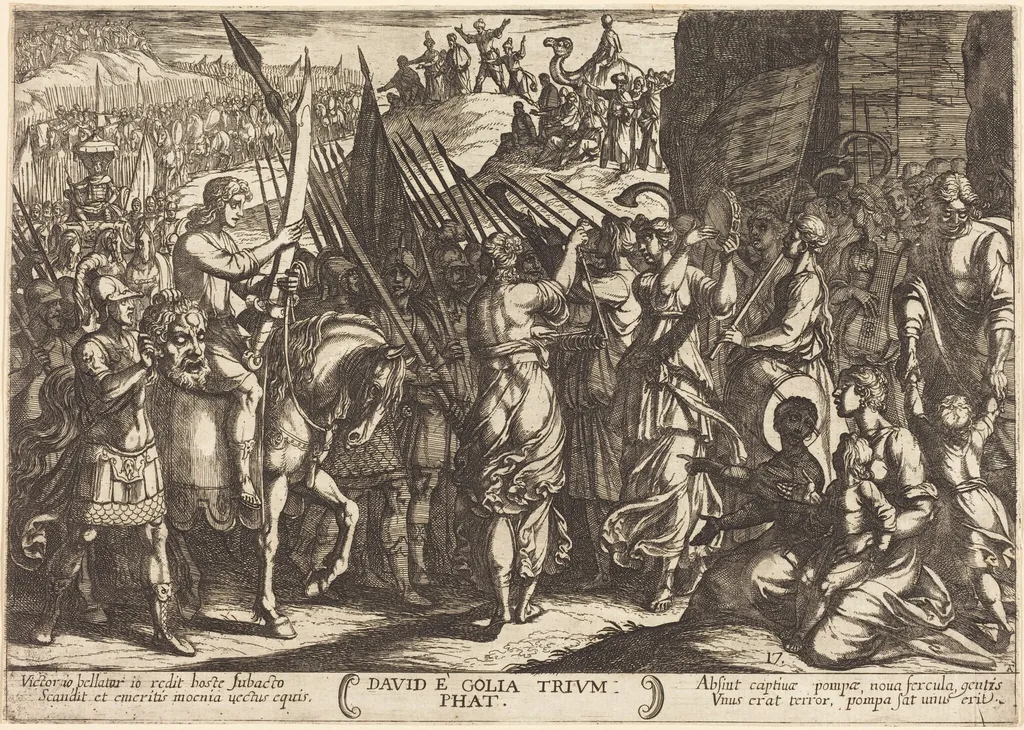
The Triumph of David over Goliath is an ink print by the Baroque artist Antonio Tempesta. It dates from 1613 and is held in the collection of the National Gallery of Art.
About this work
Overview
This work is part of a larger series of martial and biblical scenes, reflecting his role in disseminating dramatic imagery across European artistic circles.
Antonio Tempesta’s 1613 etching depicts the biblical moment of David’s victory over Goliath, rendered with intricate line work and dynamic composition. As a Roman artist active in the early Baroque period, Tempesta specialized in prints that translated grand historical and scriptural narratives into detailed graphic form. This work is part of a larger series of martial and biblical scenes, reflecting his role in disseminating dramatic imagery across European artistic circles.
Subject & Meaning
The scene captures David, standing over the fallen giant Goliath, clutching a sword and a banner, symbolizing divine favor and moral triumph. Behind them, a burning city and cheering crowds on a hill suggest the broader consequences of the victory, both military and symbolic. The Latin inscription reinforces the narrative’s moral core: the underdog’s triumph through courage and faith, not brute strength.
Technique & Style
Tempesta employed sharp, precise etching lines to create dense, energetic compositions. The print’s crowded battlefield is rendered with meticulous detail, weapons, armor, and figures are layered to convey motion and chaos. His technique draws from Flemish engraving traditions, emphasizing clarity and narrative clarity, while the dramatic tension aligns with emerging Baroque sensibilities in Rome.
History & Provenance
Created in Rome during Tempesta’s mature period, the etching was likely produced for a broad audience of collectors and scholars interested in biblical themes and military iconography. As a print, it was reproducible and portable, aiding its circulation beyond Italy. No specific early ownership records are documented, but its style and subject place it firmly within the print culture of early 17th-century Europe.
Context
Tempesta worked amid the Counter-Reformation’s emphasis on vivid religious storytelling. His prints responded to demand for accessible, emotionally charged imagery that reinforced scriptural narratives. The choice of David over Goliath resonated with contemporary ideals of righteous leadership and divine justice, mirroring political and spiritual struggles of the era.
Legacy
Tempesta’s etchings, including this one, influenced later printmakers through their narrative clarity and compositional density. While not widely celebrated today, his work preserved a bridge between Northern European engraving techniques and Italian Baroque dynamism. His prints remain valuable for understanding how biblical stories were visually codified and distributed across early modern Europe.
Own this work as a print
Artist & collection
Artist
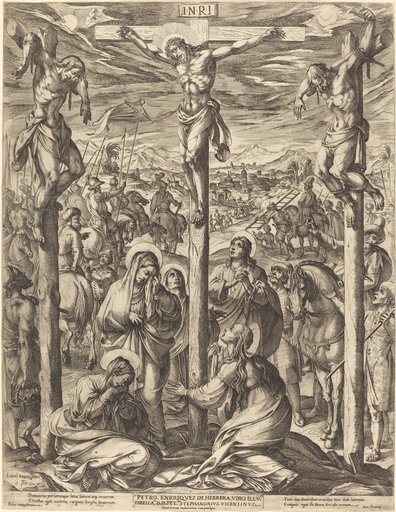
Antonio Tempesta, also called il Tempestino (1555 – 5 August 1630), was an Italian painter and engraver, whose art acted as a point of connection between Baroque Rome and the culture of Antwerp.

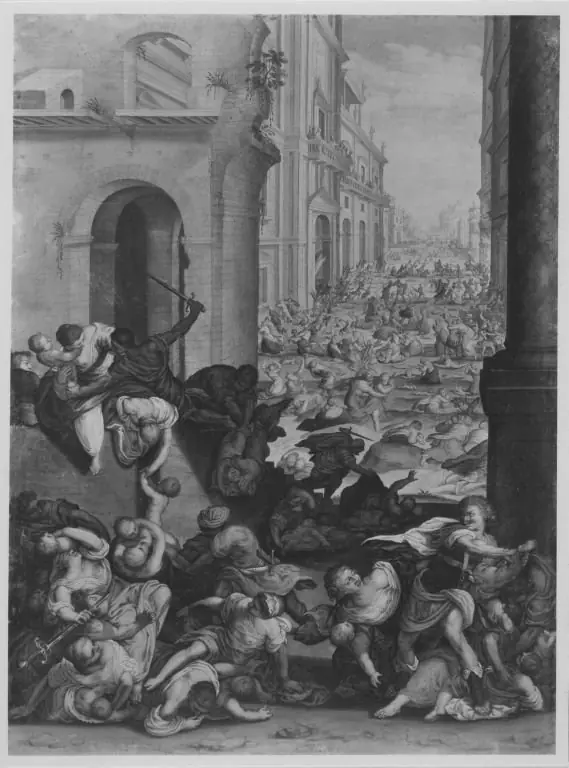
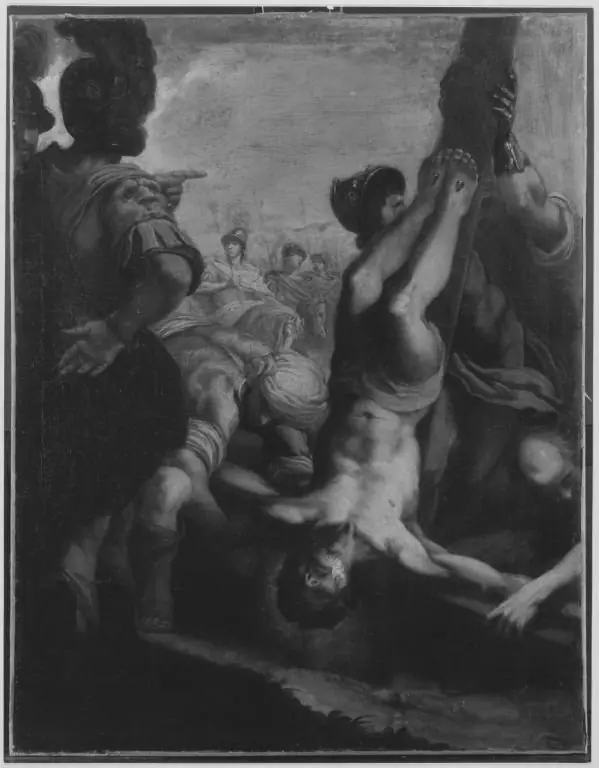
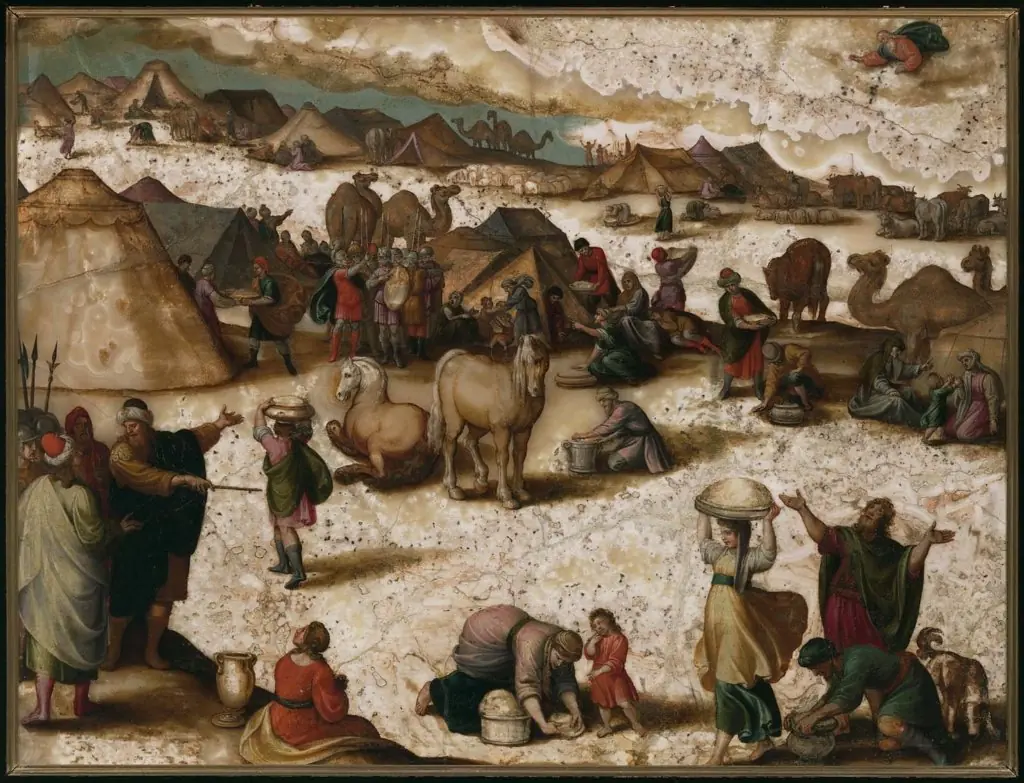
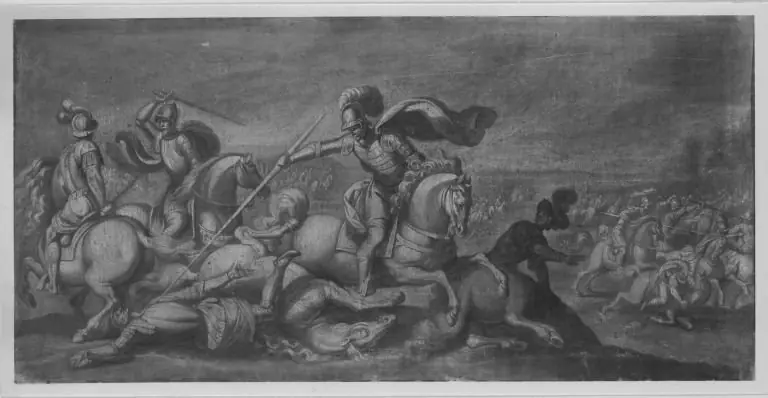
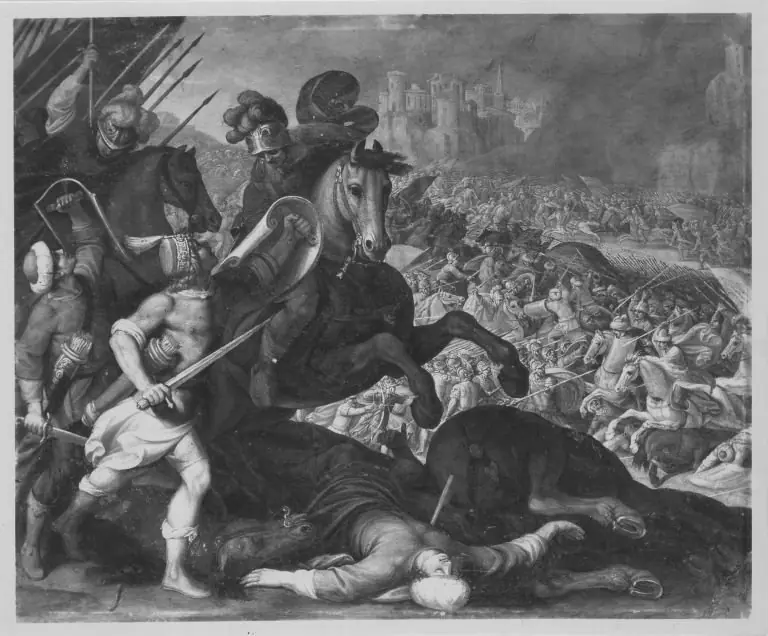
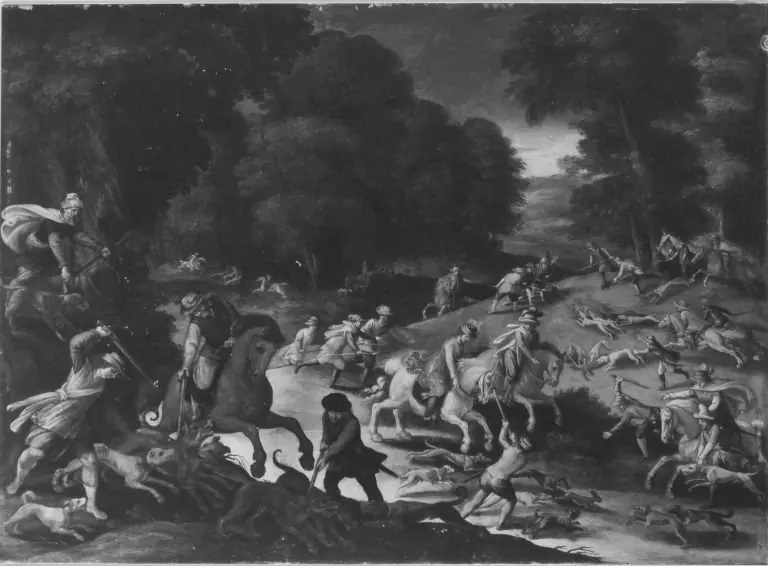
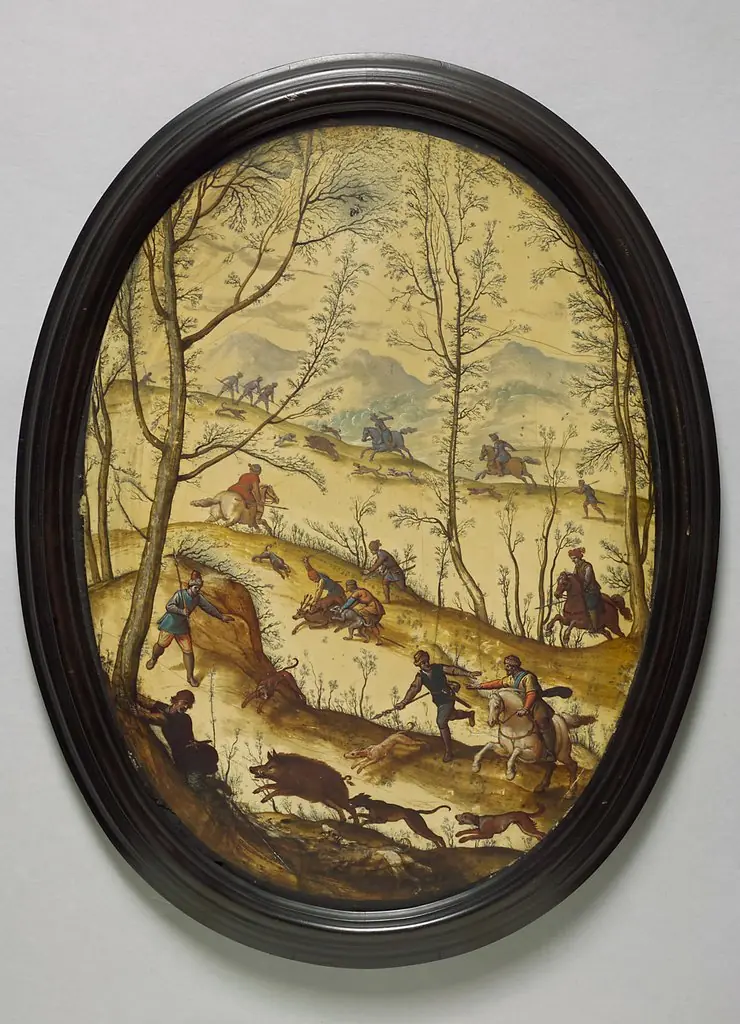
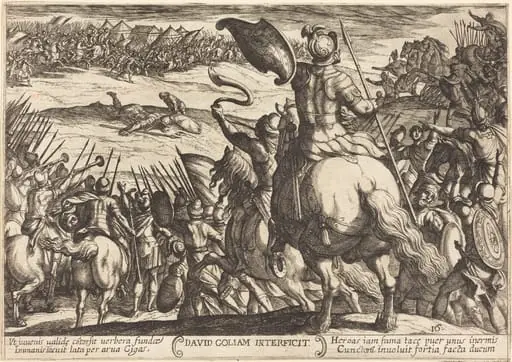
- David Kills Goliath
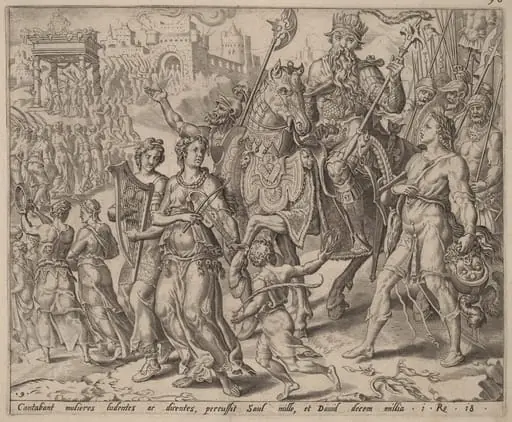 The Triumph of Saul and David
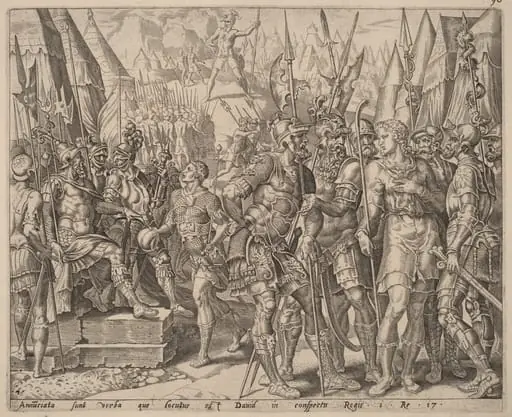 David's Brother Relating to Him Goliath's Challenge
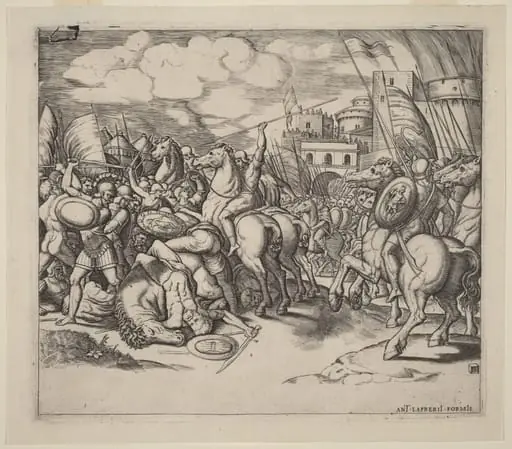 The Victory of Scipio over Syphax
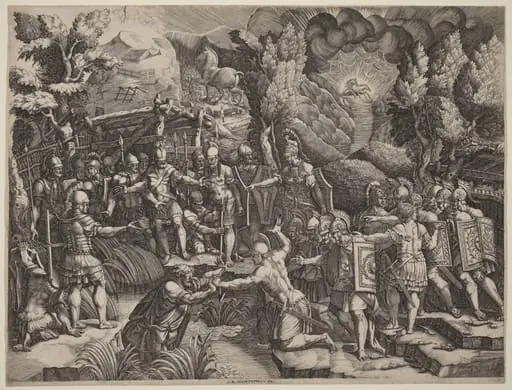 Sinon Deceiving the Trojans
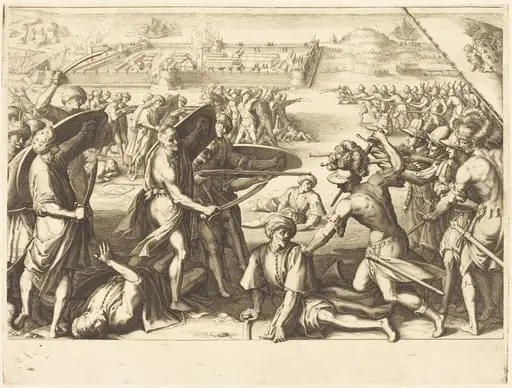 Assault on the Outer Forts of Bone
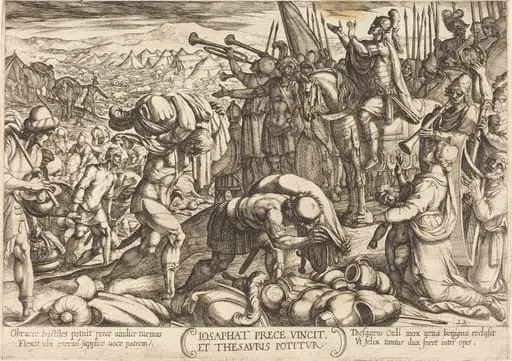 Josaphat Thanking God for His Victory
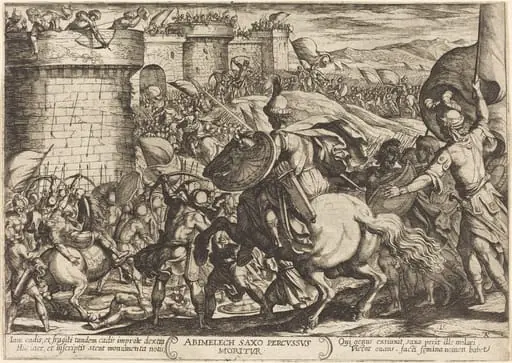 The Death of Abimelech
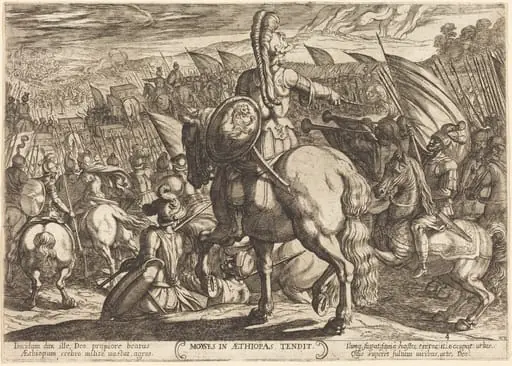 Moses makes the Hebrew army march against the Ethiopians
 St. Paul
 St. Thomas
 The Triumph of Scipio