Artwork
Portrait of Iwo Łomiński as a Child
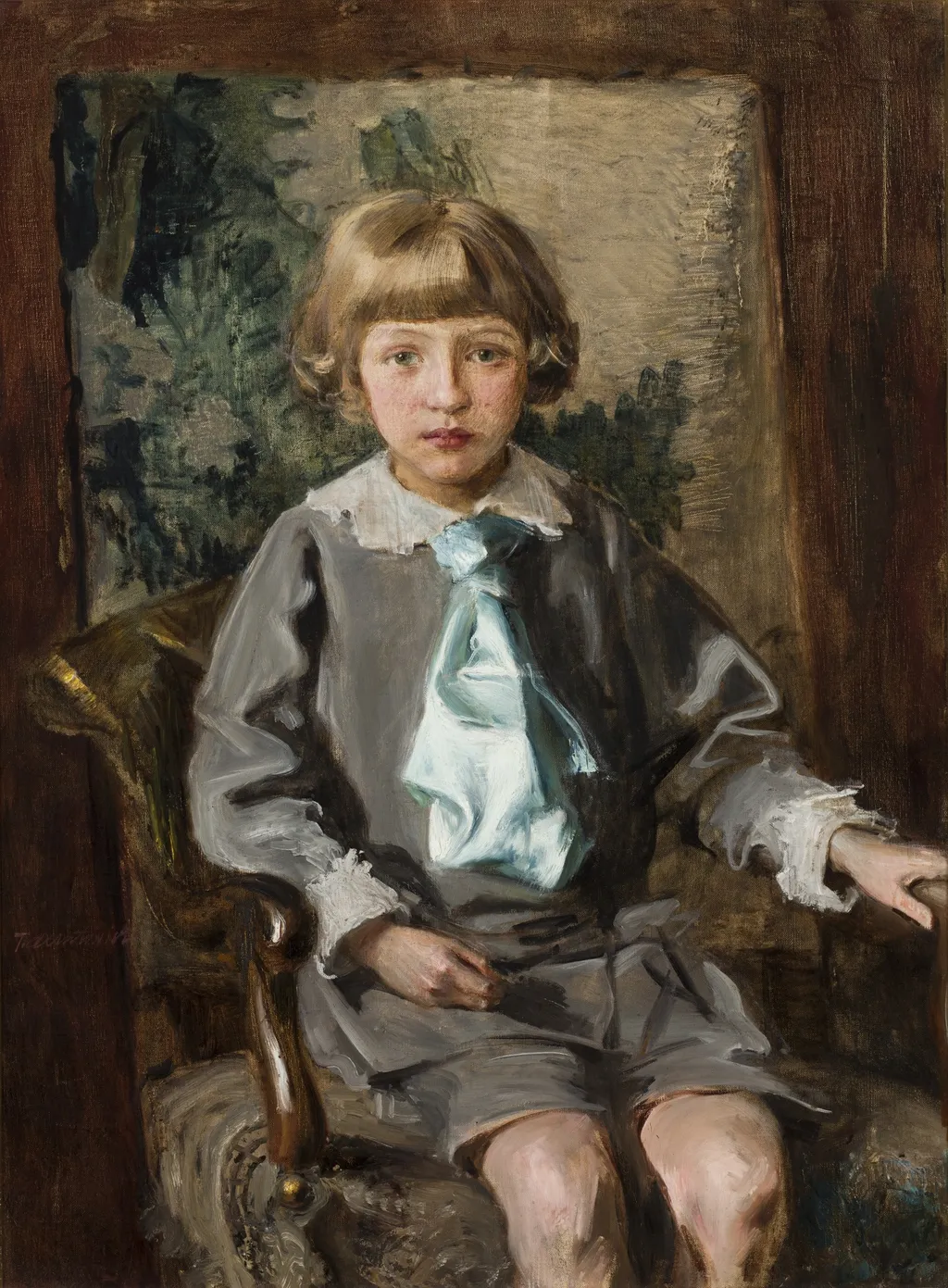
Portrait of Iwo Łomiński as a Child is an oil painting by the Art Nouveau artist Teodor Axentowicz. It dates from 1913 and is held in the collection of the National Museum in Kraków.
About this work
Overview
The work is part of the National Museum in Kraków’s collection and reflects Axentowicz’s interest in intimate childhood portraiture.
Painted in 1913 by Teodor Axentowicz, this oil portrait captures a young boy named Iwo Łomiński in a composed, seated pose. The work is part of the National Museum in Kraków’s collection and reflects Axentowicz’s interest in intimate childhood portraiture. Though rooted in realism, the painting incorporates decorative elements characteristic of the Art Nouveau period, particularly in its subtle background patterning and refined linear flow.
Subject & Meaning
The subject, Iwo Łomiński, is depicted as a quiet, observant child, gazing directly at the viewer with a stillness that invites contemplation. His posture, hands resting on chair arms, legs crossed, suggests a sense of poise beyond his years. The absence of narrative context or symbolic objects focuses attention on the child’s presence, emphasizing inner calm rather than external identity or social status.
Technique & Style
Axentowicz employed soft transitions between light and shadow to model the boy’s form, avoiding harsh contrasts while maintaining volume. The background blends muted greens and browns in loose, fluid strokes, contrasting with the precise rendering of the child’s clothing and facial features. The white collar and light blue tie introduce restrained color accents, enhancing the portrait’s quiet elegance without overwhelming its tonal harmony.
History & Provenance
The painting was completed during Axentowicz’s tenure as rector of the Kraków Academy of Fine Arts, a period when he frequently turned to domestic and familial subjects. It entered the National Museum’s collection shortly after its creation, likely through direct acquisition or donation. Its continuous presence in the museum underscores its recognition as a representative work of early 20th-century Polish portraiture.
Context
In early 1900s Poland, portraiture remained a vital genre among academic artists, often blending traditional techniques with emerging stylistic trends. Axentowicz’s focus on children reflected broader cultural interests in innocence and domestic life. While his work was influenced by European Art Nouveau, it retained a distinctly Central European sensibility, favoring psychological depth over ornamental excess.
Legacy
This portrait exemplifies Axentowicz’s contribution to Polish visual culture through his sensitive depictions of youth. Though not widely reproduced, it remains a key reference in studies of interwar Polish painting. Its enduring presence in the National Museum highlights its role as a quiet but significant document of personal and artistic life in Kraków during the early 20th century.
Own this work as a print
Artist & collection
Artist
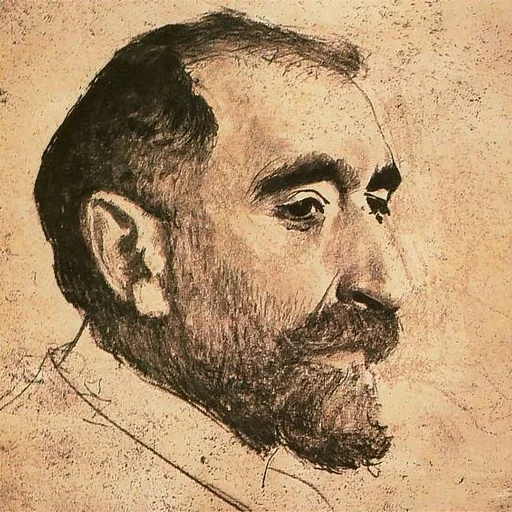
Teodor Axentowicz (Armenian: Թեոդոր Աքսենտովիչ, romanized: Tʻeodor Akʻsentovichʻ; 13 May 1859 – 26 August 1938) was a Polish-Armenian painter and university professor.

 Portrait of a girl
 Seated Boy
 Cynthia
 Marion Pond (Mrs. Kenneth Bacon Bond)
 Tytön pää, harjoitelma vapaaherra Viktor Magnus von Bornin perhemuotokuvaa varten
 Frances Lee Weeks
 Catharine
 Child in a Straw Hat
 Portrait of a girl, daughter of Mrs. Sachar
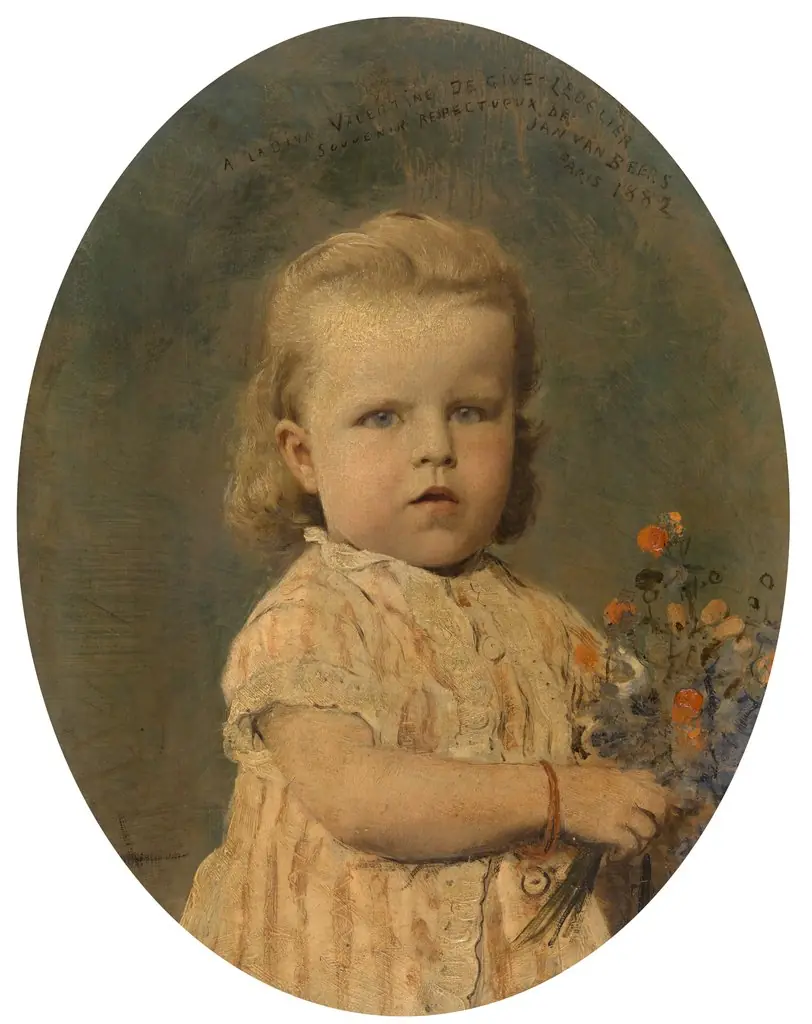 Carolina Amalia LeDelier, daughter of Valentine De Give - leDelier
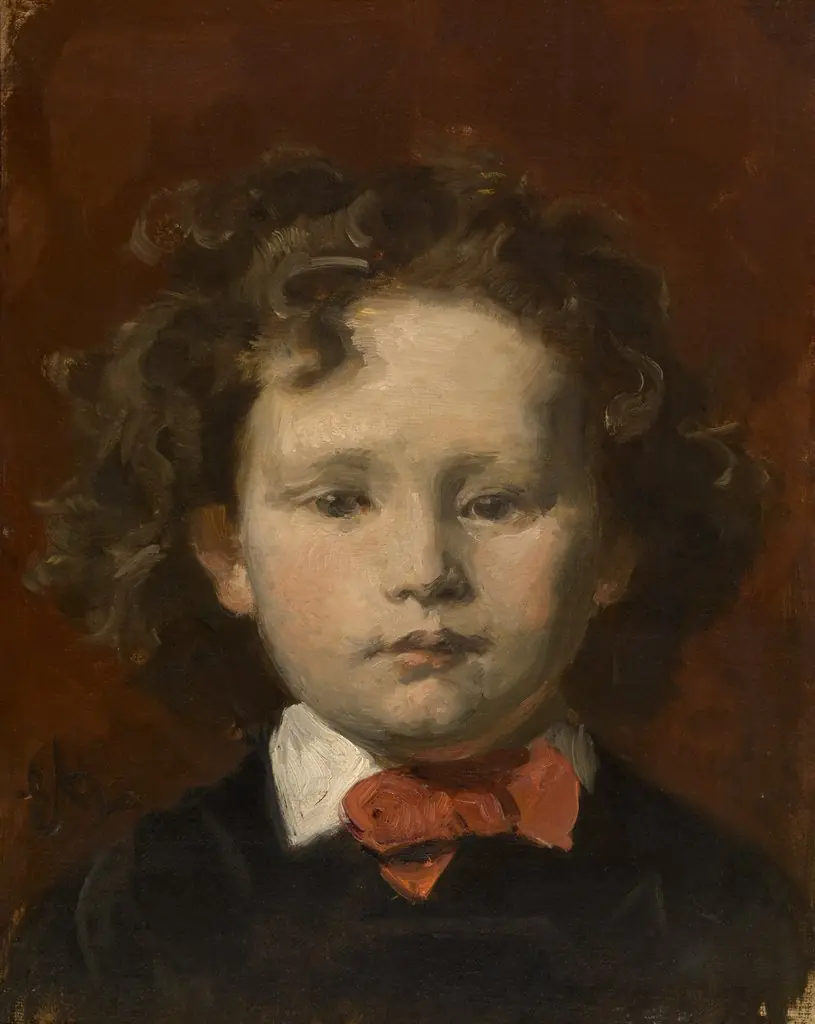 Paul Sulzberger
- Portrait of a Girl – Zofia Sokołowska